
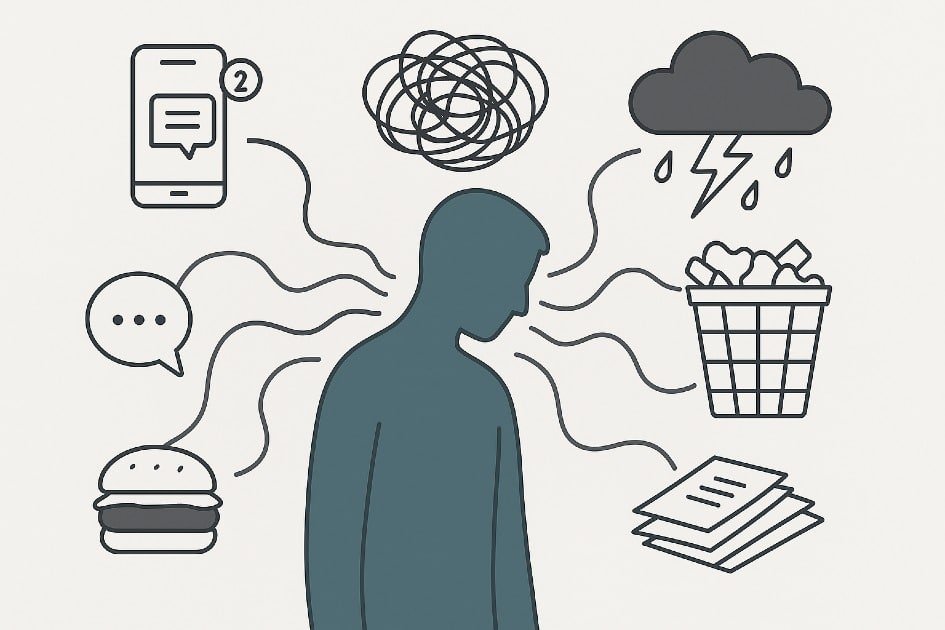

Have you ever wondered why, even after a full night’s rest, you still drag through your day like a flickering bulb running out of power?
What if the very routines you rely on—morning coffee, quick snacks, late-night screen scrolls—are in fact stealthy culprits draining your life force instead of fueling it? Subtle toxic habits can erode physical stamina and mental clarity.
Harvard Health warns that habits such as chronic stress, overwork, poor diet, insufficient sleep or exercise, smoking, excessive alcohol consumption, and dehydration can deplete energy levels.
Identifying and dismantling these habits enhances energy and focus. Strategies include reducing sugar-heavy snacks to avoid energy crashes, incorporating gentle movement to improve circulation, and maintaining regular sleep and hydration.
The guide highlights common patterns like diet missteps, digital overload, and sedentary behaviors that drain energy. It encourages replacing these habits with mindful alternatives to reclaim vitality and focus.

Morning habits that drain your energy
Morning routines can harbor toxic habits that unknowingly drain energy before the day begins, affecting alertness, calmness, and focus.
Even though it is easy to develop patterns that lead to feelings of sluggishness and unmotivating, simple adjustments can refresh your mornings and eliminate these energy-stealing habits.
Scrolling before getting up
Why it matters:
Early morning scrolling activates stress centers in the brain, triggering anxiety and reducing mental oxygen. Notifications contribute to mental clutter, and this habit diverts focus away from introspection, undermining clarity and emotional resilience.
How to do it:
- Keep your phone across the room instead of on your pillow.
- Wake up with an analog clock to stop reaching for your phone first.
- Take ten minutes away from screens to breathe, stretch, or drink water.
- Silence unnecessary app alerts at night to wake up without digital distractions.
My morning was stressed because I always grab my phone as I wake up to check emails, messages, and social feeds. When I stopped doing that, my mornings felt calm, clear, and full of energy I did not even know I needed.
Missing morning sunlight hurts your energy
Why it matters:
Morning sunlight is essential for regulating your internal clock, enhancing alertness, and stabilizing hormones. Insufficient exposure to natural light can result in decreased serotonin levels, leading to feelings of grogginess and lack of focus.
How to do it:
- Step outside for a few minutes after waking. Morning sunlight boosts your energy and clears your mind.
- Stand near a sunny window when you cannot go outside. The light still helps your brain wake up quickly.
- Pair sunlight with simple movement like a short walk to boost circulation and cut the sluggish feeling this habit creates.
- Let sunlight in early so your room feels bright and your mood lifts.
I used to jump into my day without stepping outside, thinking sunlight was not important. When I started standing in the sun for a few minutes, my mind felt clearer, my sleep improved, and my energy stayed steady.
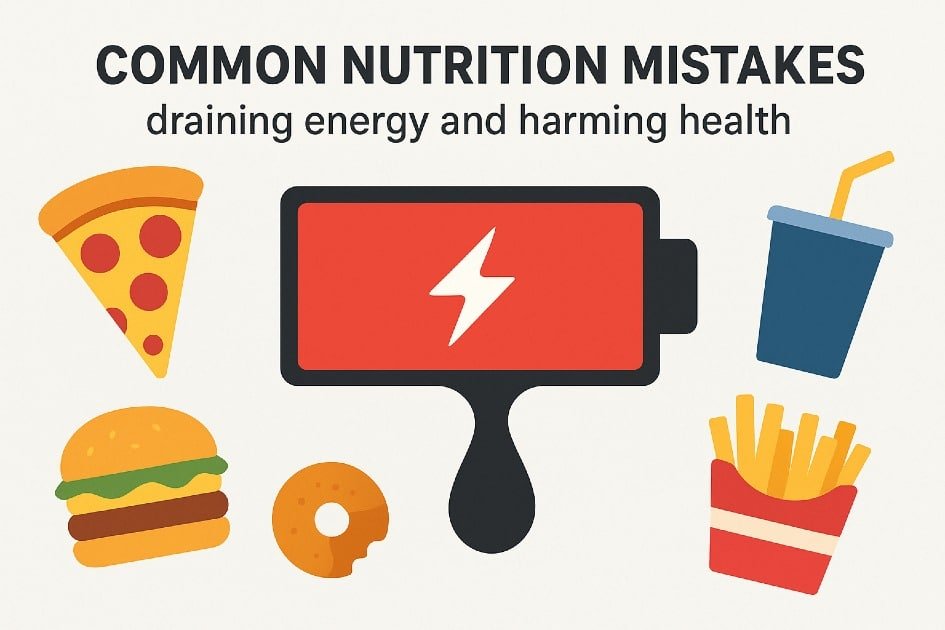
Nutrition pitfalls that slowly wear you down
Nutrition affects daily emotions and energy, yet many people develop harmful habits that, although appearing harmless, can lead to reduced focus and greater challenges with simple tasks.
Hidden sugar spikes that steal your daily energy
Why it matters:
Sudden spikes in blood sugar lead to mental fog, fatigue, and cravings, which can deplete mental stamina, disrupt sleep, and negatively affect metabolism and mood over time.
How to do it:
- Pick fiber-rich foods such as apples, oats, and almonds to keep your energy steady.
- Pair carbs with protein to steady your blood sugar, like eating fruit with a small handful of nuts.
- Check labels and skip foods with hidden sugars like agave, maltose, and cane syrup.
- Try flavored sparkling water or herbal tea instead of sugary drinks.
- Try a glucose-tracking app to see when your blood sugar jumps.
Mindless snacking that slowly weakens your vitality
Why it matters:
Grazing throughout the day disrupts digestion and leads to continuous insulin release, causing fatigue. It dulls hunger signals, potentially resulting in overeating and increased exhaustion. Additionally, emotional snacking does not reduce stress, leading to further feelings of being drained.
How to do it:
- Set clear eating times so your body gets the rest it needs to stay strong.
- Drink water first because your body can mistake thirst for hunger.
- Choose simple whole snacks like carrot sticks, boiled eggs, or a small handful of nuts.
- Stop for a moment and check if you are truly hungry or just looking for a distraction.
- Prep healthy, nutrient-rich snacks at the start of the week with simple kitchen tools.
- Try mindful eating to enjoy your food more and understand your hunger better.
I learned that breaking a toxic habit does not take substantial changes. When I keep my blood sugar steady and eat with more awareness, I think more clearly, my energy feels smoother, and my appetite stays calm.
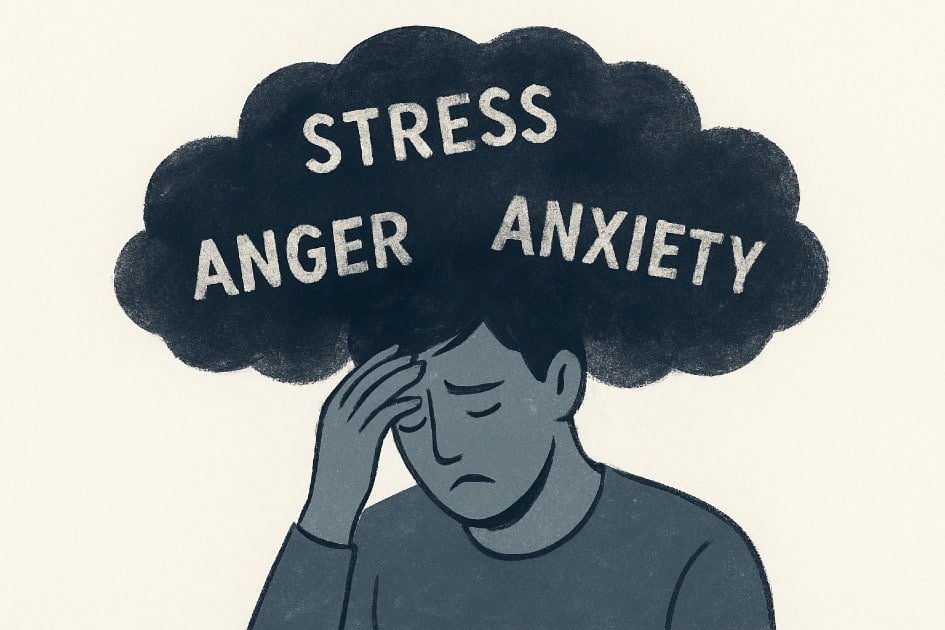
Emotions that drain your mind
Emotional habits influence your thoughts and stress management. Toxic habits can lead to mental overload, but they can be changed through gradual, small adjustments.
Overthinking drains your mind
Why it matters:
Overthinking is a detrimental habit that distracts focus and transforms small concerns into significant worries, leading to mental fatigue even at the start of the day.
How to do it:
- Name the thought and its grip fades. You stop reacting and start noticing.
- Set a short thought limit. Give yourself 10 minutes to focus on the problem, then stop and move on.
- Try grounding by breathing slowly or touching something nearby to pull your mind out of negative loops.
- Use simple tools to feel balanced. A clarity journal or a guided reflection app can help you calm your mind and stay on track.
I know this shift seems tiny, but it keeps toxic habits from taking over my day. Each time I practice it, my mind chooses to calm instead of chaos.
Draining yourself to please others
Why it matters:
People-pleasing can be detrimental, leading to emotional exhaustion. When individuals say “yes” instead of “no,” it fosters resentment, tension, and burnout, diminishing their confidence.
How to do it:
- Try a simple micro-boundary like saying “I will check and reply soon.”
- Speak openly with others. Simple lines like “I cannot do this today” help you protect your energy.
- Let your values guide you so choices feel easier.
- Use a self-care planner to notice emotional patterns before they become harmful.
I make slight changes, and I feel lighter each time I honor my limits without guilt.
Letting emotions build up
Why it matters:
Hiding emotions is a toxic habit that depletes mental energy. Ignoring feelings like hurt and sadness leads to increased pressure, resulting in emotional numbness, irritability, or exhaustion over time.
How to do it:
- Say your feelings. Use simple words like “I feel sad” or “I feel tense.”
- Share your feelings with a trusted friend, write them down, or release them through stretching and movement.
- Notice your feelings three times a day and ask yourself how you truly feel.
- Notice repeated situations and act to stop toxic habits.
I keep my energy strong when I let my emotions out instead of holding them in. It stops me from feeling overwhelmed and helps me stay balanced.
Absorbing others’ problems
Why it matters:
Absorbing others’ stress is harmful, draining emotional and physical energy. Constantly trying to solve others’ issues can lead to emotional depletion and physical tension, making it hard to recharge.
How to do it:
- Draw your boundaries and remember their path is not yours.
- Listening and supporting without taking over because helping too much can drain you.
- Let silence speak and guide your next move.
Each step I take helps me let go of weight that was never mine to hold.
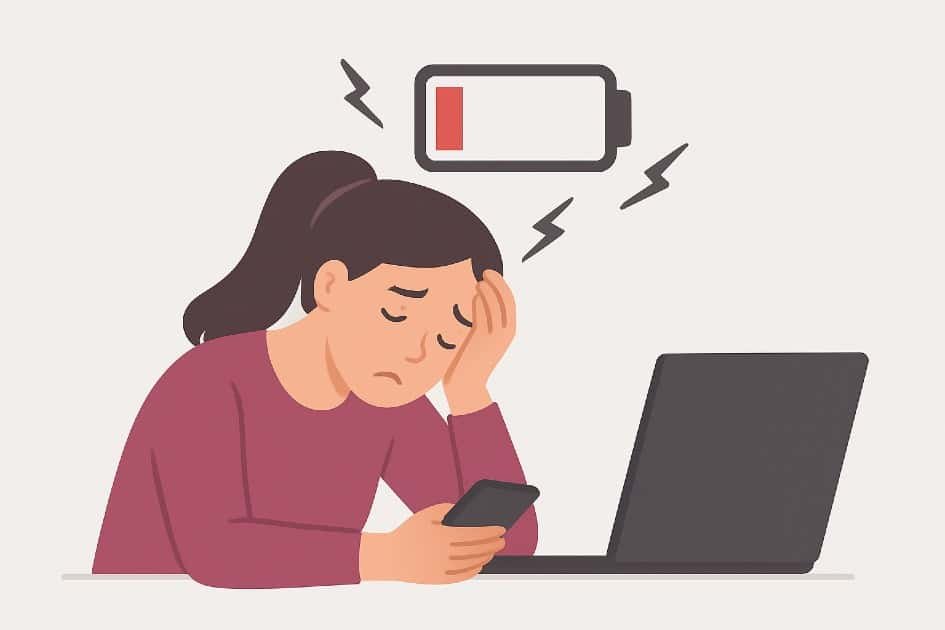
Digital habits that drain your energy
Modern life is fast-paced, and our devices accelerate this with constant scrolling and tapping, leading to energy depletion and toxic habits. However, simple, consistent steps can help individuals break free from this cycle.
How social media hijacks your focus
Why it matters:
You lose focus because of frequent app interruptions, resulting in mental fatigue and overstimulation. This disrupts creative thinking and may lead to a toxic habit that affects your natural rhythm.
How to do it:
- Set a daily scroll limit by using your phone’s built-in tools.
- Build a home screen that helps you stay focused.
- Try a healthier swap. Read a page, do a quick stretch, or step outside for a little sunlight.
- Use technology with intention. Before you tap an app, take a quick pause and ask yourself what you want to do.
- Take a digital break for one hour. Putting your phone away helps your mind relax and stay clear.
I used to open Instagram without even thinking. It drained my focus and made my mind feel cloudy. When I moved my social apps off my home screen, the habit slowly faded, my head felt clearer, and my energy came back.
Notifications that overload your brain
Why it matters:
You lose mental energy with each interruption of attention, primarily from notifications demanding quick responses. This ongoing alertness prevents full brain rest, leading to decreased productivity and harming confidence and calmness.
How to do it:
- Turn off alerts you do not need. Most apps are not worth your constant attention.
- Flick on “Do Not Disturb” when you need to stay focused. Guard your mind the same way you guard your time.
- Batch your replies by checking messages only at certain times.
- Silence your phone at night to protect your sleep.
- Use calming sound settings by choosing soft tones that keep alerts from startling you.
Checking my phone every time it buzzed drained my energy. When I turned off most notifications, I felt calm again, and I could focus on what truly mattered without constant distractions.
Habits that drain your energy
Your daily routines impact your energy levels, as minor habits can become detrimental, reducing productivity. Making small, consistent changes can help restore your energy.
Long sitting slows your body
Why it matters:
Prolonged sitting decreases blood flow and oxygen to the brain, leading to muscle stiffness and tension, and causing the body to enter a “low power mode” that results in sluggishness. This habit adversely affects posture, mood, and mental clarity over time.
How to do it:
- Stand up, stretch, or walk for a minute to wake up your muscles and protect your joints.
- An ergonomic adjustable desk helps you switch between sitting and standing with ease.
- Stretch your hips, neck, and shoulders for one minute to release tension and boost your energy.
- Turn every phone call into a quick walk.
The moment I started moving, my mind felt clearer, I could focus again and stop the habits that drained my energy.
Bad sleep habits drain your energy
Why it matters:
Inconsistent bedtimes and blue light from screens disrupt sleep, inhibiting melatonin production and complicating sleep onset. This leads to poor-quality rest, reduced brain energy restoration, and the development of toxic habits, causing irritability, impaired cognitive function, and morning fatigue.
How to do it:
- Keep your daily sleep times steady, including weekends, to help your mind stay sharp.
- Power down screens an hour before sleep for better rest.
- Wind down at night with natural magnesium or soothing aromatherapy oils to relax your body and mind.
- Block out light with blackout curtains or a sleep mask.
Improving my sleep habits changed my entire day. I woke up feeling light, clear, and steady. The biggest surprise was how fixing this one routine helped me break other toxic habits I did not even know were connected.
Stress traps that keep you stuck
Living in constant stress creates tension, exhaustion, and a lack of clarity, disrupting peace and energy. However, awareness, intention, and small courageous steps can help break this cycle.
Living in constant fight-or-flight
Why it matters:
Staying in a fight-or-flight state leads to energy depletion, hyper-alertness, anxiety, irritability, and low mood. Stress hormone release disrupts digestion, sleep, and focus, creating a cycle that impairs daily responses and reduces resilience and emotional stability.
How to do it:
- Breathe in small moments
- When tension rises, breathe slowly, inhaling for four seconds and exhaling for four seconds.
- This quick reset signals your brain that you are safe.
- Lower your daily overload
- Turn off notifications and protect your focus by setting limits on your devices.
- Switch to a notebook or planner to cut down on digital stress and stay focused.
- Build a daily grounding habit
- Place your feet flat on the floor and notice how your body connects to the ground.
- I used this easy trick to stay calm before every stressful meeting.
- Avoid stressful content
- News and chaotic videos keep your brain in survival mode, raising stress and making it hard to think clearly.
- Discover calming wellness to build strong coping skills.
- Find your stress trigger
- Pay attention when your breathing speeds up, your shoulders rise, or your mind fills with racing thoughts.
- Catch the signs early and stop the toxic habit before it takes hold.
Ignoring your body’s warning signs
Why it matters:
Constantly agreeing with commitments leads to emotional overload and anxiety, diminishing one’s sense of control. This results in neglecting self-care and creating a cycle of toxic habits, reducing the ability to be present and enjoy life.
How to do it:
- Pause before you agree
- Take a moment to think before you say yes.
- Stop the habit of always trying to please everyone.
- Shield your energy with simple scripts
- I want to help, but I cannot take it on right now.
- I will review my schedule and let you know.
- Set your personal time without compromise
- Try tools or journals to help track your routines.
- Take 20 to 30 minutes each day to relax, focus on your well-being, or do something creative.
- Listen to your body first
- Do you feel your chest tighten or energy drop? Choose to say no.
- Tune in to your body to break harmful habits before they start.
- Change your thinking
- Saying no shows you care for yourself, not that you are unkind.
- This change lets you live beyond survival.
I know breaking stress patterns takes time, but each slight change helps me feel stronger and less stuck in survival mode. With mindful choices each day, I can build a life where stress does not control me anymore.

Relationship dynamics that sap your strength
Relationship patterns significantly affect your mood and well-being, with one-sided connections leading to diminished emotional reserves. By implementing small, intentional changes, you can regain your strength and promote healthier relationships.
Absorbing others’ problems drains your energy
Why it matters:
It causes emotional fatigue by blurring boundaries, leading to an imbalance where giving outweighs receiving, reducing focus on goals, and turning compassion into exhaustion.
How to do it:
- You can support others without taking on all their feelings.
- Suggest useful tools and give resources that help them grow without overwhelming you.
- Pause and check yourself. Ask, “Do I need to fix this?”
- Step away for a few minutes and let your nervous system reset.
I practice this every day, and I feel real relief. The heavy fog in my mind fades, and I get back the energy that toxic habits once drained from me.
Draining energy from negative friends
Why it matters:
Interactions can significantly affect your mood and motivation, contributing to emotional clutter and fostering a habit of pessimism.
How to do it:
- Surround yourself with uplifting people. A single positive friend can break a cycle of negativity.
- Keep your distance. Cut down on long chats, skip some meetups, and set clear boundaries to protect your energy.
- Guide talks toward solutions to break the cycle of constant negativity.
- Boost your mindset with positive influences.
- Notice how you feel after every interaction. Ask yourself if you feel lighter or heavier.
When I fix my space, my energy lifts fast. I think better. I breathe easier. I stop taking on other people’s heavy emotions.
Work habits that lead to burnout
Burnout develops gradually from unnoticed choices and habits, leading to symptoms such as low energy and motivation. Individuals experiencing burnout may find their work habits exacerbate stress and exhaustion.
Why multitasking kills your focus
Why it matters:
Multitasking negatively impacts attention, prolongs task completion, and increases difficulty, leading to higher mental energy consumption, exhaustion, and elevated error rates. This results in stress, rework, and reduced motivation.
How to do it:
- Focus on one task at a time and work on it for 20 to 40 minutes without distractions.
- Turn off pop-up notifications to stay focused and avoid distractions.
- Group similar tasks like emails, messages, or reports to keep your brain focused and work faster.
- Try using a digital timer or a free productivity app to stay focused and finish tasks faster.
Focusing on one task at a time helped me work better and feel calmer. When I stopped multitasking, my days became smoother, and I replaced a draining habit with a healthier way to get things done.
Working too much drains your drive
Why it matters:
Your brain requires breaks to replenish creativity and clarity. Extended work hours increase stress hormones and deplete energy, diminishing both physical and emotional resilience. This can create a harmful cycle that undermines motivation and productivity.
How to do it:
- Take short breaks every hour and step away for 2–5 minutes to refresh your mind.
- Practice a daily recovery ritual by stretching, journaling, or walking to release work stress.
- Set a timer to start and stop work so your evenings stay free.
- Use a wellness reminder app to boost your daily well-being.
I add short breaks into my day, like quick walks or slow breathing. These tiny moments help me reset when work feels heavy. They boost my energy and make my entire day easier to manage.

How your surroundings drain your energy
Your environment significantly influences your mood, focus, and energy levels. Adverse surroundings can drain your energy and foster toxic habits unknowingly. Making small adjustments to your environment can enhance your feelings of lightness, calmness, and vitality.
Messy rooms drain your focus
Why it matters:
A cluttered room induces background stress and mental noise, hindering focus and increasing decision fatigue. This messiness prevents relaxation, leading to restlessness and low energy, while also fostering procrastination, which negatively impacts productivity.
How to do it:
- Focus on one small area like a drawer, nightstand, or a desk corner and clear it first.
- Do tasks that take a minute or less right away to keep your day moving smoothly.
- Clear out items that slow you down and give them away or recycle them.
- Keep essentials in separate containers or trays to make shopping simple and quick.
- Try printable declutter guides to keep your space neat and stay on track.
- Ending each day with a simple reset ritual to keep clutter from piling up and becoming a harmful habit.
When I cleared a small part of my workspace, it gave me a sense of control and I felt energized. My mind felt lighter, and staying focused became easier.
Stale indoor air drains your energy
Why it matters:
Polluted air causes fatigue by straining the body and reducing ventilation, which increases allergens and hinders breathing. Poor indoor air quality also disrupts sleep, contributing to chronic exhaustion. Chemicals from various sources further exacerbate fatigue, while improved air quality enhances oxygen flow and supports cognitive function.
How to do it:
- Start your day by opening windows for 10 minutes to refresh the air.
- Run an air purifier with a filter to remove harmful toxins from your indoor air.
- Bring snake plants or peace lilies to naturally clean and freshen your indoor air.
- Use gentle cleaners and switch to eco-friendly products for safer, healthier homes.
- Swap out old AC or heater filters regularly to prevent dust and germs from building up.
- Sweep and wipe dust every week to keep your air clean and lungs healthy.
I switched to natural cleaners and added an air purifier. My home feels fresher, I breathe easier, and my energy stays steady. These slight changes helped me break a hidden habit that drained my vitality.
Mindset habits of draining your energy
Feeling drained can stem from mindset traps affecting daily thoughts and reactions, not just from sleep or diet. These negative mental patterns can deplete energy and induce stagnation, yet they can be changed using straightforward, practical strategies.
Self-talk that drains your motivation
Why it matters:
Negative inner dialogue leads to emotional fatigue and feelings of unworthiness, driving individuals to settle for less. This toxic mindset shifts focus away from possibilities and affect choices, motivation, and vitality.
How to do it:
- Catch yourself spiraling and pause. Ask, “Is this thought helping me?” and choose a better one.
- Turn harsh thoughts into gentle ones. Change “I failed again” to “I am learning as I go.”
- Place short reminders on your desk or mirror that encourage action, like “Try again” or “You have done hard things before.”
- Try using helpful tools like a guided journal to shift your thoughts and stay focused.
I noticed I was thinking too harshly about myself. When I changed my thoughts, my energy lifted and tough situations felt easier.
Thinking in extremes blocks your progress
Why it matters:
It hinders small beginnings, crucial for meaningful change, transforming simple tasks into emotional burdens. This toxic habit breeds guilt and frustration, depleting mental stamina and setting unrealistic, unsustainable standards.
How to do it:
- Begin tiny with just five minutes of exercise.
- Keep celebrating effort because progress matters even when it gets messy.
- Focus on a “good enough” mindset and ask yourself what small step you can take today.
- Keep flexible tools close and use planners from collections to stay consistent without stress.
I changed my approach by taking small steps instead of big plans that used to overwhelm me and make me quit. This shift gave me more energy and confidence, made my routine easier, and helped me break a long-standing toxic habit.
Recap: Awareness that sparks your energy
Recognizing and addressing toxic habits is essential for reclaiming energy and vitality. These deeply ingrained habits can drain your focus, emotional balance, and physical stamina.
Harvard Health notes that bringing awareness to the present moment enhances attention, calms the mind, and increases energy levels throughout the day.
Begin by observing these patterns without judgment, acknowledging their presence as the first step toward change. Opt for nourishing foods, reduce screen time before bed, and incorporate mindful breathing.
Today is the moment to act and reclaim your energy. Replacing these habits with uplifting practices, allowing for a gradual yet significant transformation.
Frequently Asked Questions
What exactly qualifies as a toxic habit that lowers energy?
A toxic habit is a repeated behavior that undermines your physical and mental vitality, such as chronic procrastination, excessive caffeine or sugar intake, and persistent digital distractions. The first step to regaining energy is recognizing these habits.
How can I identify which toxic habits are affecting me the most?
Self-awareness is crucial; maintaining an energy journal can help identify times of sluggishness or irritability by tracking sleep, diet, digital usage, and emotional triggers. Innocent routines, such as checking your phone in the morning, may be toxic habits.
Can one toxic habit really affect overall daily energy?
Persistent toxic habits, such as neglecting hydration, can significantly affect daily wellbeing, leading to chronic fatigue, brain fog, and decreased productivity.
How long does it take to reverse a toxic habit and regain energy?
Changing ingrained patterns requires patience, with the average time to replace a toxic habit with a healthier one ranging from 21 to 66 days, based on its complexity.
Are some toxic habits harder to break than others?
Habits linked to emotional comfort, including excessive social media use and emotional eating, can be difficult to change as they drain energy and reinforce negative neural pathways.
Strategies such as mindfulness courses and cognitive retraining can be effective in addressing these issues.
Can diet-related toxic habits really impact mental clarity?
Consuming refined sugar and processed foods or skipping meals causes energy fluctuations that reduce focus and endurance.
Adopting nutrient-dense options, such as superfoods rich in antioxidants, can significantly enhance mental clarity.
Are toxic habits purely lifestyle-related, or can they be linked to health conditions?
Chronic energy drain can result from poor lifestyle choices or indicate health issues like hormonal imbalance, thyroid dysfunction, or sleep disorders.
If fatigue persists after addressing habits, consulting a healthcare professional is advised for a comprehensive wellness checkup to rule out medical causes.
How do stress-related toxic habits affect energy levels?
Stress causes biochemical changes that deplete energy, with chronic worry, overcommitment, and perfectionism being toxic habits that elevate cortisol, disrupt sleep, and diminish motivation.
Implementing stress-reducing practices like guided meditation or breathing exercises is effective for relief.
Can breaking toxic habits improve both physical and mental energy simultaneously?
Eliminating harmful patterns such as poor sleep hygiene, sedentary behavior, and digital overload can restore energy holistically.
Replacing these habits with nourishing alternatives like exercise, quality sleep, and mindful breaks allows both the mind and body to recharge more efficiently.
What is the easiest way to prevent new toxic habits from forming?
Prevention relies on awareness and environment. Establish intentional routines, monitor habits, and engage with positive cues.
Utilizing habit-supporting tools like daily planners can effectively lower the likelihood of developing negative habits.