
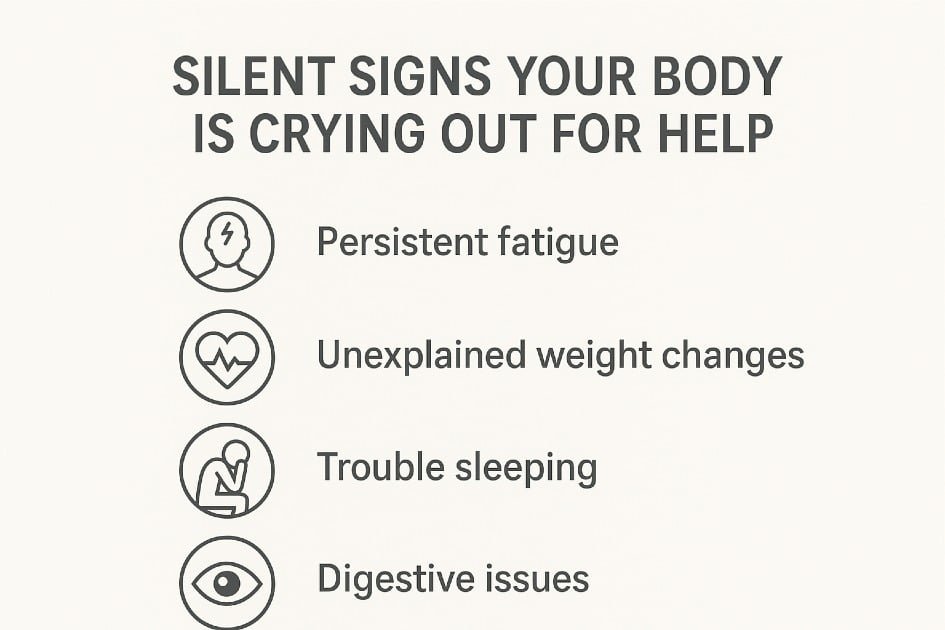

Have you ever wondered whether a small, nagging discomfort is a sign your body is quietly trying to warn you about something deeper?
Many people ignore early signs like low energy, changes in appetite, or restless sleep, but your body often gives quiet warnings before bigger problems appear. When you notice these gentle signals, you can act early, stay strong, and stop small issues from turning into serious health concerns.
Harvard Health highlights that persistent fatigue, unexplained weight changes, and difficulty concentrating are often overlooked signs of the body’s need for help.
Delving into hidden cues allows for early intervention in health conditions, fostering a proactive rather than reactive approach to wellness.
This guide emphasizes that each sign offers an opportunity for self-awareness and personal growth, leading to significant improvements in overall well-being.
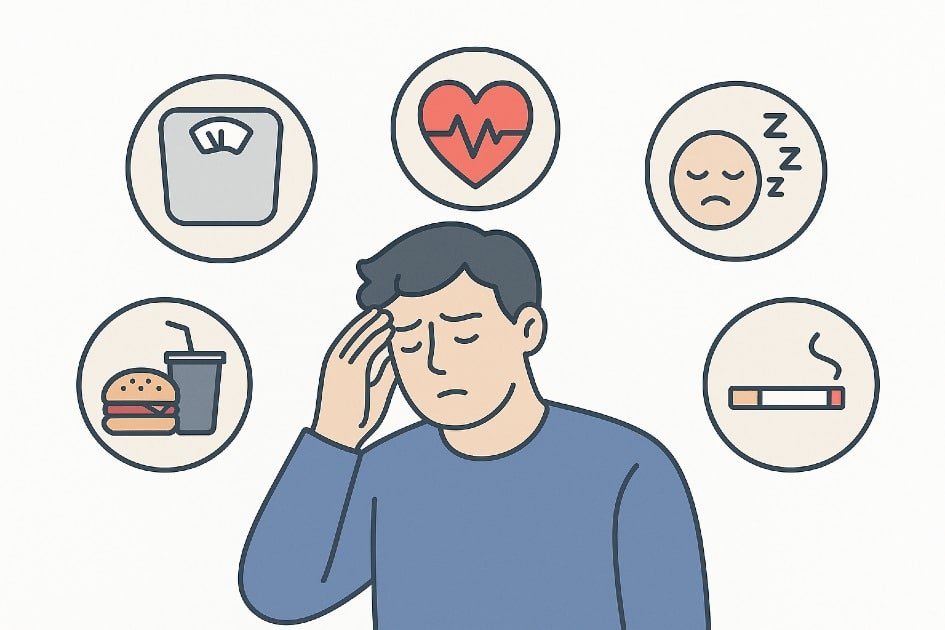
Why we miss the warning signs
Ignoring subtle body cues can lead to bigger health concerns, as they often go unnoticed. It is crucial to recognize and address these cues to prevent discomfort and potential health issues.
Everyday excuses that keep us numb
In a culture that glorifies pushing through, we often attribute back pain and fatigue to external factors, hindering our ability to recognize deeper issues.
Body journaling, a medical practice, encourages patients to document unusual symptoms and their frequency, revealing patterns that cannot be explained by excuses.
I kept feeling dizzy for weeks and thought I was just thirsty. When I started writing down when it happened, I saw it happened after I skipped meals. Sharing my notes with my doctor helped me find out it was my blood sugar causing something I never expected.
Modern lifestyles mask the subtle signals
Busy schedules and digital distractions often lead to minor imbalances, which our bodies adapt to until they become too loud to ignore, often causing more serious issues.
Implement micro-check-ins throughout the day, either through smartwatch reminders or wellness apps, to increase awareness and improve overall health.
When I began using a reminder app, I noticed my shoulders tense up by noon. That was my body telling me I was too stressed, so I started taking short breaks.
The cost of waiting until it is too obvious
Waiting for severe symptoms can lead to delayed diagnoses and harder recoveries, as even minor signs can significantly impact future health challenges.
Regular health screenings and seeking advice are essential for maintaining good health, like a car’s check engine light.
A friend ignored her sudden weight loss, thinking it was just part of getting older. Later, she found out it was a thyroid problem. Luckily, treatment was easy once she got help before it got worse.

Unexplained fatigue that does not go away
Persistent exhaustion may indicate deeper issues, not just a rough week or poor sleep. It is a warning that the body cannot ignore.
When tiredness becomes a red flag
Fatigue can be caused by several factors, including thyroid imbalances, anemia, or chronic inflammation, and may differ in severity depending on the individual’s condition.
Create a fatigue diary, monitor sleep, meals, stress, and energy levels, identify triggers, and consider energy supplements for natural vitality, but consult a doctor first.
Hidden health issues behind constant fatigue
The body can detect signs of energy deficiency, such as low-grade infections, hormonal fluctuations, or nutrient deficiencies, which can lead to fatigue and require immediate attention.
Schedule a comprehensive blood panel, including tests for iron, vitamin B12, thyroid function, and blood sugar levels, to identify potential invisible issues.
Harvard Health defines fatigue as physical, mental, and emotional exhaustion, influenced by factors like poor sleep, stress, and underlying medical conditions like anemia, heart disease, sleep disorders, depression, and thyroid issues.
Lifestyle habits that mask the problem
Poor diet, inconsistent sleep, and overcommitment can disguise tiredness as simple fatigue, with caffeine and sugar temporarily masking signs, leading to long-term depletion.
Optimize routine by prioritizing sleep hygiene, incorporating whole foods, and using an adaptogenic formula for stress resilience.
When fatigue signals something serious
Persistent exhaustion can indicate severe conditions like diabetes, heart disease, or autoimmune disorders, and ignoring these signs can escalate into alarming issues.
Consult a healthcare professional if fatigue persists for more than a few weeks for early intervention and gentle exercise for improved circulation, inflammation reduction, and energy levels.
Turning awareness into action
Recognizing fatigue as a sign of health issues allows for a more balanced approach to life, promoting self-care, documenting experiences, and making strategic changes.
Reducing processed foods, increasing hydration, managing stress, and considering natural supplements restore energy and prevent fatigue from taking over.
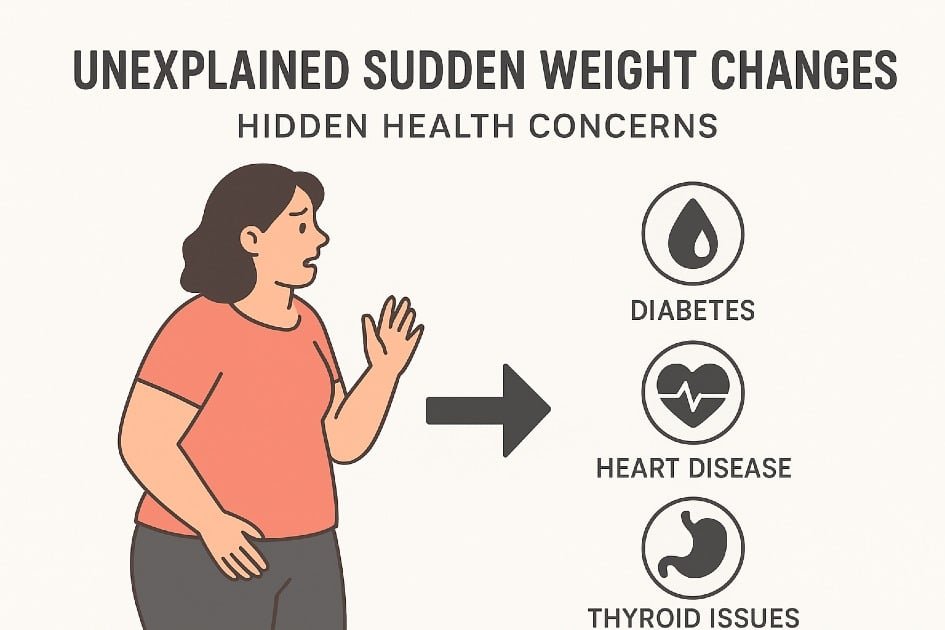
Sudden weight changes without effort
Sudden weight fluctuations can indicate deeper health issues but ignoring them can mask concerns or delay necessary solutions, making it crucial to address these changes.
Unintentional weight loss
Losing weight suddenly may indicate underlying issues like thyroid disorders, gastrointestinal conditions, or chronic infections, which can silently drain energy and mass.
- Keep a record of what you eat and the calories to make sure you do not miss anything.
- Book a full health checkup with your doctor.
- Take high-quality multivitamin to help cover any missing nutrients.
A friend of mine dropped fifteen pounds in two months without changing her habits. A laboratory test showed her thyroid was not working right. Catching it early helped her get back to normal before things got worse.
Unexpected weight gain
Gaining weight without altering lifestyle is significant due to hormonal imbalances, fluid retention, and certain medications, often misinterpreted as laziness or indulgence.
- Track your daily meals, drinks, and workouts in a journal.
- Talk to your doctor about evaluating your hormones, insulin, and cortisol.
- Walking or using gentle exercise equipment like elliptical machine helps your body burn energy and stay active.
I suddenly gained ten pounds in a month, even though I had not changed my diet. A doctor told me it was an early insulin resistance due to stress. I changed my eating habits and added light exercise, and the weight came off.
Spotting the hidden patterns
Weight changes that occur suddenly are not typically observed in isolation. Watch for other signs like:
- Persistent fatigue
- Mood fluctuations
- Digestive irregularities
Identifying patterns in your body’s symptoms is crucial for determining if they are temporary blips or urgent signs.
- Track your weight, sleep, and energy using apps or a journal.
- Use health-tracking devices to monitor your body accurately.
- See a registered dietitian or doctor if the changes keep happening.
When to seek immediate help
Weight changes can indicate serious conditions like diabetes, heart disease, or cancer, and sudden, unexplained changes should not be ignored.
- Get regular blood tests and scans on time to stay healthy.
- Track your weight regularly and share the trend with your doctor.
I noticed slight changes in my weight early. By listening to my body, I avoided bigger health problems and built a healthy routine that lasts.

Persistent digestive troubles
Identifying gut cues like bloating, heartburn, or sudden discomfort can indicate deeper health issues, allowing for early intervention for relief and lasting wellness.
Bloating and gas that will not quit
Persistent bloating after a meal can indicate digestive imbalance, food intolerance, or gut dysbiosis, indicating a subtle reaction to food.
- Write down what you eat to see which foods cause bloating.
- Try adding probiotics to your diet to help your gut stay healthy.
- Cut out fizzy drinks and sugary processed foods that help harmful bacteria grow.
I kept getting bloated and thought it was stressful. After keeping track of what I ate, I realized some dairy foods were causing it. Changing my diet made the bloating go away in just a few weeks.
Heartburn and acid reflux that interrupt your day
Frequent chest burning may indicate acid reflux, gastritis, or other digestive issues, potentially damaging the esophagus if untreated.
- Refrain from lying down right after eating.
- Eat fewer foods that are acidic, greasy, or spicy.
- Take natural digestive aids like ginger or DGL supplements.
For months, late-night heartburn kept me awake. Eating smaller dinners and taking a short walk afterward eased the pain and showed me how small habits can bring back digestive balance.
Sudden constipation or diarrhea
Changes in bowel habits indicate digestive system needs attention, with persistent constipation or diarrhea potentially indicating gut bacteria imbalances, dehydration, or underlying conditions like IBS.
- Drink water often and choose fiber-rich foods like veggies, beans, and whole grains.
- Take magnesium or natural fiber supplements to keep your bowels regular.
- Watch your stress levels—mental tension can quickly show up as stomach problems.
During a stressful time at work, I suddenly became constipated. I started adding flaxseed to my breakfast and practiced mindfulness. Soon, my digestion improved, and I felt better without needing medicine.
Cramping and stomach pain that lingers
Recurrent cramping may indicate a digestive tract issue, potentially due to food sensitivity, inflammation, or hidden infections.
- Find food that causes problems and try removing it from your diet.
- Rub your belly gently to help your digestion.
- Try heat packs or soothing teas like peppermint or chamomile to relax spasms.
I often had sudden stomach cramps that kept me in bed for hours. After seeing a nutritionist and cutting out gluten for a while, the cramps completely stopped.
When digestive troubles indicate something deeper
Digestive discomfort can indicate chronic conditions like ulcers, celiac disease, or gallbladder issues, and disregarding these warnings can worsen the problem.
- See a gastroenterologist for regular check-ups.
- Write down your symptoms each day to spot patterns and triggers.
I ignored mild bloating and nausea until I finally saw a doctor. Early digestive issue was discovered and prevented from getting worse. It showed me how important it is to pay attention to my body.

Changes in skin, hair, and nails
Skin, hair, and nails reflect internal health, with subtle changes often indicating deeper issues. Despite appearing minor, these signals warrant attention for potential health issues.
Skin changes
Skin changes, such as sudden rashes, dryness, or discoloration, can indicate health issues like nutrient deficiencies, hormonal shifts, or thyroid imbalance. Paying attention can help address minor issues.
Dryness, rash, or sudden breakouts
Skin changes like dryness, persistent rashes, or acne breakouts after years of flawless skin may indicate nutrient deficiencies, hormonal imbalances, or autoimmune conditions.
Achieve a nourishing skin regimen with gentle moisturizers containing ceramides and antioxidants, like Vitamin C serums, and maintain hydration by drinking 8 glasses of water daily.
Discoloration or uneven skin tone
Discoloration or dark spots suddenly appearing can indicate liver stress, sun damage, or circulatory issues, and while topical treatments help, addressing the root cause is crucial.
Harvard Health advises against solely relying on sunscreen, suggesting that the best approach is to minimize sun exposure whenever possible.
Consult a dermatologist and consider lifestyle tweaks such as reducing sugar intake and using broad-spectrum sunscreens to prevent further damage.
Hair changes
Hair loss can indicate nutritional deficiencies, hormonal imbalances, or thyroid issues. Paying attention to texture changes and seeking timely guidance can help restore balance before the problem deepens.
Excessive hair loss or thinning
Hair thinning or increased brush hair may indicate stress, hormonal changes, or nutrient deficiencies, as hair is sensitive to internal changes and reacts before other symptoms.
Increase iron intake, biotin, and omega-3 fatty acids, supplement with biotin gummies for hair strength, and manage stress through meditation or yoga.
Changes in hair texture or color
Sudden coarseness, fragility, or premature graying may indicate thyroid issues or oxidative stress.
Regularly check thyroid function through a blood test and incorporate antioxidants like vitamin E and selenium into your diet to prevent cellular damage.
Nail changes
Nails reveal health indicators like sudden ridges, discoloration, or brittle textures, indicating nutrient deficiencies, circulation issues, or hidden conditions. Consistent changes can catch underlying issues early.
Brittle, ridged, or discolored nails
Cracked, ridged, or color changes in nails can indicate anemia, vitamin deficiencies, or fungal infections, often as early signs of internal imbalance.
Maintain nail integrity by regularly moisturizing nails, using protective gloves, using a nail-strengthening formula, and consuming a zinc and protein-rich diet.
Slow healing or white spots
White spots or slow-growing nails, often dismissed as cosmetic issues, can indicate calcium or zinc deficiency.
Monitor nail growth and seek medical advice if irregularities persist, as mineral blend supplementation can expedite recovery.
I once brushed off dry elbows and slight hair thinning, thinking it was just age. A few months later, I found out it was a vitamin D deficiency.
A quick blood test, better food choices, and steady skincare made a significant difference. Do not ignore slight changes, your body is trying to tell you something.
Recap: Pay Attention Before It is Too Late
The body is a subtle communicator, indicating subtle signs that need attention. Ignoring these signals can lead to serious health challenges.
Paying attention to mood, appetite, and physical performance can help identify underlying issues. Adjusting routine, nutrition, or lifestyle can reverse early warnings and restore balance.
By recognizing early signs, embracing proactive care, and taking charge of your health, you can improve well-being, reduce medical complications, and enjoy life fully.
Frequently Asked Questions
How do I know when to see a doctor about these symptoms?
Identifying minor symptoms like energy changes, weight fluctuations, or new pains is crucial for medical evaluation.
Keep a symptom journal for physician tracking and invest in a home health monitoring kit for early warning signs.
Can stress alone cause many of these warning signs?
Chronic stress can cause digestive issues, sleep disruptions, and cognitive haze. It is important to recognize its persistent symptoms and use techniques like meditation and breathing exercises to manage stress.
What are the first small steps to take if I notice any of these issues?
Early intervention is crucial for long-term health benefits, focusing on foundational habits like restorative sleep, hydration, and nutrient intake, and using smart nutrition trackers to identify dietary gaps.
Are silent symptoms always serious, or can they be temporary?
Slight symptoms like fatigue or digestive discomfort may be lifestyle-related, but recurring or escalating patterns should prompt attention, as nature often signals better care.
How can I track my symptoms without overwhelming myself?
Utilize daily checklists or digital health apps to track changes in sleep, appetite, energy, mood, and pain, revealing potential health risks and providing actionable insights without stress.
Can lifestyle change reverse early warning signs?
Adequate sleep, nutrition, exercise, stress management, and preventive screenings can help mitigate imbalances, while lifestyle-enhancement programs can strengthen the body and prevent future health complications.
When should I seek immediate medical attention?
Urgent evaluation of sudden chest pain, shortness of breath, weight loss, or persistent pain is crucial for effective treatment and can be prevented by immediate contact with a healthcare provider.