
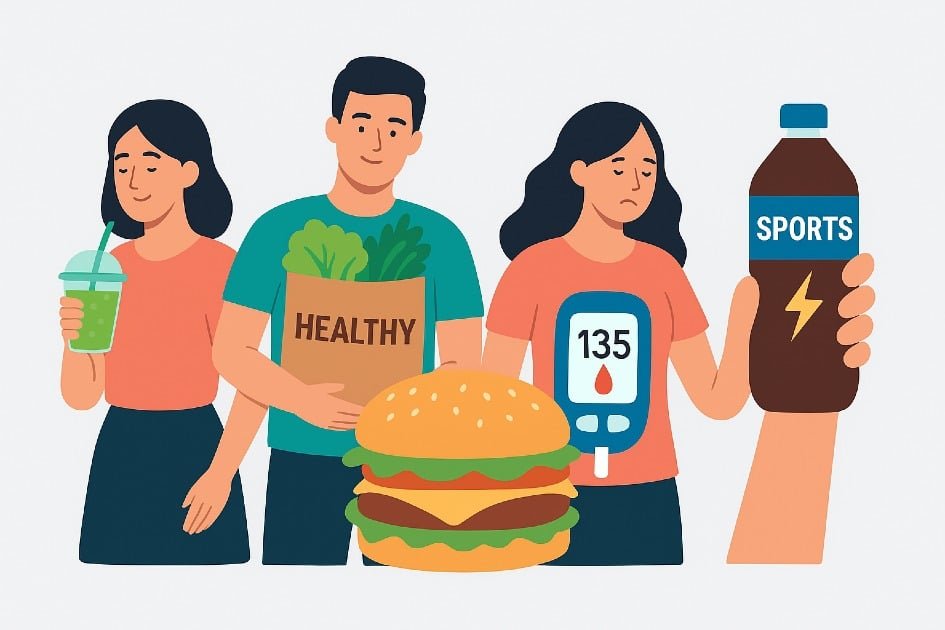

Have you ever wondered why certain routines that look healthy on the surface may work against your wellbeing?
Many people follow habits that look good or popular, but these habits can quietly drain energy, upset balance, and raise stress.
When you learn to spot these misleading patterns early, you can choose routines that truly support your mind, body, and long-term health.
Harvard Health advocates for sustainable living, which involves minimizing waste by rethinking, reusing, and repurposing natural resources.
It reveals how excessive gym effort, obsession with clean eating, and reliance on quick fix detoxes can hinder progress.
This guide advocates mindful choices, replacing misguided habits with supportive alternatives. It enhances energy, restores balance, and simplifies the wellness journey by fostering a more intuitive and empowering relationship with well-being.

Over-exercising is not always a badge of fitness
Over-exercising can sabotage the health you are striving to achieve, as the “fit habit” you think is heroic might be stressing your body in ways you never imagined.
When workouts cross the line
Over-exercising can lead to fatigue, irritability, insomnia, and recurring injuries, which are warning signs of a failing body.
Constant high-intensity training can undermine vitality and lead to exhausting marathons.
Highlighting the importance of balancing intensity and recovery signals:
- Schedule deliberate rest days and stick to them as a non-negotiable habit.
- Use heart rate variability or wearable fitness trackers to monitor stress on your body.
- Rotate high-intensity workouts with low-impact activities like yoga or swimming.
Listening to your body
Fitness enthusiasts often overtrain due to soreness and fatigue, ignoring body signals that can lead to chronic injuries or joint issues.
Treating the body as an ally can transform overtraining into a sustainable routine:
- Understand the difference between tired muscles and sore joints.
- Incorporate active recovery days with gentle stretching or brisk walking.
- Keep a fitness journal to track how workouts make you feel, not just what you accomplish.
The hidden toll on hormones and immunity
Over-exercising disrupts the endocrine system, increasing cortisol levels, reducing testosterone, and weakening the immune response, increasing susceptibility to colds, infections, and slower recovery times, as experienced by the author.
- Ensure adequate protein and micronutrient intake to support recovery—consider protein supplements if you struggle to meet daily needs.
- Prioritize sleep as part of your fitness habit; aim for 7–9 hours nightly.
- Cycle workouts with intensity and volume adjustments to prevent hormonal burnout.
Quality over quantity
A mindful exercise approach promotes long-term health and prevents burnout by focusing on consistency, form, and body listening rather than logging hours.
I shifted my routine from marathon sessions to focused, purpose-driven workouts, and the results were remarkable: higher energy, improved mood, and fewer injuries.
- Focus on compound exercises that give maximum benefit in minimal time.
- Add cross-training to keep workouts fresh and prevent strain.
Habit transformation
Breaking the over-exercising cycle requires strategic habit adjustment, starting with micro-habits like short, intentional workouts, proper hydration, and listening to recovery cues, which gradually improves health and fitness goals.
- Replace “extra gym hours” with restorative practices like meditation or gentle yoga.
- Reward yourself for recovery milestones, not just workout intensity.
- Surround yourself with a community or coach who emphasizes sustainable progress over extreme effort.
The approach to fitness emphasizes that intensity without mindfulness is counterproductive, while well-designed habits promote longevity, energy, and strength, and that human bodies thrive on balance.
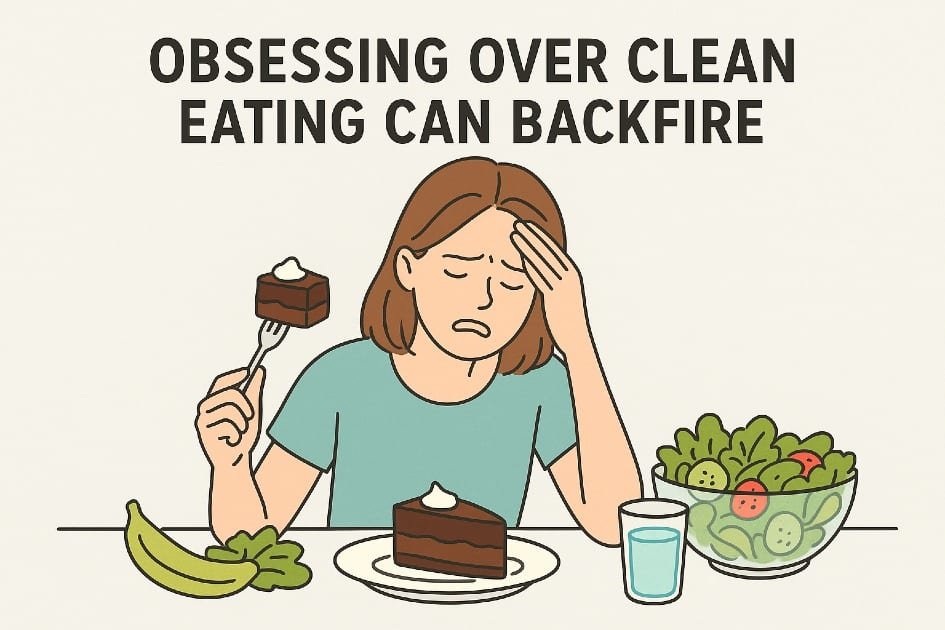
Obsessing over clean eating can backfire
Organic kale and processed foods may seem like ideal health habits, but their obsession can lead to stress, guilt, and nutritional imbalance, potentially causing stress and guilt.
When healthy eating becomes a source of anxiety
Obsessive food consumption can lead to stress, anxiety, and guilt, compromising overall well-being by causing unnecessary stress and avoiding social meals.
Transform a rigid habit into a sustainable lifestyle by adopting a flexible approach and allowing occasional indulgences without judgment.
I used to meticulously plan every meal and felt anxious if a meal did not meet my self-imposed standards. Once I allowed small treats, my relationship with food became calmer and more enjoyable.
When healthy eating turns harmful
Orthorexia is a serious condition where a strict diet disrupts daily life, leading to social isolation, anxiety, and nutritional deficiencies, affecting both mental and physical health due to its lack of official recognition.
To achieve balance in your meals, consider incorporating all food groups, focusing on nutrient-dense choices while allowing for variety and enjoyment.
Keep your clean eating habit in check
An 80/20 approach to meal planning means that most meals can be nutrient-rich without scrutinizing every bite.
Preparing meals is useful, but strict routines often feel stressful. Add flexibility to your routine to keep your lifestyle healthy.
Sharing meals without fear of judgment can foster a healthy mindset by encouraging community engagement and enjoyment of food.
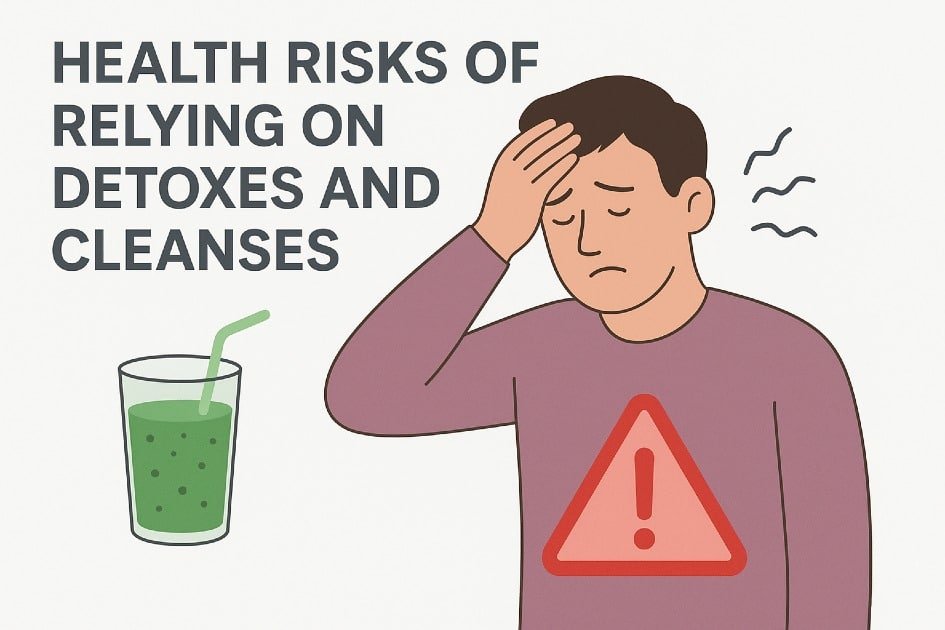
Relying on detoxes and cleanses
The use of detoxes and cleanses as a health habit can be harmful, as they may not effectively remove toxins and transform the body, as they may lead to unhealthy habits.
The detox illusion
Many detox products promise dramatic results like weight loss, glowing skin, and energy, but often overlook the body’s natural detoxification system, which filters and eliminates toxins without expensive treatments.
Relying on a detox as your habit for health often leads to:
- Nutrient deficiencies
- Electrolyte imbalances
- Temporary energy crashes
- Disappointment and frustration
Why your body does not need a reset
Misconceptions about body toxins include clogged drains, but organs designed for purification are efficient. Neglecting fundamental habits like balanced nutrition, hydration, and sleep sabotage the system detox.
Instead of investing in a trendy cleanse, focus on sustainable routines:
- Drinking sufficient water throughout the day
- Incorporating colorful fruits and vegetables rich in antioxidants
- Maintaining a consistent sleep schedule
Safe alternatives that actually work
To achieve rejuvenation, consider habit-forming alternatives that outperform juice or herbal detoxes:
- Morning Hydration Ritual – Start your day with a glass of water with lemon to promote digestion and hydration, which naturally supports liver function.
- Fiber-Rich Meals – Whole grains, legumes, and leafy greens are essential for maintaining a healthy digestive tract and efficient waste elimination.
- Movement Breaks – Gentle stretching, walking, or yoga can enhance circulation and aid in the body’s natural cleansing processes.
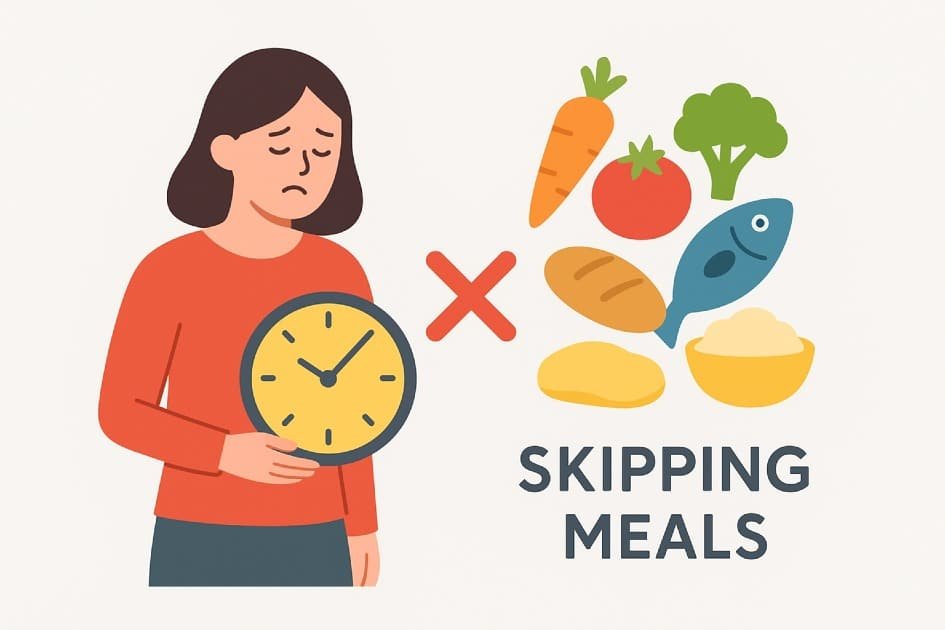
Skipping meals for good health
Skipping breakfast or lunch can harm your body, slow down metabolism, destabilize energy, and impact mood and cognitive performance, despite the disciplined approach to eating.
How this habit affects mental performance
Meal-skipping not only drains physical energy but also dulls cognitive clarity, as prolonged periods without food impair focus, memory, and decision-making.
- Keep nutrient-dense snacks at hand, such as nuts or protein bars, to stabilize blood sugar.
- Add protein and complex carbs to your meals for slow, steady fuel.
- Pair meals with hydration—dehydration can amplify mental fatigue.
During my early career, I skipped lunch to stay productive, leading to decreased concentration and increased minor errors.
The cycle of overeating
Skipping meals can lead to overeating, as the body reacts to missed calories, causing intense hunger and guilt later.
I once skipped lunch regularly, believing it would save calories, but ended up overindulging at dinner. This was how I prevented overeating:
- Break the cycle by eating balanced mini-meals every 3–4 hours.
- Include whole foods like fruits and vegetables for fiber, which prolongs satiety.
- Focus on mindful eating, slowing down and listening to your body’s cues rather than rushing through meals.
Transforming skipping meals into a positive habit
Skipping meals can be transformed into a healthier habit by shifting from a restrictive mindset to one of nourishment, promoting sustainable energy and better health.
- Begin with one consistent meal daily that you never skip, preferably breakfast.
- Add meals one at a time and notice your body’s hunger cues.
- Track energy levels, mood, and focus—over time, you will notice improvement, reinforcing this new healthy habit.
Skipping meals can be counterproductive if not implemented thoughtfully. Recognizing pitfalls and implementing practical solutions can replace this habit with a long-term fueling habit.
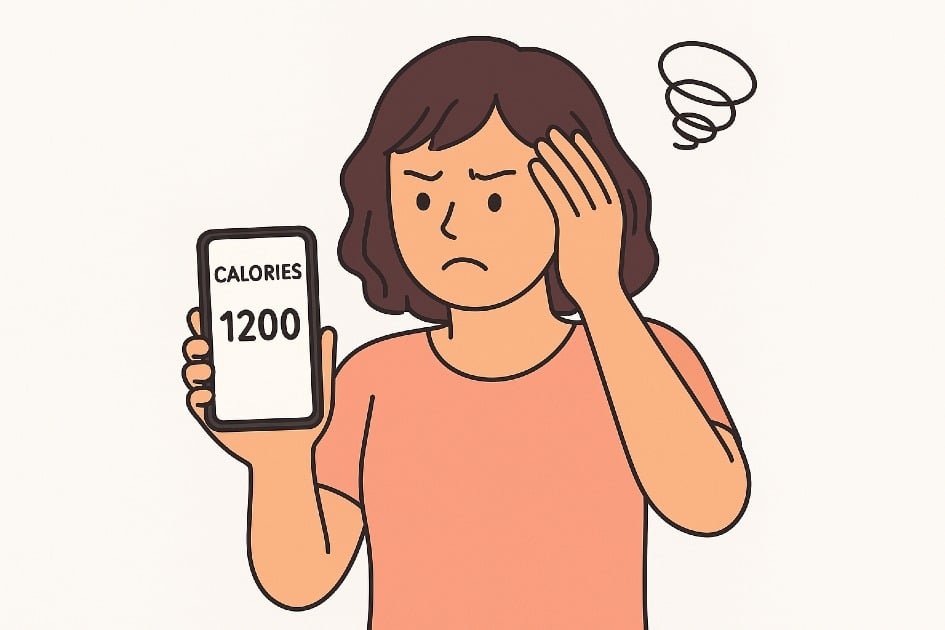
Counting every calorie can be misleading
Many people believe that logging into every meal and calorie count is crucial for fitness, but this habit can lead to stress, frustration, and unhealthy behaviors.
Why obsessive calorie counting backfires
Calorie counting may seem efficient, but it overlooks the larger picture: the body responds to the quality, timing, and variety of nutrients. Over-focusing on calories can make you:
- Neglect essential nutrients like fiber, vitamins, and minerals
- Develop anxiety around food choices
- Feel guilty for indulging in simple pleasures
A clients who adopt to calorie obsession may intensify craving processed snacks or “cheat foods,” which can undermine their health rather than empowering it.
Nutrient quality over quantity
A 200-calorie cookie may meet your daily calorie requirement, but it lacks nutrient. Consuming two hundred calories of fresh fruits, whole grains, and lean proteins supports long-term wellness, strengthening energy, digestion, and mental clarity.
- Prioritize nutrient-dense meals like colorful vegetables, wholesome grains, and quality proteins.
- Use a food journal not to count calories, but to track variety and satisfaction.
- Use a food planner to help you choose meals without stressing over calories.
Understanding body signals
Calorie counting ignores body’s natural hunger and satiety signals, leading to overeating or feeling deprived.
A client who logged every meal still experienced constant fatigue. When we shifted focus from calorie tracking to listening to hunger cues and meal satisfaction, she regained energy and shed weight naturally.
- Eat slowly, savor each bite, and honor hunger cues.
- Make it a habit to pause mid-meal and assess fullness before reaching for more.
The mental toll of numbers
Calorie counting can negatively impact mental wellbeing, leading to obsessive habits that turn meals into stressful events, sleep issues, hormone imbalance, and binge-eating tendencies.
- Establish “no tracking” meals a few times per week to break the cycle.
- Focus on creating a balanced plate rather than hitting an exact number.
- Develop a habit of gratitude for the food you eat, which reduces anxiety and fosters healthy routines.
Recap: Redefining What True Health Means
Real wellness is not about chasing trends or obsessing over perfection; it is about balance, awareness, and consistency.
A sustainable habit should enhance energy, sharpen focus, and add joy to life. Health is not a single habit, but a collection of choices you repeat daily.
Measure progress as alignment, and if it makes you feel stronger, calmer, or more present, you are moving in the right direction.
Health is a habit that nourishes instead of restricting, restores instead of depleting, and empowers instead of diminishing. It is a kind of habit worth keeping that honor your body, mind, and spirit.
Frequently Asked Questions
Can exercising too much be harmful even if I feel fine?
Overexercising can strain the heart, joints, and immune system, leading to fatigue, colds, and injuries.
To prevent this, a balanced approach involves alternating intense workouts with lighter activities like yoga or walking, and using tools like recovery trackers for monitoring rest needs.
Is skipping meals ever healthy?
Occasional fasting may be effective, but it can disrupt energy levels and cause cravings, leading to overeating.
A balanced diet with evenly distributed nutrients is more sustainable. Whole food protein powder smoothies can be a convenient solution.
Do you need detoxes or cleanses to stay healthy?
The liver, kidneys, and skin effectively filter toxins, while detox teas and juice cleanses often deplete essential fiber and protein.
A balanced diet rich in antioxidants, leafy greens, and hydration is recommended, supplemented with green superfood blends.
How can I know if my eating habits are balanced?
To maintain a balanced diet, consider including proteins, complex carbohydrates, healthy fats, and colorful produce in your meals.
Avoid relying too heavily on one food group, and use tools like food journals or nutrition tracking tool. to identify gaps in your eating pattern.
How can you check your overall health without focusing on weight?
The scale only provides a glimpse into wellness, which encompasses energy levels, sleep quality, mood, strength, and digestion.
A balanced lifestyle, paired with regular movement, can enhance vitality and promote overall health, highlighting the importance of a balanced diet.
How does stress affect my physical health?
Chronic stress negatively impacts health by causing elevated cortisol levels, disrupting sleep, weakening the immune system, and triggering cravings for sugary and processed foods.
Mind-body practices like meditation and adaptogenic teas can help restore balance.
Can supplements replace real food?
Supplements fill nutritional gaps but cannot replicate whole foods’ synergy. A balanced diet with vegetables, fruits, proteins, and grains is recommended, with multivitamins serving as backup.
How do I stop comparing myself to social media standards?
On social media, people show the best parts of sustainable living, not the full reality. Instead of comparison, focus on inspiration and build a balanced diet and lifestyle that honors your unique body, schedule, and goals.
What slight changes can improve both mental and physical wellbeing?
Minimal changes like increased water intake, outdoor exposure, and vegetable consumption can improve health.
A balanced diet with mindful eating habits, regular exercise, and adequate rest creates a vitality cycle. Meal planning kits can help maintain consistency.