
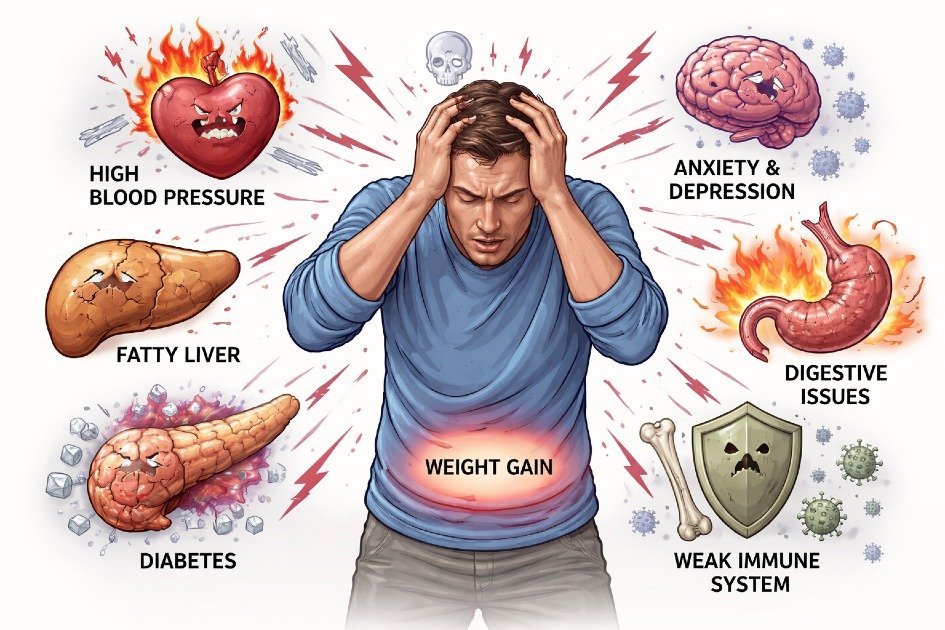

Are you aware that the very stress you have been trying to avoid could hold hidden lessons for your mind and body?
Stress influences mental and emotional well-being, affecting decision-making, increasing anxiety, and impairing clarity.
According to Harvard Health, stress results in high blood pressure, increased risks of anxiety and depression, and greater susceptibility to stress-related illnesses due to continuous activation of the body’s stress response.
Effective stress management techniques such as mindfulness, meditation, and adaptive breathing can restore mental balance and emotional stability.
Small lifestyle changes, including exercise, nutritious diets, and relaxation practices, also mitigate stress’s negative effects and improve overall vitality.
Adopting daily stress management habits sharpens focus and promotes healthier interactions, while knowing when to seek professional help prevents stress from becoming overwhelming.
This guide approaches with knowledge and strategies how stress can transform from a threat into a source of strength, fostering resilience and a healthier life.
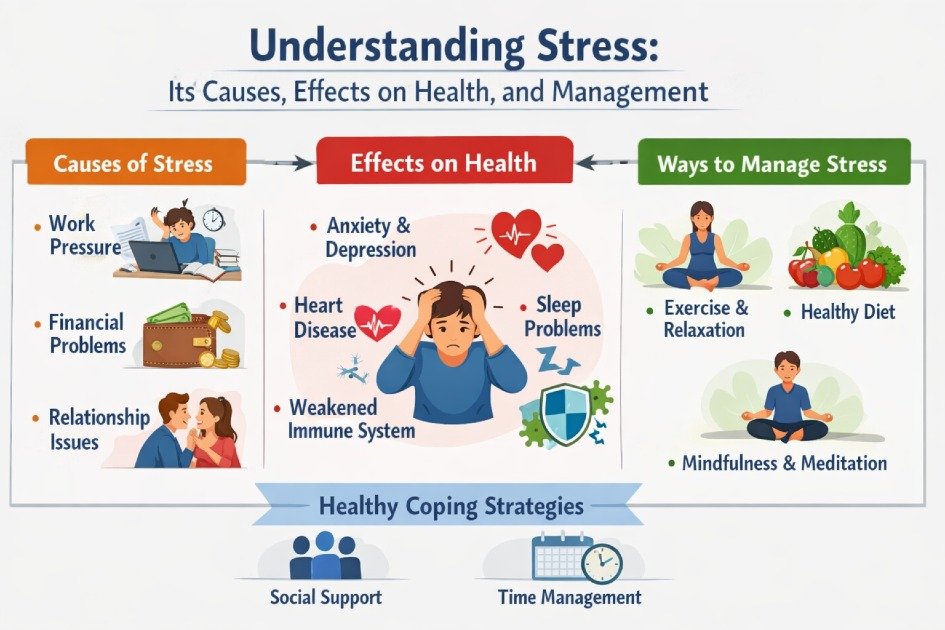
Understanding stress and its impact
Stress is often an unseen force that affects energy levels and relationships, making it essential to understand to regain control over one’s life.
How does stress hide in your daily routine?
Stress builds up from big life changes and everyday annoyances like constant alerts or looming deadlines. Over time, these small pressures can make you tired, cranky, and give you headaches.
Notice what situations upset you and how your body reacts. Look for patterns to act early such as deep breathing, short walks, or mindful pauses to calm yourself and stay in control.
I used to dread Monday mornings, feeling weighed down by little worries I did not notice it was piling up. When I started jotting down my daily challenges and took natural supplements to support calm, my energy stayed steady, and I managed tasks without that tight, anxious feeling.
Can stress show on your body and mind?
Stress shows up in the body as a racing heart, stiff shoulders, stomach problems, and constant tiredness. It also clouds thinking, makes choices harder, and can ruin sleep. Ignoring these signals can hurt your health over time.
Check your body often for any early noticeable changes. Gentle stretches, yoga, or meditation relax your muscles and mind. Sleeping well and eating nutritious foods strengthen your body and keep you healthy.
I used to brush off my tension headaches, thinking they were just part of life. When I started daily guided meditation and gentle stretching, the pain eased, and my mind felt clearer. I noticed a calm focus I had not felt before, and my body finally felt coordinated with my mind.
How does stress hurt your body and mind?
Some people put off managing stress, and it slowly drains their energy. Over time, this can lead to burnout, worry, and long-term health problems. When stress stays unchecked, it hurts work performance, strains relationships, and reduces daily joy, lowering overall quality of life.
Build calm habits into your day with just 15 minutes of slow breathing, writing your thoughts, or walking outside can lift your mood and clear your mind. When you pair these mental habits with body care like gentle massage or simple relaxation, your ability to stay balanced grows stronger.
I learned the hard way that pushing my worries aside was hurting my focus and daily output. When I started using aromatherapy kits and set gentle reminders to pause and breathe, everything felt lighter.
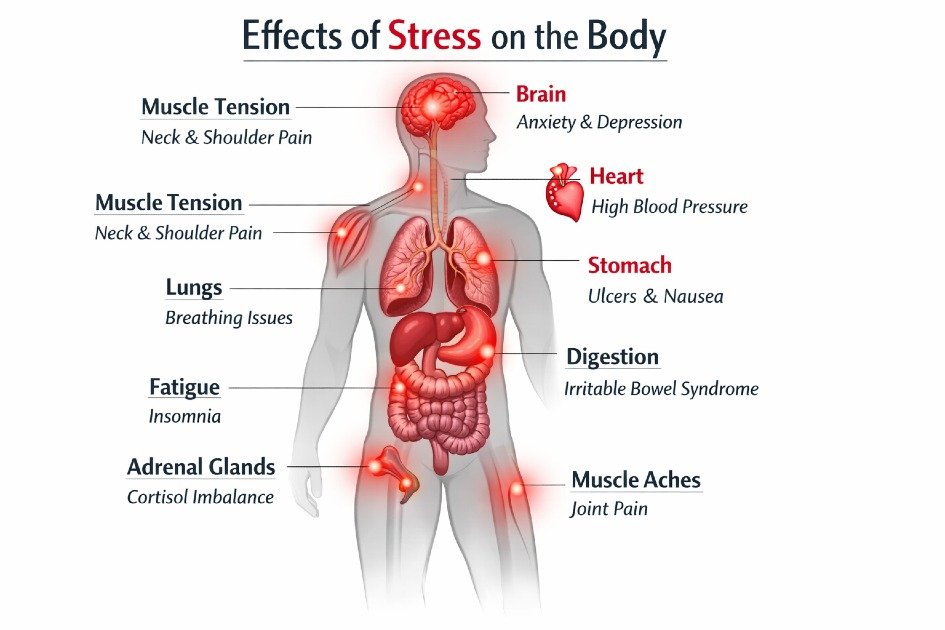
How does stress affect your body physically?
Stress can quietly wear down your health. Many people miss the warning signs until real damage begins.
Can stress damage your heart and circulation?
Long-term stress pushes your body to release hormones that make your heartbeat faster and raise blood pressure. Signs like chest pressure or a fluttering heart can be your body’s warning that stress is affecting your heart health.
Regular heart-healthy movements like walking, swimming, or biking protect the heart from daily pressure. Calm breathing and simple meditation lower cortisol in the body. Checking blood pressure at home helps catch changes early and lowers the risk of serious heart problems.
I saw my blood pressure rise during demanding workdays. I chose to walk for 20 minutes each day, had some breathing exercises, and added a heart-healthy supplement that supported cardiovascular function. It boosted my energy and helped me feel stronger and more balanced overall.
How does stress influence your immune system?
Ongoing stress can weaken your immune system by reducing how well white blood cells fight germs. Frequent colds or cuts that heal slowly can be signs that stress is lowering your immunity.
Keeping your body in balance supports strong immunity. Get enough sleep each night, eat foods that calm inflammation, and choose vitamins or herbs that help your immune system. Stay active with gentle, regular movement to improve blood flow and help immune cells move where they are needed.
I kept getting sick from small bugs at work. I decided to slow down at night and care for my body with calming herbal supplements and nourishing meals then, I felt my energy come back.
When does stress start affecting your body?
Your body often reacts first when pressure builds, even if your thoughts feel calm. You may feel tight muscles, low energy, stomach discomfort, or frequent headaches. When ignored, these signs can grow into long-term pain or health problems.
Gentle daily habits like yoga, muscle release exercises, and focused stretching loosen tight areas and keep the body flexible. Writing daily notes about pressure moments helps you spot patterns early.
I used to wake up with tight shoulders and dull headaches after long days. I added better chair support and spent ten minutes stretching each morning. Simple breathing habits helped me stay calm, and my days became easier to handle.
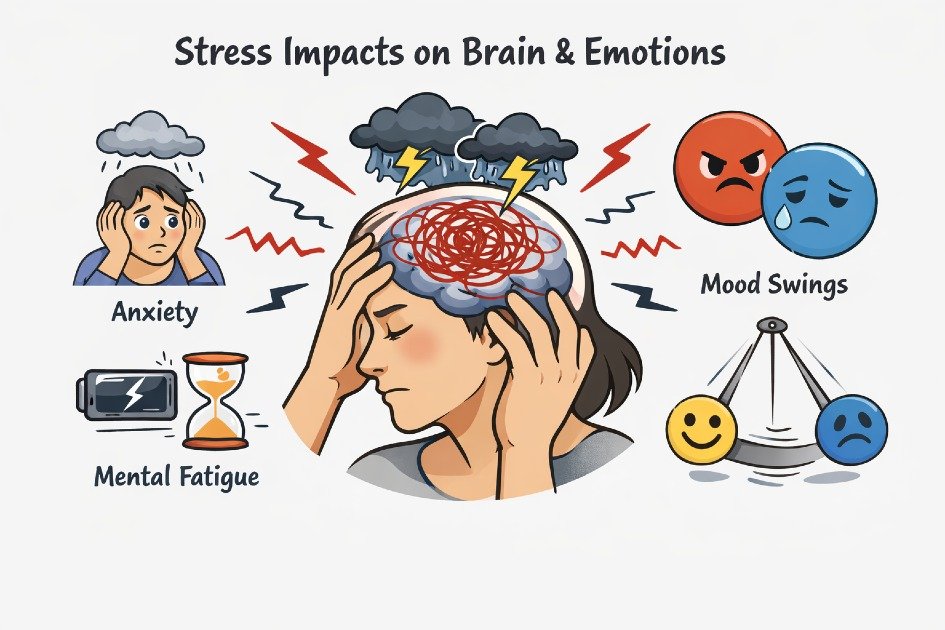
Why stress makes emotions harder to control?
Stress affects both the body and the mind changing how we think, feel, and react each day. While people often notice physical signs first, the mental effects can be just as powerful and easier to miss.
How does stress cloud your decisions?
Long-term stress increases cortisol in the brain, resulting in slow thinking or activities. This mental fog often increases anxiety and frustration while lowering focus and daily productivity.
Using Pause to calm breathing and meditation to clear busy thoughts and sharpen attention. These habits keep the brain fresh, improve daily focus, and support steady productivity without feeling overwhelmed.
I noticed my thoughts felt messy and my choices were off. I started using a guided meditation and writing a few lines each day. That small habit cleared my mind, boosted my focus, and helped me feel mentally refreshed.
How does stress make anxiety worse?
Stress makes feelings stronger than they should be. Over time, daily pressure can cause ongoing anxiety or low mood. Emotions may spill out as anger, sudden tears, or constant worry, making it harder to connect well with others at home and at work.
Caring for your emotions starts with simple daily habits such as mindfulness meditation, journaling your thoughts, and calm breathing. Moving your body through regular aerobic exercise lowers cortisol and boosts brain chemicals like serotonin and dopamine, supporting a steadier, more positive mood.
During a demanding time at work, my emotions shift often and my worries grow. I began taking brisk morning walks and writing my thoughts in a journal, which helped me feel calmer and more in control. At night, I slept with a weighted blanket, and my rest improved.
Can stress keep you awake at night?
Poor sleep and daily pressure reinforce one another. When cortisol stays high, the brain struggles to fall asleep, dreams shorten, and mornings feel cloudy. Over time, shallow rest weakens memory, focus, and emotional balance.
Create a calm sleep space and slow the mind down by lowering the lights, putting screens away, soft background sounds, and keeping the same bedtime habits each night. Skipping caffeine and sugary snacks in the evening allows the body to rest deeper and wake up refreshed.
I could not sleep well for weeks while managing a tough project. I started a simple nightly routine with herbal tea and a white noise machine. My sleep got deeper, I woke up refreshed, and my mind felt sharper.
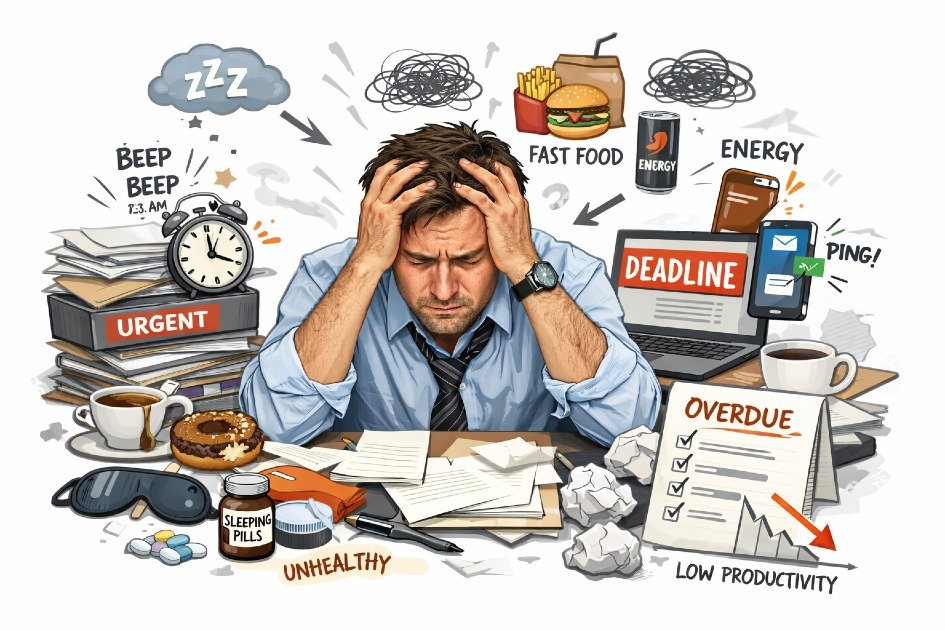
Can stress disrupt focus and daily routines?
Stress can quietly sneak into daily life, turning even focused people into ones who feel swamped by small tasks. Seeing how stress affects habits and work helps you take back control and stay productive.
Can stress control your decisions?
Worry piles up in the mind, making small choices feel huge and hard to manage. This slows work, causes more mistakes, and lowers focus, leaving productivity behind.
Break your work into tiny tasks and take short mindful pauses to stay sharp. Spend just five minutes journaling in the morning to clear your mind and set your day’s priorities.
My workflow got smoother using focus planner. Each page helped me sort tasks and spot what slows me down. Seeing my priorities clearly made big projects feel doable.
Can stress triggers toxic habits?
Constant pressure can make us overeat, drink too much coffee, or scroll endlessly online. These quick fixes feel good at first but leave us tired, distracted, and less productive.
Swap habits that do not serve you with healthier choices. Pick nutrient-rich snacks, take breaks from screens, and notice what prompts certain actions to boost your daily well-being.
During a high-pressure project, I kept snacking on whatever was nearby while emails kept stacking. Choosing protein-packed energy bars gave me steady energy and kept me focused.
Does stress silently erode your work-life balance?
Life can feel nonstop, with work spilling into evenings and weekends. Late emails and unfinished tasks pile up, bringing down energy and leaving motivation low.
Keep work and personal time separate by using a time management app to remind you to take breaks, move your body, and enjoy free moments. Protecting your mental space helps you stay consistent with healthy habits.
I used to blur work and personal time until I added the time management app to my routine. Blocking out breaks and fun moments gave my day structure. My focus improved, and I felt calmer while getting more done.

How can ongoing stress raise health risks?
Chronic stress quietly wears down your health. Spotting its hidden dangers early helps you restore energy and stay strong.
Can ongoing stress speed up aging?
Chronic tension raises cortisol in the body, upsetting hormones and speeding up cell aging. This can cause thinning hair, early wrinkles, and constant tiredness, often mistaken for normal aging.
Regular aerobic exercise, mindful meditation, and good sleep strengthen your cells and slow aging. Adaptogenic herbs like ashwagandha and rhodiola help keep hormones balanced. A simple 15-minute walk outside can refresh your body and protect it from damage.
I started a simple morning routine with meditation and adaptogenic tea and noticed my energy and skin getting better. Taking Ashwagandha Capsules and following a guided meditation helped me feel calmer and more balanced each day.
Can ongoing stress damage your heart health?
Tension harms the heart by boosting cortisol and adrenaline, which increases blood pressure, inflame arteries, and raise cholesterol. Over time, this can quietly increase the chances of heart attack, stroke, and long-term heart disease.
Protect your heart by choosing simple daily habits. Eat foods rich in omega-3s, practice calm breathing, stay active with regular cardio, and use journaling or mindfulness to ease emotions, reduce inflammation, and support strong heart health.
I began tracking my heart with a wearable fitness tracker and noticed my resting rate jumped during tense work meetings. I added slow breathing each day and took an omega-3 supplement.
Can hidden stress weakening your immune defense?
When pressure builds over time, it quietly weakens the body’s natural defenses. Problems may stay hidden at first, then show up as frequent colds, slow healing, or immune-related illnesses.
Build a stronger immune system by caring for your body every day. Rest your body, choose balanced meals, and add vitamin C, zinc, and probiotics to stay strong.
During a demanding work phase, I noticed I was catching colds more often than usual. I decided to follow a steady routine with probiotic supplements and calming habits each night.
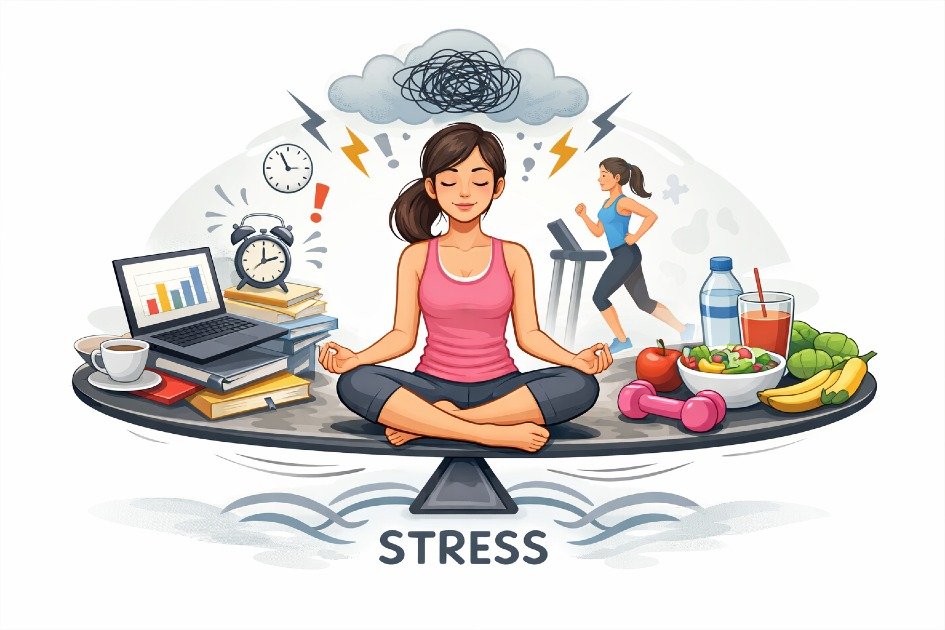
Can daily choices raise or lower your stress?
Stress often grows from the small choices we make each day, like what we eat and how we plan our time. When we understand this link, we gain the power to build calm, clear thinking, and inner strength.
Can what you eat increase or decrease stress?
What you eat shapes how your body and mind feel each day. Ultra-processed meals, too much caffeine, and sugary snacks throw blood sugar off balance and disrupt hormones. Over time, this leads to low energy, mood swings, poor focus, and a constant feeling of being worn down.
Eating nourishing foods helps keep blood sugar steady and supports the nervous system for a calmer body. Foods rich in magnesium, B vitamins, and omega-3s like leafy greens, nuts, seeds, and fatty fish help the brain work better, and choosing whole foods over refined snacks can bring noticeable improvements within weeks.
I began eating with more awareness and added colorful berries and omega-3 supplements to my day. Within weeks, my body felt steadier and my mind clearer.
Does physical activity ease stress or only burn fat?
Regular exercise boosts mental wellness as much as it shapes the body. Sitting too long can tighten muscles, lower hormones, and make the mind feel stuck, leading to headaches, trouble sleeping, or anxiety.
Regular physical activity that fits your lifestyle, like walking, yoga, or light cardio, lifts your mood, improves sleep, and lowers cortisol. Moving daily, even for 20 minutes, helps your body and mind feel balanced.
I started doing early morning yoga and using resistance bands every day. After a few weeks, I felt calmer, slept better, managed to work more patiently, and stood taller. My body felt loose and lighter.
Can mindfulness habits change stress level?
Chronic tension often comes from a busy mind, full of racing thoughts and endless planning. This constant mental load can cloud judgment, unsettle emotions, and wear down the body. Ignoring it only makes the burden heavier over time.
Daily mindfulness habits like meditating, taking deep breaths, or writing in a journal can calm your body and reset how it reacts. Spending just 10 minutes a day can boost calmness and help you manage challenges with ease.
I started doing a 10-minute morning meditation with guided audio. Emails and deadlines felt lighter, my thoughts were sharper, and I managed problems calmly. Each day showed me that a small mindful habit can change how I experience challenges.

Can relationships affect stress
Stress spreads quietly, touching both you and those around you, and can spark a chain of worry. Seeing this effect helps you stop the cycle and protect your well-being.
How your stress shape how others act around you
Irritability, impatience, or pulling away from others often go unnoticed. These behaviors, along with subtle body language, can make people around you tense, creating a cycle that raises overall pressure.
Pause for a moment to inhale slowly and loosen your body with gentle movement. Try slow belly breathing or quick guided meditations to calm your mind and lift your mood.
I saw that on tough workdays, my family felt tight and quiet at dinner. I started doing a short guided meditation each evening and I felt calmer, and so did everyone at home. Focusing on my own calm helped the whole house feel lighter.
Why do kids pick up stress you try to hide?
Children notice their caregiver’s mood through voice, body language, and daily routines, even if nothing is said. When this lasts over time, it can quietly affect how they sleep, act, and manage emotions.
Taking short breaks for reading, walks, or play helps children relax and shift their attention from tension. Practicing mindfulness together shows them how to understand and manage feelings in a healthy way.
My nephew started getting cranky when I visited, and I realized my work tension was affecting him. We began doing short mindfulness exercises together, and soon he was calmer and laughing again. I saw how my own calm could spread and make our time happier together.
How do adult relationships mitigate stress?
Partners often mirror each other’s tension, especially when life feels intense. Unresolved fights, money problems, or poor communication can turn small annoyances into bigger emotional struggles which can weaken closeness and create lasting friction in the relationship.
Check in with each other regularly to share what is bothering you without judgment. Try writing your thoughts, listening with care, and doing calming activities together. Give each other space and respect time to unwind.
My partner and I were overwhelmed during a busy project. We joined workshops that taught us to talk better and relax together. I noticed that we felt calmer, listened more, and our bond grew stronger because we faced challenges as a team.
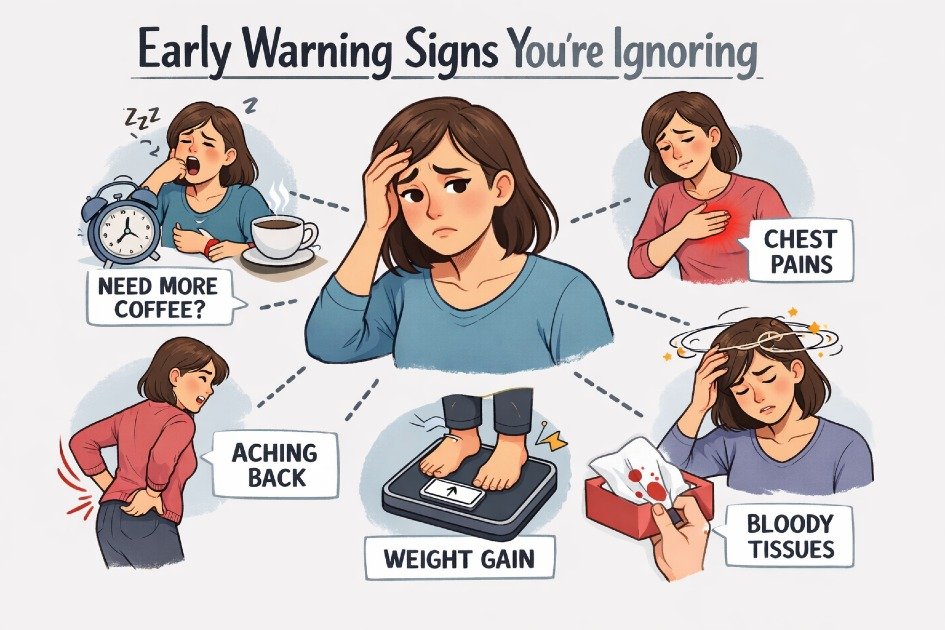
Early warning signs you might be ignoring
Stress shows up as tiredness, grumpiness, or just feeling off. Ignoring these signs can harm your body and mind, therefore, spotting them early helps protect your health and grow stronger.
Why do small stress signals often go unnoticed?
Headaches, irritability, and low energy often get brushed off as part of a busy life. Ignoring them can make the problem grow and harder to figure out.
Check in with yourself every day by noting your mood, energy, and how your body feels. Spend five minutes in the morning or evening writing in a journal or using an app to spot patterns and hidden triggers.
I used to brush off small headaches and sleepless nights for months. When I started keeping a daily journal, I saw how my busy workdays drained me. Writing it down made me notice patterns and take breaks before feeling completely worn out.
Are your body and mind sending hidden stress clues?
Tension can show up as stiff muscles, stomach troubles, or sudden mood swings, often mistaken for separate health problems. Paying attention to these signs helps prevent long-term illness and burnout.
Notice how your body and mind feel each day by stretching, taking deep breaths, and going on short walks. Practicing meditation or guided visualization helps you recognize emotions before they build up.
I kept feeling tightness in my jaw and constant stomach aches without realizing my mind was affecting my body. When I added short guided meditations to my day, I noticed my body relaxing and my focus sharpening.
Could daily choices be adding stress to your life?
Daily pressures from too much screen time, poor sleep, and taking on too much can quietly build up, turning small tensions into lasting strain that lowers focus and well-being.
Check your daily habits and spot routines that add tension. Swap them for calming choices like silencing notifications, keeping regular sleep hours, and sharing tasks with others to feel lighter each day.
For months I stayed up late checking emails, thinking juggling everything made me productive. Adding a comfortable workspace and using a daily planner changed everything. I felt sharper, lighter, and full of energy.
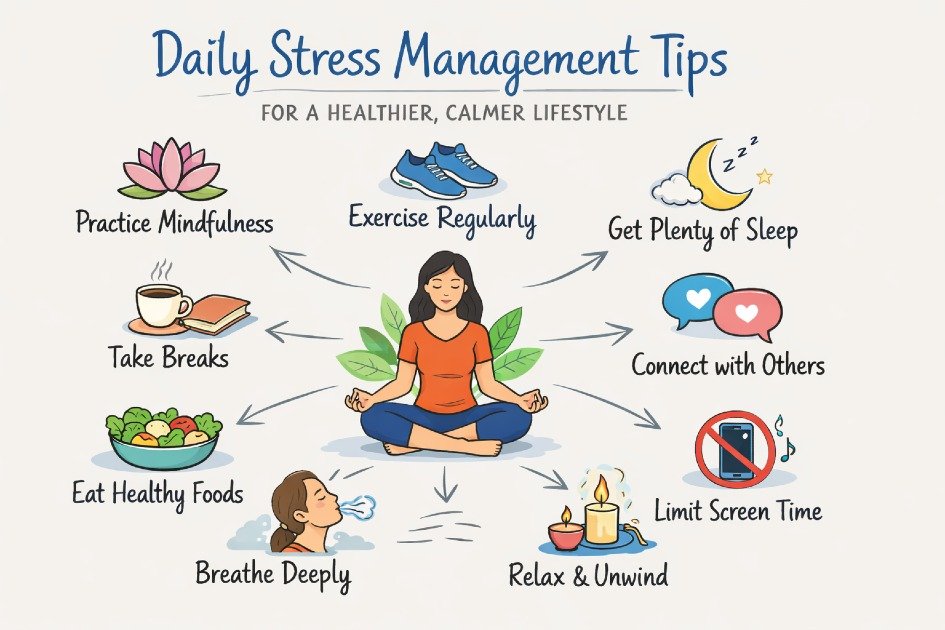
How can daily habits calm your mind fast?
Stress can affect your focus and health, but simple daily habits can keep it in check. You do not need to remove all pressure, just learn to respond wisely.
Which daily habits can feel less stressful?
Skipping meals, not drinking enough water, and too much screen time can quietly boost cortisol and fog your mind over time.
Start your day with small habits like stretching, deep breathing, drinking water, and taking two short 5-minute screen breaks to calm your nervous system and boost your energy.
I started doing a 10-minute meditation while sipping my morning coffee and noticed my focus sharpened. Guided meditation sessions kept me on track, even on busy days. After a few mornings, my mind felt clearer, and small challenges did not bother me as much.
How mindfulness and meditation lessen your stress?
Worries can take over your mind, making you replay “what-ifs” repeatedly. This cycle tires your emotions and keeps you reacting instead of taking control.
Mindfulness trains you to stay aware of the present and ease tension in your body. Spending 10 to 15 minutes a day can calm your nervous system. Practices like deep belly breathing, gentle muscle relaxation, and guided visualization tell you your body is safe and supported.
I began evening mindfulness on my meditation cushion. Sitting still was hard at first, but soon my shoulders loosened and my mind felt calmer. Nights became peaceful, and I started sleeping much better.
How can exercise quickly lower daily stress?
A sedentary lifestyle tightens muscles, lowers oxygen in the body, and reduces endorphin production, making the mind and body tense. Moving regularly keeps the body relaxed and the mind clear, making daily life easier.
Move in ways you enjoy, like dancing, walking, or yoga, to boost mood and ease tension. Make it a daily habit so your body learns to count on it.
I found that rolling out my morning yoga mat for stretches and taking a quick jog around the neighborhood changed my days. Tension from early emails faded fast, my posture got better, and I tackled problems with calm focus instead of frustration.

How do you know stress needs a doctor?
Stress affects everyone differently and can harm your body, mind, and emotions if left unchecked. Seeking professional support can make a difference and help you regain balance.
Is stress interfering with your daily functioning?
Worry and tension can make simple tasks like paying bills or staying in touch with friends feel hard. They drain focus, memory, and energy, leaving you tired and making everyday life harder.
Keep track of daily signs like irritability, headaches, or trouble sleeping. If these patterns start affecting your work, relationships, or self-care, it may be time to seek professional support.
I went through nights where my mind would just not stop racing. Talking with a licensed therapist taught me simple habits like taking short mindfulness pauses and writing in a journal. Guided meditation became my safe space to calm my thoughts.
Could your body be sending hidden signals?
Tension in daily life can show up in the body as a fast heartbeat, tight muscles, upset stomach, or constant tiredness. Ignoring these signs can quietly harm long-term health, yet many people blame them on getting older or being busy.
Talk with a doctor to find out if your symptoms come from your body or another health issue. Use calming exercises like deep breathing or gentle muscle relaxation to support your care plan.
I spent months battling constant headaches and tight shoulders, thinking I was not drinking enough water or sitting right. Visiting a professional showed me the cause. Adding a posture corrector device and just ten minutes of deep breathing each day eased my pain and made me feel lighter.
Is stress affecting your emotional or social wellbeing?
You might feel grumpy, distant, or sad, which can make it hard to see things clearly and can push people away. When emotions are ignored while pressure keeps building, it can trap you in a cycle that is difficult to break alone.
Talking with a mental health professional lets people understand their emotions, learn ways to cope, and build confidence through therapy, coaching, and support groups.
During a tough job change, I found myself snapping at my family and avoiding friends. Seeing a counselor helped me manage my emotions, and using an ergonomic desk chair and ambient noise machines quickly brought balance back to my day.
Recap: Beat Stress Before It Beats You
Stress is an influence that can control emotions, health, and decisions, but individuals have the power to manage it effectively.
Understanding and acknowledging stress, along with strategic management, transforms it into a source of strength.
According to Harvard Health, stress harms health by maintaining the activation of the body’s survival mechanisms.
Setting clear priorities and healthy boundaries is essential in combating stress. Daily mindfulness practices, breathing exercises, and regular physical activity are effective strategies to counter stress.
Stress is unavoidable. One’s response to it is within personal control, allowing for a more balanced life. Signs of stress indicate a need for action to prevent escalation.
Frequently Asked Questions
What is the impact of stress on my body and mind?
Chronic stress is a physiological response that affects the entire system, elevating cortisol levels and impairing immunity. This can lead to inflammation, contributing to heart disease, digestive problems, and cognitive decline.
Can stress speed up aging?
Prolonged stress accelerates cellular aging by shortening telomeres, leading to physical signs like wrinkles and fatigue. Anti-aging supplements or adaptogens may help mitigate these effects.
What are the most effective daily habits to reduce stress naturally?
Lifestyle adjustments practiced consistently can significantly reduce stress. Key habits include:
- Mindful meditation and breathing exercises
- Moderate exercise such as yoga or brisk walking
- Limiting caffeine and sugar
- Journaling thoughts and emotions
Can stress affect my productivity and decision-making?
Stress negatively affects executive functions such as focus, memory, and decision-making, potentially leading to procrastination or impulsivity. Utilizing tools like focus-enhancing supplements or smart planners can support mental clarity.
Is stress hereditary or influenced by family dynamics?
Genetics contribute to stress sensitivity, but family dynamics and upbringing are significant factors. Children often reflect their parents’ stress responses.
Implementing structured routines and stress-reducing family activities can mitigate inherited stress tendencies.
How do I know if stress is becoming dangerous?
Excessive stress may manifest through frequent headaches, sleep issues, irritability, and fatigue, along with emotional symptoms like anxiety or depression. These warning signs indicate the need for professional help.
Can diet influence stress levels?
Nutrient deficiencies and high sugar intake can increase stress, whereas omega-3 fatty acids, magnesium, and antioxidant-rich foods can help soothe the nervous system.
Does technology make stress worse?
Constant notifications, social media comparisons, and multitasking can increase stress. Implementing boundaries and using screen-time management tools may help manage this stress.
Can stress be eliminated or just managed?
Stress is a natural physiological response that should be managed rather than eliminated, transforming it from a destructive element into a motivating factor.
Are there natural remedies that truly work for stress relief?
Adaptogens like ashwagandha, herbal teas such as chamomile, and mindfulness practices offer scientifically supported benefits. When combined with lifestyle changes and natural stress-relief products, they can provide holistic relief and improve daily well-being.