


Have you ever wondered why some people wake up feeling genuinely refreshed, while others drag through the day despite spending hours in bed? The secret often lies in more than just getting sleep — it is about embracing intentional lifestyle strategies for quality sleep that restore your body, sharpen your mind, and elevate your daily vitality.
Quality sleep is essential for physical repair, emotional balance, and mental clarity. Aligning lifestyle habits with natural body rhythms enhances focus, mood stabilization, and metabolic efficiency.
According to Harvard Health, sleep quality can be improved by maintaining a regular sleep-wake schedule, establishing a cool, dark, and quiet sleeping environment, and refraining from caffeine, alcohol, and heavy meals before bedtime.
Strategies for quality sleep include establishing consistent bedtime rituals, incorporating balanced nutrition, and mindful movement.
This article prioritizes sleep hygiene and stress management, so that individuals can optimize their overall well-being, making quality sleep a vital component of self-care.
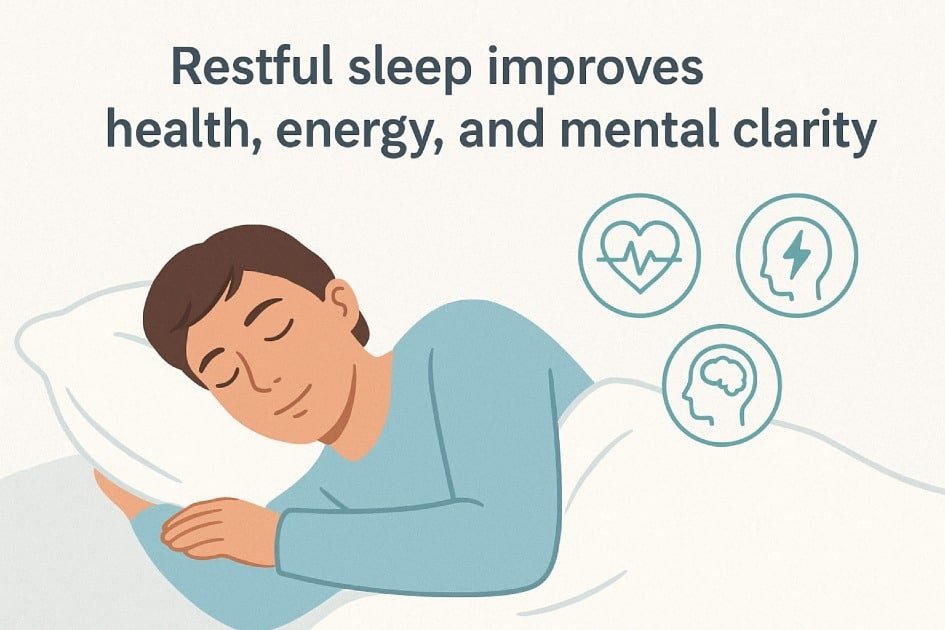
Quality sleep shapes your best life
Sleep is an essential biological function that significantly impacts our thoughts, emotions, and overall functioning. It is often underestimated, with many considering quality sleep as non-essential.
Sleep shapes your lasting health
Poor sleep affects more than alertness; it escalates risks of heart disease, diabetes, obesity, and reduces immunity by hindering the body’s ability to repair tissues and regulate hormones.
To ensure quality sleep, establish a consistent bedtime, dim lights an hour prior, and maintain a cool room temperature. Utilize tools such as blackout curtains or white noise machines to enhance your sleeping environment.
When I do not get good sleep, I feel shaky, foggy, and easily stressed. Over time, those sleepless nights pile up and make everything harder to manage.
Sleep shapes your mood, memory, and focus
Sleep deprivation negatively impacts emotional processing, heightening mood swings and reducing patience. It also impairs memory, as the brain organizes information during deep sleep.
Establish a calming evening ritual by reading a physical book, doing light stretching, or drinking herbal tea. Avoid late-night scrolling to prevent overstimulation and enhance sleep quality.
When I get quality sleep, I feel sharper, stronger, and more confident. After a sleepless night, everything feels harder and less focused.
How lack of sleep steals your energy and focus
The toll of inadequate sleep accumulates gradually, diminishing vitality and leading to fatigue. Over time, this lack of quality rest results in decreased productivity, reduced motivation for exercise, and an increased reliance on caffeine or sugar throughout the day.
Prioritize sleep alongside nutrition and exercise by setting a bedtime alarm and maintaining consistent sleep and wake times, even on weekends, to support natural quality sleep.
My body needs good sleep to work its best, just like a car needs fuel to run. When I do not rest enough, I lose energy and focus, but a full night’s sleep helps me feel sharp and recharged.

Creating a sleep-friendly environment
Improving sleep quality involves more than just the duration spent in bed; it significantly depends on the bedroom environment. By making small adjustments, you can create a restful sanctuary that enhances sleep.
Simple bedroom hacks for better sleep
Why this matters:
Light, sound, and room climate impact the body’s internal clock, leading to restlessness when they are not optimal. Excessive light or noise keeps the brain alert, and improper temperature can disrupt sleep quality.
How to do it:
- Blackout curtains keep out streetlights and early morning sun. Use blue light–blocking lamp when reading before bed.
- Keep your bedroom between 60 and 67°F, sleep on breathable cotton or bamboo sheets, and add a cooling mattress topper if you get hot at night.
- White noise machines cover up sounds by helping you sleep better. Noise-canceling earplugs are great for light sleepers.
The right bed and pillow shape your best sleep
Why this matters:
Your bed plays a crucial role in body restoration, as a sagging mattress or flat pillow can lead to poor posture and consequently neck or back pain, disrupting sleep quality. Comfort and alignment are essential for achieving uninterrupted rest.
How to do it:
- Try mattresses with different firmness to find the one that keeps your spine properly supported.
- Memory foam and hybrid mattresses mold to your body, easing pressure points for better comfort and support.
- Change your pillows every 1 to 2 years to keep them fresh, supportive, and free from allergens.
- Try a memory foam pillow if you often wake up stiff. It molds to your neck and head, easing pressure and improving sleep quality.
Clear space boosts calm and focus
Why this matters:
Visual clutter contributes to mental clutter, as a messy environment can hinder quality sleep by keeping the brain alert. In contrast, a tidy and organized space promotes a sense of safety and calm for the nervous system.
How to do it:
- Keep just the essentials by your bed like a lamp, a book, and water.
- Slide items under your bed to clear clutter and open more space.
- Fold your laundry before bed to keep your room tidy and start the next day organized.
- Use a simple diffuser with lavender oil to create a calm, relaxing space.
Calming cues that signal your brain to sleep
Why this matters:
Ritual cues associated with the bedroom can enhance relaxation and lead to better sleep quality by creating a calming environment. Personalizing the sleep space helps to transform it into a retreat.
How to do it:
- Use soothing wall colors like blues, greens, or soft earthy tones to create a calm and relaxing space.
- Place artwork that calms your mind instead of exciting it.
- Write in a small journal by your bed to capture any thoughts before sleep.
I make my bedroom boost my energy by improving the lighting, picking comfortable bedding, keeping it tidy, and adding calming touches for better sleep.
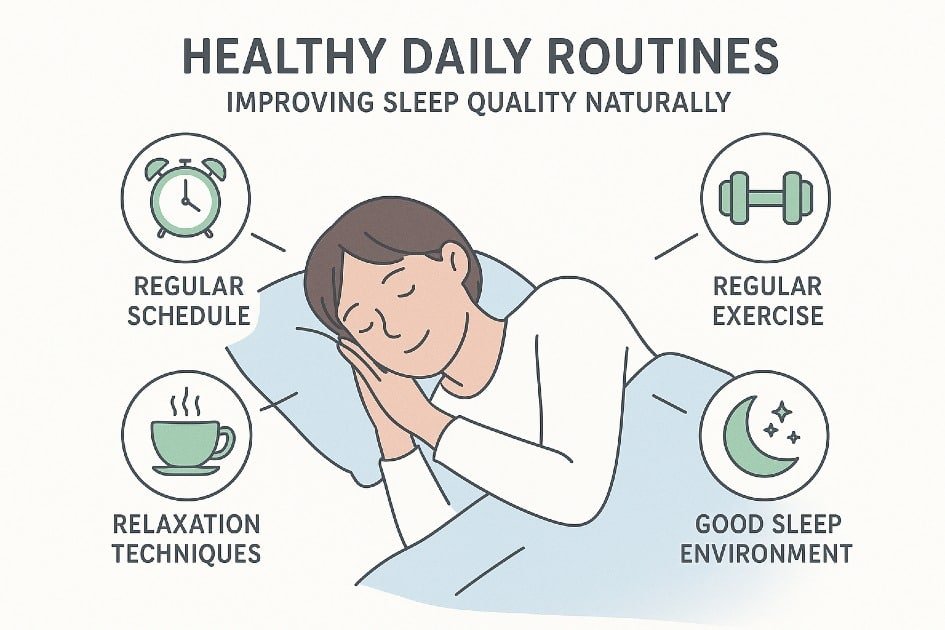
The role of daily habits in better sleep
Sleep is influenced by daily activities, including movement, diet, and daily structure. Minor adjustments to habits can improve sleep quality and promote deeper rest for the mind and body.
Stick to a consistent sleep schedule
Why it matters:
Your body follows a natural circadian rhythm, which dictates sleep and alertness. Irregular sleeping patterns can confuse this system, whereas maintaining a consistent schedule aids your brain in knowing when to rest and when to be awake.
How to do it:
- Set a bedtime you can follow most nights to help your body get consistent rest.
- Stay consistent in waking up every day, including weekends.
- Rely on an alarm clock at first but train your body to wake on its own as your routine becomes steady.
Create a calming evening routine
Why it matters:
Jumping directly from being busy to sleeping is ineffective; your mind requires cues to relax. Establishing a calming routine signal to your brain that it is time to rest.
How to do it:
- Dim your lights an hour before bedtime to help your body relax and signal it is time to sleep.
- Swap scrolling for reading a physical book to boost focus, reduce stress, and strengthen your memory.
- Drink calming teas such as chamomile or lavender to relax your mind and body.
- Try gentle stretches to ease tension in your shoulders and back.
Soak up daylight for better health
Why it matters:
Sunlight exposure during the day helps regulate your circadian rhythm. Without this natural reset, you may experience morning grogginess and nighttime restlessness.
How to do it:
- Get outside soon after you wake up.
- Get outside for at least 15 minutes each day to soak up natural sunlight.
- Try using a light therapy lamp if you live in areas with little sunlight.
Limit naps to boost nighttime rest
Why it matters:
Long naps can disrupt nighttime sleep, while short naps help refresh energy. Maintaining a balance prevents feeling wired at bedtime.
How to do it:
- Keep naps short—no more than 30 minutes—to wake up refreshed and alert without feeling groggy.
- Take naps earlier in the day to feel refreshed and alert. Late naps can make it harder to fall asleep at night and disturb your body’s natural rhythm.
- Set a soft alarm that wakes you calmly and keeps you from sleeping too long.
Move your body with purpose
Why it matters:
Exercise effectively reduces energy and stress, promoting deeper sleep. However, excessive late-night exercise may have negative effects.
How to do it:
- Try to get 20 to 30 minutes of moderate exercise most days to keep your body strong and your heart healthy.
- Morning walks, yoga, and cycling help keep your body strong and your mind calm.
- Skip tough workouts close to bedtime because they raise your heart rate and make it harder to fall asleep.
Avoid stimulants at the wrong time
Why it matters:
Caffeine, along with nicotine and energy drinks, can disrupt sleep quality and may keep the brain active for hours after consumption.
How to do it:
- Avoid caffeine after 2 p.m. because it can keep your body awake after bedtime.
- Swap your late pick-me-ups for soothing herbal tea.
- Keep track of what you eat and drink to see how it changes your sleep.
Evening meals and timing
Why it matters:
Heavy meals close to bedtime can disrupt sleep by causing acid reflux or indigestion, preventing the body from achieving deep recovery. Balanced meal timing helps ensure restful sleep.
How to do it:
- Finish eating dinner 2 to 3 hours before bedtime.
- Pick light meals with lean protein and plenty of veggies for better health.
- Skip spicy and greasy foods because they can upset your stomach and make you feel uncomfortable.
A digital detox before bed
Why it matters:
The blue light emitted by devices like phones, tablets, and TVs inhibits melatonin release, while the mental stimulation from scrolling keeps the brain engaged, making it difficult to relax. This lack of a digital cutoff negatively impacts the quality of sleep.
How to do it:
- Switch off screens for one hour before bed to help your body relax naturally.
- Wear blue light glasses when working late to protect your eyes and help you sleep better.
- Swap late-night phone scrolling for journaling or meditation.
Hydration without overdoing it
Why it matters:
Dehydration can lead to muscle cramps and disrupted sleep, while excessive water intake before bed can interrupt sleep due to bathroom trips. Achieving a balance is essential for quality sleep.
How to do it:
- Sip water regularly all day to keep your body energized, your mind sharp, and your organs working at their best.
- Limit drinking 1–2 hours before bed to help your body rest and reduce nighttime bathroom trips.
- Keep a small glass of water on your bedside table so you can quickly drink if you wake up thirsty at night.
Keep stress in check during the day
Why it matters:
Stress hormones, such as cortisol, hinder the body’s natural sleep signals, leading to a restless mind when stress is carried into bed. Addressing stress early can facilitate better sleep by allowing the brain to calm down at night.
How to do it:
- Take quick mindfulness pauses while working to refresh your mind and boost focus.
- Plan your tasks for tomorrow in a notebook to free your mind and stay focused.
I know my daily choices shape how well I sleep. Small, consistent changes help me sleep better, feel more focused, and boost my overall health.

Sleep-boosting foods and drinks
Diet significantly affects sleep quality, particularly what you consume before bedtime. Simple dietary adjustments can enhance sleep without complex routines, making it easier to fall asleep and wake up refreshed.
Sleep-boosting foods for restful nights
Why it matters:
Some foods have natural compounds such as tryptophan, magnesium, and melatonin that aid in regulating the sleep-wake cycle, and their absence may hinder the body’s ability to signal rest periods.
How to do it:
- Enjoy bananas or kiwis in the evening to boost sleep naturally with their calming nutrients.
- Add almonds, walnuts, or pumpkin seeds to your meals to boost magnesium and melatonin naturally.
- A warm bowl of oatmeal soothes the body and releases energy slowly, keeping hunger away at night.
- Drink tart cherry juice as it may naturally raise your melatonin and help improve sleep.
Drinks to enjoy and avoid before bedtime
Why it matters:
Hydration is crucial for cooling the body at night, impacting sleep quality. Certain beverages can overstimulate the nervous system and hinder relaxation.
How to do it:
- Drink chamomile or lavender tea to calm your nerves and help your body relax.
- Drink warm milk to help your body make melatonin and fall asleep faster.
- Do not drink coffee, energy drinks, or green tea within six hours of bedtime because caffeine stays in your body longer than you expect.
- Limit alcohol before bed. It might make you sleepy, but it breaks up deep sleep and causes restless tossing and turning.
Night snacks wreck deep sleep
Why it matters:
Eating near bedtime can hinder your digestive system while it should be winding down, disrupting your ability to achieve deep, restorative sleep.
How to do it:
- Finish eating heavy meals two to three hours before bedtime to help your body digest and sleep better.
- Eat light snacks such as a banana with peanut butter or a small handful of nuts when you feel hungry.
- Skip spicy, greasy, or sugary foods at night because they can cause heartburn and upset your blood sugar.
- Eat small portions because overeating keeps your body tense and stops you from relaxing fully.
Balancing blood sugar for deeper rest
Why it matters:
Fluctuating blood sugar levels may disrupt sleep patterns, causing awakenings at unusual times. A diet that stabilizes blood sugar can enhance sleep duration and overall sleep quality.
How to do it:
- Combine carbs with protein or healthy fats to keep your blood sugar steady and energy lasting longer.
- Opt for whole foods such as oats, quinoa, and sweet potatoes over refined grains for better nutrition and lasting energy.
- Eat yogurt with seeds or nuts to keep your blood sugar steady all night.
- Skip soda and sweet treats at night to help your body rest better and prevent weight gain.
Hydration habits that support sleep
Why it matters:
Dehydration may lead to leg cramps, dry mouth, and headaches, adversely affecting sleep quality. Conversely, excessive water intake at night can result in frequent bathroom visits, disrupting sleep.
How to do it:
- Sip water consistently during the day instead of drinking a lot right before bed to stay hydrated and support better sleep.
- Limit drinking copious amounts of fluids one to two hours before bedtime to prevent sleep interruptions and improve rest quality.
- Sprinkle a little sea salt into your water each day to stay hydrated and cut down on nighttime thirst.
I enjoy herbal teas such as peppermint and rooibos because they calm me without making me feel jittery.
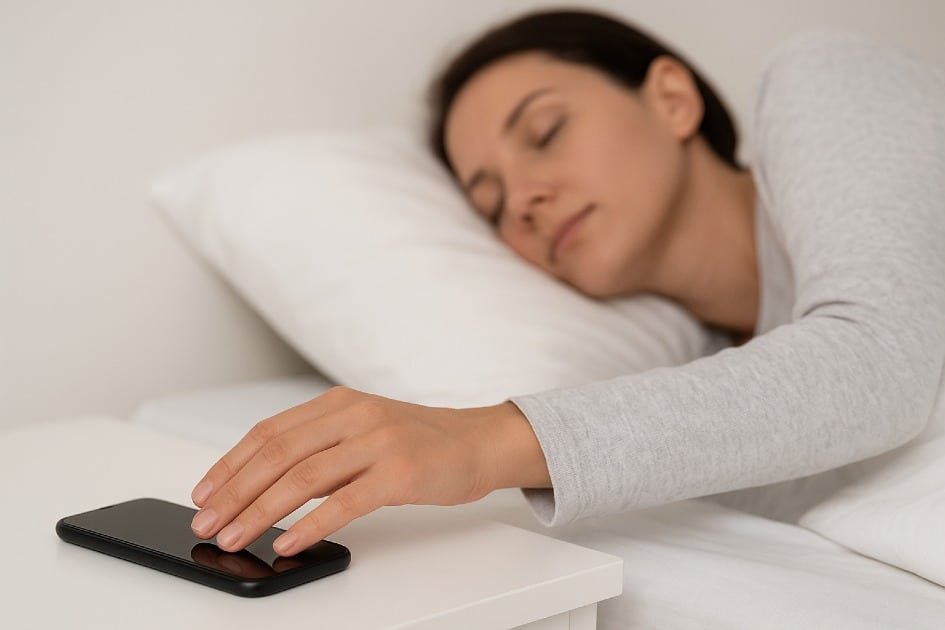
Balancing sleep and screen time
Technology affects daily life, from waking up to late-night use, but it can also disrupt sleep due to screen brightness, notifications, and compulsive scrolling. However, making mindful changes can allow for device use without compromising rest.
Escaping the hidden harm of blue light
Why it matters:
Blue light from screens inhibits melatonin production, which is essential for quality sleep, leading to disruptions in the body clock and difficulty in resting over time.
How to do it:
- Enable “night shift” or “blue light filter” on your device to reduce eye strain and improve sleep quality.
- Wear blue-light glasses when using screens at night to protect your sleep and eye health.
- Turn off screens at night and relax with a physical book instead.
Setting healthy screen-time boundaries
Why it matters:
Late-night browsing stimulates the brain, hindering the ability to slow down and prepare for sleep. Establishing boundaries helps improve sleep quality by preventing time loss and protecting rest hours.
How to do it:
- Set an hour before bed to unplug from all screens and enjoy a digital sunset.
- Keep your phone in another room while it charges to avoid bedtime distractions.
- Swap late-night scrolling for gentle stretches, quiet meditation, or writing in a journal to relax your mind and body.
Choosing sleep-friendly alternatives at night
Why it matters:
Engaging in fast-paced content keeps the nervous system alert, while slower activities promote a restful state and improve sleep quality.
How to do it:
- Try listening to calming sleep sounds instead of scrolling your phone.
- Listen to a relaxing podcast, follow a guided meditation, or solve a simple puzzle before bed.
- Keep a book or magazine by your bedside to relax without screens.
Managing notifications and digital distractions
Why it matters:
Frequent interruptions from alerts and screens result in poor recovery and diminished sleep quality, as the body requires uninterrupted cycles for proper repair and recharge.
How to do it:
- Switch your phone to “Do Not Disturb” an hour before bedtime.
- Turn off alerts from emails, social media, and group chats to stay focused and protect your peace.
- Use a regular alarm clock to wake up each day.
Building a tech-free bedtime ritual
Why it matters:
Rituals promote mental and physical connection, indicating moments for relaxation. Maintaining consistency fosters healthy habits, facilitating better sleep, while a tech-free routine minimizes distractions and encourages natural relaxation.
How to do it:
- Spend 20 to 30 minutes before bed doing calm offline activities like taking a warm shower, caring for your skin, or writing in a journal.
- Keep a small gratitude journal close so you can write what you are thankful for instead of scrolling on your phone.
- Practice deep breathing or enjoy a warm cup of herbal tea to help your body and mind relax.
I calm my mind with deep breaths and a warm cup of herbal tea.
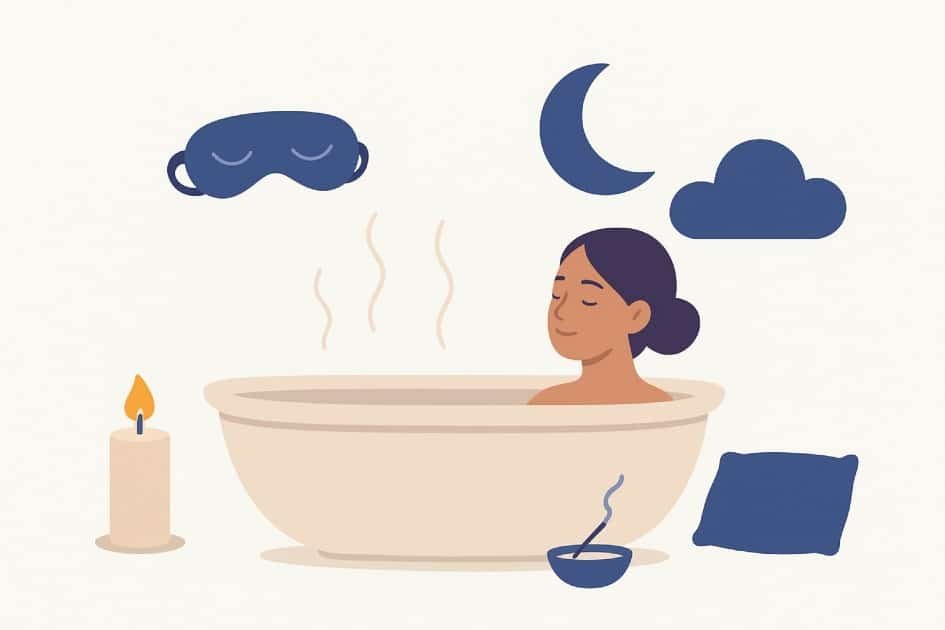
Stress management for sound sleep
Getting quality sleep requires calming the mind and reducing stress, which keeps the nervous system alert and the body restless. By managing stress intentionally, one can achieve deeper, restorative rest.
Breathing exercises that calm your mind
Why it matters:
Stress causes shallow, rapid breathing, alerting the brain to perceived danger and disrupting sleep. In contrast, slow, deep breathing can reset the nervous system and promote relaxation, which is essential for achieving quality sleep.
How to do it:
- Try the 4-7-8 breathing method by inhaling for 4 seconds, holding your breath for seven, and exhaling gently for eight to calm your body and mind.
- Put one hand on your belly and the other on your chest and feel your belly rise as you breathe in.
- Do this for 5–10 minutes before sleep or if you wake up at night to calm your mind and relax your body for better rest.
Journaling to clear mental clutter
Why it matters:
Journaling assists in alleviating unfinished thoughts and to-do lists that hinder restful sleep, allowing the mind to unload worries and promote better sleep quality.
How to do it:
- Place a small notebook beside your bed and jot down the three most important things to do tomorrow.
- Think about one good thing that happened today.
- Keep it under 5 minutes so it feels easy and doable.
Simple mindfulness practices to unwind
Why it matters:
Mindfulness disrupts worry patterns and promotes grounding in the present, reducing stress and enhancing sleep quality.
How to do it:
- Sit still and pay attention to your breath as it moves in and out naturally.
- Relax your body by slowly checking from head to toe and letting go of tightness in your shoulders, jaw, and back.
- Try guided meditation from Mindful.org to calm your mind, reduce stress, and boost focus daily.
Building a consistent wind-down ritual
Why it matters:
Your brain benefits from routine, as a consistent bedtime ritual signals rest, reduces stress, and enhances sleep quality.
How to do it:
- Lower the lights by 30 to 60 minutes before bed to help your body relax and prepare for sleep.
- Swap mindlessly scrolling while reading a book or listening to calming music to relax your mind and boost focus.
- Brew chamomile or lavender tea to relax your mind and body.
Gentle evening stretches that release tension
Why it matters:
Stretching alleviates muscle tightness caused by stress, particularly in the neck, shoulders, and lower back, helping to signal the nervous system to slow down and enhance sleep quality.
How to do it:
- You can gently stretch with moves like child’s pose, seated forward fold, or lying with your legs up the wall.
- Hold every stretch for 30 seconds to improve flexibility and help your muscles recover.
- Try deep breathing to relax even more.
Limiting stimulants that fuel nighttime stress
Why it matters:
Caffeine, alcohol, and nicotine increase stress hormones, leading to prolonged alertness at night. Reducing these substances can diminish nighttime jitters and improve sleep quality.
How to do it:
- Have your last cup of caffeine by 2 p.m. so your body can fully process it, and you sleep better at night.
- Replace wine or beer with soothing herbal teas to relax your mind and support better sleep.
- Start by cutting back on nicotine at night if quitting feels too hard.
Practicing gratitude for emotional balance
Why it matters:
Gratitude promotes a transition from stress to contentment, enhancing emotional calmness, which facilitates quicker sleep onset and improves sleep quality.
How to do it:
- Each night, list three things you feel grateful for.
- Take a moment to thank a friend or partner and share why you appreciate them.
- Track what you are thankful for daily using a gratitude journal.
Creating a stress-free sleep environment
Why it matters:
A clean and cozy environment reduces stress and promotes quality sleep by helping the body associate the bedroom with rest, even if the mind is calm.
How to do it:
- Sleep better by keeping your bedroom dark, quiet, and cool.
- Block out light with blackout curtains and mask noise with a white-noise machine to improve sleep quality and stay fully rested.
- Keep your bedroom free of work papers and electronics.
I keep my bedroom free of paper and electronics. This helps me relax faster and sleep deeper, so I wake up refreshed and focused.

Exercise at the right time for best results
Exercise plays a vital role in health, and timing significantly impacts sleep quality. Many overlook this link, leading to sleepless nights. Adjusting when and how you exercise can enhance sleep, transforming restlessness into restful nights with small, manageable changes.
Morning movement sets the tone
Why it matters:
Morning exercise in natural sunlight helps reset the circadian rhythm, promoting alertness during the day and quality sleep at night. It also reduces stress hormones that can affect sleep quality.
How to do it:
- Take a brisk 10–20-minute walk outside as soon as you wake up to boost energy and jumpstart your day.
- Combine gentle cardio and stretching to wake up your muscles and boost energy safely.
- Try a quick bodyweight circuit with lunges, squats, and pushups when you have a few minutes.
- Boost your motivation by tracking your steps with a fitness smartwatch.
Afternoon exercise builds balance
Why it matters:
Midday movement helps combat energy slumps associated with caffeine consumption, which affects sleep quality. It also stabilizes blood sugar to avoid evening crashes, aids digestion, and maintains body clock alignment.
How to do it:
- Take a 20–30-minute walk after meals to boost energy and aid digestion.
- Use resistance bands or light weights to build strength safely and easily.
- Take a quick stretch instead of scrolling and boost both your energy and focus.
- Desk workers can stay active by using a portable pedal exerciser right at their chair.
Evening exercise requires caution
Why it matters:
High-intensity workouts before bedtime can raise heart rate and core temperature, making it difficult to achieve quality sleep. In contrast, gentle evening movement may help to relieve tension accumulated throughout the day.
How to do it:
- Finish tough workouts at least 2 to 3 hours before bed to help your body relax and sleep better.
- Try relaxing yoga moves such as child’s pose or a forward fold to calm your mind and body.
- Combine deep breathing with gentle stretches to relax your nerves and ease tension.
- Use a sleep sound machine to play gentle music or white noise while your body cools down to relax faster and sleep deeper.
Exercise consistency creates sleep rhythm
Why it matters:
Sporadic workouts disrupt the body’s sleep-wake cycle, while a consistent exercise schedule enhances melatonin production, crucial for quality sleep. Regular light activity is more beneficial than infrequent intense workouts.
How to do it:
- Choose a workout time that fits your daily routine and do it every day.
- Keep a record of your workouts using a journal or fitness app to stay on track and see your progress.
- Stick to regular habits instead of aiming for perfection; steady effort works better than short bursts of intensity.
- Take time for active recovery by stretching, practicing tai chi, or going for a walk.
Gentle nighttime movement for restful sleep
Why it matters:
Not all nighttime movement disrupts sleep; when done mindfully, it can enhance sleep quality by releasing endorphins that alleviate stress. This process aids the body in transitioning from a state of alertness to calm.
How to do it:
- Spend 10 minutes before bed tensing and relaxing your muscles to calm your body and mind for better sleep.
- Follow guided yoga stretches online to improve flexibility and relax your body.
- Use lavender or chamomile aromatherapy to boost calm and relaxation.
I lower the lights and take slow, deep breaths, helping my body settle and get ready for restful sleep.
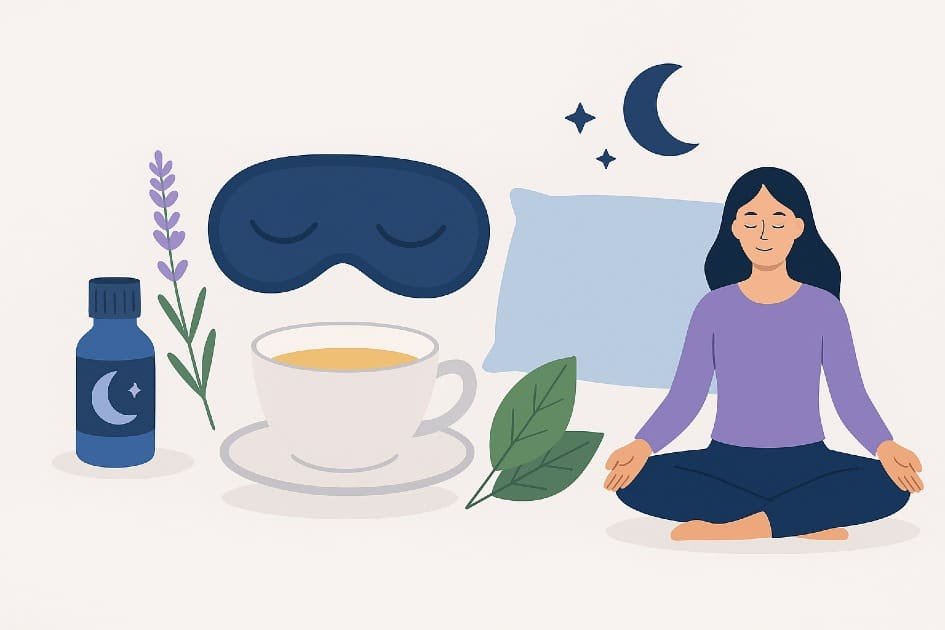
Calm your mind with natural sleep remedies
Tossing and turning at night can be frustrating, as the body craves rest while the mind races. Natural sleep aids and relaxation techniques provide a gentle solution for achieving sleep without harsh medications.
Herbal teas that calm your system
Why it matters:
Herbal teas like chamomile, valerian root, and passionflower contain natural compounds that help calm the nervous system, reduce anxiety, relax muscles, and promote deeper sleep cycles.
How to do it:
- Drink a warm cup of chamomile tea half an hour before bed to relax your body and improve sleep quality.
- Sip valerian root tea to stay asleep through the night.
- Keep caffeine-free teas ready and skip any drinks with added sugar.
- Try an organic herbal blend for natural support.
Aromatherapy and essential oils
Why it matters:
Scents such as lavender, cedarwood, and bergamot positively affect the limbic system, enhancing emotions and relaxation while lowering stress hormones to promote better sleep.
How to do it:
- Place a few drops of lavender essential oil in a diffuser by your bed to help you relax and sleep better.
- Blend a drop with carrier oil and massage it onto your wrists or temples.
- Try washing your bedding with lavender detergent to enjoy gentle, calming benefits while you sleep.
The gentle power of breathing exercises
Why it matters:
Breathing exercises help calm the fight-or-flight response by slowing your breath, which in turn reduces heart rate and signals safety to the brain, facilitating a smoother transition into sleep.
How to do it:
- Breathe in for four seconds, hold it for seven, then slowly exhale for eight.
- Breathe in for four seconds, hold it for seven, then slowly exhale for eight.
- Sit quietly in a dark room for 5 to 10 minutes to relax your mind and recharge your energy.
- Try combining breathing exercises with guided meditation to calm your mind and reduce stress.
White noise, music, and nature sounds
Why it matters:
Unwanted nighttime noises can disturb sleep, but white noise and soft sounds can effectively mask these disruptions, promoting relaxation and consistent quality sleep.
How to do it:
- Try using a white noise machine or a free phone app to block distractions and help you sleep better.
- Enjoy gentle rain or ocean waves to calm your mind and relax your body.
- Play the sound quietly so it naturally fades into the background.
- Listen to specially made playlists that help you fall asleep faster and sleep more deeply.
Natural supplements that support rest
Why it matters:
Supplements such as magnesium, melatonin, and L-theanine aid in regulating circadian rhythms and alleviating overstimulation, promoting natural deep sleep without addiction.
How to do it:
- Take magnesium glycinate half an hour before sleep to help your muscles relax and improve rest.
- Take melatonin only for brief sleep problems like jet lag to help your body adjust quickly.
- Calm your mind naturally by taking L-theanine from green tea extract.
Creating a relaxation ritual
Why it matters:
Establishing a consistent bedtime ritual helps signal to your body that it is time to rest, which can enhance the likelihood of falling asleep quickly and achieving quality sleep throughout the night.
How to do it:
- Lower your lights an hour before sleep to help your body relax and signal it is time to rest.
- Move your body with light stretches or gentle yoga to boost flexibility, reduce stress, and energize your day.
- Capture your thoughts in a gratitude journal to clear your mind and feel calmer.
I boost my ritual by adding one of the natural aids above to feel its effects even more.
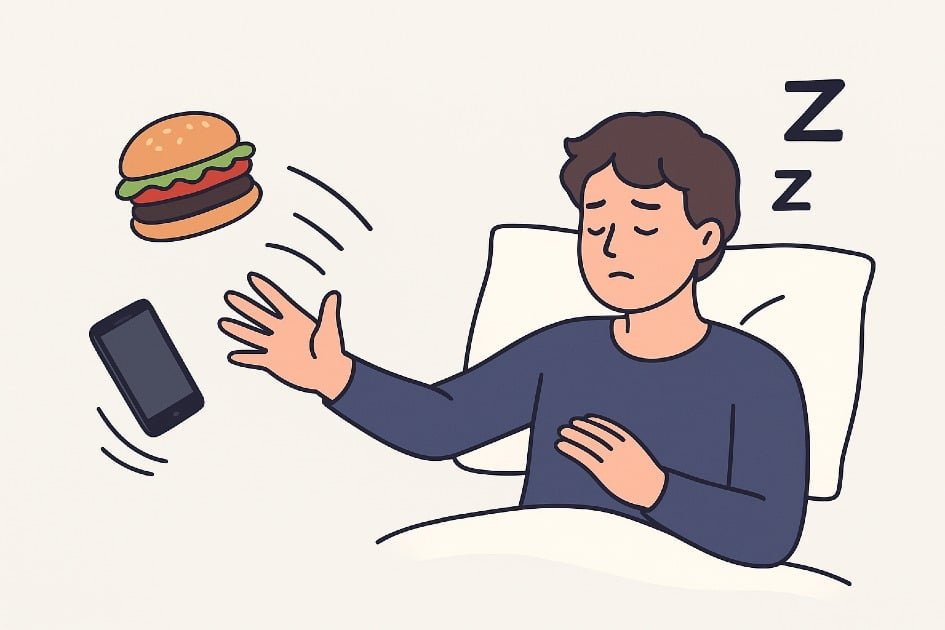
Breaking bad habits that keep you awake
Good sleep is fostered by daily choices, and many unknowingly disrupt their rest. To achieve quality sleep, it is essential to both eliminate detrimental habits and cultivate positive routines.
Caffeine timing mistakes most people overlook
Why it matters:
Caffeine stays in your body for hours and can make it harder to fall asleep when you drink it too late. This can lead to difficulty falling asleep and reduce deep sleep stages over time.
How to do it:
- Stop drinking caffeine at least 6 to 8 hours before bedtime to sleep better and feel more rested.
- Replace your afternoon coffee with soothing herbal teas such as chamomile or rooibos for a calm, refreshed boost.
- Drink water or fruit-infused beverages instead of soda to keep your body healthy and energized.
I follow my body’s natural rhythm, and it helps me fall into deep, restful sleep more easily.
Alcohol and nicotine break your sleep
Why it matters:
Alcohol may lead to quicker sleep onset but disrupts overall sleep quality, causing nighttime awakenings. In contrast, nicotine acts as a stimulant, resulting in lighter and more restless sleep for smokers compared to non-smokers.
How to do it:
- Drink alcohol only in the early evening and keep it moderate to protect your health and sleep.
- Try sparkling water with a twist of lime instead of alcohol.
- Switch smoking for healthier ways to manage stress like chewing sugar-free gum or practicing mindful breathing.
I make sure my body gets a full night of deep, restful sleep instead of waking up in bits and pieces.
Nighttime habits that steal your sleep
Why it matters:
Many individuals engage in work or study late into the night, believing they are catching up; however, this mental stimulation adversely affects their sleep quality by keeping the nervous system alert.
How to do it:
- Stop working at least two hours before bedtime to help your mind relax and sleep better.
- Plan a few important tasks for tomorrow instead of trying to do everything today.
- Wind down with a soothing routine by dimming the lights, doing gentle stretches, or reading a real book.
- Plan your day with productivity tools to avoid late-night work.
I make my evenings calm and screen-free, so my body knows it is time to rest and recharge for a deep, quality sleep.
Overuse of screens before bed
Why it matters:
Scrolling social media or binge-watching can feel relaxing, but blue light from screens inhibits melatonin production, making it harder to achieve quality sleep.
How to do it:
- Turn off all electronics at least one hour before bedtime to help your mind and body relax for deeper, healthier sleep.
- If you must work late at night, use apps that reduce blue light to protect your eyes and help you sleep better.
- Swap endless scrolling for calming activities such as writing in a journal or enjoying an audiobook.
- Place your phone outside the bedroom to avoid distractions and improve sleep quality.
I choose rest instead of endless scrolling to help my sleep feel deeper and more refreshing.
Irregular sleep schedules
Why it matters:
Disrupting your sleep schedule, such as going to bed at 10 p.m. one night and 1 a.m. the next, confuses the internal body clock, leading to inconsistent and shallow sleep due to a misaligned circadian rhythm.
How to do it:
- Keep a consistent bedtime and wake-up time every day, including weekends, to improve sleep quality and boost energy.
- Bask in natural sunlight each morning to reset your body clock and boost energy.
- Follow a simple bedtime routine so your brain learns it is time to sleep.
I follow my body’s natural rhythm and enjoy deeper, more restful sleep every night.
Mindless snacking before bed
Why it matters:
Eating heavy or sugary snacks before lying down keeps the digestive system active, delaying the body’s winding down process and potentially causing reflux or discomfort, which can negatively impact sleep quality.
How to do it:
- Give your stomach time to settle by finishing meals two to three hours before bedtime for better sleep and overall health.
- Choose snacks that help you sleep such as bananas, almonds, or a warm glass of milk.
- Eat balanced dinners to curb late-night cravings and stay energized.
I have found that making slight changes to what I eat can improve how well I sleep at night.

When to seek professional help
Professional guidance can significantly improve sleep quality when lifestyle strategies fail, helping to prevent health issues and restore necessary rest.
Persistent insomnia
Why it matters:
Chronic insomnia, characterized by prolonged difficulty in falling or staying asleep, can lead to decreased energy, weakened immunity, and an increased risk of heart issues.
How to do it:
- Track your sleep each night in a diary to notice patterns before seeing a doctor.
- Be honest with your provider about your health history, daily habits, and stress so they can give the best care.
- Try non-medication options like cognitive behavioral therapy for insomnia, or CBT-I, to improve your sleep naturally.
Loud snoring and breathing pauses
Why it matters:
Snoring, especially when associated with gasping or pauses in breathing, can indicate sleep apnea. If left untreated, sleep apnea can disrupt oxygen flow, lead to daytime exhaustion, and elevate the risk of stroke or high blood pressure.
How to do it:
- Consult your doctor if your partner sees strange breathing patterns.
- Try sleep study at home or in a lab to check for sleep problems and get a clear diagnosis.
- Try using CPAP therapy or making lifestyle changes suggested by health experts.
Excessive daytime sleepiness
Why it matters:
Feeling sluggish after a full night of rest suggests that your sleep cycles might not be restorative, leading to persistent drowsiness that can make daily activities unsafe, such as driving or operating machinery.
How to do it:
- Track the times you feel sleepy during the day and tell your healthcare provider.
- Check for hidden health issues such as narcolepsy, restless leg syndrome, or hormone problems.
- Discover personalized treatments that boost your energy without disturbing your sleep.
Ongoing mental health struggles
Why it matters:
Anxiety and depression are linked to poor sleep quality, which exacerbates mood issues, creating a harmful cycle. Neglecting emotional well-being can lead to extended mental and physical distress.
How to do it:
- Talk to a licensed therapist or counselor who knows how sleep affects your mental health.
- Talk openly about your feelings during appointments.
- Try natural methods like mindfulness and guided relaxation while also collaborating with a professional therapist.
Physical discomfort interrupting sleep
Why it matters:
Nighttime pain due to conditions such as arthritis, acid reflux, or chronic headaches can disrupt sleep, leading to increased pain sensitivity and a negative feedback loop of sleep deprivation and pain.
How to do it:
- Track when pain wakes you up and shares the details with your doctor.
- Try asking about gentle ways to ease pain without surgery and positions that put less strain on your body.
- Try using ergonomic pillows or mattresses designed for better support and comfort.
Sudden changes in sleep patterns
Why it matters:
If there is a sudden need for significantly more or less rest, it may indicate an underlying medical issue such as thyroid problems, neurological conditions, or metabolic imbalances.
How to do it:
- Book a medical checkup to uncover any hidden health issues early.
- Ask your doctor for blood or hormone tests if they think something is out of balance.
- Keep up with follow-up visits to make sure your treatment truly improves your sleep quality.
I watch warning signs to protect my health, boost my energy, and enjoy real quality sleep. Taking small steps and getting professional help helps me make lasting changes.
Recap: Better Sleep Starts with Tiny Changes
Quality sleep is essential for improved mental clarity, emotional balance, and overall health.
According to Harvard Health, better sleep can often be achieved with small, sustainable changes, such as fixing the sleep schedule and keeping the room cool and quiet to support the body’s internal clock.
Simple changes, such as dimming lights or substituting screen time with reading, can significantly enhance sleep quality.
Consistency in sleep routines and utilizing tools like blue light blocking glasses and sleep trackers can support better rest.
As individuals experience the benefits of quality sleep, they may find themselves healthier, calmer, and more engaged.
Frequently Asked Questions
How much sleep does an adult need to stay healthy?
Most adults need 7 to 9 hours of quality sleep each night for optimal health.
Chronic sleep deprivation can negatively impact mental sharpness, immune defense, and cardiovascular health.
Maintaining a consistent sleep schedule helps regulate the body’s circadian rhythm for better restoration.
Is it possible to catch up on missed sleep during weekends?
Sleeping on weekends provides only temporary relief and does not adequately compensate for poor sleep quality during the week.
Irregular sleep patterns disrupt the body clock, making it harder to fall asleep on Sunday nights.
A consistent daily sleep schedule is preferable, and short naps of 20–30 minutes can be more beneficial than extended weekend sleep.
Can napping improve or ruin nighttime sleep?
Short naps, particularly 20-minute ones, can enhance alertness without disrupting nighttime sleep quality.
Longer naps, especially over 60 minutes or taken late in the day, can diminish sleep pressure, complicating nighttime sleep.
Individuals with insomnia may benefit from avoiding naps entirely to improve nighttime rest.
What is the difference between insomnia and poor sleep hygiene?
Insomnia is a clinical sleep disorder characterized by ongoing difficulty in falling or staying asleep, or waking too early, regardless of optimal conditions.
In contrast, poor sleep hygiene results from habits such as late caffeine consumption and irregular schedules, which hinder quality sleep.
Enhancing sleep hygiene can often alleviate mild sleep issues without needing medical treatment.
Do sleep trackers really help improve rest?
Sleep trackers offer insights into sleep patterns, such as REM cycles, restlessness, and overall sleep duration.
Although they are not perfectly accurate in measuring sleep quality, they can help increase awareness of habits impacting rest.
Combining a tracker with lifestyle tools like sleep aids or weighted blankets can enhance accountability and promote mindful changes.
Are natural remedies effective for better sleep?
Natural aids can effectively promote relaxation and improve sleep quality. Herbal teas like chamomile and valerian root, magnesium supplements, and essential oils such as lavender and bergamot are particularly beneficial.
Using high-quality products, including calming tea blends and essential oil diffusers, is recommended for optimal results.
Does exercise really improve sleep quality?
Physical activity, particularly aerobic exercise, improves sleep quality by lowering stress hormones and regulating circadian rhythms.
Timing is essential, as morning or early-afternoon workouts promote better nighttime rest, whereas intense evening training can lead to overstimulation. Gentle evening stretches or yoga are beneficial for relaxation.
Why do some people wake up at 3 a.m. and struggle to fall back asleep?
Waking at night can be linked to stress, blood sugar changes, or an active nervous system.
To enhance sleep quality, try a light protein-rich snack like Greek yogurt or almonds to stabilize blood sugar, and use relaxation techniques such as slow breathing or guided meditation to help return to sleep.
How can I create the ideal environment for uninterrupted sleep?
The trifecta for quality sleep involves managing temperature, darkness, and silence. Maintaining a cool bedroom (65–68°F) supports melatonin production. Use blackout curtains or a sleep mask to block light, and a white noise machine to minimize noise.
Additionally, decluttering the room can reduce subconscious stress and enhance sleep depth.
When should I consider professional help for sleep issues?
If you are practicing healthy sleep habits and still having trouble with sleep quality, consider consulting a healthcare provider, as issues like sleep apnea, restless legs syndrome, and chronic insomnia may need specialized treatment.