
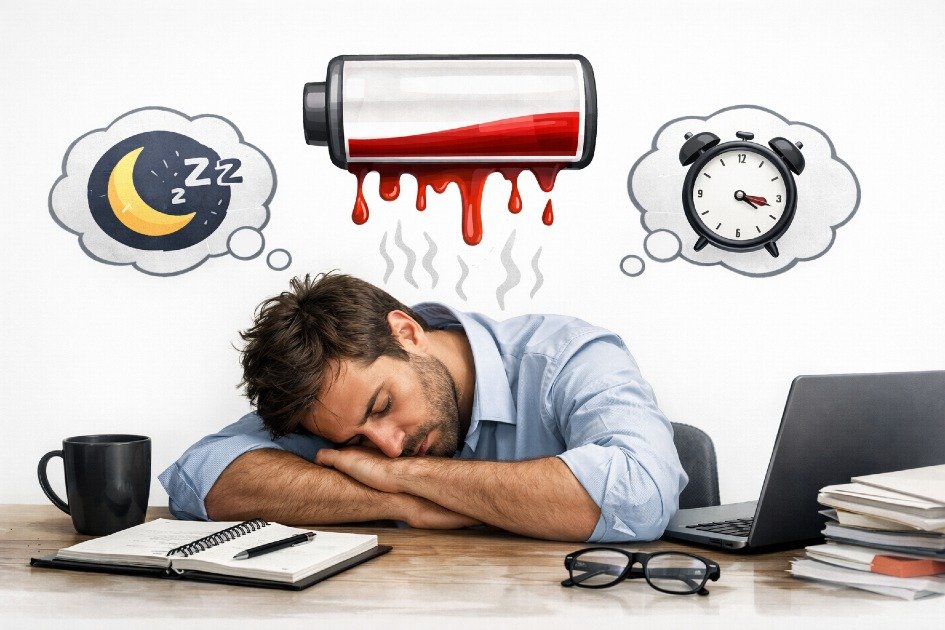

Have you ever wondered why you drag through the day despite clocking enough hours of sleep? Knowing the quiet sleep problems that steal your energy can change how you feel, think, and function every day.
Environmental adjustments like optimal lighting and temperature, along with dietary and exercise modifications, can significantly optimize sleep quality.
Practical strategies, including mindfulness, consistent routines, and lifestyle changes, are essential for maximizing sleep’s restorative benefits, actively improving metabolism, immunity, and mental resilience.
By addressing these issues, individuals can regain energy, improve mental clarity, enhances brain function, tissue repair, and hormonal balance.
This guide empowers individuals to transform their sleep habits into a powerful tool for vitality and performance.
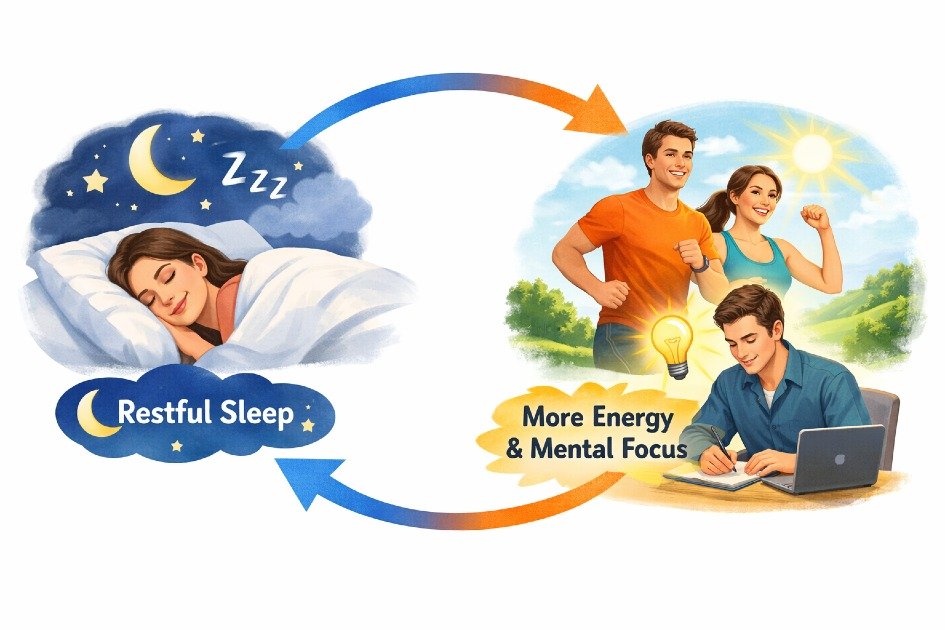
Understanding how sleep boosts your energy
Getting good, steady sleep shapes your energy and focus, and skipping your body’s sleep signals can leave you drained no matter how long you rest.
How does poor sleep directly sap your daily energy?
Restless or light rest keeps your body from finishing deep, restorative stages needed for healing tissues, boosting immunity, and restoring brain chemicals. Without these stages, you feel tired, slow, and irritable no matter how many hours you rest.
Create a calm bedroom with soft lights, less noise, and a cool temperature. Relax your body with gentle stretches, a warm bath, or deep breathing and meditation to rest better and wake refreshed.
I used to feel wiped out every afternoon, even after a full night’s sleep. Switching to a supportive memory foam mattress and blackout curtains changed everything. Adding a small lavender diffuser with essential oils made my bedroom feel calm and cozy.
How does poor sleep change your health fast?
Chronic lack of rest upsets the body’s hormones and slows metabolism. It raises stress levels, lowers how the body manages sugar, and can bring mental fog, irritability, and low motivation, often unnoticed until it becomes serious.
Follow a steady bedtime, limit screens before bed, and unwind with calming activities like reading or journaling to rest better.
I battled brain fog for months until I used a smart sleep tracker. Watching my sleep patterns showed me I was staying up too late and going to bed at various times. Fixing these habits gave me more energy and sharper focus every day.
Can short naps make up for lost sleep?
People often take short naps to make up for lost rest at night, thinking it helps them recover. Too many naps can confuse the body’s natural rhythm, leaving them groggy and less energized. Naps offer quick relief but do not fix long-term fatigue.
Rest your body with a quick 20–30-minute nap in the early afternoon. Follow it with consistent nightly habits and calm routines to boost energy and stay alert all day.
I tried short power naps during a busy work week using a blackout eye mask and calming ambient sounds. Keeping them under 20 minutes helped me feel refreshed without messing up my nighttime sleep. My focus improved, and the usual post-nap grogginess vanished.
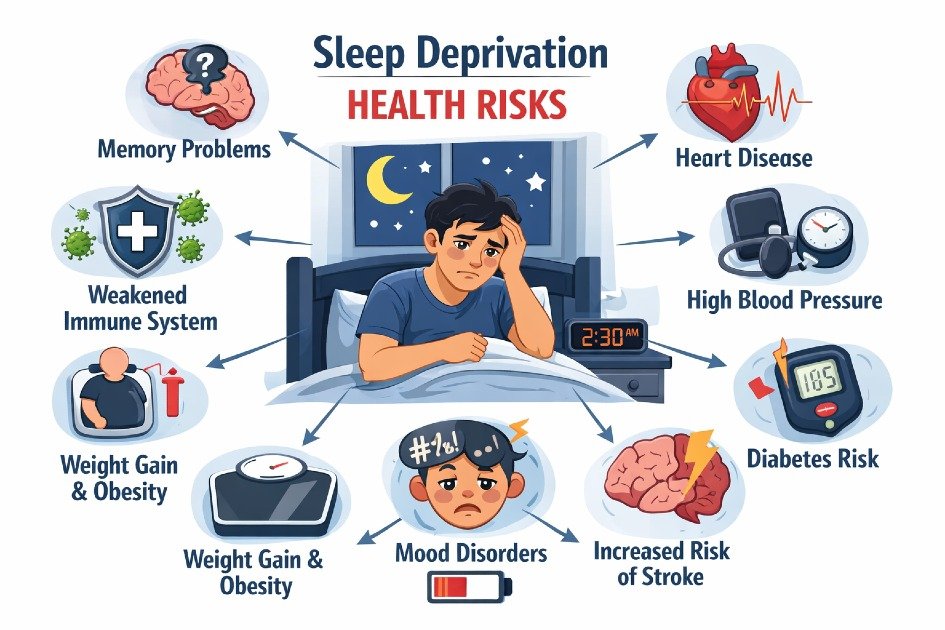
Why you cannot ignore sleep risks anymore
Sleep powers your body and mind, but many skip it. When you feel tired or cranky, your body is asking for rest. Missing sleep drains energy, blurs focus, and can harm your health over time.
How does poor sleep sneakily drain you?
Feeling constantly drained is more than just being tired. It weakens your hormones, lowers immunity, and makes thinking clearly harder. Your body struggles to repair itself, store memories, and manage emotions, keeping you stuck in fatigue.
Track your nights with a journal or smart tracker and note things like frequent wake ups. Go to bed and wake up at the same time each day to steady your body clock and skip caffeine after 2 p.m. so your body can rest naturally.
I once brushed off poor sleep until I kept hitting an afternoon slump. I switched to a quality memory foam pillow, and my rest improved. I now wake up clear-headed and stay energized all day.
Can nighttime habits secretly sabotage your sleep?
Modern life often disrupts natural rest cycles with late-night screens, heavy dinners, and background noise, leaving many people-tired day after day.
Turn down the lights about an hour before bed and switch devices to night mode. Keep the room cool, calm, and quiet. Block outside noise and light with blackout curtains or a soft white-noise sound to help the body fully relax.
I noticed my sleep got worse when I scrolled on my phone at night. I swapped my screen time for gentle stretching and reading under a blue light blocking lamp. I fell asleep faster and woke up with more energy.
What lasting health problems can poor sleep cause?
Neglecting rest drains daily energy and quietly harms the body. It increases stress hormones, fuels inflammation, and overworks vital systems, which can raise the risk of high blood pressure, diabetes, and slower thinking over time.
Aim for 7–9 hours of deep rest each night by building simple, proven habits. Write brief notes about your bedtime routine, practice calm breathing or meditation, and reduce caffeine intake before bedtime. Check your rest quality with a tracker so that you can spot problems early and fix them.
I once battled poor sleep that drained my focus and left me tired all day. After I started using a weighted blanket, I slept more soundly and woke up less at night. I now wake up refreshed, with steady energy and a clear mind to manage my daily tasks.
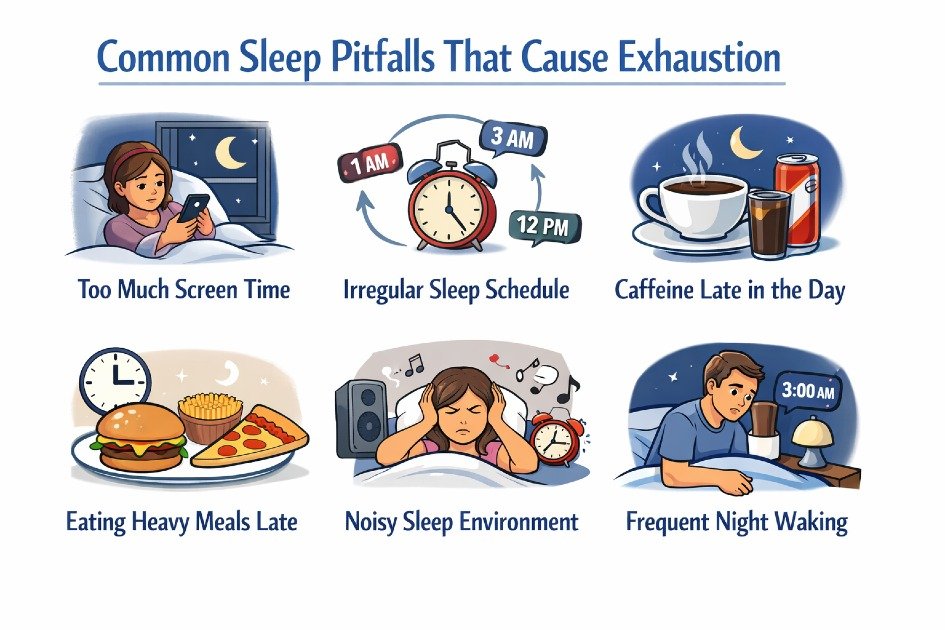
Sleep habits that drain your energy
Learning the small habits that quietly disrupt sleep can bring back energy and improve daily life, since many people feel tired without realizing their nighttime routines are the cause.
Are screens at night secretly draining your energy?
Evening screen time on phones or TVs can confuse your body clock and slow melatonin, making it harder to rest well.
Turn off screens an hour before bed, dim your lights, and try blue-light-blocking glasses. Reading a book or listening to a calm audiobook can relax your mind and body.
I used to stay on my phone late into the night and wake up feeling drained. I started a simple bedtime routine and turned on a blue-light filter. Within days, I slept deeply and woke up feeling energized.
Are nighttime food and drink keeping you awake?
Drinking caffeine or eating heavy meals at night keeps your body alert and stimulates digestion, hindering your rest and leaving you tired in the morning.
Limit caffeine intake by early afternoon and sip calming herbal teas like chamomile or valerian in the evening. Snack on a small banana or a handful of almonds to boost tryptophan and help you sleep without upsetting your stomach.
I used to wake up in the middle of the night because of my chocolate and late coffee habits. I switched to a gentle herbal tea and a small handful of almonds in the evening. Now I sleep through the night and wake up feeling refreshed and ready to start my day.
Is your sleep space making it difficult to rest well?
Bright lights, loud sounds, or a lumpy mattress can make it hard to rest well. Even slight changes in room temperature can break your natural sleep cycle and leave you feeling tired all the time.
Turn your bedroom into a calm sanctuary by blocking out light with blackout curtains, using earplugs or a white noise machine, and keeping the room cool at 65–68°F. Use a mattress and pillow that support your body so that you sleep deeply through the night.
I used to wake up many times during the night in my old bedroom. After getting a memory foam mattress and blackout curtains, I started sleeping longer and deeper. My energy during the day shot up, and I felt more alert than ever.
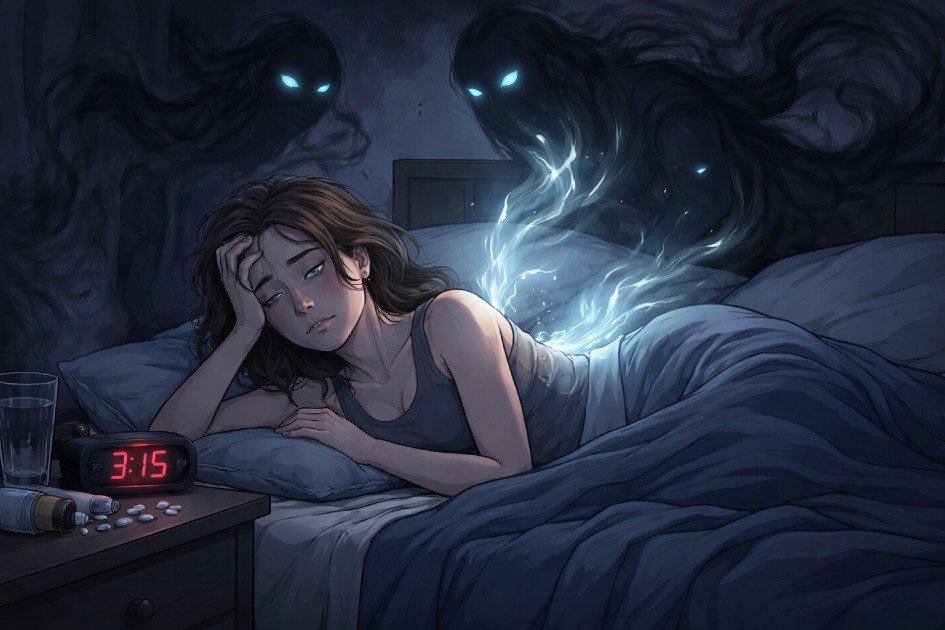
Sleep disorders that steal vitality
Sleep problems can drain your energy, make you irritable, and cloud your thinking even after a full night of rest. Recognizing them helps you feel alert and lively again.
Why does sleep apnea drain your energy all day?
Breathing pauses, loud snoring, and sudden awakenings can stop deep restorative rest, leaving you tired, unfocused, and putting stress on your heart. Many people do not realize this is a medical condition and blame their fatigue on stress or a busy lifestyle instead.
Professional studies can effectively diagnose breathing problems at night, and CPAP therapy remains the gold standard for treatment. Limiting alcohol and lying on your side can boost oxygen flow and help you rest more peacefully.
I used to feel drained every morning even after a full night in bed. Visiting a specialist revealed that I had mild apnea. Using a CPAP machine, night mask, and meditation helped me rest deeply.
How can insomnia slow your brain and work output?
Insomnia breaks the natural rhythm of rest, making it harder to think clearly, remember things, and manage emotions. Even when your body feels still, your mind stays tired and slows your work.
Following a nightly routine that limits screen time, sets a consistent bedtime, and uses calming techniques can help end insomnia. Cognitive Behavioral Therapy for Insomnia (CBT-I) offers a proven way to improve rest naturally.
During a stressful work period, I struggled for weeks with restless nights. I started using a gentle herbal mix and writing in a journal each evening. Within ten days, my focus sharpened, my energy rose, and I felt calmer.
Are restless legs at night stealing your daily energy?
Restless Leg Syndrome makes your legs feel tingly or like they are crawling, urging you to move them constantly, especially at night. This can leave you tired and make it hard to focus during the day.
Treating restless legs syndrome starts with seeing a doctor and making simple lifestyle changes. Try iron supplements, eat foods high in magnesium, and move your body with regular exercise. Limiting caffeine and alcohol in the evening can also ease symptoms.
I used to brush off leg discomfort at night, thinking I was tired. When a doctor diagnosed RLS, I added RLS relief supplement and nightly stretches to my routine. Nights became calmer, mornings brighter, and I had more energy all day.
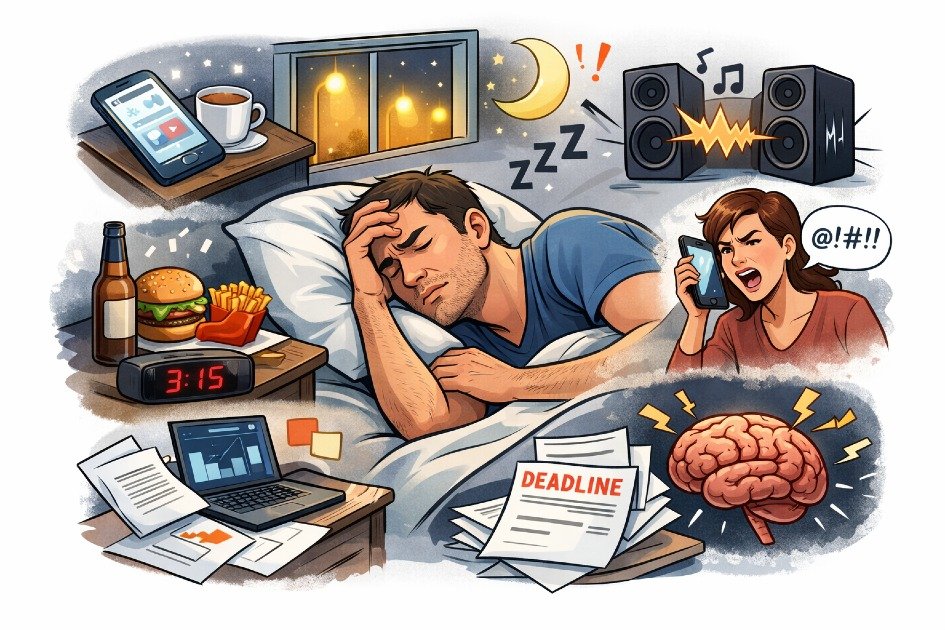
Lifestyle choices that break healthy sleep
Your energy rebounds when your bedroom feels right. Even trivial things like flickering lights or a room that is too warm can keep you restless. Fixing these details helps you wake up refreshed and full of energy.
Does bedroom lighting make falling asleep harder?
Streetlights and phone screens trick your body clock, making it hard to get deep rest and leaving you groggy the next day.
Use blackout curtains and soft, warm night lights to sleep better. Turn off screens an hour before bed to help your body make melatonin naturally.
I used to wake up several times a night until I put up blackout curtains and swapped my bright ceiling light for a gentle LED lamp by my bed. Nights became calm, and I woke up feeling refreshed and ready to tackle the day.
Can temperature and bedding help you sleep better?
Your room temperature and bedding shape how well you rest. A hot room can make you toss and turn, while a cold or hard mattress can stop your body from fully relaxing, leaving you tired and unfocused during the day.
Keep your bedroom between 60 and 67°F and choose breathable sheets or a weighted blanket to stay comfortable. A memory foam mattress or an adjustable bed helps your spine stay aligned and reduce tossing and turning.
Switching to a memory foam mattress topper and adding a soft cotton comforter changed my nights. I fall asleep faster, wake up on my own, and feel energized all day.
Does an irregular schedule quietly drain your energy?
Going to bed at various times or working late can confuse your body’s internal clock, break up sleep, and leave you tired, moody, and foggy, even if you get enough hours of rest.
I make a point to go to bed and wake up at the same time every day. Getting sunlight in the morning and keeping my evenings calm helps my body clock stay on track, so I feel truly rested.
I spent months tossing and turning each night until I set a firm at 10:30 PM bedtime. Tracking my rest helped me see patterns and tweak my routine. After a few weeks, I felt more rested and had energy that lasted all day.
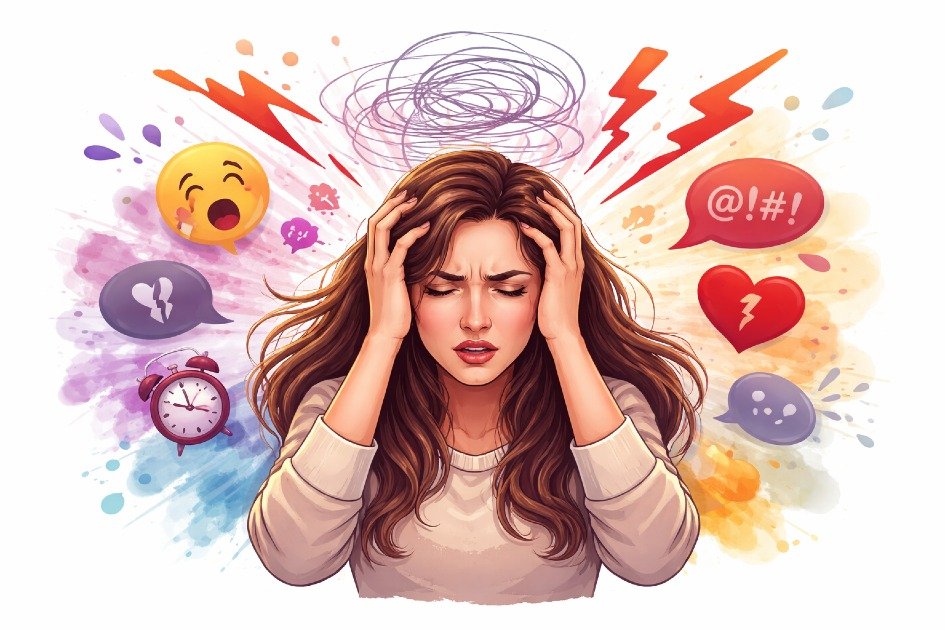
Stress, anxiety, and emotional triggers
Stress and strong emotions can drain your energy and cloud your mind, leaving you tired even after resting through the night.
Can stress keep your brain from resting?
Chronic stress raises cortisol in the body and keeps the mind active at night. Worries, deadlines, or conflicts can prevent deep rest, leaving you tired and drained the next day.
Regular relaxation routines like deep breathing, muscle relaxation, and guided meditation calm the body and lower cortisol. Spending at least 20 minutes winding down and journaling clears the mind and helps the body rest more fully.
I used to lie awake each night, my mind racing with work worries. Adding just 15 minutes of evening meditation changed everything. Listening to guided sessions with calming sounds helped me drift into deep rest and wake up truly refreshed and ready for the day.
Why do emotions drain you even after sleep?
Emotional ups and downs like grief or relationship stress wake you often at night and block deep rest, leaving your mind tired, unfocused, and less productive even when you stay in bed long enough.
Cognitive Behavioral Therapy for Insomnia and gentle bedtime routines calm your mind, break emotional cycles, and help your body fully rest.
I tried the Dodow device after a rough week. Its soft, guided light helped me breathe and let go of tension. Within days, I rested more deeply, and the stress I carried all day started to fade.
Which relaxation tricks boost your energy fast?
Unnoticed stresses can build up and disturb REM cycles, which help the brain store memories and manage emotions, leaving you drained and low on energy.
Practicing yoga, mindfulness, or soaking in a warm Epsom salt bath eases muscle tension and calms the nervous system. Using blackout curtains, quieting the room, or playing with gentle sounds keeps the body protected from outside distractions.
I started using a weighted blanket with a few minutes of yoga before bed. The gentle pressure helped me relax deeply. I began waking up refreshed, focused, and full of energy, ready to take on the day without stress weighing me down.
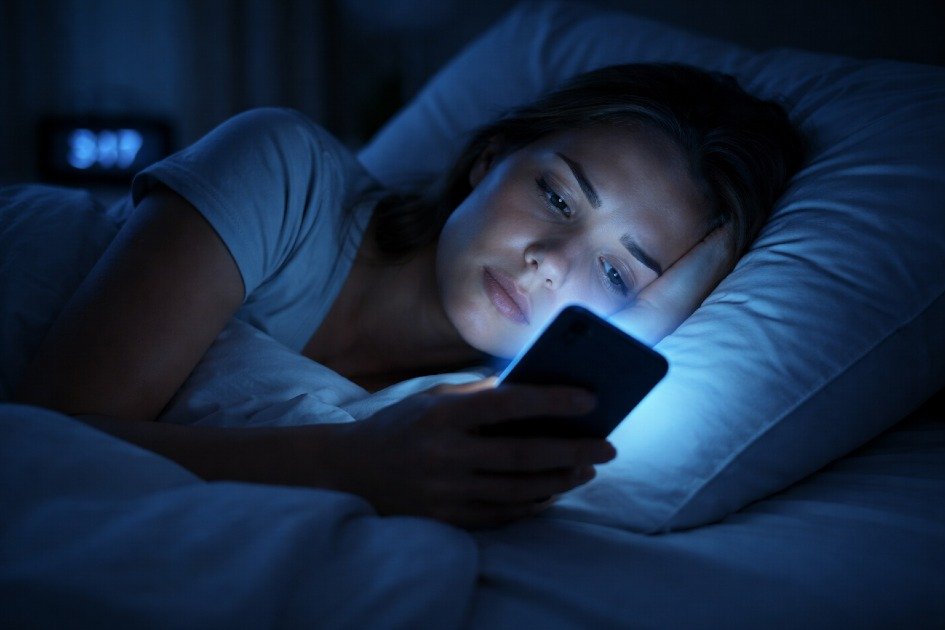
Technology and sleep sabotage
Using screens late at night can hurt your sleep. Blue light and constant alerts keep your brain too active to rest. When you understand this, you can sleep better and wake up with more energy.
Are smartphones quietly robbing you of sleep?
Buzzing alerts and endless scrolling can throw off melatonin, the hormone that guides your body at night. When that rhythm breaks, rest becomes choppy and you wake up feeling heavy and unfocused the next day.
Set a digital curfew one hour before bedtime. Switch on night mode or a blue-light filter, mute alerts, and place your phone out of arm’s reach. Turning off notifications helps your mind relax faster and supports deeper rest.
I saw a big change when I added a blue-light filter to my phone and stopped scrolling an hour before bed. I also bought blue light blocking glasses, which made reading easier on my eyes.
How does scrolling before bed harm your sleep?
Scrolling nonstop and reacting to likes, comments, or breaking updates can overload the brain. This constant emotional pull makes it harder to fully rest at night and leaves the mind less sharp during the day.
Log off social apps earlier each night to give your mind time to slow down. Use screen time limits to stay on track, then switch to calm habits like writing in a journal or reading a few pages of a book.
I stopped scrolling Instagram late at night and picked up a wellness book instead. My nights became more restful, and I now wake up feeling clear-minded, refreshed, and ready to focus.
How can you protect sleep from digital overload?
Phones, laptops, TVs, and smart gadgets keep the brain alert longer than it should. Their bright screens and constant alerts block melatonin, making it harder for the body to fully rest.
Create a calm, tech-free space by lowering lights and keeping screens out of the room. Choose simple tools like an alarm clock instead of a phone. Turn on “Do Not Disturb” and add a white noise machine if needed.
I bought a screen-free alarm clock and rearranged my bedroom to remove every device. My nights felt deeply restful, my mornings ran smoother, and I finally woke up clear and energized after years of feeling drained.
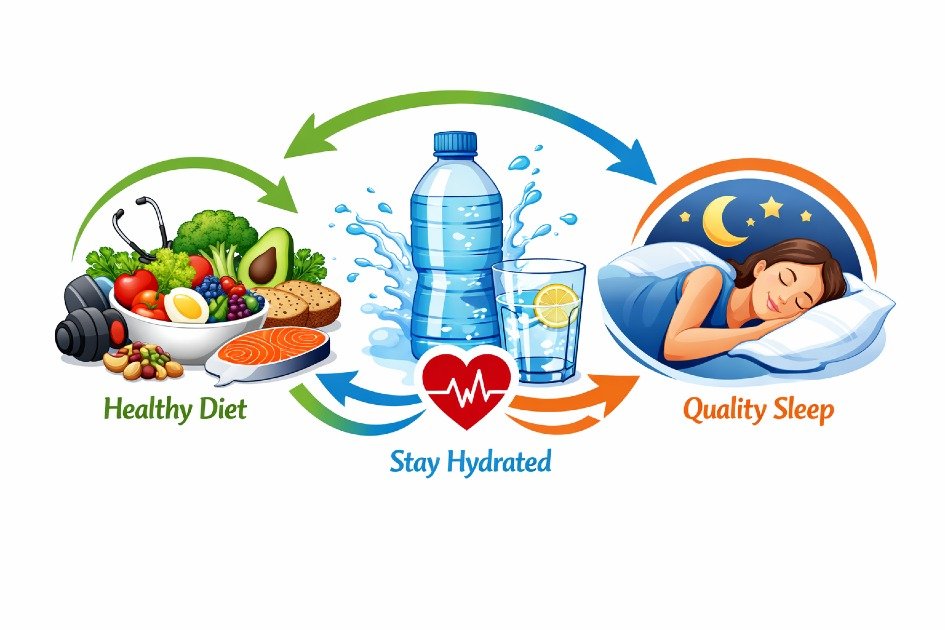
Diet, hydration, and sleep connection
Good sleep comes from caring for both body and mind. Eating well and staying hydrated help you rest deeply instead of tossing through the night.
Which foods secretly sabotage your sleep?
Eating heavy meals, sugary treats, or greasy foods late at night can upset your stomach and spike your blood sugar, leaving you tired and sluggish the next day.
Choose foods with whole grains, lean proteins, and magnesium like almonds, kiwi, and oatmeal. They boost natural calming hormones and help you rest. Eat for a meals few hours before bedtime for better digestion.
I used to grab chips and chocolate late at night and wake up feeling drained. Now I take a small handful of almonds with herbal tea.
Can dehydration steal your energy while you sleep?
Being dehydrated can make your nights restless by upsetting body temperature and slowing blood flow, causing you to wake up often and feel tired in the morning. Even mild dehydration can boost stress hormones, making it harder to reach deep, restful rest.
Drink water steadily throughout the day and eat juicy foods like cucumber and watermelon. Enjoy calming herbal teas like peppermint or rooibos to keep your body refreshed and relaxed.
I found that drinking my herbal hydration mix at night helped me rest through the whole night. I woke up feeling refreshed instead of tired.
Will alcohol or sugar ruin your natural sleep?
Drinking wine or eating sugary treats can make it hard for your body to fully rest. They spike insulin and stir your nerves, leaving you tired but not refreshed.
Reduce alcohol and sugar 4–6 hours before bedtime and pick snacks with protein or magnesium. Favor natural foods and drinks that support your body’s daily rhythm.
I swapped my usual nightly chocolate for a magnesium-rich dark chocolate and a soothing herbal tea. I rested more soundly and woke up full of energy, with my focus and mood noticeably better.

Move more, sleep better
Morning refreshment is linked to workout habits, where daily movement affects sleep quality, energy levels, and overall vitality. Recognizing this connection can improve restorative sleep through physical activity.
How can daily exercise help you sleep better?
Regular exercise keeps your body clock steady and boosts nightly rest. Skipping movement can make nights restless, leaving you tired, unfocused, and sluggish the next day.
Moving your body for 30 minutes each day lifts your mood and keeps stress hormones in check. Gentle stretches or yoga at night ease your muscles and help your body fully recharge.
I started using a good yoga mat for my morning stretches and evening routines. I fell asleep faster, woke up less during the night, and felt more energized in the morning.
Could night training ruin your sleep?
Late workouts can spike adrenaline and cortisol, breaking your rest and leaving you tired all day.
Start your day with high-intensity workouts and end it with gentle moves like stretching or tai chi. Listen to your body and rest if you feel sore or your heart beats fast. Light activity on recovery days keeps your energy steady and helps you feel your best.
I used to push through late-night HIIT workouts, thinking they would boost my stamina. Instead, I ended up tossing and turning and waking up drained. I switched to adjustable dumbbells and moved my intense workouts to the morning.
Which workouts boost sleep and energy fast?
Not all exercise helps you rest the same way. Intense workouts late in the day can keep your body wired, while sitting too much weakens recovery. Picking the wrong activity can leave you more tired and less refreshed.
Doing gentle evening exercises like yoga, Pilates, or walking helps you sleep better, while morning strength or movement workouts boost energy and make rest at night deeper.
Adding resistance bands to my morning routine and a short yoga flow at night completely transformed my rest. I wake up sharp, full of energy, and no longer need caffeine to get through the day.
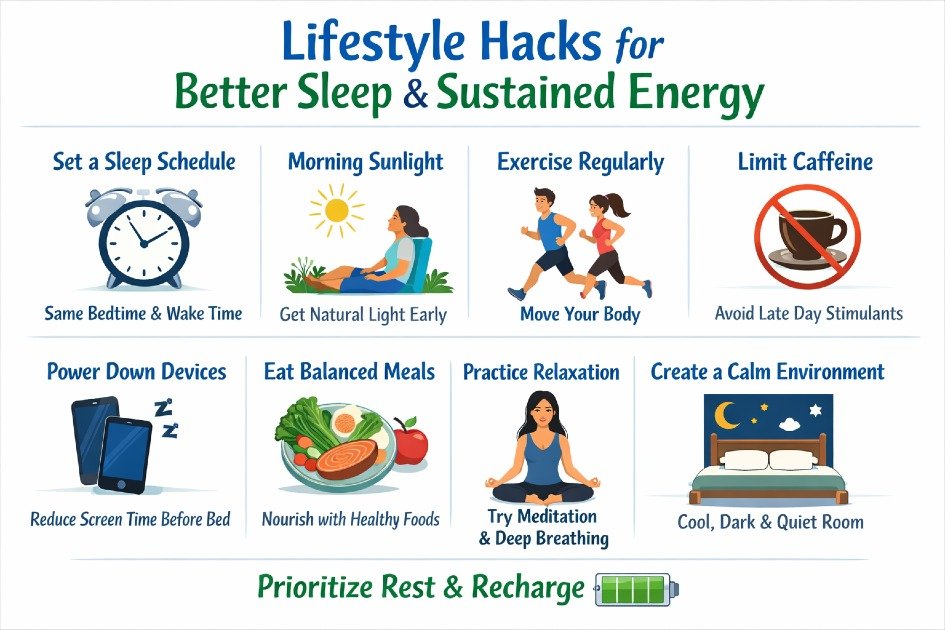
Lifestyle hacks to protect your sleep energy
Good sleep fuels your energy, yet small habits can drain it. Simple daily changes help you sleep better and feel more alive.
How do simple routines make sleep better?
Going to bed at the same time each night keeps your body clock steady. Skipping this routine can make you restless and tired, leaving you low on energy the next day.
Set up a calm pre-bed routine by spending the last hour before rest doing quiet activities like reading, gentle stretches, or journaling. Lower the lights to help your brain relax and stay away from phones or tablets, because their blue light can keep your body from resting deeply.
I started winding down with gentle relaxation and calming herbal tea each night. Within a few days, I tossed and turned less, woke up clearer, and felt steady energy all day.
How does mindfulness helps you rest better?
Stress and racing thoughts keep your mind awake, stopping you from resting fully. This leaves you drained, making it harder to focus, stay productive, and feel positive.
Adding mindfulness or meditation like box breathing, muscle relaxation, or guided imagery to your evening routine can ease your mind and body. Just ten minutes can lower stress and help you feel fully restored.
I began a 10-minute meditation each night and it changed everything. I wake up feeling fully rested and energized, ready to start my day without needing coffee or sugary boosts.
Which changes can improve your energy and sleep?
Daytime habits like not drinking enough water, too much caffeine, and skipping exercise can leave you tired, slow your metabolism, and make it harder to think clearly.
Drink water regularly, eat balanced meals, and stay active with morning walks or gentle yoga. End the day with stretching or foam rolling to keep muscles relaxed and ready for rest.
Using a water bottle with time markers and doing evening stretches on my yoga mat, I started feeling deeply rested. I wake up ready, my energy stays steady, and I can focus all day without needing coffee or other boosts.
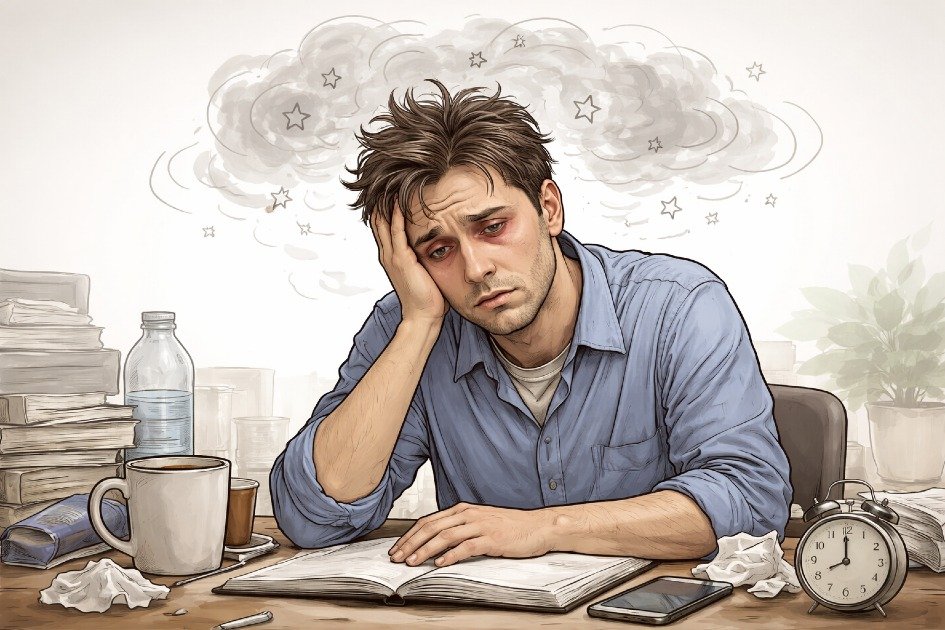
Long-term consequences of neglecting sleep
Skipping enough sleep slowly weakens your body, lowers immunity, and clouds your mind even if you think you are resting enough.
How does chronic sleep loss slow your body’s repair?
Not getting enough rest keeps your body stressed, slows metabolism, and weakens immunity. This constant tiredness makes it difficult to recover energy, repair cells, and fight off illness.
Keep a steady bedtime and wake up time to feel fully rested. Try relaxing activities before bed and track your patterns with a wearable app. Skip caffeine after 2 PM and limit screens in the evening to improve rest quality.
I used to feel perpetually drained, unable to focus on work. After introducing a nightly ritual with calming aromatherapy and a supportive memory foam pillow, my sleep quality improved and my mood lifted significantly.
Can poor sleep lead to serious mental health risks?
Going long without rest drains your energy and weakens your mood. It fuels worry, sadness, and memory struggles, increases stress, and can hurt relationships and work performance.
Unwind your mind at night with journaling, gentle meditation, or a cozy weighted blanket. Therapy can ease persistent troubles, and spending time in natural light each day keeps your body clock on track.
I started using a nightly meditation app and a Himalayan salt lamp and noticed my nights became calmer, my mind clearer, and my energy fully restored by morning.
Can skipping sleep raise serious health risks?
Not getting enough rest over time raises the chance of serious health problems like high blood pressure, heart issues, diabetes, and weight gain, while also hurting memory and decision-making without obvious warning signs.
Rest well each night by choosing comfortable bedding, winding down before bed, and talking to a doctor if rest feels difficult.
For years, I ignored how much rest mattered. Using a cooling mattress topper and keeping a steady nightly routine ended my morning grogginess. Now I wake up fully refreshed, alert, and energized all day.
Recap: Boost Energy with Better Sleep
Prioritizing sleep is essential for restoring energy and maintaining overall well-being. Fatigue upon waking signals poor sleep quality, which directly impacts focus and performance.
According to Harvard Health, sleep serves as a biological reset, with deep sleep crucial for bodily repair and energy replenishment, leading to increased natural energy and a refreshed feeling.
Disruptions like late-night activities and inconsistent schedules drain energy reserves. Simple changes, such as establishing a bedtime routine and optimizing sleep environments, can enhance sleep quality.
Viewing sleep as a strategic necessity rather than a luxury can lead to improved clarity and vitality. Embracing commitment to restorative sleep is crucial for endless energy and everyday performance.
Frequently Asked Questions
How many hours of sleep do I truly need to feel energized?
The ideal sleep duration for most adults is 7–9 hours per night. Insufficient nighttime rest can cause daytime fatigue, cognitive issues, and decreased immunity. Using a sleep tracker can help monitor sleep patterns for optimal energy.
Can naps replace poor nighttime sleep?
A quick 20–30-minute nap can boost alertness for a while, but it will not make up for a full night’s rest. Longer naps can confuse your body clock and leave you feeling groggy.
What are the fastest ways to recover energy after a bad night’s sleep?
Hydration, sunlight exposure, and light physical movement can effectively alleviate grogginess. Strategic morning caffeine intake helps enhance alertness while preserving sleep cycles.
Are there natural supplements that safely improve sleep quality?
Ingredients like magnesium, valerian root, melatonin, and chamomile enhance sleep latency and deep sleep. Choosing high-quality, clinically tested sleep supplements ensures safety and effectiveness.
How can I track my sleep to identify what is draining my energy?
Wearable technology and smart sleep apps offer insights into sleep cycles, heart rate variability, and disturbances, helping to identify energy-draining sleep patterns. Utilizing a smart sleep monitoring system can provide professional-grade insights.
Can technology be sabotaging my sleep without me knowing?
Staring at screens at night tricks your body, lowering melatonin and making you feel tired the next day.
To enhance sleep quality, it is recommended to limit screen time one hour before bedtime and use blue-light-blocking glasses.
Which foods and drinks affect sleep energy the most?
Caffeine, alcohol, and sugary foods can throw off your body clock, while turkey, nuts, and seeds help your body rest more deeply.
Is Stress secretly draining my sleep energy?
Elevated cortisol levels from stress can delay sleep onset and reduce deep sleep phases, resulting in fatigue despite sufficient hours in bed.
Mindfulness, meditation, and calming scents can reduce stress and recharge your body naturally.
Can my mattress or pillow impact sleep energy?
Uncomfortable bedding can leave you tired all day. Using a supportive mattress or memory foam pillow that keeps your spine aligned can boost rest and energy.
How do I know if I have a sleep disorder that is draining my energy?
Persistent daytime sleepiness, snoring, restless legs, or insomnia may signal a sleep disorder such as sleep apnea.
Early diagnosis and intervention are crucial for restoring energy. See a clinic or try a home test kit to check your rest quality.