
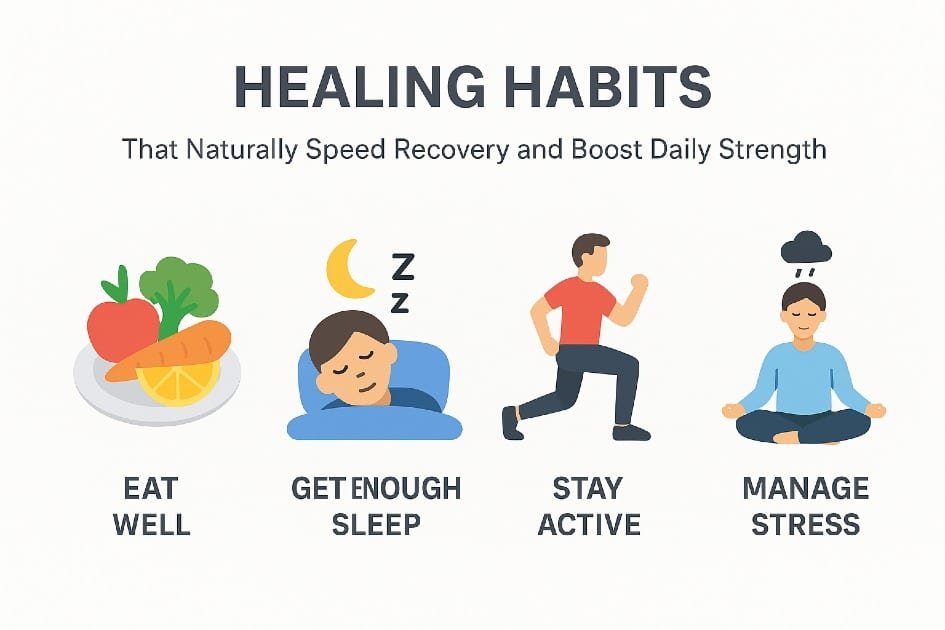

Have you ever wondered why some people seem to accelerate their recovery simply by adjusting a few daily habits if their body responds to healing on a deeper, more intuitive level?
Supporting your guts and balancing emotions boosts daily energy and helps your body recover faster through mindful habits.
Anti-inflammatory nutrition, restorative sleep, mind-body rituals, proper hydration, and environmental resets enhances immune defense and energy allocation for recovery.
According to Harvard Health, gentle stretching, hydration, sufficient sleep, and light massage are simple daily habits to enhance bodily recovery and strength rebuilding.
This guide emphasizes practices like restorative sleep, nutritious eating, mindful movement, and environmental detox that facilitate quick recovery from stress and fatigue.
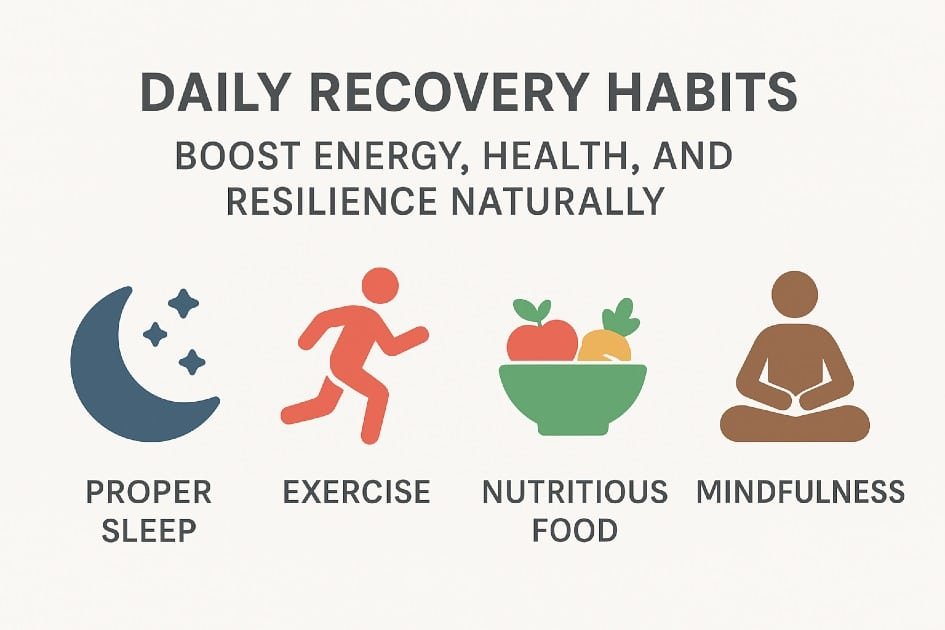
Why recovery depends on daily habits
Daily habits are essential to the body’s healing process, as they stabilize the body, repair tissues, reduce inflammation, and replenish energy. Consistent, supportive actions often yield greater momentum and result in a smoother, less stressful healing experience than drastic changes.
Consistent nourishment supports cellular renewal
Why it matters:
Proper nutrition helps your cells rebuild every day. Balanced meals keep energy steady and lower inflammation, helping your body stay strong.
How to do it:
- Choose simple whole foods for easy digestion
- Eat one healing food each day like berries or greens
- Add a nutrient-dense protein mix to cover daily needs
I used to feel drained after a small injury. When I started eating steady, anti-inflammatory meals, my energy stayed strong and focused all day.
Restful sleep activates deep repair
Why it matters:
Sleep activates the body’s repair cycle and helps it heal. During deep sleep, stress hormones settle, and the body works more smoothly. Muscles rebuild, and the immune system grows stronger when you get enough rest.
How to do it:
- Build a calm nighttime routine your brain trusts with soft lights or gentle stretches
- Keep electronics out of your bedroom to calm your mind
- Use magnesium when you need better sleep
After weeks of rough sleep, I felt stuck. When I changed my night habits with warm lights and soft music, my body calmed down, and I started feeling better fast.
Gentle movement keeps circulation strong
Why it matters:
Light movement helps nutrients travel through the blood, speeds up healing, and keeps the body from getting stiff. It also clears mental fog and supports steady emotions while you heal.
How to do it:
- Boost your day with a fast five-minute stretch
- Take a light walk after eating to help your blood flow better
- Keep your muscles strong with a gentle resistance band
After sitting for long hours at work, I felt sluggish and tense. When I started taking short walks, my body loosened up, my energy improved, and my soreness faded faster after workouts.
Calm rituals regulate the nervous system
Why it matters:
A calm mind lowers cortisol and helps the body heal. Stress blocks the signals your body needs to repair. A steady nervous system also supports good sleep, smooth movement, and easy digestion.
How to do it:
- Take one minute to breathe slowly when stress rises
- Create a calm habit each evening with reading, soft music, or light stretching.
- Try a soothing herbal tea to calm your body.
During a tough season in my life, my workouts hit a wall. When I added deep breathing to my mornings, my stress eased and my body started to heal again.
Clean spaces reduce hidden stressors
Why it matters:
Clutter raises stress and wears down your body. Clean air cuts irritants that strain your immune system, and a neat space helps to steady your mood for better long-term health.
How to do it:
- Tidy one small spot each day to keep your space calm and clean.
- Use plants or a purifier to clean your air
- HEPA air filters cut indoor irritants.
When I cleared my workspace, my mind felt lighter and I bounced back from mental fatigue faster.

Foods that speed up body healing
Nutrition plays a crucial role in recovery, influencing inflammation, energy, and tissue repair. By making thoughtful food choices, individuals can support their body’s healing process and enhance recovery, transforming meals into effective tools for strength.
Anti-inflammatory foods that calm the body
Why it matters:
Anti-inflammatory foods calm hidden irritation and lower oxidative stress so your cells can repair faster. They support smoother digestion and steady energy, helping your body focus on healing instead of fighting constant inflammation.
How to do it:
- Add bright foods such as berries, greens, and turmeric dishes to boost your health.
- Pick fatty fish for strong omega-3 support and use a quick omega-3 supplement on busy days.
- Choose whole food over packaged snacks to keep your recovery on track.
- Add simple herbs and spices like ginger, garlic, and rosemary to make healing meals taste great.
Once I added more anti-inflammatory meals, especially berries and turmeric, my energy became steady, and my morning stiffness faded. The results stayed strong.
Protein-dense foods that rebuild tissues
Why it matters:
Protein plays a key role in rebuilding muscles and tissues after stress, soreness, or injury. It helps protect your strength during long healing periods and supports healthy hormone balance, which speeds up how fast your body bounces back.
How to do it:
- Fuel your body with lean proteins from eggs, beans, tofu, chicken, and fish.
- Add protein powder when meeting your daily protein feels hard
- Eat balanced meals every 3–4 hours to keep your body healing.
- Pair protein with whole grains to feel full longer and boost nutrient use.
When I added more protein to my meals, my strength came back faster, and I felt steady all day. This gave me a solid foundation to feel better consistently.
Restorative sleep that fuels healing
Restorative sleep is vital for bodily recovery, allowing repair and reset each night. Many face sleep difficulties due to lifestyle habits that mislead the brain’s signals. Recognizing sleep’s importance in recovery can encourage healthier habits.
Bedtime rituals that tell your body it is time to heal
Why it matters:
Your body heals tissues and restores energy when you reach deep sleep. Calm routines help your mind and body shift from alert to relaxation. A steady bedtime ritual boosts melatonin, helping you sleep deeper, easing stress, supporting natural healing, and waking up stronger.
How to do it:
- Use warm, low lights to make your space calm and cozy.
- Try a calm wind-down with light stretches, reading, or slow breathing.
- Try a magnesium sleep supplement to help your body relax naturally
- Turn off screens an hour before bed to stop blue light from waking your brain
- Sip a warm, calming drink to relax your nerves
Habits that boost healing while you sleep
Why it matters:
Deep sleep keeps your muscles, nerves, and immune system strong. Your body stays coordinated with natural rhythms. A clean sleep setup improves oxygen flow and lowers stress, helping your body work at its best.
How to do it:
- Cool Your Room for Better Sleep and Quick Recovery
- Use blackout curtains or a sleep mask to reduce visual disruptions.
- Use a supportive cervical pillow to align your neck and help your body heal overnight.
- Keep the same bedtime every night, even on weekends, to balance your body clock.
- Use air-purifying plants or a small purifier to remove irritants.
I get better sleep when I make easy changes. I notice brighter mornings and steady energy. With each simple step, my nights feel smoother, and my body grows stronger over time.

Mind-body practices that relax and restore
Mind-body practices facilitate calmness and recovery by aligning mental and physical states. When the mind is relaxed, muscle tension decreases, leading to quicker healing.
Breath-focused relaxation
Why it matters:
Intentional breathing calms your nervous system by easing tension and improving oxygen flow. Deep, slow breaths steady your mind and help quiet racing thoughts that block emotional healing.
How to do it:
- Place a hand on your belly while sitting comfortably.
- Breathe in through your nose for 4 seconds and feel your belly lift.
- Breathe in, hold for 2 seconds, then slowly breathe out for 6 seconds.
- Try 5 to 8 rounds when stress hits.
- Anchor your practice with a calming essential oil diffuser.
This helped me in a tough season when my thoughts were all over the place. Slowing my breath gave me something steady to hold. Little by little, I felt calmer and more controlled.
Gentle mindful movement
Why it matters:
Gentle movement boosts circulation and nutrient delivery, aiding recovery and preventing stiffness. Mindful motion clears mental clutter, fostering steady recovery, while daily stretches enhance joint comfort and speed up recovery, especially after extended periods of sitting.
How to do it:
- Begin your day with five minutes of gentle stretching.
- Move your body freely without stress or strain.
- Do gentle neck rolls, shoulder circles, and slow side bends daily
- Try a cushioned yoga mat for floor workouts.
- Take quick breaks to stand stretch and breathe
I started mindful movement when I felt worn out. At first, I could only stretch for a minute, but that one minute lifted my mood. Soon, my body felt more awake, and everything started to feel possible again.
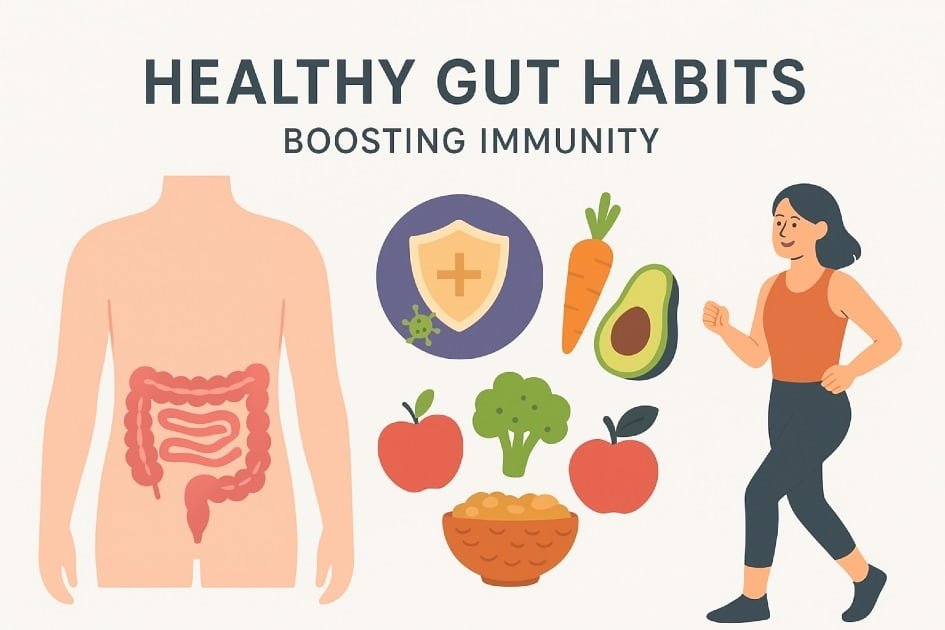
Gut-friendly habits that support immunity
Your gut plays a crucial role in health by improving immunity, energy levels, and recovery. Poor gut health can lead to problems like sluggish digestion and fatigue. Implementing simple, gut-friendly habits can facilitate quick improvements and support long-term recovery.
Eat fermented foods for daily immune strength
Why it matters:
Fermented foods strengthen your gut by adding healthy probiotics that repair the gut lining, calm inflammation, and balance digestion. They also help your body absorb nutrients better and support a stronger immune system.
How to do it:
- Try adding yogurt, kimchi, kefir, or sauerkraut to your meals.
- Try one fermented food at a time if your gut is sensitive.
- Use high-quality probiotic yogurt starters for steady health benefits
- Add fermented foods to salads, rice bowls, or smoothies to make healthy habits easy.
I used to come home tired after long workdays, and even simple tasks felt harder. Then I started adding a small serving of kimchi to my lunch. Within a week, my digestion felt easier and my energy rose.
Prioritize prebiotic fiber for a resilient immune system
Why it matters:
Prebiotic fiber feeds good gut bacteria, boosts the immune system, and eases fatigue and stress. It helps control blood sugar to prevent energy crashes and supports short-chain fatty acids that lower inflammation.
How to do it:
- Including bananas, garlic, oats, onions, and asparagus in your daily meals
- Try a plant-based prebiotic mix when whole foods are tough to eat.
- Stay hydrated to help fiber move and prevent stomach discomfort.
- Switch fiber types to keep your gut strong and diverse.
I used to struggle with slow digestion. Adding prebiotic fiber to my breakfast, like oats with bananas, made my gut feel lighter. My energy stayed steady, and I felt more rested even on busy days.
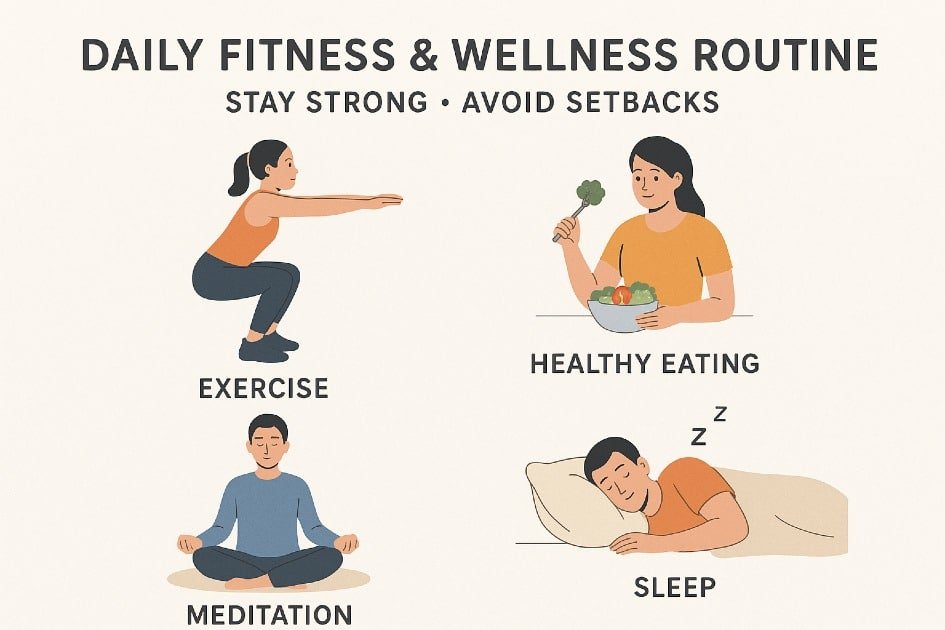
Routines to stay strong and avoid setbacks
Strength-building routines are essential for long-term recovery as they enhance muscle stability, joint alignment, and posture, thus minimizing bodily strain and preventing harmful habits. Incremental strength training, while it may seem daunting, improves resilience and facilitates smoother daily recovery.
Core-stability routines that support daily recovery
Why it matters:
A strong core protects the spine, boosts balance, and lowers injury risk. It also improves breathing and makes daily movement easier while reducing muscle strain.
How to do it:
- Try simple core moves like dead bugs, bird dogs, and 30-second planks.
- Breathe slowly with every move to engage your core and stay relaxed.
- Use light resistance bands for beginners to gain better control.
- Try these movements 3–4 times a week to grow strength without stressing your recovery.
When I started core exercises, I did not expect much. In two weeks, I stood taller, my lower back felt calmer, and moving through my day became easier.
Low-impact strength training that protects your joints
Why it matters:
Low-impact training improves strength with less stress on joints, aiding long-term recovery and circulation, reducing inflammation, and minimizing re-injury risks, especially beneficial for beginners or those returning after extended recovery.
How to do it:
- Try gentle exercises like step-ups, wall sits, or light dumbbell lifts.
- Alternate muscle days help each group recover fully
- Warm up, move gently, cool down, drink water, and refresh your body.
After my knee injury, high-impact workouts left me exhausted. Low-impact strength training gave me steady progress, eased joint pain, and let me get stronger without fear.
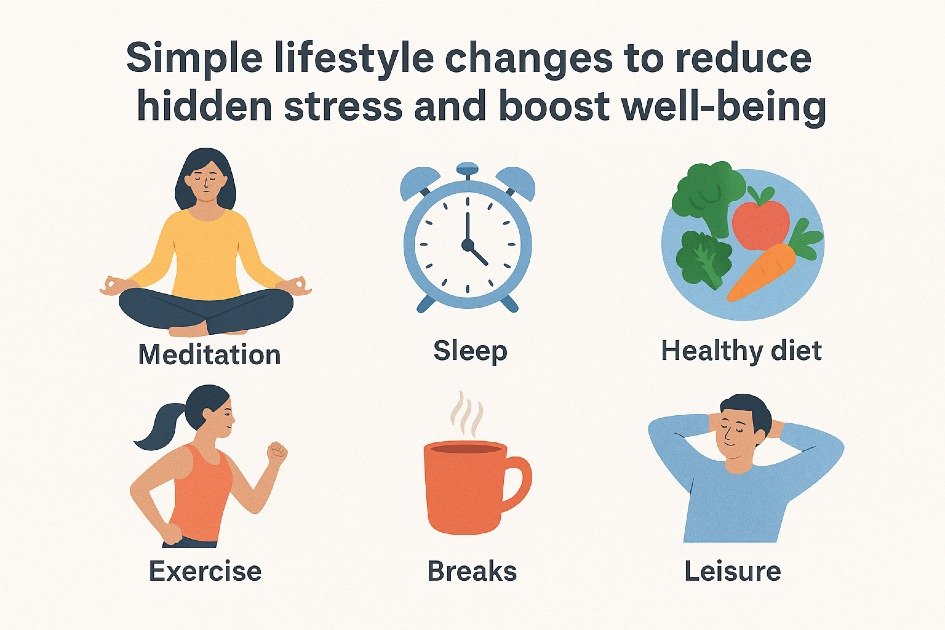
Hidden stress, stemming from habits like digital overload and clutter, can hinder recovery by draining energy and focus. However, making simple lifestyle adjustments can alleviate these mental burdens and facilitate quicker recovery, integrating easily into daily life.
Create a calming living space
Why it matters:
A calm, tidy room lowers stress, sharpens focus, and helps the mind stay clear and balanced.
How to do it:
- Clear clutter and leave surfaces open.
- Use gentle lighting to ease sensory strain
- Breathe easier with a small air purifier.
- Use soft sounds to calm your nerves
- Set up a cozy peace corner with a journal, candle, or favorite book.
Slight changes help me relax faster and feel stronger over time.
Reduce digital overload
Why it matters:
Too much screen time harms sleep and fills the mind with clutter. Cutting back on devices helps you think clearly and stay productive.
How to do it:
Small adjustments help you stay connected without sacrificing your wellbeing.
- Silence unneeded notifications to keep your mind calm
- Wear blue light glasses or use a filter at night.
- Turn off screens an hour before bed.
- Put your phone away during meals to eat mindfully and improve digestion.
I give my mind a break from constant buzz and let my body find its natural rhythm.
Emotional habits that build resilience
Emotional resilience improves stability in facing challenges, facilitating stress management, mood enhancement, and physical recovery. Cultivating strong emotional habits enables quicker mental resets and positive internal transformations that support ongoing recovery, restoring balance, focus, and energy.
Positive self-talk that strengthens your inner stability
Why it matters:
Maintaining calmness during disruptions, reducing emotional tension, supporting confidence in slow recovery, focusing on solutions, and fostering a stable mindset are essential for long-term recovery.
How to do it:
- Turn negative words into gentle ones
- Carry a daily affirmation or mindset journal
- Think of one small step you can take now to move ahead
- Encourage yourself like you encourage friends.
When I started changing my inner thoughts, I felt stronger because I stopped wearing myself down with harsh self-criticism.
Stress-relief rituals that calm your system
Why it matters:
It reduces stress, steadies the brain’s rhythm, protects sleep, eases tension, and promotes a calmer mind.
How to do it:
- Breathe away stress in two minutes
- Sip warm tea, stretch gently, or enjoy calming essential oils.
- Get sunlight to ease stress.
- Quiet your mind by cutting noise and digital clutter
I felt stronger when I turned stress relief into a daily habit. Even short breaks helped my mind clear and my body relax.
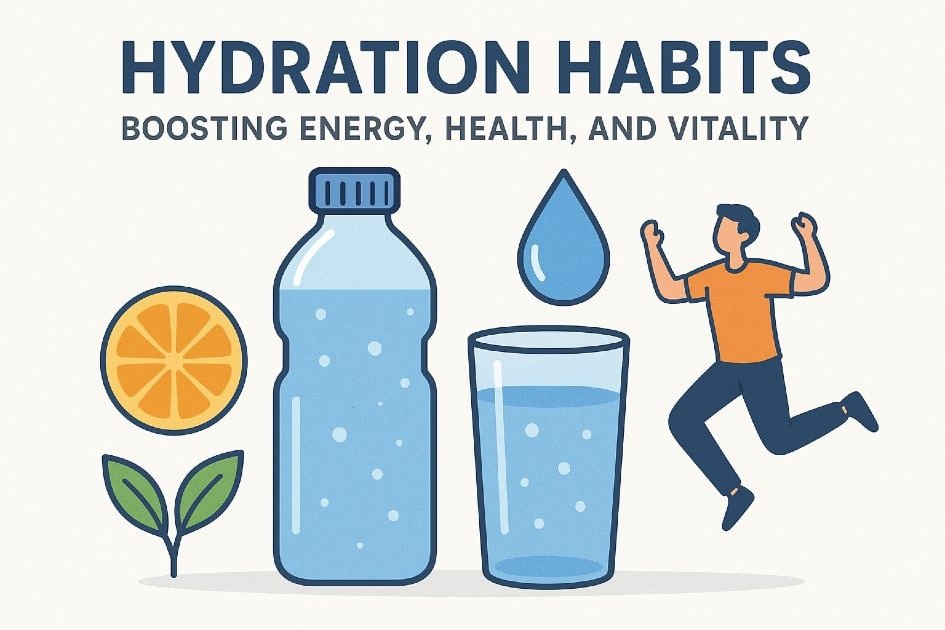
Hydration habits that replenish and revitalize
Water keeps you sharp, strong, and ready to recover. Lack of fluids causes stiffness, mental fog, and extended recovery from stress. Developing simple daily hydration habits can improve well-being and assist the body’s recovery processes.
Hydrate with purpose throughout the day
Why it matters:
Drinking water regularly boosts digestion, circulation, and nutrient absorption. It eases fatigue, reduces muscle tightness, clears toxins, and sharpens focus, helping you manage stress and feel energized.
How to do it:
- Sip water throughout the day to let your body absorb it fully instead of flushing it out.
- Use a smart reusable water bottle with reminders to drink regularly.
- Boost absorption with a dash of sea salt or a splash of lemon.
- Stay hydrated by logging your water intake in a journal or app.
- Drink water first thing in the morning to keep your recovery on track all day.
I started sipping water slowly instead of gulping. The change felt small, but my afternoon energy stayed steady. My muscles felt better after workouts.
Use electrolytes wisely to support full-body recovery
Why it matters:
Electrolytes are crucial for hydration, nerve function, muscle performance, and heart rhythms, which facilitate effective recovery. Loss of essential minerals through sweating can hinder recovery and increase fatigue. By stabilizing hydration, electrolytes support recovery from physical stress and exertion.
How to do it:
- Try a natural, low-sugar electrolyte powder rich in minerals.
- Drink electrolytes when exercising, walking long distances, or facing stressful days.
- Pick products with magnesium, potassium, and sodium for complete support.
- Switch flavors and mix-ins to keep meals fun
I started adding electrolytes to my mornings twice a week and my energy stayed steady. After workouts, I bounced back faster and skipped my usual mid-day slumps.

Clean-environment habits that boost wellness
A clean environment enhances well-being and aids recovery by improving focus, air quality, and reducing visual clutter, which in turn uplifts mood and speeds up stress recovery.
Air-quality habits that help your body heal
Why it matters:
Poor indoor air quality can hinder recovery by making the lungs and immune system work harder. Clean air improves oxygen flow and boosts energy, leading to better sleep quality, which enhances recovery.
How to do it:
- Choose a small air purifier that catches dust, pollen, and germs
- Breathe fresh air by opening windows 10 minutes a day
- Bring in peace lilies or snake plants to clean indoor air naturally.
- Change HVAC filters each season to keep your recovery space clean and healthy.
I placed a purifier by my bed, and my morning headaches disappeared. Cleaner air made a bigger difference than I ever imagined.
Clutter-free habits that support mental calm
Why it matters:
A cluttered space stresses the mind; keeping things tidy calms emotions and boosts focus.
How to do it:
- Focus on one small spot like a drawer, nightstand, or shelf.
- Sort your items simply into keeping, donating, or recycling
- Store items in baskets and clear bins to calm clutter
- Keep daily essentials handy with a simple desk organizer.
When I cleared my work desk, I felt my focus sharpen and my daily stress melt away.
Recap: Habits That Heal You Naturally
Practices such as anti-inflammatory nutrition and hydration can significantly improve recovery speed, given our bodies’ remarkable adaptability.
Harvard Health notes that small daily habits like eating real food, moving more, sleeping well, and practicing mindfulness slowly heal your body and mind from the inside out.
Enhancing cellular recovery and emotional well-being promotes physical wellness but also mental clarity and balance, turning recovery into a vibrant lifestyle.
As you adopt these habits, recognize your growing resilience and commit to thriving from within, ensuring that recovery becomes a consistent and enriching part of life.
Frequently Asked Questions
What are the most effective habits to accelerate recovery?
Accelerating recovery involves prioritizing restorative sleep, anti-inflammatory nutrition, and gentle movement. Mind-body practices like deep breathing and meditation help reduce stress hormones that hinder recovery.
Additionally, tools like a premium sleep mask or posture-support band can enhance these habits for quicker and more sustainable recovery.
How long does it take to notice results from healing habits?
The recovery timeline varies by individual, often showing improvements in energy, soreness, and mental clarity within 1–2 weeks.
Patience is essential as the body adapts to healthy habits, such as hydration, nutritious meals, and detoxification. Electrolyte hydration mixes can offer quick relief during this adjustment.
Can small daily changes really make a difference in recovery?
Small lifestyle changes such as anti-inflammatory smoothies, mindful breaks, and increased sleep can significantly enhance recovery by aiding healing, lowering inflammation, and boosting resilience.
Additionally, using wellness journals to track habits can facilitate improvements and accelerate recovery.
Which foods and nutrients support faster recovery?
Specific nutrients significantly influence the body’s recovery processes. Omega-3 fatty acids, collagen, magnesium, and antioxidants aid in cellular repair and muscle recovery.
Additionally, fermented foods such as kimchi and kefir enhance gut health, improving nutrient absorption and recovery. Antioxidant supplements can further amplify these effects.
How does hydration influence the recovery process?
Hydration is essential for recovery, regulating cellular functions, flushing toxins, and maintaining blood flow to heal tissues effectively.
Using a hydration tracker bottle can help ensure consistent hydration, thereby enhancing recovery processes.
Can emotional and mental habits impact physical recovery?
Chronic stress, negative self-talk, and poor emotional regulation can hinder recovery by increasing cortisol levels and decreasing restorative hormones.
Techniques like mindfulness, journaling, and support from communities promote a mental environment that aids faster recovery, with guided meditation enhancing accessibility and effectiveness of these practices.
Is it possible to prevent setbacks during recovery?
Prevention is crucial for ongoing recovery, involving strength routines, a healthy diet, adequate sleep, and detox practices to reduce inflammation and fatigue.
Utilizing ergonomic support and natural sleep aids can help alleviate strain and ensure a smooth recovery process.
Can recovery be optimized without supplements?
Supplements can enhance recovery results, but essential habits such as sufficient sleep, mindful movement, nutritious food, hydration, and stress management provide the fundamental basis.
Supplements like collagen powder and antioxidant capsules work best alongside these core practices.
How do environmental factors affect healing and recovery?
A clean, toxin-free environment enhances recovery by reducing physiological stress caused by poor air quality, noise, and clutter.
Improvements such as enhancing indoor air, minimizing EMF exposure, and creating peaceful spaces can significantly aid in tissue repair and mental clarity.
Can I track my recovery progress effectively?
Tracking indicators such as sleep quality, hydration, movement consistency, and energy levels offers valuable insights into recovery progress.
Utilizing a wellness tracker or journaling aids in pattern recognition, habit optimization, and celebrating small improvements, making recovery a deliberate and observable process.