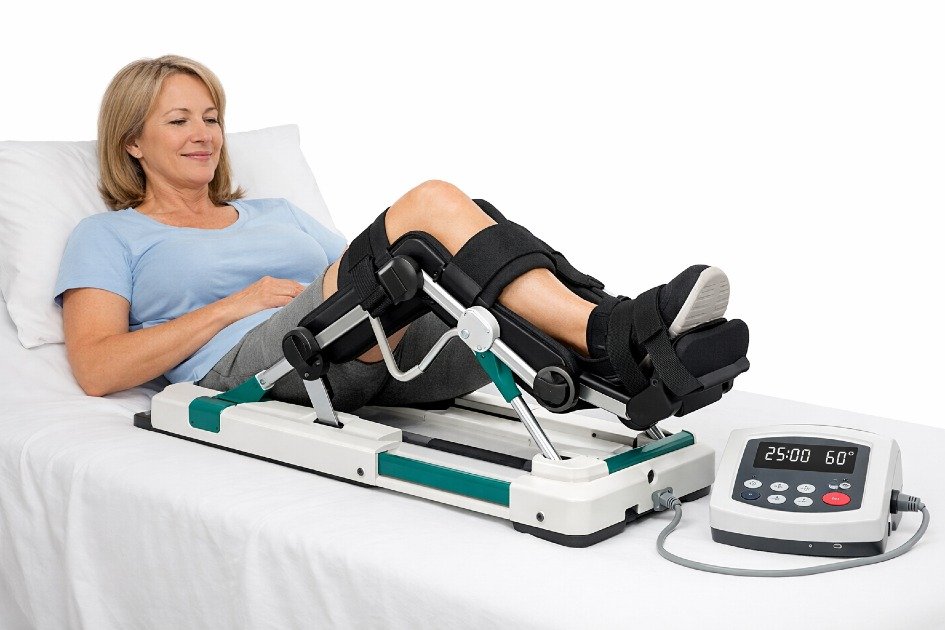
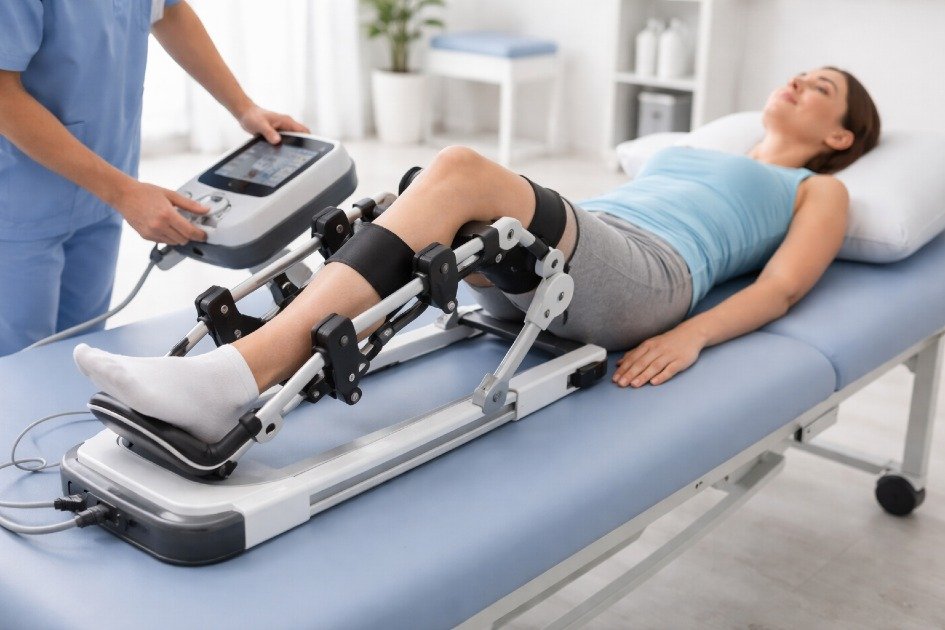
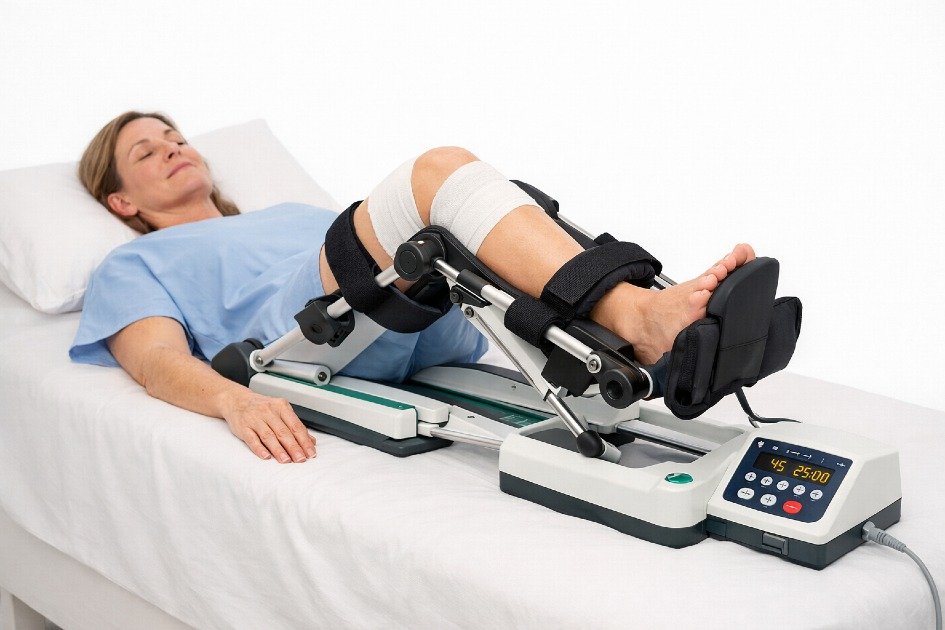
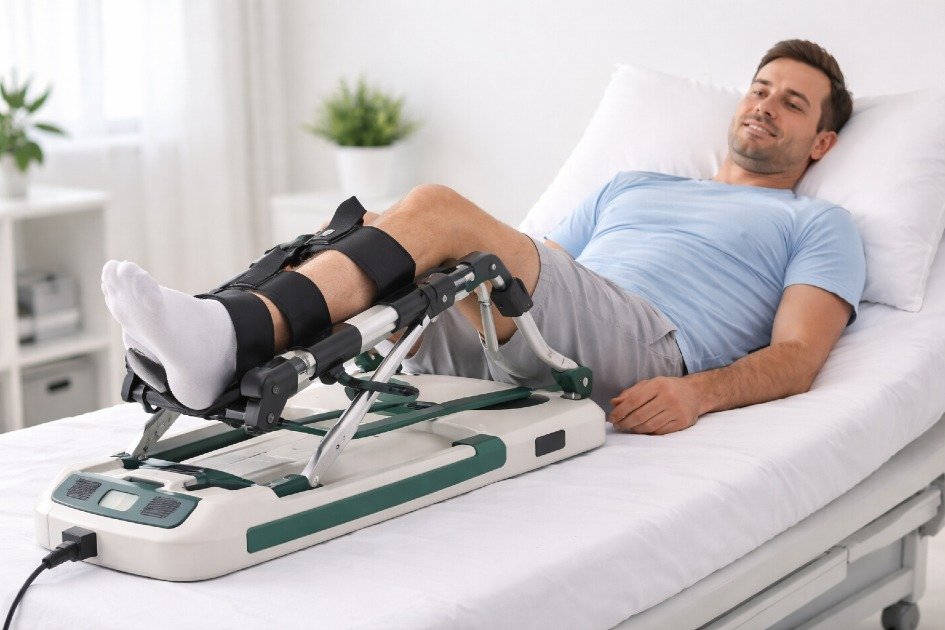
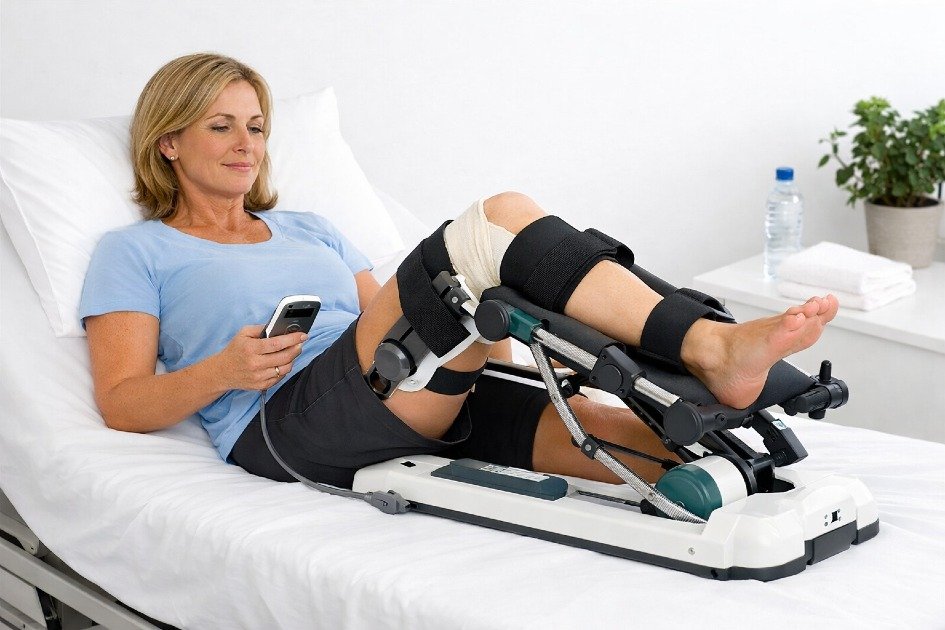
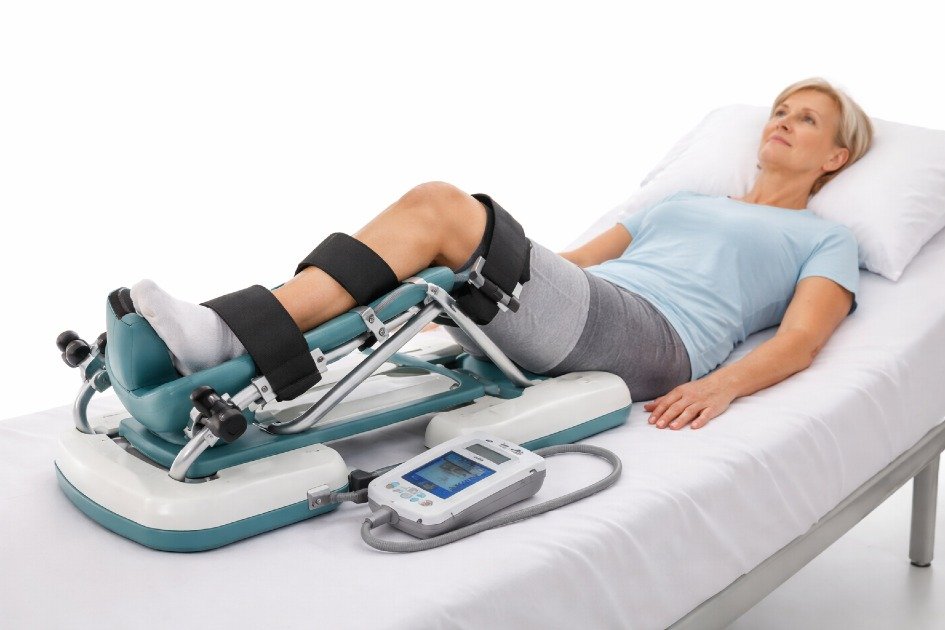
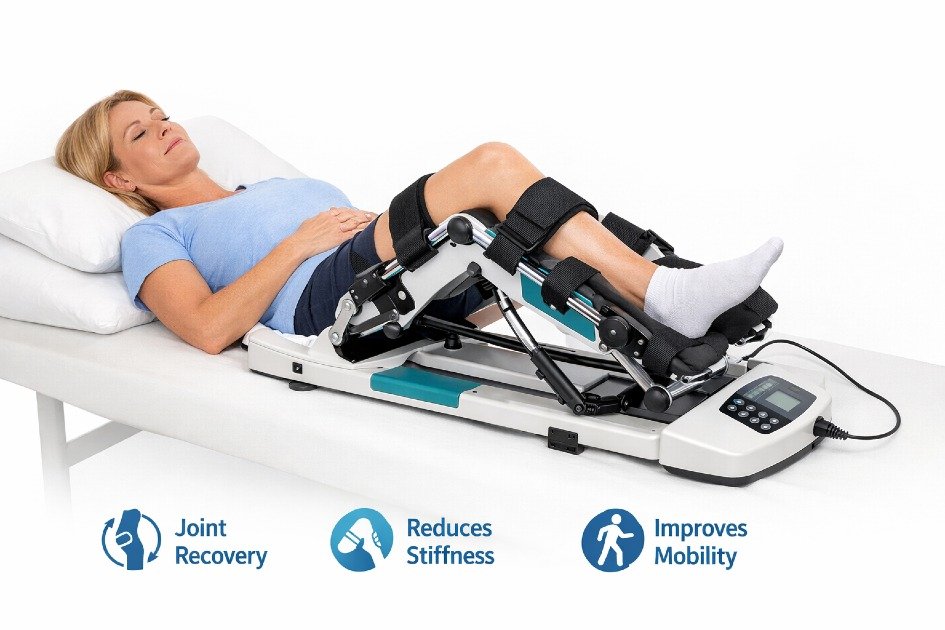
The Continuous Passive Motion machine is a motorized rehabilitation device designed to gently move a joint through a controlled range of motion without requiring muscle effort. Commonly used after knee, hip, or shoulder surgery, it helps reduce stiffness, improve circulation, and maintain joint flexibility during the early stages of recovery.
Many orthopedic specialists recommend Continuous Passive Motion therapy because consistent passive movement supports tissue healing and prevents joint immobility. With adjustable settings and ergonomic supports, modern CPM machines allow patients to continue rehabilitation comfortably at home.
Specs
Product Type: Continuous Passive Motion Machine
Primary Use: Joint rehabilitation therapy
Target Joints: Knee, shoulder, hip (model dependent)
Motion Type: Motorized passive movement
Range of Motion: Adjustable flexion and extension angles
Portability: Foldable or lightweight design (varies by model)
Typical Use Duration: 30–120 minutes per session
Pros
Helps reduce stiffness and swelling
Simple controls suitable for home use
Supports circulation and tissue healing
Encourages gentle joint mobility during recovery
Adjustable range of motion for personalized therapy
Cons
Insurance coverage varies
Some models are bulky to store
Does not replace active physical therapy
May require medical guidance before use
A continuous passive motion (CPM) machine helps restore knee mobility after surgery by moving the joint slowly and consistently.
Continuous Passive Motion (CPM) machines have emerged as a meaningful advancement in physical rehabilitation — especially after joint surgery.
Backed by research from the National Institutes of Health (NIH), controlled passive movement is often recommended to support circulation, minimize stiffness, and protect healing tissues.
Is Continuous Passive Motion Worth It?
If your recovery plan demands early joint movement without added strain, Continuous Passive Motion machine stands out as a practical, results-driven tool.
It keeps your joint in motion when your body isn’t ready to do the work itself—helping reduce stiffness, support circulation, and protect mobility during the most vulnerable stage of healing.
That said, it’s not a standalone fix. Continuous Passive Motion works best as a complement to guided physical therapy, not a replacement.
When used consistently and correctly, it can speed up early recovery and make the transition to active movement smoother and less painful.
If your goal is to regain mobility faster and avoid joint stiffness after surgery or injury, Continuous Passive Motion is a smart, clinically backed addition to your recovery routine.
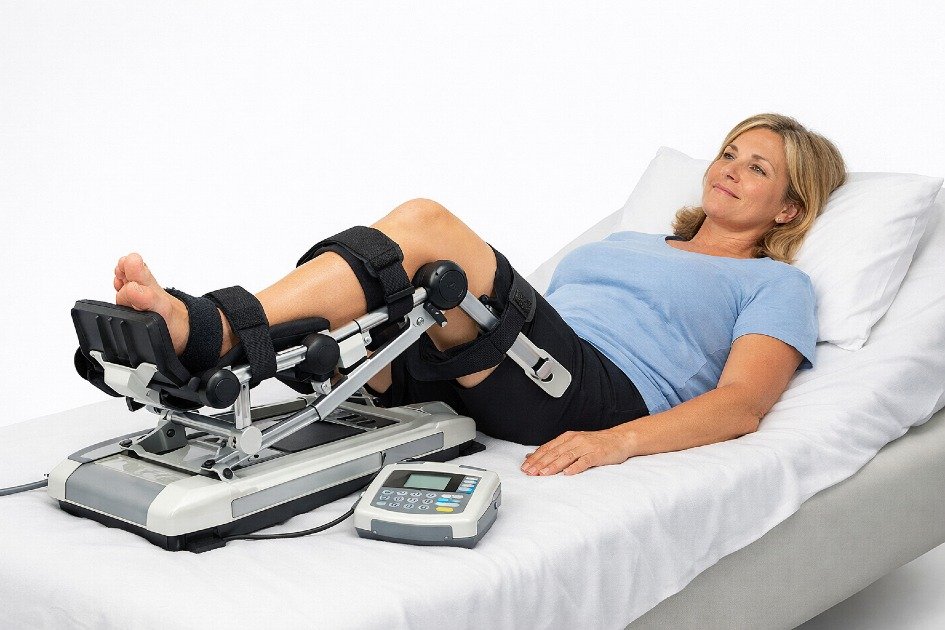
A Continuous Passive Motion (CPM) machine slowly moves the knee joint to support recovery and restore mobility after surgery.
What Is a Continuous Passive Motion Machine?
A Continuous Passive Motion machine is a motorized rehabilitation device that gently moves a joint — often the knee, hip, or shoulder — through a controlled range of motion without requiring muscle effort from the user.
Traditional physical therapy relies on active engagement, but with CPM:
The device moves the joint automatically.
Muscles remain relaxed.
Passive stretching promotes tissue gliding and nutrient circulation.
This approach supports early-stage recovery protocols and can reduce post-operative complications when used appropriately.
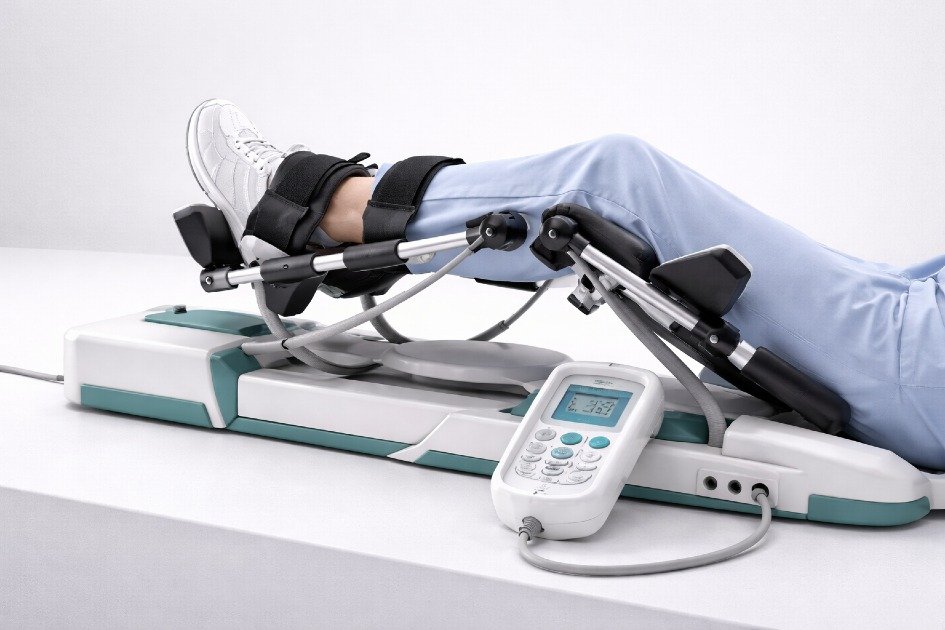
CPM machines help restore knee mobility through controlled, continuous movement during rehabilitation.
Why CPM Machines Are Trending Now
In recent years, rehabilitation has shifted from “static therapy” to dynamic recovery. Patients and clinicians are recognizing that early tissue mobilization — when done safely — helps:
Prevent adhesions and scar tissue buildup.
Improve synovial fluid circulation.
Maintain joint flexibility before active strength training begins.
Insurance providers and orthopedic experts increasingly recommend CPM as part of accelerated recovery pathways — especially for knee replacement and ligament repair.
This trend reflects a broader emphasis on functional recovery over immobilization.
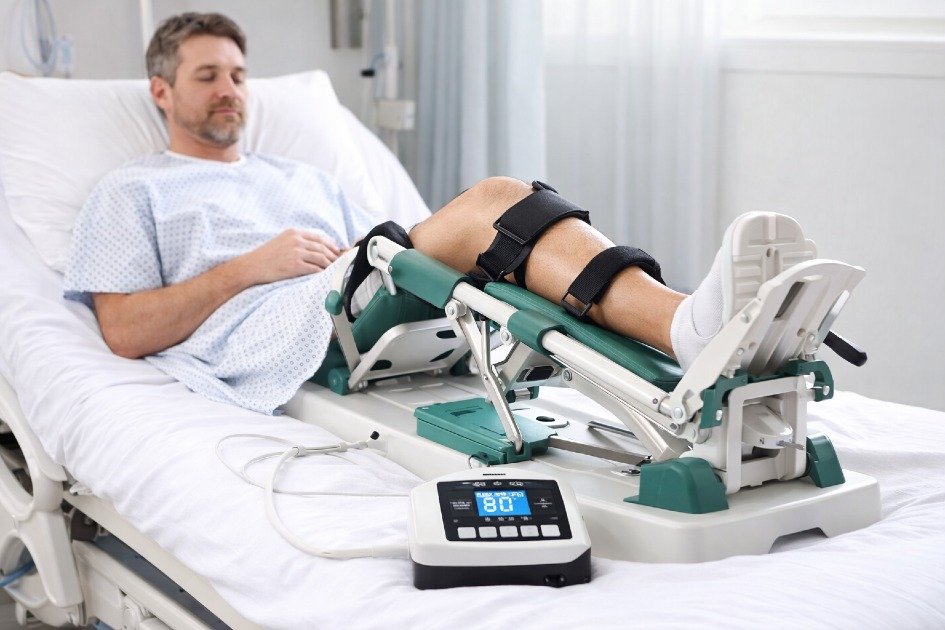
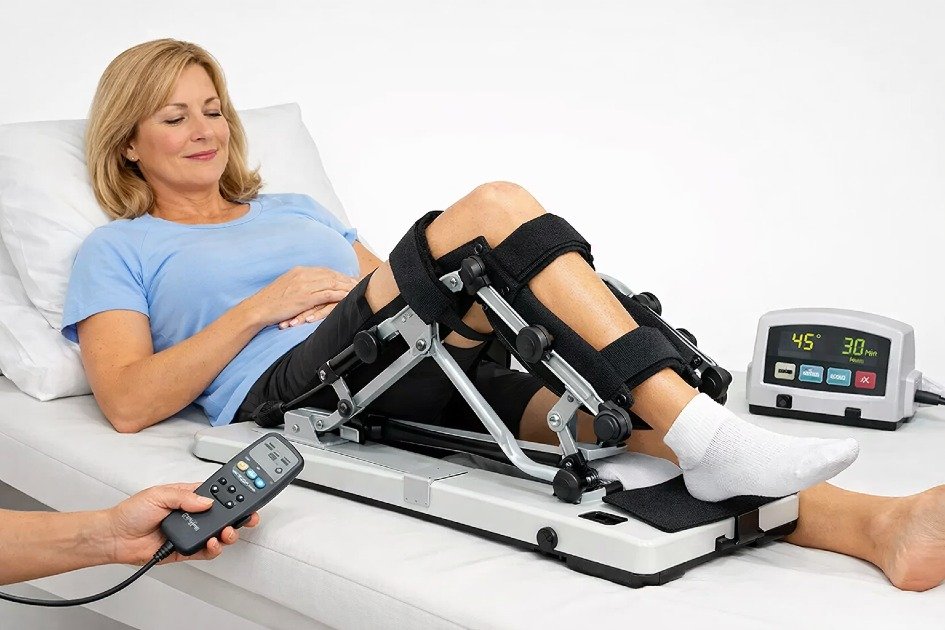
A CPM machine supports safe, controlled knee movement to improve circulation, flexibility, and recovery after surgery.
Key Features
Not all CPM machines are built the same. Prioritize these features when evaluating options:
1. Range of Motion Adjustability
Adjustable degrees of flexion and extension let you:
Progress with your rehabilitation plan.
Match clinical recommendations.
Prevent overstretching during early healing.
2. User-Friendly Controls
Look for intuitive interfaces:
Digital displays
Pre-programmed therapy settings
Easy-to-read adjustments
Simple controls help users stay consistent without frustration.
3. Comfort and Ergonomics
Padding, straps, and custom fits matter because:
Therapy is more consistent when comfortable.
Improper alignment can cause irritation.
Joint positioning affects recovery quality.
4. Quiet Operation
A quieter motor encourages longer, more frequent use — especially at home.
5. Portability and Storage
Some units fold or disassemble for travel and easy storage. This boosts long-term adherence.
Continuous Passive Motion (CPM) therapy helps improve joint mobility, reduce stiffness, and support faster recovery after surgery or injury.
Benefits of Continuous Passive Motion
CPM machines offer several advantages when used properly and under professional guidance:
Improved Joint Flexibility: Regular passive movement encourages tissue pliability.
Enhanced Healing Conditions: Movement supports nutrient-rich fluid circulation.
Reduced Swelling and Stiffness: Gentle motion can alleviate painful rigidity.
Less Reliance on Early Active Effort: Helps when muscle engagement is limited.
CPM machines provide controlled, continuous motion that may support recovery after knee surgery or injury.
Who Should Consider a CPM Machine?
CPM machines are particularly useful for:
Postoperative Rehabilitation: After knee, hip, or rotator cuff surgery.
Joint Stiffness Conditions: Osteoarthritis flare-ups or recovery from immobilization.
Early Recovery Stages: When active therapy is limited by pain or medical protocol.
Clinics and Physical Therapy Programs: For patients requiring controlled mobilization.
Always consult a physical therapist or surgeon before beginning CPM therapy.
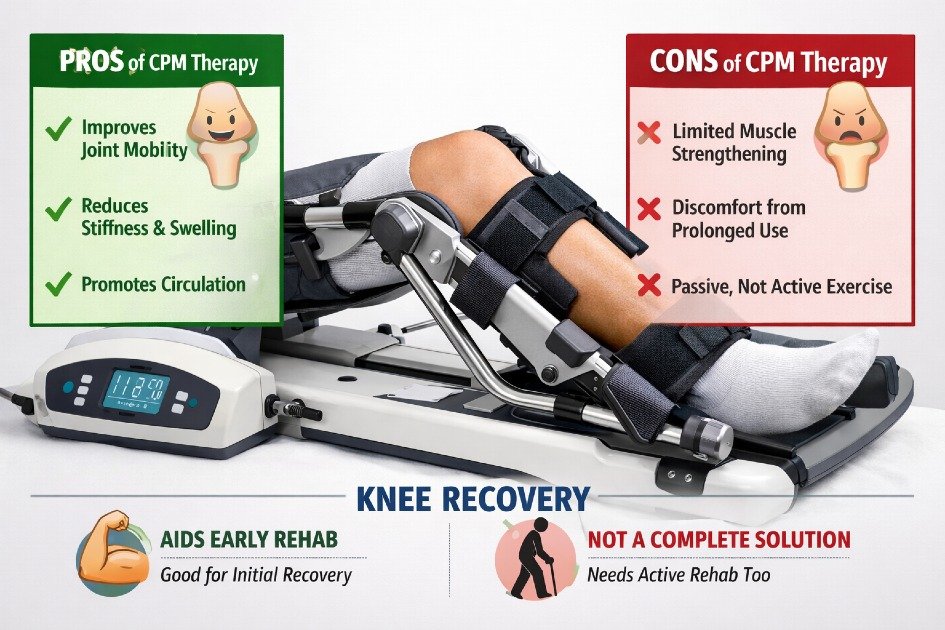
Understanding the advantages and limitations of CPM machines for faster and safer post-surgery knee rehabilitation.
Pros and Cons
Pros:
Promotes early joint movement
Helps reduce swelling
Precisely controlled motion
Can be used at home
Adjustable settings for individualized therapy
Cons:
Not a replacement for active physical therapy
Requires commitment and consistent use
May not be covered fully by insurance
Not suitable for all injuries or conditions
Learn how to safely and effectively use a CPM machine to speed up knee recovery and improve mobility after surgery or injury.
How to Use a Continuous Passive Motion Machine
Step-by-Step:
Set Up According to Instructions: Align the joint carefully and secure straps snugly.
Adjust the Range of Motion: Start with lower angles as recommended by your therapist.
Start Slow: Begin with short sessions — often 30–60 minutes.
Increment Gradually: Increase range and duration gradually as healing progresses.
Stay Consistent: Daily sessions yield better outcomes than sporadic use.
Frequently Asked Questions
Will a Continuous Passive Motion machine eliminate the need for physical therapy?
No. It complements, but does not replace, active therapy guided by a professional.
How long should I use Continuous Passive Motion per day?
Protocols vary — typically 1–2 hours per day in early stages, per clinician guidance.
Is Continuous Passive Motion machine painful to use?
The goal is gentle movement. Discomfort may occur early, but sharp pain is a sign to stop and consult.
Can I use Continuous Passive Motionmachineat home?
Yes — many models are designed for home use with clinician instructions.
Final Verdict
A Continuous Passive Motion machine can be a powerful tool in your recovery toolkit when used correctly and under medical supervision.
It supports early mobilization, guards against stiffness, and enhances comfort during rehabilitation.
Whether you’re recovering from surgery or managing joint stiffness, choosing a CPM machine with adjustable settings and ergonomic design can make a real difference.
If you’re facing joint recovery or want a structured way to maintain mobility after surgery, explore top-rated Continuous Passive Motion machines tailored to your needs.
Click below and choose options for a unit that fits your recovery goals.