


Have you ever wondered why some people seem to thrive with more energy, sharper focus, and a calmer mindset —as if they have unlocked a hidden formula for wellbeing?
Understanding and strengthening each pillar of a healthy life helps your whole-body work better. When you fuel your body well, stay active with purpose, handle stress, sleep deeply, and build strong connections, you support every part of your health.
Each pillar acts like a support beam. When one grows stronger, the others grow with it, creating balance and long-lasting well-being.
According to Harvard Health, the key components of a healthy lifestyle include a plant-based diet, regular physical activity, maintaining a healthy weight, avoiding smoking, limiting alcohol consumption, and ensuring sufficient sleep.
This guide highlights key pillars of interconnected support that help individuals cultivate a healthier, more purposeful lifestyle, leading to increased energy, mental clarity, and a more empowered self-aligned desire in life.

Nourishing your body
Building a strong house on shaky ground is crucial for health. Nourishing your body is the pillar of any thriving lifestyle and can be strengthened through one meal and habit at a time.
Choosing whole foods that fuel energy and vitality
To boost your health, prioritize whole foods like vegetables, fruits, lean proteins, and complex grains over processed snacks.
Avoid convenience foods that deplete energy and promote inflammation. Plan meals ahead and keep staples like high-quality protein powders, quinoa, and colorful produce on hand.
I switched my afternoon chips for a handful of nuts and fresh berries. My energy stayed steady, my mood lifted, and my stomach felt better. This shows how strong this healthy habit can be.
Balancing macronutrients without overcomplicating meals
Balance proteins, fats, and carbohydrates is crucial for energy, repair, and hormonal stability.
Avoid overemphasizing one macronutrient and use simple ratios of 30% protein, 30% healthy fats, and 40% complex carbs, including omega-3 supplements for brain and heart health.
I used to skip healthy fats, worried they would ruin my weight goals. Once I added avocados and olive oil to my meals, I felt fuller, had more energy, and my skin looked better showing that healthy fats help both body and mind.
Hydration habits that transform your health
Water is essential for overall wellness, supporting digestion, nutrient absorption, brain function, and toxin elimination.
Avoid mistaken thirst for hunger and aim for half your body weight daily. Infuse water with citrus, cucumber, or herbs for flavor. Keep a BPA-free water bottle nearby.
I started using a small app to track my water. The change surprised me. I had more energy in the afternoon, fewer headaches, and my skin looked better. Drinking enough water is not flashy, but it keeps your whole body working well.
Meal timing and mindful eating
Nourishing your body involves not only what you eat but also when and how you eat.
Mindless snacking and fast food can disrupt digestion and metabolic balance. Prioritize dedicated meal times, savor flavors, and incorporate mindful eating practices for better health.
I turned meals into a mini meditation. Spending just 15–20 minutes eating with focus cut my cravings and gave me control. This mindful habit fuels my body and builds a rhythm it loves.
Supplements as supporters, not replacers
Supplements can help bridge nutrient deficiencies but not replace whole foods.
Focus on essentials like multivitamins, vitamin D, and magnesium, and consult a healthcare professional before starting any regimen.
Smart supplements filled gaps in my diet, gave me more energy, and kept my immune system strong during stressful times. They helped my body get the nutrients it needed to stay healthy, even when life got busy.

Movement that matters
Exercise is not just about gym workouts; it is a lifestyle that promotes strength, agility, and mental clarity, allowing for movement anytime, anywhere, promoting overall wellness.
Functional fitness for everyday strength and mobility
Functional fitness involves exercises mimicking real-life motions to improve strength, balance, and mobility, aiding in everyday tasks like lifting groceries or climbing stairs.
- Bodyweight exercises like squats, lunges, and push-ups are non-equipment-based and can be performed in your living room or backyard.
- Resistance bands are a low-impact strength training method that promotes stability without causing joint stress.
Using resistance bands for just 15–20 minutes of morning functional exercises improved my balance and eased body aches. Bringing the gym right into my home boost both my mental strength and physical health.
Cardio routines that boost heart health and endurance
Cardiovascular health is crucial for movement, but it does not have to be monotonous; make it exciting and accessible to prevent people from abandoning workouts.
- Outdoor brisk walks or hikes. Fresh air and nature provide mental rejuvenation alongside physical benefits.
- High-intensity interval training (HIIT) for short bursts of energy expenditure that ignite metabolism and improve endurance.
- Dance-based workouts or cycling are fun, engaging ways to elevate your heart rate.
I replaced a boring gym workout with a 30-minute sunrise hike. It strengthened my body and cleared my mind, turning into a peaceful morning habit.
Flexibility and stretching practices to prevent injury
Flexibility is crucial for overall movement, preventing injuries, chronic pain, and limited mobility. Incorporating stretching into routines enhances performance in all exercise areas.
- Dynamic stretches before workouts to activate muscles and prevent strain.
- Static stretching or yoga post-workout to relax muscles and improve circulation.
- Incorporating mobility drills targeting the hips, shoulders, and spine for long-term joint health.
I use yoga mat and stretch strap to ease my lower back pain. Adding just 10 minutes of stretching each day builds lasting health, not just strength.
Overcoming the mental barriers to movement
Addressing mental barriers like guilt, lack of motivation, or busyness is crucial for making movement a consistent part of a healthy lifestyle.
- Mini sessions of 5-10 minutes are recommended when time is limited, as consistency outweighs duration.
- Combining movement with enjoyable activities, such as listening to an audiobook while walking.
- Setting achievable, gradual objectives that celebrate small successes is crucial.
I stopped seeing exercise as punishment and started treating it like a daily ritual. Moving my body has become something I enjoy and a must-have for both my health and mind.
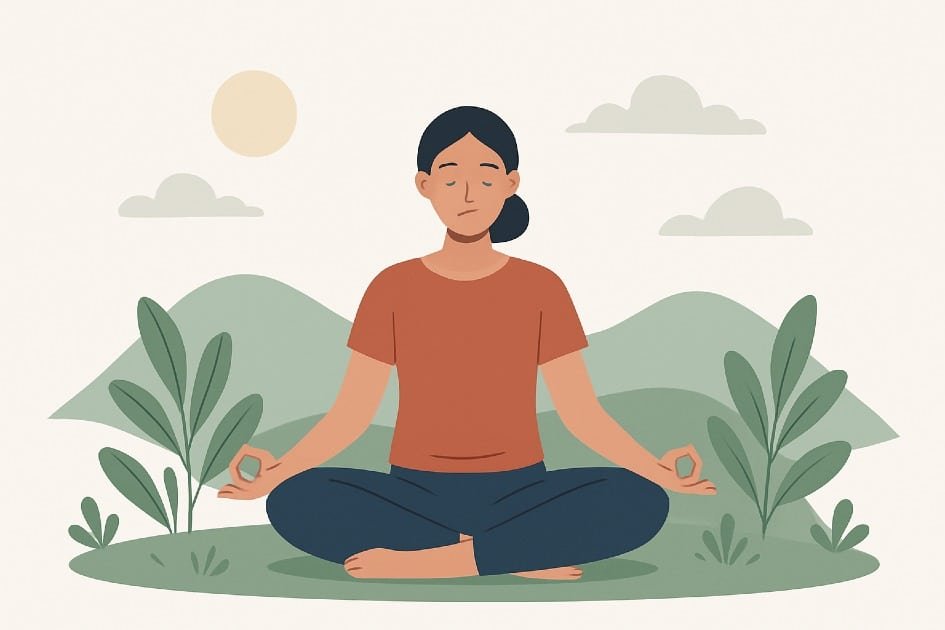
Mind matters
Our mental health is crucial for overall well-being, influencing our emotions, performance, and performance, and can be strengthened through practical strategies.
Daily mindfulness techniques to reduce stress
Chronic stress can damage mental well-being, so daily mindfulness practice can help protect it by reshaping the brain, improving focus, and regulating emotions.
- Begin with a basic breathing exercise: inhale for 4 seconds, hold for 4 seconds, exhale for 6 seconds.
- Consider using a meditation platforms to schedule guided mindfulness sessions that are tailored to your needs.
- Maintaining a gratitude journal and daily reflecting on three small wins can significantly shift your mindset towards positivity.
I started meditating before breakfast, and within weeks my mind felt calmer. Tasks that used to feel too big became easier. Mindfulness is not just for the mind; it builds lasting emotional strength.
Building a positive mindset through intentional habits
Negative thought patterns can negatively impact mental health, so it is crucial to take intentional actions that promote optimism and clarity.
- Turn challenges into chances to learn, not problems that hold you back.
- Surround yourself with uplifting content such as podcasts, books, and articles that broaden your perspective.
- Create a calendar with “reflection blocks” to track your goals and emotional growth.
Each evening, I spent five minutes reflecting. I spotted what caused my stress and learned to stay calm instead of reacting fast. Over time, I became stronger, and my mind felt clearer.
Mental exercises that keep your brain sharp
Daily brain exercise strengthens neural pathways, improves memory, and enhances decision-making, preventing cognitive decline, which is a silent threat to the mental pillar.
- Daily, individuals are advised to either solve puzzles or engage in strategy-based games for 20 minutes.
- Engaging in a new hobby or skill, such as learning a new language, can significantly enhance cognitive function.
- Consider taking supplements containing omega-3s and antioxidants to enhance brain health.
I started coding in my forties and felt scared, but it woke up my mind. I became better at solving problems and more confident in facing life’s surprises. Resilience grows strong when we feed it with new challenges.
Turning pressure into power
Life is unpredictable, and emotional resilience, the foundation of mental clarity, enables individuals to manage challenges without collapse under pressure.
- To practice progressive muscle relaxation, tense a muscle group for 5 seconds, release, and observe the tension melt away.
- Utilize breathing and visualization techniques to effectively manage high-pressure situations.
- Organize daily micro-breaks, such as a 3-minute-deep breathing pause, to maintain focus and maintain focus.
In a tough project, I took short breathing breaks. The result was clear thinking, fresh ideas, and calm control. This habit turns stress into focus and chaos into clarity.
The invisible pillar of mental health
Isolation weakens emotional resilience, while connection is crucial for mental wellness. Engaging with supportive friends or mentors provides a safety net for emotional challenges.
- Schedule weekly check-ins with friends or family.
- Participate in interest-based groups that foster growth and learning.
I used to ignore the power of supportive friends. When I started building real connections, my stress dropped, and my drive grew. Stronger resilience followed, strengthening my mental health.

Rest and recovery
Rest is crucial for overall health, supporting energy, mental clarity, and longevity. Ignoring it can sabotage other efforts and hinder overall progress.
Quality sleep strategies for lasting energy
Sleep is a crucial biochemical reset, repairing tissues, consolidating memory, and balancing hormones, while skipping it can cause inflammation, impair metabolism, and drain motivation.
- Establish a consistent bedtime and wake-up schedule, even on weekends.
- To initiate melatonin production, it is recommended to dim lights one hour before bed.
- To improve natural rest, consider using a sleep aid or weighted blanket.
I used to think five hours of sleep was enough. Soon, my workouts stalled, my mood dropped, and I could not focus. Once I made sleep a priority, my energy shot up, and even a short 20-minute nap felt like a reset.
Active recovery and relaxation practices
Active recovery, such as restorative yoga, light walks, or stretching, can accelerate healing by calming the nervous system and reducing muscle soreness.
- Schedule one to two active recovery sessions per week.
- Integrate foam rollers or massage tools for targeted muscle relief.
- Utilize breathwork techniques to decrease cortisol levels and improve relaxation.
Tight muscles and stiff joints can stop people from working out regularly. Active recovery helps prevent injuries and refreshes the body, making it a key part of fitness and health.
Enhancing productivity and wellbeing
Daily micro-rests serve as mini-reset buttons for the nervous system, improving focus, reducing mental fatigue, and fostering creativity despite perfect nights.
- Apply the Pomodoro technique which involves a 25-minute work session followed by a 5-minute rest.
- Engage in a brief walk or step outside for a refreshing breath of air.
- Make use of ergonomic products to promote physical comfort.
I once pushed through 12-hour workdays, ignoring my tiredness. Taking just a few five-minute breaks changed everything. My energy, mood, and focus shot up. These quick rests are now a key pillar of my overall health.
Nurturing the mind
Recovery involves physical, emotional, and mental health, as chronic stress can reduce immunity, disrupt sleep, and hinder motivation, emphasizing the importance of emotional downtime.
- Every night, write in your journal or complete gratitude exercises.
- Take part in activities that truly help you relax.
- Use apps for guided meditation to calm your mind from racing.
Skipping emotional recovery leads to burnout. Making it a key pillar keeps your body and mind in balance.
Making recovery a lifestyle pillar
Rest and recovery are crucial for maintaining energy, preventing injury, and enhancing mental clarity, ensuring overall health and well-being.
- Plan recovery periods, such as crucial meetings.
- Monitor sleep and fatigue trends to make proactive routine adjustments.
- Invest in tools and products that improve sleep quality without sacrificing your way of life.
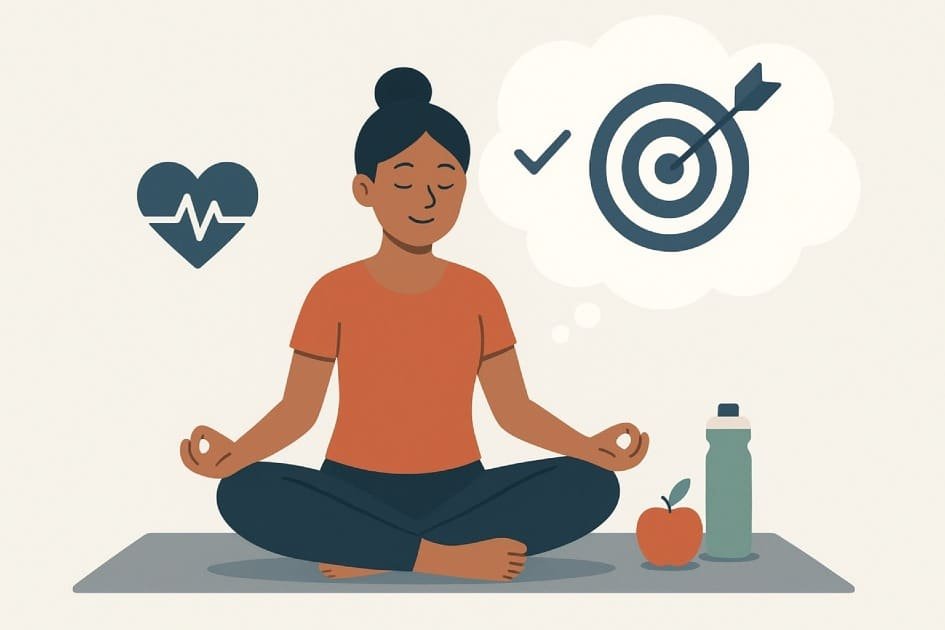
Purposeful living
Health is not just about physical activity; purposeful living is a crucial pillar of a thriving lifestyle, providing meaning to daily habits and making each health routine more effective.
Discover your why for lasting motivation
Consistency is often challenging for individuals without an apparent reason behind their actions, akin to building a house without a blueprint. Reflect on your reasons for living healthier.
Identifying your “why” can transform intentions into action. Keep a journal or planner to track fitness and diet efforts, reinforcing daily commitment.
Integrate health goals into daily routines
To achieve health goals, integrate them into daily life, such as practicing meditation, journaling for mental clarity, or incorporating a 20-minute walk for longevity.
I started setting small daily goals that matched my health pillars—drinking water, moving my body, and taking time to reflect. Soon, these did not feel like tasks. They became part of who I am. Using fitness trackers or wellness apps makes it easy to keep track.
Overcoming barriers that sabotage healthy habits
Life’s challenges, such as work stress, family obligations, and sudden routine changes, can evaluate the resilience of even the most motivated individuals.
Be ready for challenges. Always keep a backup plan. If you miss the gym, do a quick 15-minute bodyweight workout at home. If you feel like stress-eating, try deep breathing or taking a short walk instead.
Remember, your purpose is not rigid—it bends with life’s ups and downs, keeping you on track without guilt.
Personalizing your purposeful health plan
Your “why” should reflect your values, passions, and life stage, with purpose often centered around experiences like travel, creativity, and enjoyment without limitation.
Combining nutritional guides, meditation platforms, and personalized coaching services can help you tailor each pillar to your specific goals.
The ripple effect of a purpose-driven pillar
Purpose-based health choices involve intentionality in every aspect of life, making habits interconnected and contributing to a meaningful life.
When I made purpose my focus, the rest of my health habits grew stronger. Exercise gave me energy, meals felt like fuel, and sleep turned into something I valued. Purpose turned daily habits into a lifestyle I enjoy keeping.
Recap: Embrace Your Journey to a Vibrant Life
Integrating key pillars of a healthy lifestyle into daily life can lead to boundless energy, clarity, and purpose.
Each choice strengthens these pillars, forming a resilient foundation for long-term vitality. These pillars guide decisions, sustain motivation, and provide a sanctuary for both body and mind.
The journey towards vibrant health is not about perfection, but about embracing small, deliberate steps that accumulate into profound transformation.
Remember, vibrant health is dynamic, and every intentional choice strengthens your foundation. By fully embracing these pillars, you can cultivate a life defined by energy, purpose, and resilience.
Frequently Asked Questions
What is the most important pillar of a healthy lifestyle?
There is no single “most important” pillar for holistic wellness; each pillar complements the others, creating a mosaic.
Strengthening these pillars can be achieved by exploring top-tier wellness supplements and tools that enhance multiple health aspects simultaneously.
How can I start improving my health without feeling overwhelmed?
Integrate small habits from each pillar into daily life, such as mobility routines, water intake, or mental clarity, to build resilience and momentum over time.
Are small daily habits effective in the long term?
Habit stacking, a principle involving daily micro-steps, helps maintain the strength of pillars without requiring unrealistic effort, ensuring that these pillars remain robust over time.
How can I keep going when results take time?
Focus on integrity and track progress, celebrate milestones, and revisit personal “why” to maintain momentum. Visualization tools and guided wellness journals can make this process tangible and inspiring.
Can mental health practices impact physical wellbeing?
Mental resilience is crucial for overall health, impacting stress hormones, sleep quality, digestion, and energy. Mindfulness exercises, cognitive reframing, and breathing techniques can enhance this resilience.
What are some simple ways to maintain healthy social connections?
Social engagement, even in small, intentional ways, can significantly enhance emotional stability and overall wellbeing through weekly calls with friends or community activities.
How often should I evaluate and adjust my health routines?
Maintaining a healthy lifestyle involves regularly reviewing and adjusting your pillars, which are dynamic and adaptable to your age, challenges, and goals.
Is it ever too late to adopt a healthy lifestyle?
Wellness pillars are adaptable at any age, improving quality of life and longevity through small, consistent changes in cardiovascular health, cognitive function, and meaningful connections.