

Have you ever wondered whether the paleo lifestyle—celebrated for its simplicity and ancestral logic—might carry hidden drawbacks that quietly shape your energy, mood, and long-term wellness?
It is crucial to understand paleo thoroughly, allowing better decisions that improve vitality, strengthen nutritional foundations, and protect against common pitfalls.
While the paleo approach favors whole foods, it may lead to nutrient gaps, digestive issues, and metabolic imbalances.
According to Harvard T. H. Chan, short-term benefits of the Paleo diet, like weight loss and reduced blood pressure, may conceal long-term risks, including nutritional deficiencies and elevated chances of heart disease and cancer due to high red meat intake.
By identifying hidden issues, individuals can tailor their diets, incorporate balanced nutrients, and enhance their routines with supplements like multivitamins and omega-3s for overall well-being.
This guide aims to clarify the potential risks of the paleo diet, encouraging a thoughtful evaluation.

Understanding the paleo diet
Many are drawn to the paleo diet for its quick energy and weight loss promises. However, individual experiences indicate a pattern of initial energy followed by sluggishness, highlighting the need for a thorough understanding of the diet rather than merely following trends.
What the paleo diet really means today
Our ancestors’ diets varied significantly across different climates and environments, contrary to the modern perception that a paleo diet consists solely of unlimited meat, nuts, and vegetables, while excluding grains, dairy, and processed foods.
Focus on constructing your plate with whole-food principles instead of severe restrictions. If eliminating dairy, consider fortified alternatives like coconut milk with vitamin D or plant-based calcium supplements.
I learned how much my body needed balance when I tried paleo and cut out grains, but adding root veggies and different proteins helped me feel steady again.
Why the paleo diet reels people in
Paleo diets are appealing for their focus on simplicity and natural foods, but they may create unrealistic expectations about rapid health improvements, leaving some individuals disappointed when results are not as anticipated.
Emphasize consistency over perfection by gradually reducing highly processed foods instead of eliminating them all at once.
I learned that taking it slow helped my cravings fade, but rushing made me quit fast. Slow and steady work best
True principles and common myths
While emphasizing whole foods, modern interpretations of ancestral eating can mislead beginners to neglect beneficial foods like legumes and grains, which are not typical of ancient human diets.
Create a balanced dietary plan using nutrient-dense add-ons such as omega-3 supplements or electrolyte mineral powders when limiting food groups.
After a month of strict paleo, my workouts started to drag. When I added a little sweet potato and squash, my energy returned. That is when I learned that balance keeps me strong.
Nutrient imbalances you might be ignoring
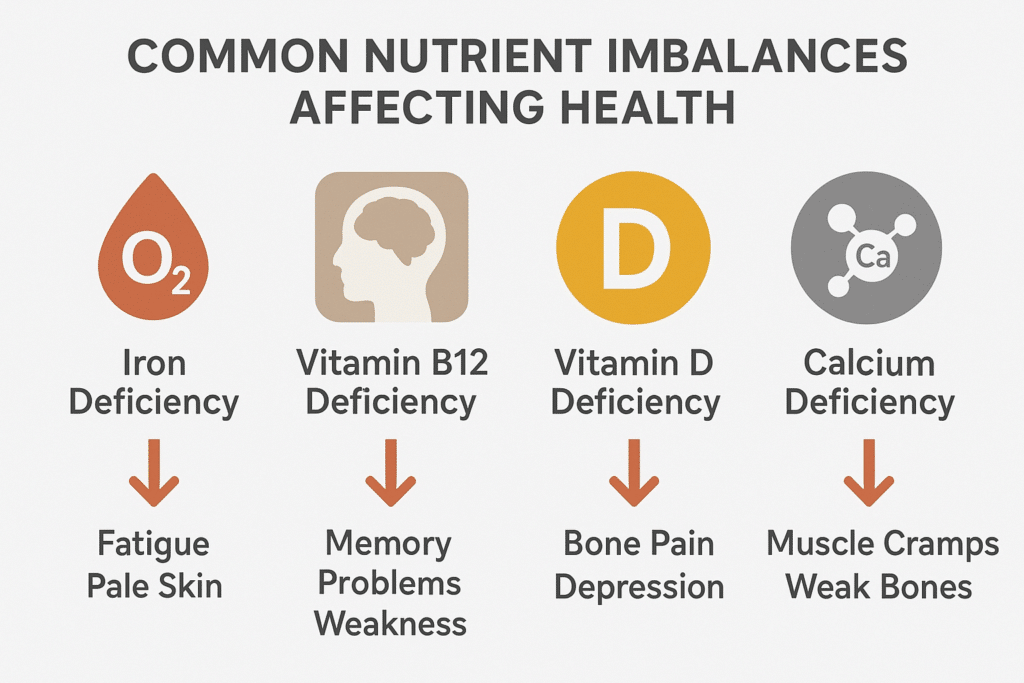
Many individuals adopt the paleo lifestyle for increased energy, improved digestion, and weight management, but may not realize the gradual emergence of small nutrient gaps that can impact bones, mood, heart health, and overall strength.
Hidden calcium and vitamin D deficiencies
Why it matters:
Bone density can decline without essential nutrients like calcium and vitamin D, potentially causing issues like joint discomfort, brittle nails, and fatigue. The Paleo diet, often low in dairy, may reduce calcium intake, affecting overall health and mood.
How to do it:
- Include calcium-packed foods such as sardines, kale, almonds, and broccoli to strengthen your bones and support overall health.
- Get 10 to 15 minutes of sunlight each day to naturally raise your vitamin D and support strong bones and a healthy immune system.
- Choose trusted supplements when you cannot meet your daily nutritional needs.
- Switch up your leafy greens each week to get a wider mix of nutrients and avoid relying on just one type.
- Watch your body’s signals—notice tougher nails, a brighter mood, and faster recovery after exercise.
Excess protein strains your body
Why it matters:
It is common to consume excess meat, which can stress kidneys and displace essential nutrients. A high protein diet lacking fiber may lead to slow digestion and discomfort. Maintaining balance is crucial for stable energy levels and avoiding heaviness after meals.
How to do it:
- Try different protein sources by adding eggs, fish, chicken, nuts, and seeds to your meals.
- Add fiber-rich foods like berries, avocado, chia seeds, and plenty of vegetables to support steady energy and better digestion.
- Spread your protein through your meals instead of eating a large amount at one time.
- Choose cooking methods that cut down on extra fat, like grilling, steaming, or baking.
- Choose simple, clean protein powders that support your health.
I stay strong by spotting hidden nutrient gaps and making simple, mindful changes that boost my energy and confidence every day.

Hidden heart health concerns
Heart health risks linked to the paleo lifestyle include heightened cholesterol, energy fluctuations, and chest pressure, despite initial perceived benefits. Adopting small, consistent healthy habits can help reduce these risks and enhance heart safety.
Saturated fats sneaking into your plate
Why it matters:
High saturated fat intake from foods such as bacon and steaks can raise LDL cholesterol, negatively impacting heart health. Low consumption of whole grains and legumes leads to reduced fiber intake, crucial for cardiovascular health.
How to do it:
- Pick lean meat to keep your heart working smoothly.
- Fuel your body with heart-boosting fats found in avocados, olives, and nuts.
- Try grilling or baking your meals instead of frying them in butter or lard.
- Make leafy greens part of every meal to boost your daily fiber and keep your body running strong.
- Try a trusted heart-healthy oil that helps you keep your daily nutrition steady.
Cholesterol patterns you did not expect
Why it matters:
Individuals starting a paleo diet, low in carbohydrates and high in animal fat, may experience unexpected increases in cholesterol, which could pose health risks despite feeling healthy.
How to do it:
- Get a full lipid panel every 3–6 months to track your heart health, especially if you follow paleo long-term.
- Switch meat meals with seafood to keep cholesterol steady.
- Eat more berries and cruciferous vegetables to naturally lower cholesterol.
- Pair heavier main dishes with plenty of plant-based sides to boost nutrition and keep meals balanced.
- Keep up with trends by using a digital monitor to act fast and stay ahead.
I track my cholesterol so I know the real numbers and can make smart changes that protect my heart.

Digestive challenges you did not expect
Switching to a paleo lifestyle can initially feel empowered due to the exclusion of processed foods and the focus on whole ingredients; however, many individuals may experience unexpected digestive issues.
Not enough fiber slows your body
Why it matters:
The paleo diet limits grains and legumes, which provide essential fiber for gut health. A low-fiber diet can cause sluggish digestion and discomfort, impacting both the microbiome’s balance and overall immune system and energy levels.
How to do it:
- Include fiber-packed paleo vegetables such as carrots, beets, broccoli, and leafy greens for better digestion and lasting energy.
- Try adding cooked and cooled sweet potatoes to boost resistant starch.
- Begin slowly and add fiber little by little to prevent stomach discomfort.
- Drink plenty of water to help fiber pass easily through your digestive system.
- Boost your fiber by taking a top-quality supplement when your meals do not provide enough.
I added one more veggie each day. Within a week, my stomach felt calmer and happier.
Sudden drop in carbs can disrupt your gut
Why it matters:
A strict paleo diet lowers carbohydrate intake, potentially causing gastrointestinal issues like gas and cramping during adaptation. Carbohydrates are vital for quick energy and stable digestion, supporting intestinal contractions. Shifting to a low-carb diet may stress the nervous system, impacting gut movement.
How to do it:
- Include paleo-friendly carbs such as fruits, squash, and root vegetables for steady energy.
- Eat smaller meals while your body adjusts to ease digestion and boost energy.
- Switch up your carb sources to feed a variety of gut bacteria and keep your digestion healthy.
- Notice how each food affects your body, even slight changes in how you feel.
- Try enzyme support from trusted wellness brands to aid digestion and boost nutrient absorption.
When I lower carbs too fast, my stomach struggled, but adding back simple natural carbs slowly brought my energy and comfort back.
Weight loss pitfalls
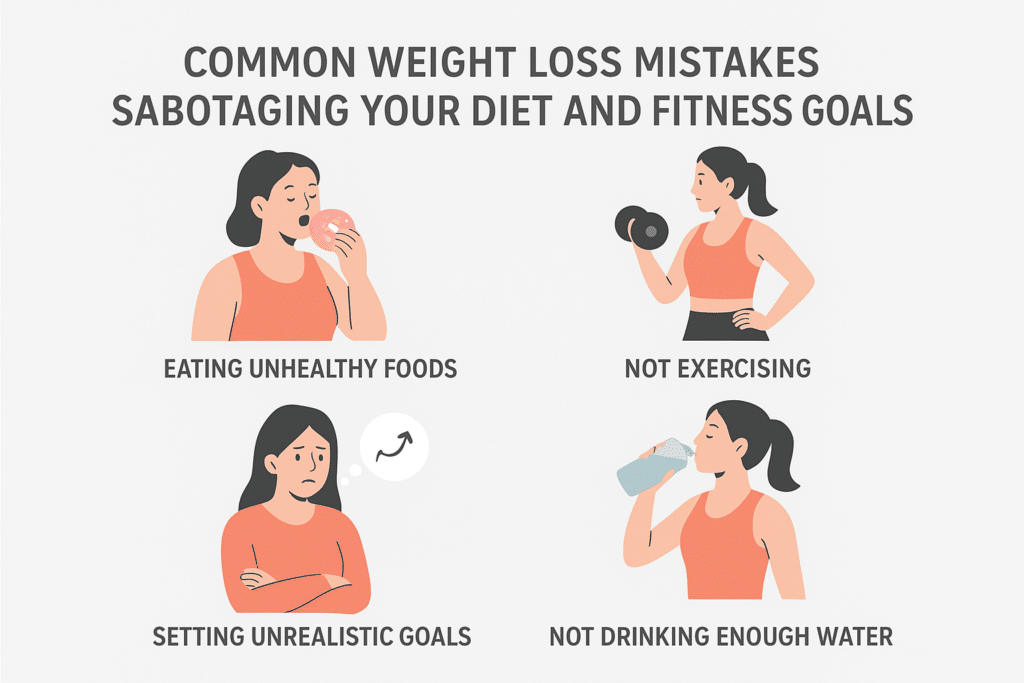
Losing weight is more complex than it seems, with challenges impeding progress even under structured plans like paleo. These obstacles often occur when motivation is strong, but guidance is insufficient.
Overeating healthy foods
Why it matters:
Even nutrient-dense paleo foods can be calorically dense, and high fats from sources like nuts, oils, and meat may hinder fat loss. The concept of “health halo thinking” can lead to overeating, illustrating that successful weight loss is reliant on energy balance, not on viewing foods as clean or natural.
How to do it:
- Use a small scoop to measure high-calorie foods like nuts or oils.
- Eat from smaller plates to naturally serve less and avoid overeating.
- Eat slowly and take a short pause in the middle of your meal to help your body feel full and improve digestion.
- Write down your portions for a few days in a notebook or app to stay aware of what you eat.
- Eat more water-rich foods like berries and cucumbers to stay full of fewer calories.
I make slight changes that help me stay on track without feeling restricted, and they keep my goals easy to maintain.
Hidden calories in paleo snacks
Why it matters:
Packaged paleo snacks can be high in concentrated sugars from sources like honey or dates, and dried fruits may lead to overeating due to water removal. Hidden sugars can hinder steady fat loss by causing increased hunger later.
How to do it:
- Pick whole-food snacks such as hard-boiled eggs, crunchy carrots, or a piece of fresh fruit.
- Swap dried fruit for fresh fruit to cut extra calories.
- Scoop nut butter with a teaspoon to control portions instead of eating straight from the jar.
- Make your own easy snacks at home to skip hidden sugars and preservatives.
I use these simple habits to cut extra calories while keeping all the taste and joy in every meal.
Bone health risks
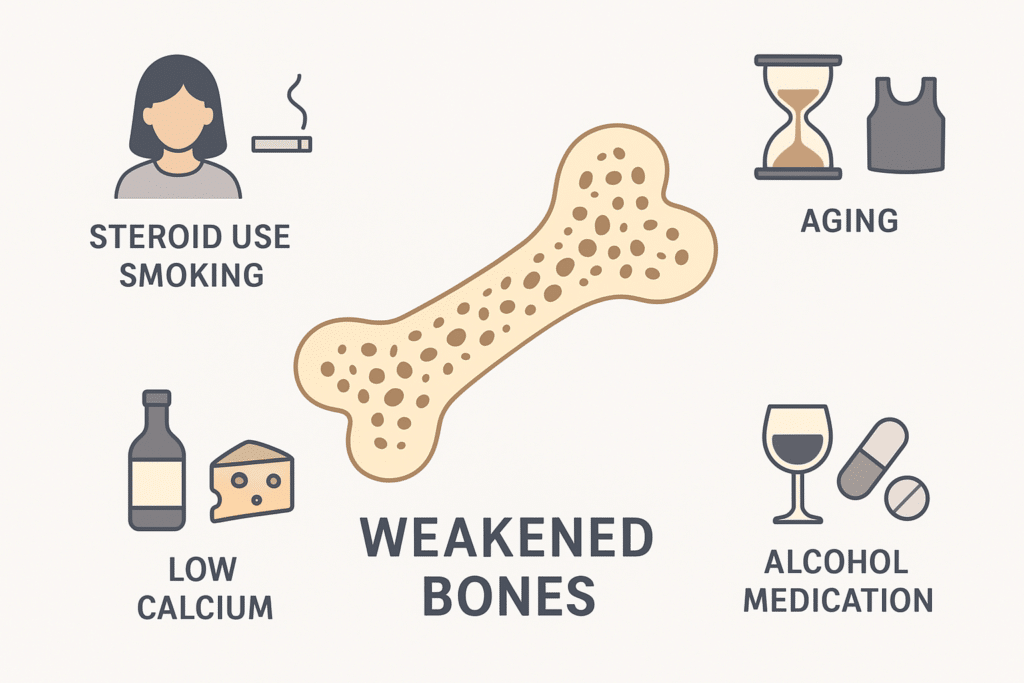
Bone health is essential in the paleo diet for preserving activity and stability with age. Dietary changes can negatively impact bone structure, resulting in knee pain and decreased back strength.
Calcium and vitamin D shortfalls
Why it matters:
Low calcium weakens bones and raises fracture risk, while insufficient vitamin D hampers calcium absorption. Quietly, deficiencies can lead to joint aches, muscle fatigue, and brittle nails, with long-term effects potentially causing early bone degeneration.
How to do it:
- Include calcium-packed paleo foods such as sardines, almonds, and broccoli in your meals.
- Choose plant-based supplements that are fortified for extra nutrition.
- Get 10 to 15 minutes of sunlight daily to boost your natural vitamin D.
- Try high-potency vitamin D3 drops for strong bone and immune support.
Limited dietary variety
Why it matters:
Repetitive meal patterns can reduce nutrient diversity, adversely affecting long-term skeletal strength. Essential minerals like magnesium support bone formation and muscle function, while potassium is vital for bone mineral balance.
How to do it:
- Include a variety of paleo-friendly vegetables like spinach, beets, and sea greens in your meals.
- Switch up your protein by eating eggs, nuts, and seeds instead of only meat.
- Include magnesium-rich foods like pumpkin seeds or take a magnesium supplement daily.
- Plan your meals with a paleo recipe guide to stay varied and keep your nutrients balanced.
I keep my bones strong by making small daily choices that help me feel steady and light on my feet. A little more variety, the right minerals, and a bit of sunlight go a long way.
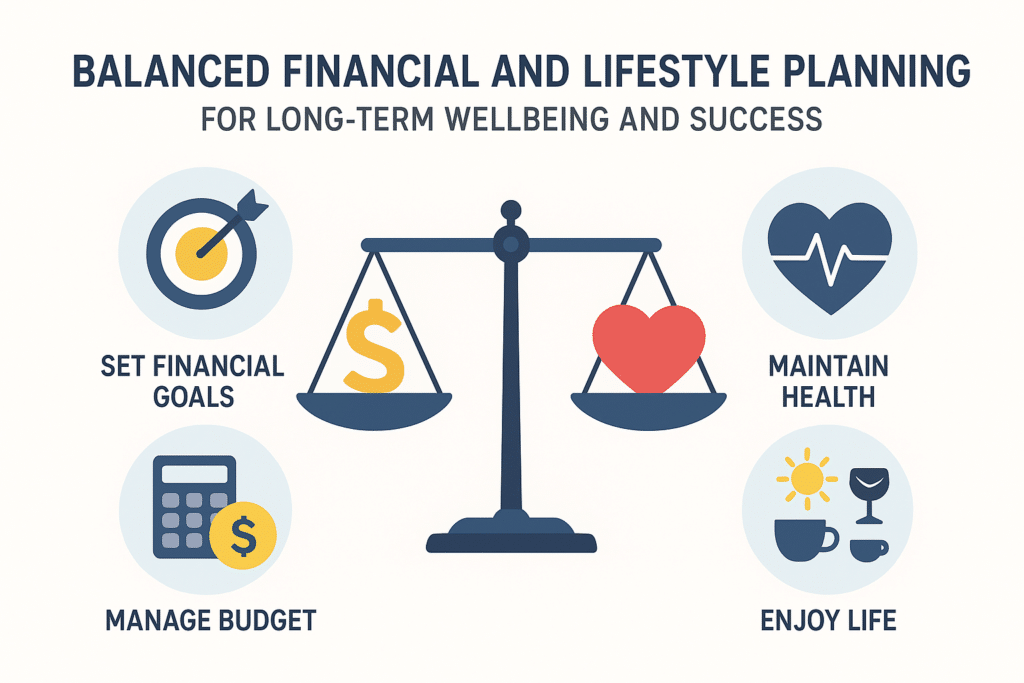
Financial and lifestyle considerations
Living a paleo lifestyle can be challenging due to unforeseen financial impacts and daily routine adjustments. However, with slight changes, individuals can maintain consistency without feeling overwhelmed.
The high cost of a paleo pantry
Why it matters:
Rising food costs can make maintaining a strict paleo diet financially challenging, leading some to abandon their dietary goals. However, implementing cost control strategies can support long-term wellness.
How to do it:
- Buy frozen produce because it costs less and keeps fresh for weeks.
- Buy low-cost meat pieces and let them simmer for hours until they turn juicy with soft flavors.
- Make your own paleo snacks at home instead of buying brands.
- Join store rewards programs to cut costs on weekly essentials like nuts and oils.
- Stock up on almonds, coconut flour, and olive oil to save money and visit the store less.
This shift helped me spend less each week without giving up on the way I like to eat.
Social and lifestyle challenges
Why it matters:
Social pressure can lead to isolation for individuals on a paleo diet, as constant food-related decisions become burdensome. Conflicts with family meals or busy schedules may cause them to feel restricted, resulting in abandoning the diet.
How to do it:
- Tell friends and family about your food choices early and clearly to avoid confusion.
- Always bring a dish so you have a paleo-friendly option ready.
- Try quick recipes to make simple meals on busy days.
- Pack travel snacks like nuts, dried fruit, and jerky to stay energized on the go.
These habits helped me feel relaxed instead of anxious at gatherings, and with practice, they became a natural part of my life.

Mental health and mood effects
The paleo lifestyle promotes clean eating and stable energy, but it can lead to mood swings, low motivation, and cloudy thinking due to the brain’s rapid response to nutrient shifts, especially with restrictive meals.
Mood swings from nutrient shifts
Why it matters:
A paleo diet may cause irritability and fatigue due to a lack of carbohydrates and essential nutrients. Such deficiencies can destabilize the nervous system and impact emotional resilience, while sudden dietary changes may disrupt internal rhythms.
How to do it:
- Eat magnesium-rich foods like pumpkin seeds and spinach to help calm your nerves.
- Include fiber from paleo-friendly choices like berries, avocado, and veggies to support gut-brain harmony.
- Combine protein with healthy fats from foods like salmon to slow digestion and maintain steady energy.
- Ease into the paleo diet slowly instead of quitting all foods at once to prevent mood swings.
- Track your meals and feelings daily. It reveals patterns and helps you make changes before stress grows.
My mood changes when I skip fruits or greens. I adjust my meals to feel my best.
Low energy and mental fog
Why it matters:
Mental fog on a paleo diet arises from low glucose levels due to reduced carbohydrate intake and inadequate electrolytes, impairing concentration. Inconsistent meal patterns and under-eating can lead to fluctuating blood sugar and slowed brain function.
How to do it:
- Eat more colorful vegetables to boost brain health. They deliver antioxidants while staying paleo friendly.
- Eat slow-burning carbs such as sweet potatoes to keep your brain fueled while your body adjusts.
- Eat small meals often to keep your energy steady, especially when you stay active.
Adding one smart carb each day sharpens my focus and boosts my energy.

Common misconceptions and myths
Many adopt the paleo lifestyle for its simplicity and perceived naturalness, but beginners often encounter myths that can cause setbacks. Understanding the truth helps in making informed choices and protecting health.
Eat meat freely on paleo
Why it matters:
Excessive meat consumption raises saturated fat levels and obstructs digestion, while reducing the intake of vital plant-based foods rich in fiber and micronutrients.
How to do it:
- Include berries, greens, and squash in every paleo meal for a colorful, nutrient-packed boost.
- Pick lean proteins and switch them up often.
- Notice how your body feels after eating and change what you eat to feel your best.
- Combine nuts, seeds, and root vegetables for a balanced, healthy meal.
Paleo follows the way ancestors ate
Why it matters:
Believing in this myth leads to unrealistic expectations and causes individuals to neglect modern necessities, like supplements, while also fostering guilt over failing to strictly adhere to a diet, despite individual differences in responses.
How to do it:
- Tailor your paleo plan and take a multivitamin when your body needs extra nutrients.
- Eat local fruits and vegetables to enjoy the same variety our ancestors had.
- Focus on paleo-inspired eating as a flexible, practical approach instead of chasing perfect ancestral diets.
- Allow space for flexibility and adapt to changes instead of sticking to strict rules.
I stay realistic about diet myths and make small, steady changes. I eat more plants, try different proteins, and use science to guide my choices, which helps me feel healthier every day.
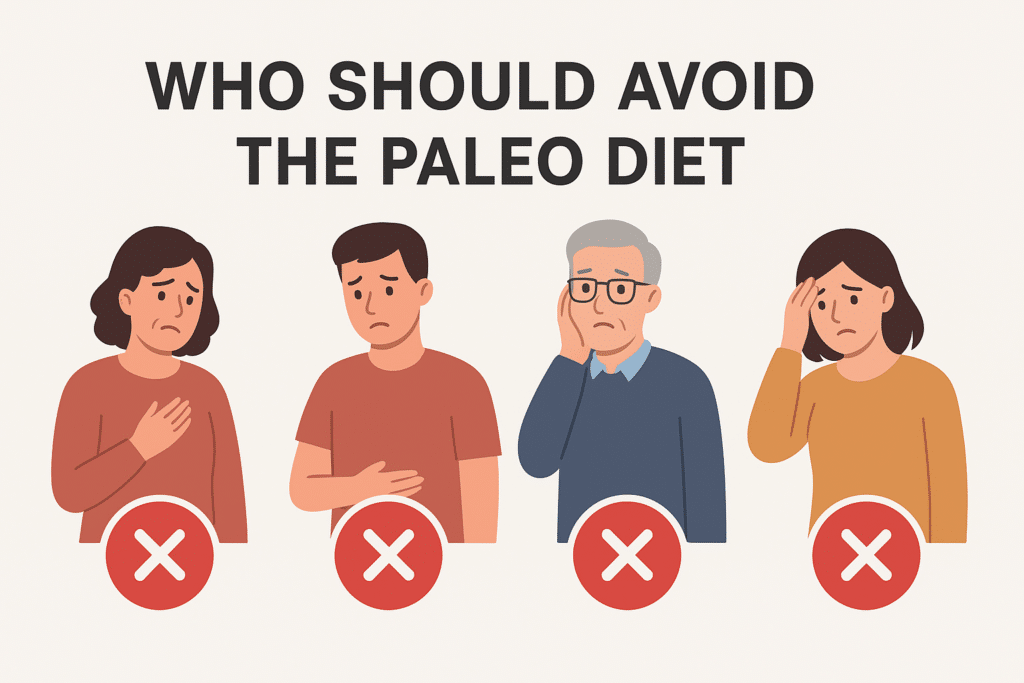
Who should avoid the paleo diet
The paleo trend advocates eating like early humans while avoiding modern foods, but it may not be suitable for everyone and could potentially cause harm to some individuals.
People with kidney issues
Why it matters:
The paleo lifestyle promotes high protein consumption, which may put strain on weakened kidneys and increase waste in the bloodstream. Prolonged pressure on the kidneys can result in fatigue, swelling, or serious complications.
How to do it:
- Eat balanced meals by filling your plate with vegetables and low-protein foods.
- Drink plenty of water to help your kidneys manage protein efficiently.
- Try plant-protein blends if your doctor says it is safe.
- Consult a dietitian who can tailor your plan and keep you safe from harmful overload.
People with heart or cholesterol concerns
Why it matters:
The paleo diet, characterized by high saturated fat foods, may elevate LDL cholesterol, increasing heart strain and long-term cardiovascular risk. It is a misconception that “natural” meats are always beneficial for heart health.
How to do it:
- Pick lean proteins like lean beef, turkey, and fish to support better nutrition.
- Boost heart health by eating more leafy greens, berries, and nuts.
- Check your cholesterol often to see how your body responds to a paleo diet.
People with osteoporosis or low bone density
Why it matters:
Paleo diets can limit dairy consumption, potentially leading to reduced calcium and vitamin D levels essential for bone health, increasing the risk of brittle bones and fractures with age.
How to do it:
- Boost calcium by eating fortified foods like cereals, plant milks, and orange juice.
- Take supplements when your doctor approves them.
- Support your bones by eating sardines, leafy greens, and almonds in your meals.
- Try a hybrid paleo by following paleo principles while adding safe dairy options.
People with digestive sensitivities
Why it matters:
Paleo diet eliminates grains and legumes, which are high in fiber. A significant reduction in fiber intake can cause constipation, bloating, and slow digestion, indicating that a longer adjustment period or an alternative method may be necessary for gut balance.
How to do it:
- Boost fiber by mixing berries, broccoli, and chia seeds into your meals.
- Start new foods slowly to let your body adjust without stress.
- Stay hydrated by drinking enough water to help your gut stay active.
- Try keeping a small diary to see how paleo foods affect your body.
Pregnant or nursing mothers
Why it matters:
Pregnancy and nursing increase the nutritional demands for carbohydrates and calcium. The Paleo diet’s restrictions may not fulfill the energy needs of mothers and their infants, risking fatigue, dizziness, or nutrient deficiencies from inadequate carbohydrate consumption.
How to do it:
- Eat safe carbs every day like sweet potatoes, fruit, and squash to boost energy and health.
- Focus on getting enough folate, iron, and calcium every day to keep your body strong and healthy.
- Take approved supplements and include prenatal support blends in your routine.
- Check with your doctor to make sure a modified paleo diet is safe for you.
People with a history of eating disorders
Why it matters:
Paleo diets can create strict food rules, which may trigger anxiety and stress about eating. A more flexible approach is recommended to foster a healthier relationship with food.
How to do it:
- Choose foods that fuel your body and make you feel strong and safe.
- Stick to simple meals and keep your eating routine easy to follow.
- Get support from a therapist or dietitian to rebuild your confidence.
- Try eating a balanced mix of whole food that fits your lifestyle.
People on a tight budget
Why it matters:
Paleo diets may be expensive because of the inflated costs associated with grass-fed meats and organic produce. This financial burden can lead to stress and frustration, making it difficult for individuals to maintain healthy habits consistently.
How to do it:
- Buy frozen veggies and cheaper meat cuts to save money and eat healthily.
- Cook in batches to save money and cut food waste.
- Build healthy meals by adding simple protein sources like canned tuna, eggs, or beans to make your meals stronger.
- Try mixing paleo basics with affordable foods like beans if your body manages them well.
I follow a simple eating plan that works for me, but everyone’s health and lifestyle matter. I choose foods that fuel my body while respecting my needs.
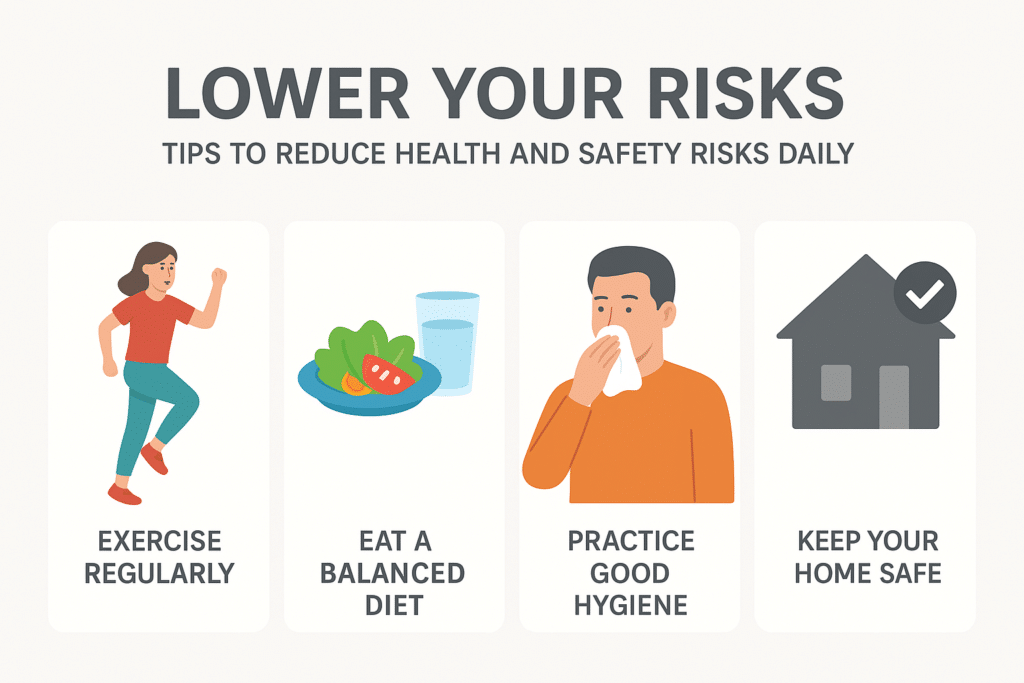
Ways to lower your risks
Trying a new eating lifestyle can feel exciting, but simple mistakes can harm your health over time.
Choose cleaner protein sources
Why it matters:
High-fat and processed meat can negatively impact heart health, particularly with a daily paleo diet. Opting for cleaner, leaner protein varieties can improve digestion and enhance focus, leading to greater overall well-being.
How to do it:
- Pick for lean protein options such as grass-fed beef, turkey breast or chicken.
- Switch up your protein choices to avoid nutrient overload and keep meals exciting.
- Eat wild-caught fish twice a week to reduce inflammation and boost health.
- Avoid processed meats, even those marked paleo-friendly, to keep your diet truly healthy and natural.
I swap proteins gradually to protect my heart and feel better long-term.
Boost missing nutrients with smart add-ons
Why it matters:
Many individuals following a paleo diet may inadvertently miss essential nutrients like fiber, calcium, and certain vitamins, which can lead to symptoms such as low mood, fatigue, and digestive issues. Enhancing nutrient diversity can help alleviate these energy dips.
How to do it:
- Eat leafy greens such as kale or watercress with at least one meal every day to boost nutrition and support overall health.
- Try eating different fruits like berries, kiwi, and oranges to help your digestion.
- Increase fiber intake by sprinkling chia seeds or ground flax into your meals.
- Use fortified nondairy milk or add basic supplements to help your body get the vitamins and minerals it needs.
- Drink bone broth to boost minerals and support your gut while staying fully paleo.
I feel energized and strong when my body gets all the nutrients it needs.
Keep portions balanced
Why it matters:
Portion control is crucial for preventing weight gain, even with nutrient-dense foods. The paleo diet, while linked to weight loss, contains high-calorie healthy fats. Reducing portion sizes can help curb cravings and stabilize energy levels.
How to do it:
- Measure portions with your hand for a simple and consistent way to eat right.
- Fill half your plate with vegetables to help your digestion and keep you full longer.
- Keep high-fat snacks such as nuts to just a small handful.
- Keep a food diary for a week to spot your eating habits and make small, smart changes.
- Eat slowly so your brain notices when you are full.
I keep my meals balanced to stay steady and satisfied every day.
Support your digestion daily
Why it matters:
The strict paleo diet can lead to bloating and irregularity due to its low fiber content, which affects digestion, metabolism, mood, and energy. Enhancing gut habits may improve the enjoyment and sustainability of the diet.
How to do it:
- Mix a tablespoon of chia seeds into water or a smoothie every morning to boost fiber and energy.
- Drink plenty of water to help fiber flow easily through your digestive system.
- Try adding fermented foods such as sauerkraut to boost natural probiotics.
- Enjoy slow-cooked meals such as soup and stews to help your digestion.
- Take a short walk after meals to help your digestion and keep blood sugar steady.
I help my digestion work smoothly with simple mindful steps
Recap: Staying Safe While Exploring Paleo
Embracing the paleo lifestyle entails a careful balance of enthusiasm and caution. Success is rooted in understanding the nuances of the approach while listening to your body’s signals.
Rather than striving for perfection, it is suggested to maintain intention and flexibility in food choices, noticing how the paleo routine impacts energy levels.
Achieving longevity through this diet hinges on balance and adaptability, allowing for modifications and incorporating various nutrients as needed.
According to Harvard Health, paleo-style diet consists of nutritious foods like meat, fish, eggs, fruits, vegetables, and nuts, but excludes dairy, whole grains, and legumes, which may cause deficiencies in fiber, calcium, vitamin D, and B vitamins.
The Paleo journey should feel like a personal evolution rather than a strict regimen, fostering awareness and intentional nourishment. It should empower individuals and encourage mindfulness.
Frequently Asked Questions
Is the paleo diet safe to follow long-term?
Many follow the paleo diet for wellness, yet long-term adherence can result in nutrient deficiencies, especially in calcium, fiber, and trace minerals.
While some may thrive, others might experience fatigue, mood changes, or digestive issues. It is recommended to monitor individual responses and consider fortified foods or supplements.
Why do some people feel tired of paleo even when eating enough?
Fatigue during the paleo diet can result from the sudden reduction in complex carbohydrates, leading to inadequate glucose release.
Insufficient electrolyte intake or lack of fiber-rich plant foods may affect energy stability. If fatigue continues, incorporating nutrient-dense produce or adaptogenic supplements may help restore metabolic balance.
Can paleo trigger digestive discomfort?
Digestion on a paleo diet can be unpredictable because it eliminates whole grains and legumes, reducing fermentable fibers vital for gut flora, leading to bloating and irregular digestion.
To alleviate these issues, it is suggested to incorporate various vegetables, fermented foods, or gentle digestive enzymes.
Is paleo good for weight loss?
The paleo approach can aid weight loss, but is not guaranteed, especially if calorie-dense foods are overconsumed.
Emotional eating may rise on restrictive diets. Optimal weight results arise from a balanced paleo diet focusing on satiety, hydration, and mindful eating rather than extremes.
How can I get enough fiber on paleo?
Fiber intake on a paleo diet is challenging due to the lack of grains but can be enhanced through vegetables like artichokes, leafy greens, and root vegetables. Including daily prebiotic aids gut health.
A variety of plant foods promotes a resilient microbiome, essential for digestion and immune function.
Is paleo appropriate for older adults?
Older adults should be cautious with the paleo diet as it has lower calcium and Vitamin D levels, potentially impacting bone integrity, and its high protein content may strain kidney function in those with preexisting conditions.
Are all meats healthy on paleo?
Meats for a paleo diet should primarily be lean cuts and omega-3-rich seafood, avoiding excessive processed or high-fat options due to potential inflammation. Adding more plant-based meals can further benefit cardiovascular health.
Can athletes follow paleo without losing performance?
Athletes can thrive on a paleo diet by adjusting macronutrients, as too much carbohydrate restriction can hinder performance.
Therefore, active individuals often benefit from a flexible approach that includes starchy vegetables, fruits, and recovery supplements to maintain stamina and muscle resilience.
How do I know if paleo is not right for me?
If you experience ongoing fatigue, brain fog, digestive issues, irritability, or stagnation in body composition, it may indicate that your paleo diet requires modification.
Individual physiological differences suggest that a hybrid approach—while maintaining paleo principles but allowing for a broader range of nutrients—could promote better long-term health.
Can I customize paleo without losing its benefits?
A flexible variation of the paleo diet, known as “progressive paleo,” allows individuals to benefit from ancestral-inspired nutrition while incorporating modern science and accessing a broader range of foods that enhance balance and practicality in daily life.