
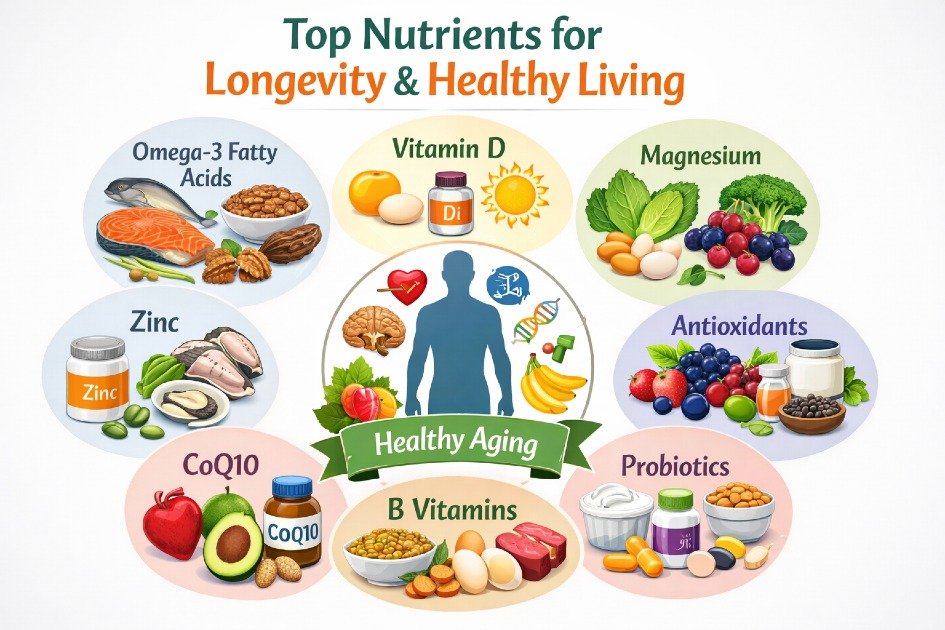

Have you ever wondered if a simple adjustment to your diet could genuinely help you live longer and feel healthier every day?
Unlocking longevity involves strategically fueling the body with high-impact nutrients rather than chasing fads.
Harvard Health underscores the significance of acquiring essential nutrients like vitamin K, A, magnesium, zinc, and copper from whole foods to lower mortality risk.
This guide emphasizes a holistic approach to longevity by focusing on nutrient-rich food, proper hydration, sleep, and exercise as key strategies for a vibrant life.
Why Are Nutrients So Critical for a Longer Life?
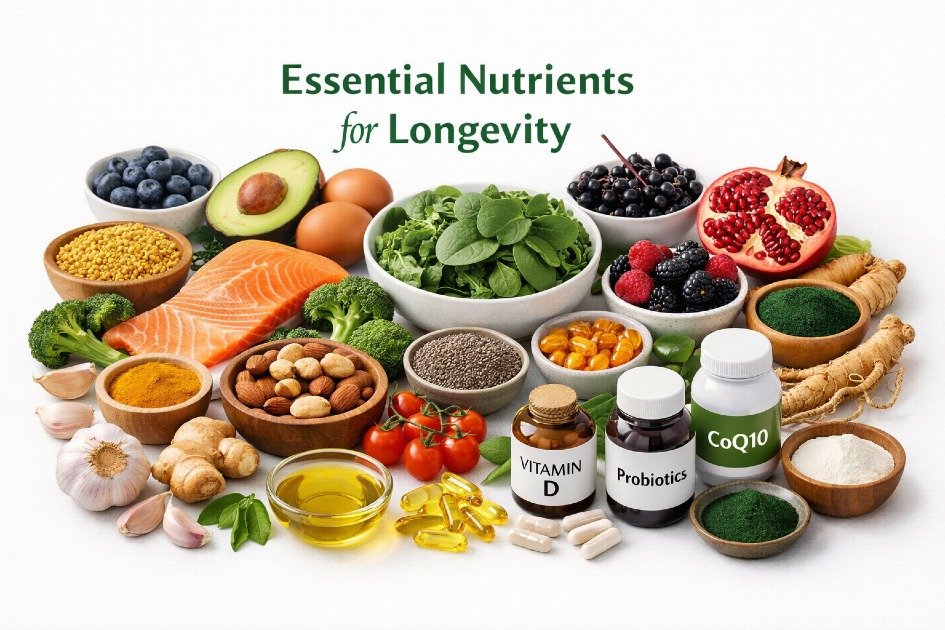
Good nutrition shapes a long, healthy life just like exercise and sleep. Eating the right foods keeps your body strong, helps fight illness, and slows aging. Knowing how nutrients affect your health today can make a significant difference for tomorrow.
How Do Nutrients Shield Your Cells Every Day?
Daily stress and inflammation wear out cells, speeding up aging. Eating lots of calories but few nutrients make cells weaker and less healthy.
Eating foods rich in antioxidants and key nutrients such as Vitamins C, E, selenium, and zinc shields your cells from damage. Adding colorful fruits, nuts, leafy greens, and whole grains to your meals every day keeps your cells healthy and strong.
I began tossing blueberries, almonds, and spinach into my morning meals and felt my energy rise and my skin glow in just a few weeks.
Can Eating Smart Lower Your Disease Risk?
Chronic illnesses such as heart problems, diabetes, and brain disorders decrease lifespan. Missing key nutrients can silently raise the chances of these diseases, even when you feel fine.
Eating foods rich in omega-3s, magnesium, and plant nutrients helps keep blood sugar steady, lowers inflammation, and supports heart and brain health. Adding salmon, chia seeds, and bright vegetables to your meals can cut the risk of long-term illnesses.
I started taking omega-3 capsules after talking with my nutritionist. Over a few months, my cholesterol evened out, and I noticed that I was thinking more clearly.
What Makes Nutrients Key to Feeling Strong?
Even when you sleep well and stay active, you can still feel tired if your body lacks key nutrients. Your cells need these nutrients to make energy, and without them, fatigue sets in and your body becomes more prone to sickness.
Eat superfoods like beans, seeds, and whole grains and add quality supplements if needed to keep your body fueled, your mind sharp, and your immune system strong.
I started blending organic protein powder and spirulina into my morning smoothies and felt a big change. My energy stayed steady, I focused better on work, and I realized how much what I eat shapes my health, energy, and how good life feels.
What Vitamins Keep Your Body Feeling Young?
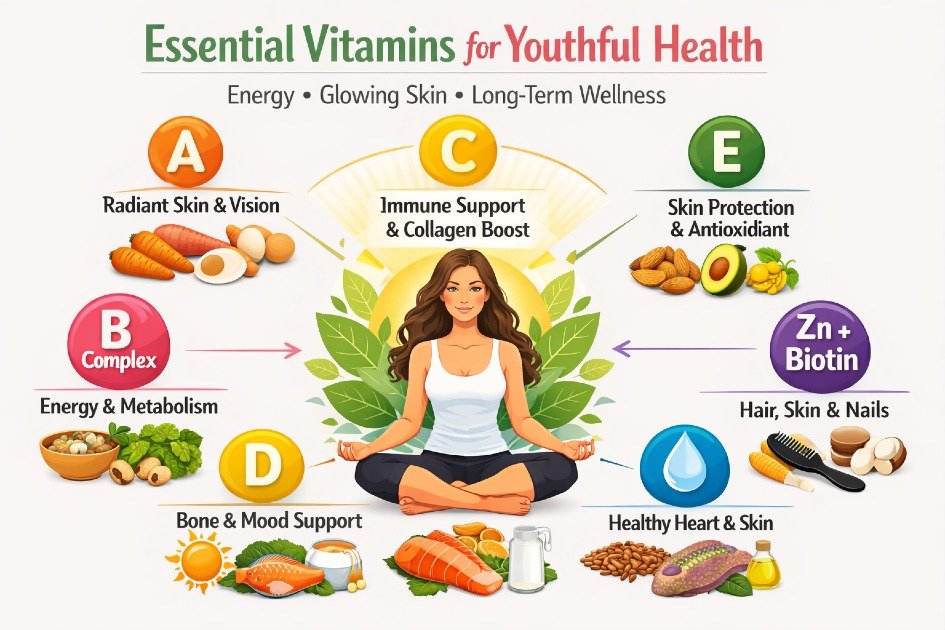
Eating the right vitamins keeps your energy up, supports healthy skin, and sharpens your mind, helping you stay strong and feel your best as you age.
Does Vitamin D Matter for Bones and Immune Health?
Strong bones need more than calcium, they need enough Vitamin D. Without it, bones can become fragile, fractures happen more easily, and the body’s defenses can weaken, increasing the chance of long-term health problems.
Sunlight helps your body make Vitamin D, while foods like salmon and fortified milk give an extra boost. Healthy fats help your body absorb it, keep bones strong and your immune system ready.
I used to feel tired all the time and had achy bones. Adding fatty fish and Vitamin D supplement to my routine changed everything. Within a few months, my energy returned, my body felt stronger, my bones were healthy, and my immune system functioned without any hassle.
Does Vitamin C Help You Live Longer?
Oxidative stress harms DNA, weakens immunity, and speeds up aging by attacking cells with free radicals. Without enough Vitamin C, the body struggles to fight these attackers, making infections and long-term illnesses more likely.
Vitamin C in oranges, peppers, and leafy greens strengthens your body’s defenses every day. Eating it with berries improves how your body absorbs it. Taking it regularly helps fight sickness and keeps your skin and joints healthy.
Eating oranges, kiwi, and taking Vitamin C tablets every day helped reduce winter colds, brighten skin, and heal small cuts faster, showing how Vitamin C supports lasting health and energy.
Why Does Your Body Needs Vitamin E Every Day?
As we age, our hearts and brains face more stress from harmful molecules called free radicals, which can raise the chance of heart problems and memory loss. Low Vitamin E makes it harder for the body to fight this stress, leaving tissues more vulnerable.
Vitamin E helps keep your heart and brain healthy and works best when eaten with foods like nuts, seeds, and plant oils. Taking it regularly protects your cells, helps them heal, and supports a longer, stronger life.
I started adding almonds to my morning smoothie and sometimes taking Vitamin E capsules. After a few months, my focus sharpened and I had more energy at the end of the day. Using both food and supplements helped my heart and brain feel stronger, and I could really see how powerful this nutrient can be.
Which Minerals Play a Vital Role in Longevity?
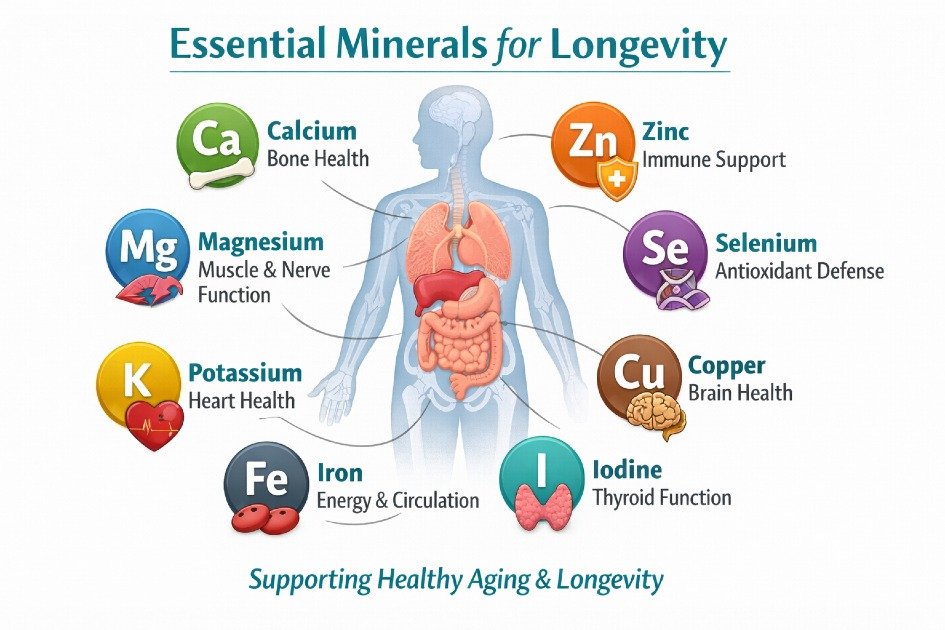
Minerals keep your body running smoothly by supporting cells and boosting energy. Getting enough minerals helps prevent health problems and supports a longer, stronger life when paired with healthy foods.
Why Does Your Heart and Muscles Need Magnesium?
Magnesium keeps your muscles, heart, and nerves working smoothly. Without enough magnesium, the body can feel tired, get muscle cramps, and heartbeat acting oddly. This happens because magnesium helps the body run hundreds of important reactions that make energy and control how muscles and nerves work.
Eating magnesium-rich foods such as leafy greens, nuts, seeds, and whole grains can lift your energy and help your heart stay strong. Gentle magnesium supplements like citrate or glycinate are easier to absorb and kind to your stomach.
I started taking magnesium every day and noticed my energy and recovery improved fast. I eat magnesium-rich foods and supplement. My heart feels steadier during workouts, and my legs stop cramping at night. Adding magnesium has really boosted how I feel overall.
Can You Protect Bones from Aging with Calcium?
As people age, weak bones become a hidden danger. Many think they get enough calcium, but most fall short every day. Low calcium makes bones fragile, raises the chance of breaks, and limits movement, which can harm daily life.
Eat more calcium-rich foods such as fortified plant milks, yogurt, cheese, and sardines. Pair them with vitamin D to help your bones absorb calcium better. If you do not get enough from food, a good calcium supplement can support long-term bone health.
I started pairing calcium-rich foods with a supplement on days I ate less of it. After a few months, my joints felt looser, and moving around became easier.
How Does Zinc Boost Your Immune System?
As we get older, our body fights germs less effectively and heals more slowly. Many people do not get enough zinc, which is key for strong immunity, faster recovery, and healthy cell growth.
Eating foods high in zinc such as pumpkin seeds, lentils, oysters, and lean meats helps keep your body strong. If daily zinc is hard to get from food, a supplement that your body can absorb may support you. Enough zinc keeps your immune system ready and helps your tissues heal, supporting a longer, healthier life.
I went through a stressful few months and started taking a zinc supplement with my healthy meals. I noticed I caught fewer colds, healed quicker from small injuries, and just felt healthier overall.
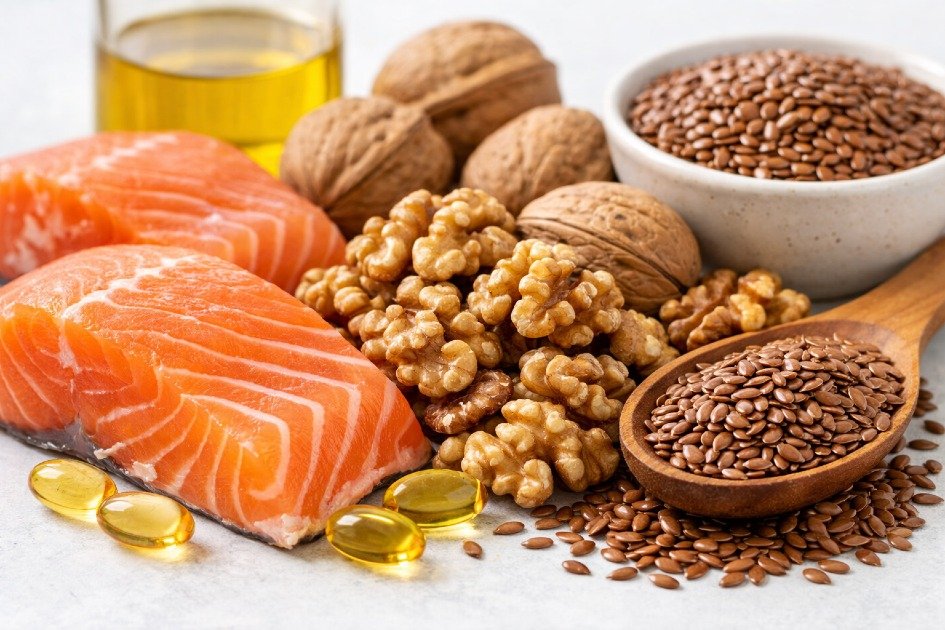
Can Omega-3s Boost Lifespan?
Omega-3 fats protect the heart, support the brain, and keep cells strong. They help the body age better by lowering long-term inflammation and reducing tiredness.
How Can Omega-3 Boost Your Brain Power?
Heart disease and memory loss cause many deaths worldwide. Swelling in the body, clogged arteries, and cell damage drive these problems. Many people eat too much processed food, which raises the risk of long-term illness and weak brain health.
Eating foods rich in omega-3s, such as fatty fish, chia seeds, and flaxseeds, helps calm inflammation and keep blood pressure steady. These foods support brain cells and improve cholesterol balance.
I take a quality fish oil supplement each day and eat salmon twice a week. After a few months, my thinking felt sharper and my mood stayed steady. My blood pressure readings also improved a bit.
How Do Omega-3s Fight Inflammation Naturally?
Long-term inflammation can cause sore joints, stomach trouble, and heart problems. Medicines or special diets may not work if the body lacks key nutrients, allowing inflammation to continue and speed up aging.
Omega-3 fats help calm swelling in the body and support a healthy immune response. They help the body make soothing compounds that lower long-term inflammation. Eating foods rich in omega-3, like nuts, seeds, and fatty fish, along with colorful fruits and vegetables, can help protect your body and support overall health.
I added vegan omega-3 capsules to my mornings and paired them with a chia seed smoothie. Within weeks, my joints felt less stiff, daily movement became easier, and less tired after workouts.
How Can You Boost Omega-3 Intake Daily?
Omega-3 fats support the heart and brain, yet many people do not get enough. Eating fish often feels hard to keep up with, and plant foods do not provide much EPA and DHA. When intake stays low, heart health and clear thinking can slowly decline.
Take omega 3 supplements with healthy fats such as fatty fish, walnuts, flaxseeds, and algae oil to help your body absorb more. Track your daily intake so you meet your needs without depending too much on supplements.
I eat salmon once a week, enjoy a small handful of walnuts each day, and take algae-based omega-3 every morning. This plan keeps my nutrients on track, and I feel steady energy and better heart health.
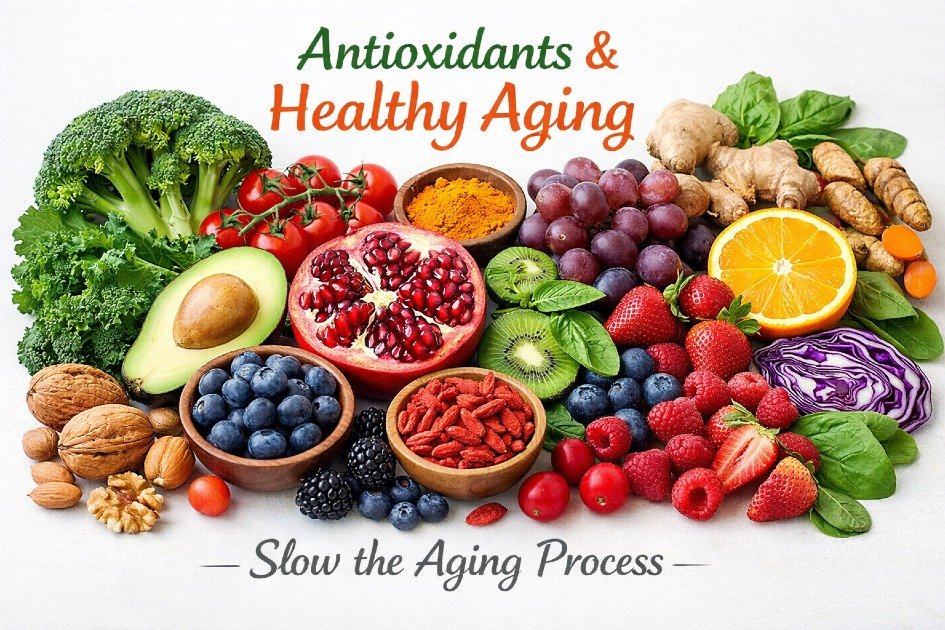
Can Antioxidants Slow Down Aging?
As we age, our skin wrinkles and our focus can fade. Eating foods rich in antioxidants helps protect our cells and may slow down aging, but many people forget to include them in daily meals.
How Do Antioxidants Protect Your Cells from Aging?
Free radicals are unstable molecules that damage healthy cells and speed up aging, wrinkles, memory loss, and inflammation. Some people focus on creams and lotions, but keeping the body’s own defenses strong is just as important.
Antioxidants like Vitamin C, Vitamin E, and polyphenols fight harmful molecules in the body. Eating foods such as berries, leafy greens, nuts, and cocoa helps keep you healthy. Steaming these foods keeps more nutrients than boiling.
I started blending a smoothie full of antioxidants every morning. My skin looked brighter, and I felt steady energy all day.
How Do Antioxidants Keep Your Brain Sharp?
As we age, our brains can feel foggy and forgetful because stress damages brain cells and slows signals between them. Some people assume this decline is unavoidable but understanding it can help protect memory and focus.
Eating foods rich in flavonoids like blueberries, dark chocolate, and green tea helps protect brain cells and supports the brain’s ability to adapt and grow, boosting overall mental strength.
I started eating a piece of dark chocolate during my afternoon break. After a few weeks, I felt sharper and remembered things more easily.
Can Supplements Beat Natural Antioxidants in Foods?
Taking supplements might seem like an effortless way to get nutrients, but single antioxidants often miss the teamwork that natural compounds in whole foods provide, making them less powerful for long-term health.
Put food first and turn to supplements like CoQ10, resveratrol, and astaxanthin only if your meals do not cover your needs. Take the right dose regularly instead of just adding more.
I started pairing my meals with a high-quality antioxidant supplement to fill the gaps in my diet. Soon, I felt steadier energy throughout the day, my skin looked healthier, and small aches after workouts eased. It showed me how combining real food with smart supplements can quietly boost long-term health.
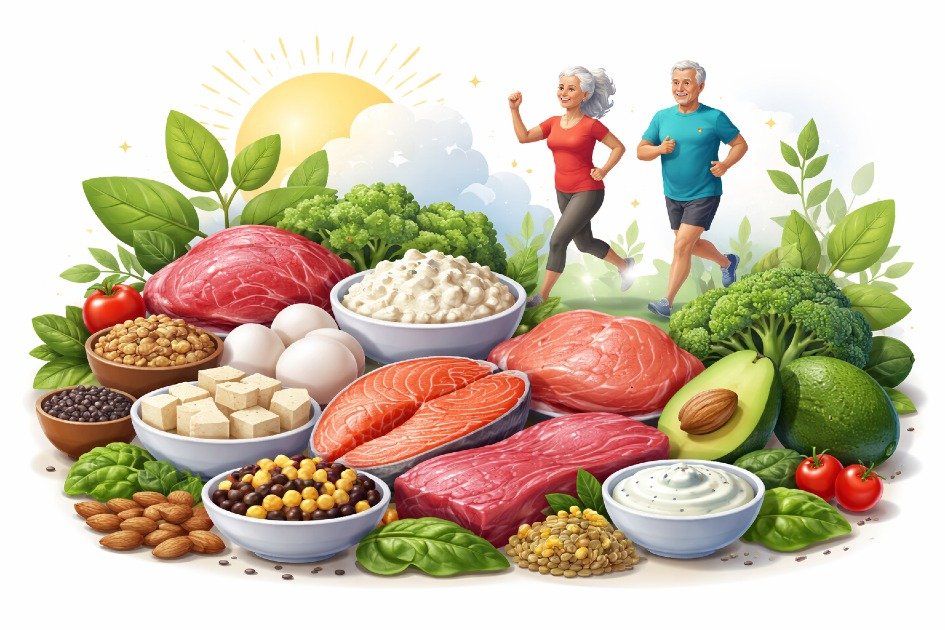
How Does Protein Influence Longevity?
Protein keeps your body strong, helps muscles stay healthy, and supports overall well-being as you get older. Eating enough can boost energy and may help you live longer.
Why Does Protein Matter for Aging Gracefully?
As people age, muscles naturally shrink, making daily movement harder, causing fatigue, and raising the chance of chronic illness, especially when adults do not get enough protein each day.
High-quality proteins like lean meat, fish, eggs, beans, and dairy give the body the amino acids it needs to repair tissues, boost immunity, and keep metabolism working well.
I started my mornings with a protein shake made from plant-based powder and felt my energy soar in just a few weeks. Adding eggs and Greek yogurt to breakfast gave me lasting strength and kept me moving all day.
Can Plants Give the Same Protein Power as Meat?
Animal proteins get a lot of attention for helping people live longer, which can make some skip plant foods. But plants offer special nutrients that fight aging, and eating only one type of food can leave out important vitamins and minerals your cells need to stay healthy.
Eating beans, quinoa, nuts, and seeds gives your body more nutrients. Mixing these plant proteins with colorful vegetables and whole grains helps you stay healthier longer. This combination delivers fiber, vitamins, and antioxidants that your body can use well.
I started having a daily smoothie with pea protein powder, chia seeds, and spinach and cut back on red meat without losing strength or stamina. My workout felt easier, I recovered faster, and my energy stayed high all day.
How Much Protein Is Enough for a Longer Life?
Eating too little protein can shrink muscles, while too much can strain the kidneys and make it harder for your body to use nutrients. Finding the right amount is tricky because it depends on your age, weight, and activity.
Eat about 1 to 1.2 grams of protein for every kilogram you weigh, and tweak it if you are regularly active. Spread protein through your meals and mix in foods like eggs, fish, nuts, and beans to keep your diet strong and balanced.
I kept track of my protein using a healthy meal planner and added whey protein after workouts. Over time, I felt more energized, my muscles grew firmer, my bones felt stronger, and my body recovered faster, showing real improvements in my overall health.
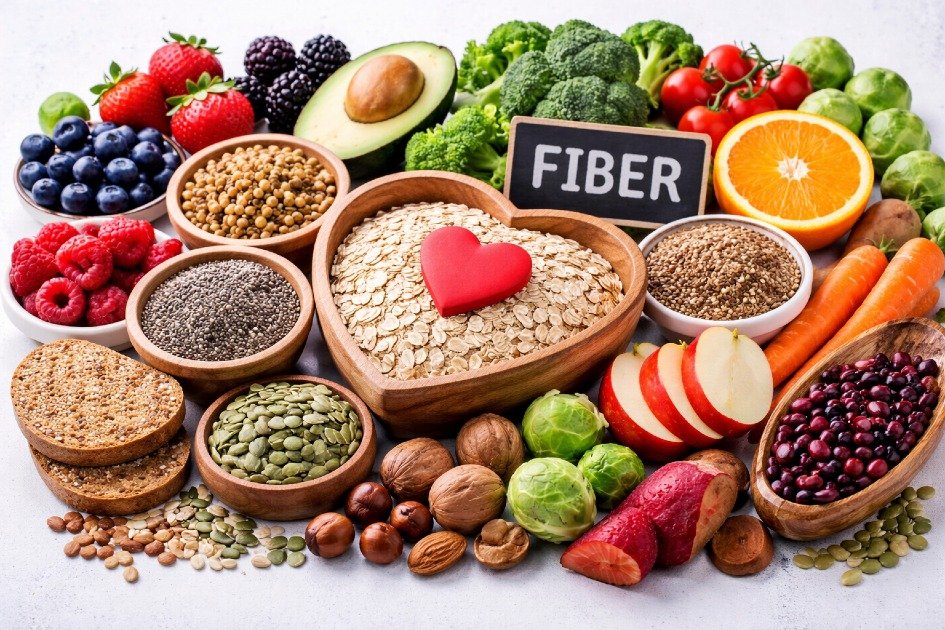
Are Fiber-Rich Foods Linked to a Longer Life?
Fiber helps your body stay healthy by keeping digestion smooth, balancing blood sugar, and working well with nutrients. It strengthens overall wellness and can help you live longer.
How Does Fiber Protect Your Heart and Gut Health?
Many modern meals do not give enough fiber, which can cause constipation, upset gut bacteria, and raise heart risks. Without enough fiber, the body struggles to remove toxins, putting extra stress on key organs and affecting long-term health.
Eating a mix of whole grains, beans, vegetables, and fruits keeps your body strong. Fiber from these foods helps lower cholesterol, balance blood sugar, and keep digestion smooth. Pairing fiber with healthy foods boosts your heart, gut, and overall energy.
I started adding chia seeds and lentils to my breakfast every day and quickly felt a difference. My digestion improved, and I had more energy throughout the morning.
Can Fiber Lower Your Risk of Chronic Illness?
Chronic inflammation can make the body age faster and raise the chance of illnesses like diabetes, heart problems, and some cancers. Eating too little fiber can make inflammation worse, yet many people depend on medicine without realizing that food plays a significant role in controlling it.
Eating fiber-packed foods like lentils, almonds, and broccoli can calm inflammation and protect your body from stress. Soluble fiber feeds good gut bacteria, which make compounds that ease inflammation throughout the body.
I added flaxseed and artichokes to my salad lunch every day for six months. I felt fewer aches and had steadier energy throughout the day.
Which Fiber Foods Boost Lifespan?
Carrying extra weight can speed up aging and make you more likely to get sick, and many people find it hard to keep a healthy weight. Eating too little fiber can make you feel hungrier, cause blood sugar to swing, and leave your body missing important nutrients.
Eating more fiber from whole grains, vegetables, and beans with protein and healthy fats helps you feel full longer. Drinking enough water keeps digestion smooth, and eating fiber regularly balances appetite while helping your body absorb nutrients, supporting long-term health.
I started my mornings with a smoothie full of spinach, berries, and oats, and it kept me feeling full for hours. I noticed it helped me control my weight and made it easier for my body to get the nutrients it needs.
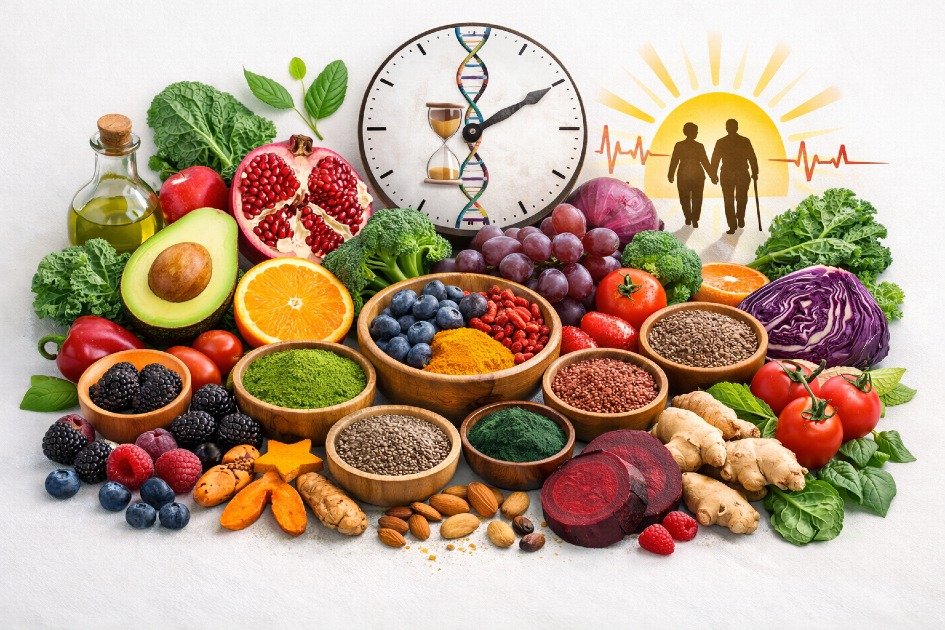
Do Phytonutrients Fight Aging Naturally?
Superfoods and phytonutrients are celebrated for boosting energy and keeping us young, but we need to check the facts before trusting every claim.
How Do Phytonutrients Help You Live Longer?
Eating brightly colored foods may help slow aging because of natural plant compounds. Some like flavonoids and carotenoids function as strong antioxidants, protecting cells.
Eat foods full of plant power like kale, spinach, blueberries, and dark chocolate every day to fight aging and protect your cells from damage. Adding healthy fats such as olive oil or avocado helps your body soak up these nutrients better.
In my own nutrition journey, I began adding a simple morning smoothie made with spirulina and blueberries. I chose them for their rich nutrients which boosted my energy and smoothened my digestion.
Do Superfoods Stop Chronic Illness Naturally?
Long-term illnesses like heart disease and type 2 diabetes can make the body wear out faster. Many people then depend on pills instead of healthy foods to stay well.
Adding foods like turmeric, walnuts, and green tea helps protect your body. These foods fight swelling, support the brain, and keep the heart strong. They also help your immune system, reduce cell damage, and slow aging.
I start each day with a warm turmeric latte and a small handful of raw walnuts. These simple foods help keep my blood pressure steady and my mind clear. By choosing foods rich in natural plant nutrients, I support my health in a way that feels easy and enjoyable every day.
How Do Daily Choices Boost Phytonutrient Power?
Eating superfoods maximizes the benefits of phytonutrients, as sporadic intake does not provide adequate nourishment for cellular repair and antioxidant defenses.
Prepare simple meals, enjoy fresh smoothies, and pick smart snacks to fuel your body with daily nutrients. When you add water, good sleep, and light exercise, your body stays strong for the long run instead of depending on one nutrient alone.
I start my mornings with a simple smoothie made from organic chia seeds, matcha green tea powder, and fresh spinach. I pair it with a brisk walk and steady water during the day. My skin feels firmer, and my energy stays strong supporting lasting health.

How Does Hydration Affect Longevity?
Drinking enough water helps your body work better and age slower. It moves nutrients to your cells, keeps them healthy, and supports a longer life, yet many people overlook how powerful this simple habit can be.
Can Drinking Water Really Slow Down Aging?
Some people drink more coffee and sweet drinks than water. This habit strains the body and limits how well nutrients move through cells. Over time, it can stress cells, slow digestion, age skin faster, stiffen joints, weaken organs, and reduce metabolism and immune strength.
Drink about eight glasses of water each day and adjust based on how much you move, the weather, and your body size. Add fresh fruit or herbs to boost flavor and make drinking water more fun. Eat water-rich foods like watermelon, cucumber, and oranges to stay hydrated longer.
Using a tracking bottle and added fresh citrus to my drinks, my skin felt firmer, and I had more energy during exercise. When I drank water with healthy meals, my body used nutrients better by supporting strength, balance, and long life.
How Does Water Help Nutrients Reach Every Cell?
When the body lacks enough water, blood becomes thicker and moves slower, making it harder to carry oxygen and nutrients. This strain can weaken organs, drain energy, cause tiredness, and speed up the aging process over time.
Drink water before, during, and after meals to help your body move nutrients like B vitamins, magnesium, and antioxidants to your cells. Take small sips while eating instead of drinking a lot at the end. Herbal teas and warm broths also keep you hydrated and add gentle nutrients your body can use.
I drink herbal tea blends to support nutrient uptake. With smart hydration and nourishing foods, I stayed focused and strong, reminding me that simple habits support long life at the cellular level.
Does Staying Hydrated Protect Your Organs and Brain?
Dehydration puts stress on the heart, kidneys, and brain. It can make thinking harder, weaken memory, and raise the chance of kidney problems and heart strain. Not drinking enough overtime can trigger body-wide inflammation and speed up aging.
Drink water regularly by setting gentle hourly reminders and choose drinks with electrolytes when active. Check your urine color to see if you are hydrated. Pair water with healthy meals to help your body work better, boost brain focus, and remove waste efficiently.
I started bringing electrolyte packets with me to workouts and busy workdays. Drinking enough water along with eating healthy smoothies and meals gave me fewer headaches, smoother digestion, and more energy that reminded me how important hydration is for long-term health.
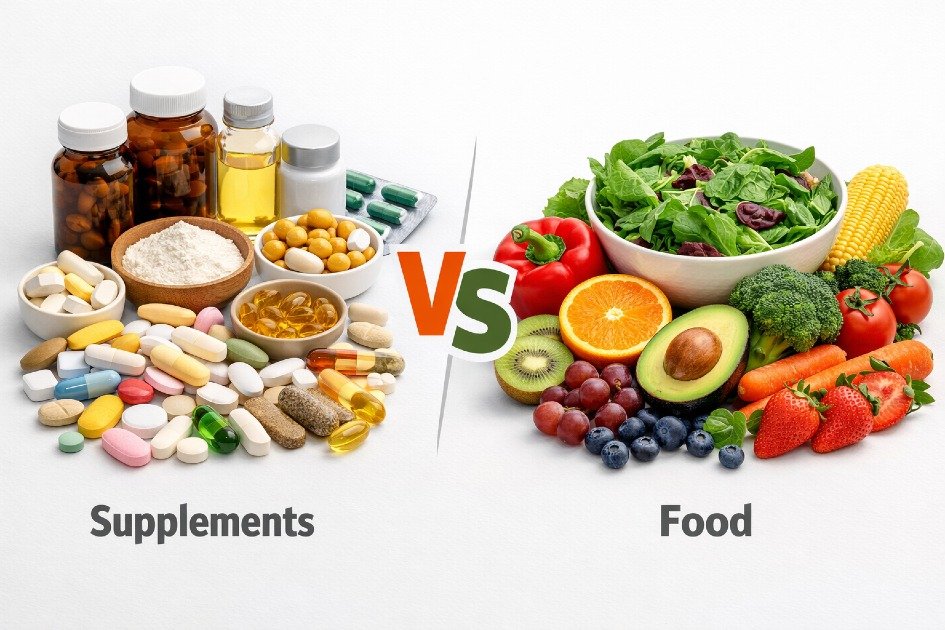
Can Supplements Give You All Your Nutrients?
Supplements help fill nutrition gaps but cannot replace the variety of nutrients found in whole foods. Eating whole food and using supplements together wisely gives the best results for your health.
Does Supplements Have What Whole Foods Give You?
Multivitamin alone cannot give all the nutrients your body needs because they leave out important helpers like phytonutrients and fiber found in real foods. These natural compounds boost absorption and make supplements work better.
Build your meals around wholesome foods like bright vegetables, fresh fruits, beans, lean meats, and whole grains. Take supplements like omega-3 capsules only to support your diet, not replace it.
In my routine, I took Omega-3 supplements when I did not eat enough oily fish. Adding leafy greens and walnuts made them work even better. The mix of healthy foods and supplements gave me more energy and made me feel stronger.
Which Nutrients Are Hardest to Get from Food Alone?
Some nutrients such as Vitamin D, B12, and iodine are tough to get from food alone, especially if you eat mostly plants or limit certain foods. Missing them can slowly drain your energy, weaken your immunity, and affect your focus.
Check your diet with routine blood tests or doctor visits to spot missing nutrients and add supplements like vitamin D in winter or B12 for those who avoid meat to stay healthy and balanced.
I realized my Vitamin D was low during winter. Adding a D3 supplement, drinking fortified almond milk, and getting some sun lifted my mood and improved my sleep.
How Can You Maximize Nutrient Absorption?
Taking supplements without a plan can backfire. Your body only absorbs nutrients if the timing, meals, and your own biology line up. Many people spend money on pills that never make it into their system.
Taking supplements works best when matched with the right food and timing. Vitamins A, D, E, and K absorb well with healthy fats and Iron works better when not taken with calcium-rich meals. This simple pairing helps your body get the most from what you take.
I began taking my multivitamin with avocado toast instead of on an empty stomach. Almost immediately, my stomach felt calmer, my focus sharpened, and I felt more nourished. I realized that even supplements work best when paired with the right food.
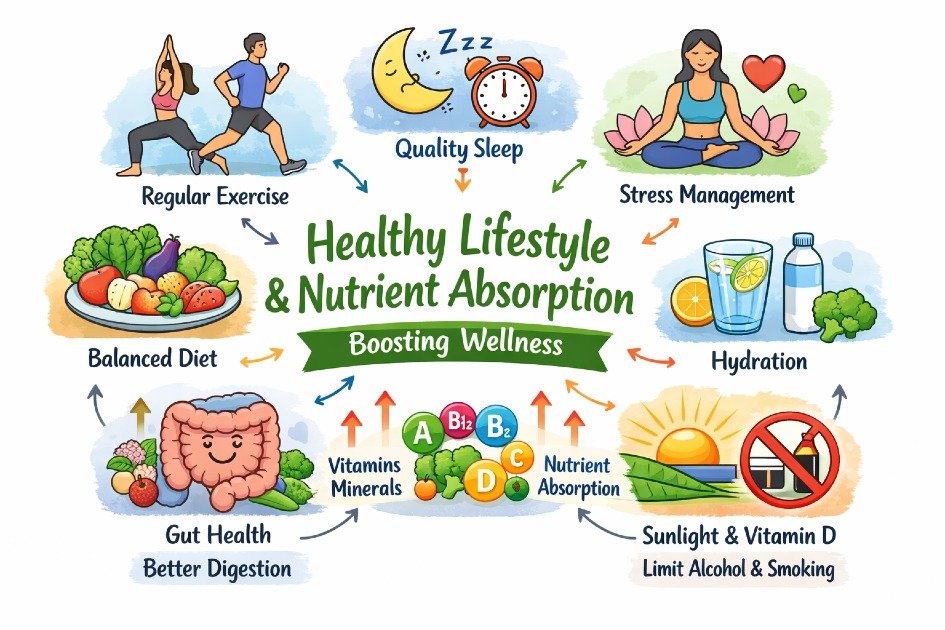
Lifestyle Moves That Maximize Nutrition
Everyone’s body reacts differently to healthy food because what you eat and how you live, like your sleep and exercise habits, affects how your body uses nutrients and stays healthy.
How Can Exercise Boost Your Body’s Nutrient Power?
Eating healthy foods alone may not give energy if blood flow is slow and the body stays inactive. Poor circulation keeps nutrients from reaching muscles and organs, leaving people tired despite a good diet.
Regular movements like walking, yoga, or strength workouts help your blood flow, build muscles, and keep digestion smooth. These activities also make your body use vitamins and minerals better, turning them into energy you can feel.
I started taking a 30-minute brisk walk each morning and followed it with breakfast full of protein and antioxidants. My go-to pre-workout supplement made me feel stronger and more energized. I could tell my body was using the nutrients better during my workouts.
Can Stress Boost Nutrient Power?
Chronic stress raises cortisol, making it harder for the body to absorb key nutrients like magnesium, zinc, and B vitamins, so even healthy meals may not fully nourish you.
Practicing mindfulness through simple habits like meditation, journaling, or slow breathing can lower stress and help your body use nutrients better. Spending just ten minutes a day on meditation can make your meals work more effectively with your body’s needs.
I began meditating every night and taking a magnesium supplement to help my body relax. After a few weeks, I started sleeping more soundly and my digestion felt smoother. The calm from meditation combined with the nutrients gave me more energy and made me feel healthier overall.
Does Sleep Quality Really Affect Nutrient Utilization?
Lack of sleep throws off your hormones, making it harder for your body to use the nutrients from food, even the healthiest ones, to fuel your cells.
Get 7 to 9 hours of sleep in a dark, quiet, and cool room. Eating a small snack like nuts or yogurt before bed helps your body recover and stay strong.
I started sleeping better and taking a nightly supplement full of antioxidants. I woke up feeling sharper, and my body used food more effectively.
Recap: Nourish Your Body, Extend Your Life
Nourishing your body with the right nutrients is essential for a vibrant and energized life.
Nutrients serve as the building blocks of vitality, impacting everything from immune function to cognitive performance.
According to Harvard Health, eating a healthy diet improves cell function and longevity, providing energy and supporting immune health, while poor nutrition increases chronic disease risk and may shorten lifespan.
Create a thriving future by adopting a nutrient-focused routine as a sustainable strategy for health and longevity, thus, empowering you to influence your well-being.
Frequently Asked Questions
What are the most critical nutrients for extending lifespan?
The most pivotal nutrients for longevity include antioxidants, omega-3 fatty acids, essential vitamins like D, C, and E, and trace minerals such as magnesium and zinc. Each nutrient supports cellular resilience, cardiovascular function, and neuroprotection.
Can a nutrient-rich diet really slow down aging?
Consuming phytonutrient-rich foods such as berries and leafy greens can reduce cellular aging and chronic inflammation, improve mitochondrial efficiency, and may help slow biological aging.
How many nutrients should I consume daily for longevity?
Experts advise emphasizing a range of micronutrients—such as vitamins, minerals, omega-3 fatty acids, and antioxidants—for sustained health and vitality, rather than concentrating on specific targets that vary based on age, sex, and activity level.
Do foods give your body more benefits than supplements alone
Whole foods are favored for their synergistic compounds absent in supplements. However, supplements can be useful for addressing nutritional deficiencies, like Vitamin D in winter or omega-3s for those not consuming fatty fish.
Can one nutrient make a significant difference in longevity, or is it the combination that matters?
Longevity is enhanced through a holistic nutritional approach that synergizes multiple nutrients, improving antioxidant capacity, cardiovascular resilience, and metabolic homeostasis, like an orchestra achieving harmony for lasting health.
Are there unusual nutrients that most people overlook but are vital for a long life?
Some lesser-known nutrients such as selenium, coenzyme Q10, and astaxanthin offer significant anti-aging benefits.
Selenium regulates antioxidant enzymes, CoQ10 boosts mitochondrial energy, and astaxanthin serves as a powerful carotenoid with neuroprotective effects, enhancing longevity strategies.
Can nutrient intake reverse damage already done to the body?
Some nutrients can repair and protect cellular integrity, although none can reverse aging completely. Antioxidants reduce oxidative stress, omega-3s aid vascular repair, and protein-rich foods help maintain muscle mass. Consistent adherence to nutrient-dense diets is crucial for long-term effects.
How does hydration interact with nutrient absorption for longevity?
Proper hydration is crucial for nutrient bioavailability, as water transports vitamins and minerals to cells, facilitates enzymatic reactions, and supports detoxification.
Combining water with nutrient-rich foods enhances the body’s ability to utilize these nutrients effectively for cellular longevity.
Are there any risks in taking high doses of longevity nutrients?
Excessive intake of specific vitamins or minerals, such as Vitamin A, zinc, or iron, can lead to toxicity. It is essential to adhere to recommended dosages and consult healthcare professionals before beginning high-dose supplementation. A balanced and moderate nutrient intake is safer for long-term health.
What lifestyle habits enhance the effects of nutrients on longevity?
Physical activity, sufficient sleep, stress management, and intermittent fasting optimize nutrient effectiveness.
Exercise facilitates nutrient absorption, sleep aids in body repair, and stress management helps maintain nutrient reserves.
Together with a nutrient-dense diet, these practices synergistically enhance lifespan benefits.