
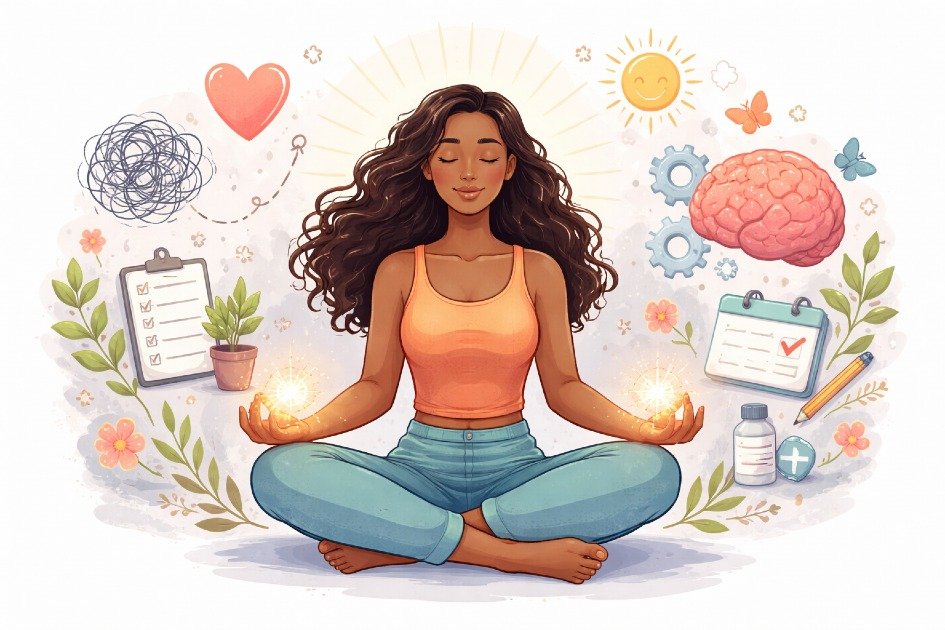

Have you ever wondered why some people seem to navigate stress, anxiety, and emotional hurdles with remarkable ease while others feel trapped in a constant cycle of overwhelm?
Overcoming mental health challenges involves not just survival, but thriving through effective methods that support mental, physical, and emotional well-being.
According to Harvard Health, mental health challenges can be mitigated by seeking therapy, following a personalized treatment plan, and adopting healthy habits such as exercise and stress management.
Key strategies include recognizing stress signals, engaging in professional therapy, and adopting self-care routines such as meditation, healthy diets, and adequate sleep.
By managing negative thoughts and emotions, individuals can develop resilience and establish healthy boundaries. The use of digital tools further enhances accessibility to mental health support.
This guide promotes long-term mental wellness, empowers individuals, and encourages proactive engagement in mental health as a lifelong priority.
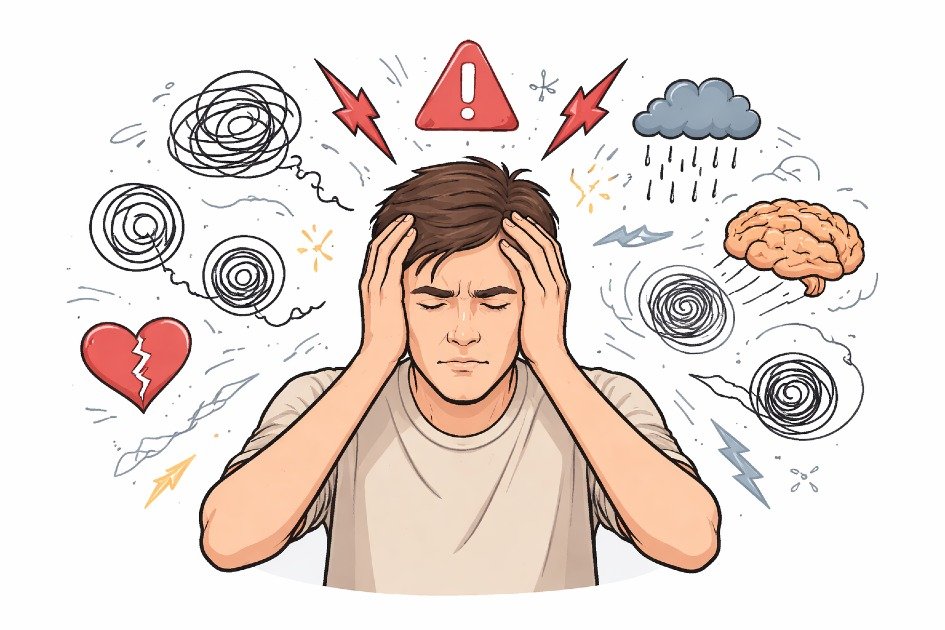
Understanding Signs of Mental Stress
Mental health struggles often begin quietly and are easy to miss. When people notice the early signs, they can act sooner, avoid deeper stress, and restore focus and emotional balance before things become overwhelming.
Does Stress or Sadness Linger Longer Than It Should?
Feeling stressed or sad now and then is part of life. But when these feelings stay for a long time or grow stronger, they may point to mental health concerns. Constant tiredness, frequent irritability, or feeling emotionally empty can be signs that your mental well-being needs care and support.
Writing a few lines about your mood each day can help you spot times when worry or low energy shows up more often. Simple mindfulness habits like slow breathing or short guided meditation can clear your mind and help you tell the difference between a rough day and deeper emotional concerns.
I used to brush off feeling tired and cranky as normal work pressure. When I began writing a few lines each day and using a mental wellness app, I saw the same moods repeat.
What are the hidden signs of anxiety and depression?
Anxiety and depression often hide in the body. They can show up as headaches, stomach trouble, or tight muscles. When people ignore these warning signs, mental health slowly worsens without being noticed.
Gentle yoga, slow muscle release, or daily walks help your body and thoughts work together. These habits can reveal early signs that something deeper needs care.
During a stressful time at work, I dealt with constant stomach aches and did not realize anxiety was the cause. I used simple holistic tools like mindful breathing, better food choices, and nature’s way magnesium to spot the real issue early and calm my body before the discomfort grew worse.
When should you seek professional help?
Some people put off getting help because they feel ashamed or worry that their problems are not big enough. When support is delayed, stress can grow stronger and cause more pain than needed.
If worry, sadness, or mood swings stay for over two weeks and start to affect daily life, seek help from a trained professional. Counseling and medical support can guide you with a clear, personal path toward feeling better.
I put off seeing a therapist for a long time because I thought I could manage on my own. When I finally booked sessions with a licensed professional through Online-Therapy.com, I think better and feel back in control of my mental health.
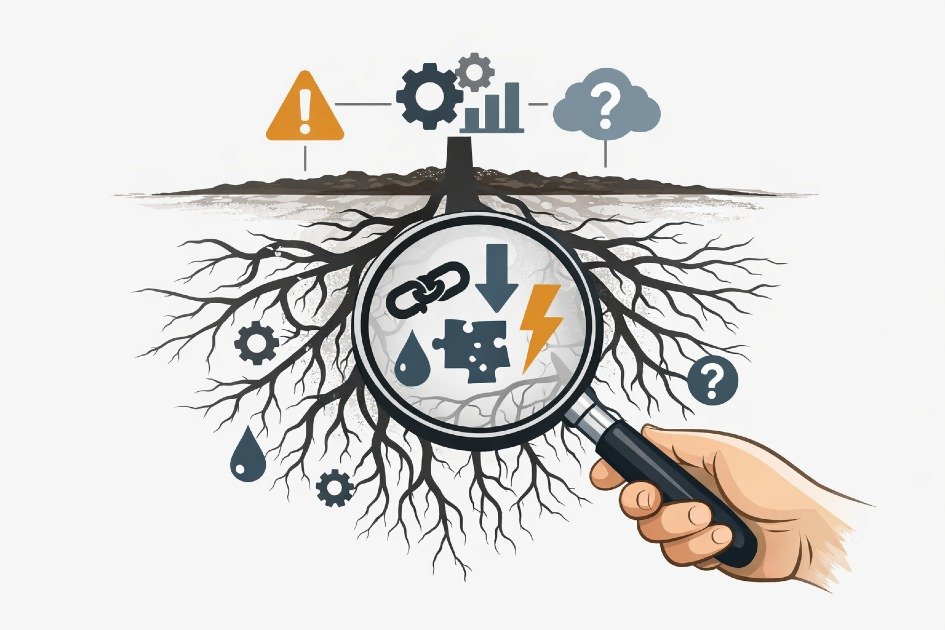
Understanding the Root Causes
Mental health struggles often act like unseen weights on the mind, making daily life feel harder than it should. When you learn what causes these feelings, you can better understand your emotions, spot triggers early, and take simple steps that support a healthier, calmer mind.
Can Stressful Events Leave Lasting Emotional Scars?
Painful experiences like growing up without enough care or facing sudden life changes can affect the mind in lasting ways. Trauma may show up as constant worry, trouble sleeping, or pulling away from others. When people overlook these warning signs, emotional struggles can grow stronger and harder to manage over time.
Writing in a journal or using guided reflection can help uncover past hurts that still shape how you think and feel. Therapies like CBT and EMDR help the mind process painful memories in a safe way, turning emotional wounds into strength, clarity, and resilience.
I went through a sudden job loss that left me anxious and overwhelmed. I used stress journals, CBT skills, and mindfulness practices to spot what triggered my anxiety, ease panic moments, and slowly feel in control of my mental health again.
Can Your Body Chemistry Affect Your Mental Health?
Some mental health struggles run in families, raising the chances of anxiety, depression, or mood disorders. Understanding these inherited risks helps people manage their emotions better.
Knowing your genes helps you stay ahead in health by getting regular check-ups, eating well, sleeping enough, and staying active. Omega-3s and adaptogens can also boost brain function and keep your mood steady.
I noticed that mood struggles ran in my family. I took charge of building daily wellness habits, using natural supplements and herbs to support my mind. These routines boosted my resilience and gave me an obvious way to manage inherited mental health challenges.
Can Your Lifestyle Boost or Drain Your Mind?
The choices we make each day shape our mental health, such as too much sitting, unhealthy food, being alone, and too much screen time can cause stress, tiredness, worry, or sadness.
Living well with habits like daily exercise, mindful meals, less screen time, and connecting with friends can boost your mood and focus. Simple steps, like a 15-minute walk or quick meditation, add up to big benefits over time.
My mood lift and my focus sharpen when I build my day around wellness. Using meditation platforms and arranging my workspace carefully helped me manage stress and stay clear-headed, even on tough workdays.

Building a Strong Support System
Struggling with mental health can make you feel lonely, but having caring people around helps you stay strong.
Who Can Listen When You Feel Overwhelmed?
When people feel stressed, anxious, or sad, they often stay silent and feel alone. Worrying about what others might think can make their sadness or anxiety worse and push them further from help.
Look for people like family, friends, or coworkers who listen, understand, and stick with you. Build a support circle you can reach out to when stressed, because even a short chat can lift your mood.
I remember a time when anxiety felt overwhelming and I did not know who to turn to. Talking with my sister helped me see things more clearly, and her advice gave me calm. I also found support through Online-Therapy.com.
How Do Loved Ones Offer Support Instead of Stress?
Loved ones who mean well can sometimes make mental health harder. Too much help can feel smothering; too little can feel like being ignored. Finding the right balance is tricky and can leave everyone stressed.
Speak up about the kind of support you need and your limits. Ask others to listen without trying to fix things or join in calming activities together. Talking openly about feelings and boundaries helps everyone understand each other and builds respect.
During my recovery, a friend kept asking questions that made me anxious. I told them my limits and they offered other ways to help through meditation platforms. Being clear made our trust stronger and their support more meaningful.
Can Shared Support Strengthen Recovery Success?
Facing mental health struggles alone can make people feel different and ashamed, stopping them from asking for help or joining supportive communities.
Joining support groups, online or in person, helps people share experiences, swap coping tips, and feel understood. These spaces let you safely express feelings and learn practical ways to manage challenges.
Listening to others with struggles like mine showed me I was not alone. I also took meditation courses that taught me simple daily habits to care for my mind.

Therapies and Professional Support
Getting help from a mental health professional can make tough times easier. With the right support and therapies, challenges become more manageable and hope becomes real.
Which Therapy Style Fits Your Mental Health Needs?
People with anxiety, depression, trauma, or obsessive thoughts need therapy that fits them, because what helps one person may not help another, and trying the wrong approach can feel discouraging.
Cognitive Behavioral Therapy changes harmful thoughts to ease anxiety and depression. Dialectical Behavior Therapy helps people control strong emotions. Eye Movement Desensitization and Reprocessing support those who have faced trauma.
I used to feel anxious all the time, and nothing I tried seemed to help. Simple exercises and Online-Therapy.com platform changed how I think and respond.
Can Counseling Make Everyday Decisions Feel Easier?
Some people think therapy is only for emergencies, so they miss its help for everyday mental health, which can keep them stuck in negative patterns and slow their growth.
Counseling helps people understand stress and learn ways to manage it. Psychotherapy goes deeper, exploring emotions and behavior to spot patterns that affect mental health. Regular sessions build emotional strength, prevent problems from getting worse, and boost resilience.
I started going to weekly therapy sessions and it gave me a clear space to talk about my feelings, set small goals, and try mindfulness exercises to manage my mental health.
Is medicine always the right choice?
Some people avoid mental health medications because of stigma, even when they need help with serious conditions like depression, bipolar disorder, or anxiety. Confusion about how and when to take them makes some unsure or stop using them.
A board-certified psychiatrist can help you decide if medication fits your needs. Medicine works best alongside therapy, not alone. Keep track of your symptoms, talk openly with your doctor, and adjust treatment when needed.
When I hit a low point, my therapist suggested that I see a psychiatrist. Starting a small, supervised antidepressant while continuing my therapy made a clear difference. Using a mood tracking app helped me see daily changes, feel more present, and enjoy life.

Self-Care Strategies
Taking care of yourself boosts well-being and helps your mind move from just coping to truly thriving.
How Do Daily Routines Boost Mental Health
Skipping a daily routine can pile up stress, leaving your mind tired and raising the risk of anxiety or depression.
Start your day with a simple habit like stretching, a healthy breakfast, or a few minutes of quiet focus. Close your day with reflection, journaling, or a calming activity. Even just fifteen minutes each morning and evening can bring calm and balance when life feels hectic.
I began a simple 10-minute morning meditation with gentle stretches using a meditation cushion and a mindfulness journal. Over time, my focus grew sharper, stress eased, and I felt calmer and more balanced.
Does Sleep, Diet, and Exercise Sharpen Your Mind?
Skipping sleep, eating irregularly, and sitting too much disrupt hormones, raise anxiety, and weaken your ability to manage stress.
Build a healthy routine by keeping a regular sleep schedule, eating nutrient-rich foods, and moving your body daily. A brisk 20-minute walk boosts mood, focus, and energy. Add omega-3s, magnesium, and antioxidants to support your body and mind.
I started turning off screens at night and focused on sleep routines. Mornings began with a smoothie full of blueberries and chia seeds. I reinforced my yoga mat sessions three times a week and felt calmer and more in control.
Does Mindfulness and Meditation Ease Stress?
Racing thoughts and constant worry can take over when the mind feels unsteady, making it hard to find ways to calm anxiety.
Mindfulness and meditation boost focus, control emotions, and help you notice your thoughts. Practicing just 5 to 15 minutes with guided breathing or body scans can strengthen your mind and keep you steady during stress.
Daily meditation changed how I manage stress. I used meditation platforms and a soothing diffuser to keep calm. My mood lifted, panic moments faded, and I became more patient and clear-headed.
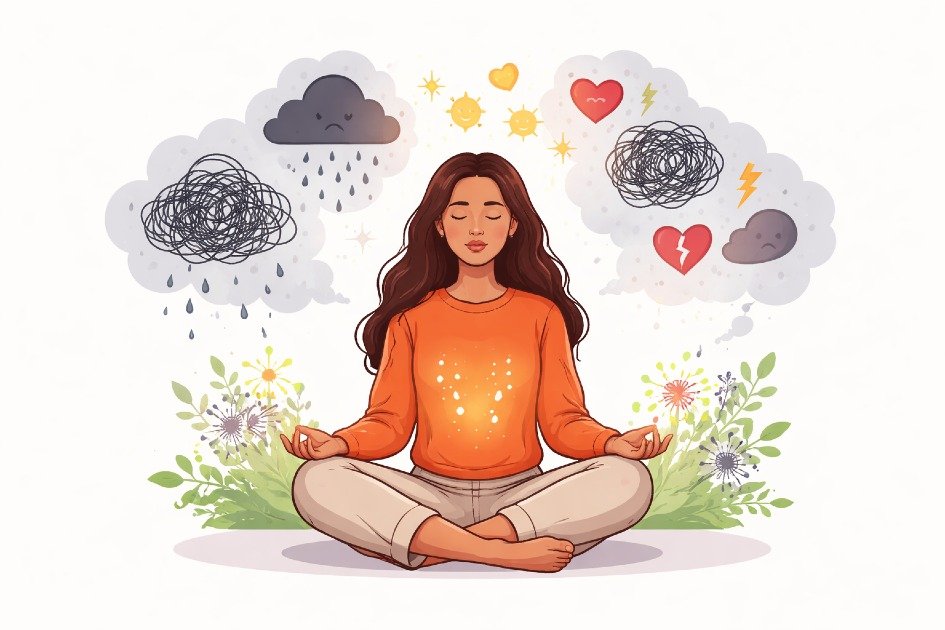
Managing Negative Thoughts and Emotions
Life can feel hard when our minds get stuck in worry and doubt. People facing mental health challenges need ways to manage these negative thoughts and emotions every day.
Can You Spot Negative Thinking Before It Grows?
Negative thoughts can quietly sneak in, starting as self-doubt or fear. Left unchecked, they raise stress, lower focus, and hurt confidence.
Notice your negative thoughts without judging them and check if they are true. Writing them down or recording voice notes can show patterns. Simple mindfulness exercises and grounding techniques remind you that thoughts pass, helping your brain respond calmly before negativity grows.
I used to feel anxious all the time; I started writing in a guided mindfulness journal and noticed patterns in my thoughts. This mindful journaling helped me get negative feelings out of my head so I could face them. After a few weeks, I felt calmer, more focused, and in control of my days.
How Do You Find Peace When Thoughts Spiral?
Mental health struggles can cause racing thoughts that are hard to stop. Everyday tasks may feel heavier than they should, and emotions can change fast. When people ignore these signs, stress grows and daily life becomes harder to manage.
Slow breathing, gentle muscle release, and positive imagery help the body relax naturally. The 4-7-8 breathing method supports deeper oxygen intake and helps the heart slow down. When you add short, mindful pauses to your day, you give your emotions time to reset and regain balance.
I went through a stressful season when my mind felt tired and noisy. I added pause break to my morning routines, and it changed how I managed my emotions. By night, I could think clearly and look back on my day calmly.
How Do You Beat Brain Burnout Easily?
Ongoing mental fatigue drains your energy and lowers your quality of life. It makes you feel tired, disrupts sleep, and weakens your ability to cope with stress. When left unchecked, it reduces focus and productivity and can intensify anxiety and low mood.
Mental fatigue fades when you give your mind real breaks. Step away from screens, rest with purpose, and pause for simple mindfulness moments during the day. Writing down worries helps release mental clutter and brings clarity.
By Friday, my mind felt worn out even though I followed a simple routine. I changed that by taking short mindful breaks and writing a few lines each day. I also used the stress relief aromatherapy to clear my head and refresh again.
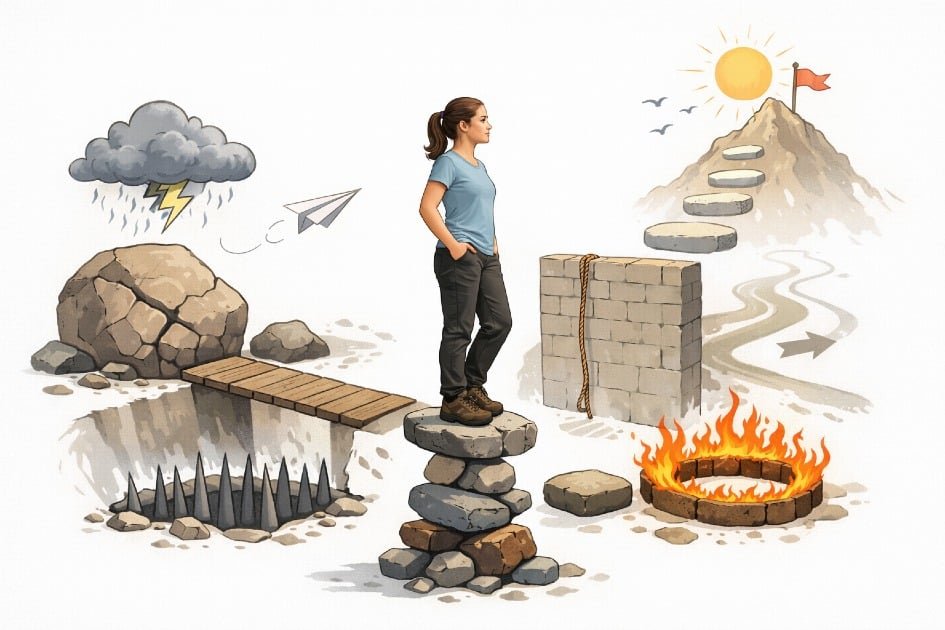
Building Resilience and Coping Skills
Building mental strength helps you manage life when plans fall apart. Resilience grows when you train your mind to stay steady under pressure. Strong coping skills allow you to adjust, move forward, and stay confident no matter what comes your way.
How do daily choices boost your mental strength?
Many people overlook how small daily habits shape mental health. Ignoring little stress triggers and simple routines can slowly drain emotional energy, making anxiety and burnout more likely over time.
Tiny daily habits can create powerful changes over time. Simple morning practices like slow breathing, short walks, or writing a few thoughts help the brain form healthier patterns. When you add a daily gratitude note, your focus naturally moves from problems to resilience and supports a calmer, more positive mindset.
I felt my mind quieter and my choices clearer when I started doing a 10-minute meditation. Writing in a gratitude journal showed me my progress and kept me steady during busy weeks.
What Actions Ease Sudden Pressure?
Sudden stress from work or personal problems can stir strong emotions that harm mental health. Without healthy ways to cope, these feelings can grow into long-lasting anxiety or depression.
Controlled breathing, tensing and relaxing muscles, and changing how you think can calm sudden stress. Short breaks during the day help your brain reset before stress builds up.
During a stressful project, I turned to guided breathing and quick walks outside. The fresh air and steady breaths lifted my mood right away. Over time, this simple routine built my emotional strength and made tough days easier to manage.
Why do limits make life less stressful?
Always saying yes to others while ignoring your own needs can wear you down emotionally. It can lead to stress, irritability, and lasting fatigue. Feeling guilty for setting boundaries often keeps you stuck in overworking yourself.
Set personal limits and notice tasks that drain your energy. Make time for activities that recharge you and remember that saying no helps keep your emotions balanced.
I set a rule to stop working emails after 6 PM and used the time for hobbies like reading and yoga. Wearing light-blocking glasses and using a comfortable meditation cushion made these moments feel refreshing.

Breaking Stigma and Being Open
Hiding mental struggles can leave you feeling alone and drained. Sharing openly takes courage and starts the path to real healing.
Why is talking about Mental Health still so taboo?
Many people avoid admitting mental health struggles because society sees emotions as weakness, making it hard to ask for help.
Talk openly with trusted friends or online groups about your feelings without fear. Make these conversations normal and help others understand by sharing books and guides that explain how to cope with and support each other.
I once felt scared to tell a friend about my anxiety, but their kindness made it easier. I started using a mood journal and a mindfulness planner to sort my thoughts. Sharing openly gave me relief and showed me that talking about mental health is okay.
How Does Talking About Struggles Build Confidence?
Mental health silence can deepen feelings of loneliness and make stress or depression worse. As a result, holding in emotions often becomes a way of coping.
Share your story to feel strong, not exposed. Set clear emotional limits while staying honest. Writing in a journal or talking with a trained guide helps you open safely and grow from the experience.
I used to hold back talking about my mental health at work. I started using therapeutic workbooks and stress relief tools and felt more confident. Talking about it eased my stress and encouraged others to care for their own well-being.
What steps help normalize seeking help in society?
Many cultures make people feel ashamed to get help for their mental health. They see therapy as weak, so fewer people reach out for support that could really help them feel better.
Communities can share knowledge, run awareness campaigns, and make therapy easier to reach. Workplaces, schools, and families should offer support. Online therapy and digital tools make getting help simple and quick.
I started helping at a local mental health group and talking about my own journey. I used guided meditation platforms alongside therapy and saw how being open can inspire others. People began sharing their struggles, and our community grew kinder and more understanding.
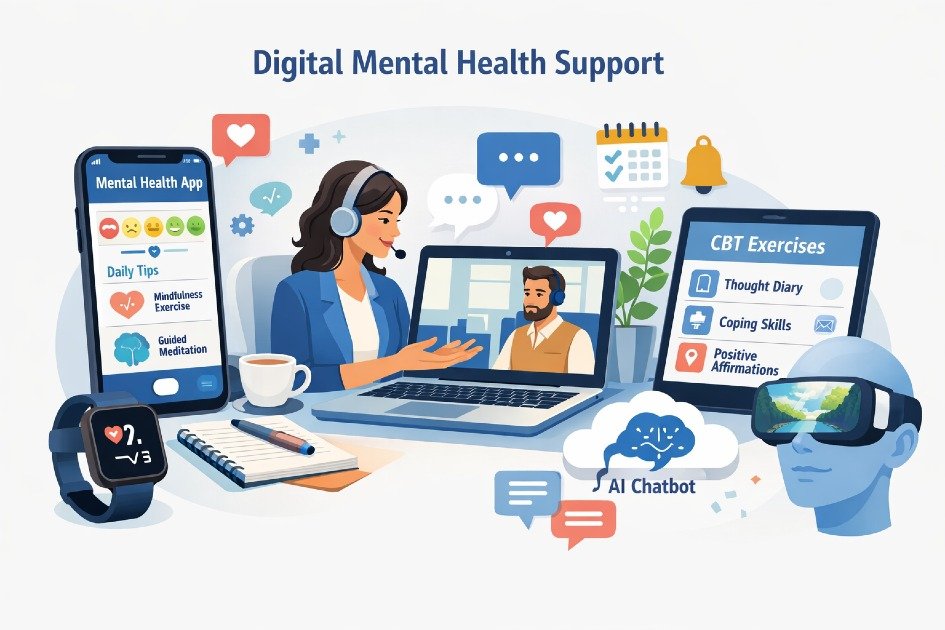
Technology and Mental Health Support
In a busy schedule, mental health struggles can go unnoticed, and old methods do not always help. Technology can support our well-being, but it takes care to spot tools that truly work instead of passing fads.
Can Apps Help You Manage Stress Better?
Some people try mental health habits like journaling, meditation, or deep breathing, but life often interrupts. When routines slip, stress and anxiety can grow instead of fade.
Apps for emotional wellness boost daily balance by tracking moods, guiding meditation, and offering practical exercises, keeping users consistent and supported even on busy days.
I use Online-Therapy.com to change how I care for my mind. Every morning, I do a 10-minute guided meditation and check how I feel. This helps me notice stress before it grows.
Can Talking Online Improve Your Mental Health?
Getting help in person can be hard because of busy days, long trips, or feeling shy, which can make mental health problems grow.
Virtual therapy makes care easier and more private. Sessions fit your schedule, and you can skip commuting. Some platforms also let you message a therapist quickly for support or check-ins.
I switched to Online-Therapy.com and loved how easy it was to use. I could book sessions when it fit my schedule and talk to a licensed therapist who really got my mental health. Being able to access support from home helped me stay consistent and manage stressful times without missing a session.
Can Virtual Friends Boost Your Mental Health?
Loneliness makes mental health struggles worse. When people feel alone or misunderstood, anxiety, depression, and stress grow stronger, trapping them in negative thoughts.
Online communities let people share experiences and support each other. Users learn from one another, build trust, and form small networks that boost well-being and keep connections strong.
Joining Online-Therapy.com made me feel connected in a way I had not in years. Reading other people’s stories and sharing my own helped me try new ways to manage stress. It reminded me that mental health is something we face together.
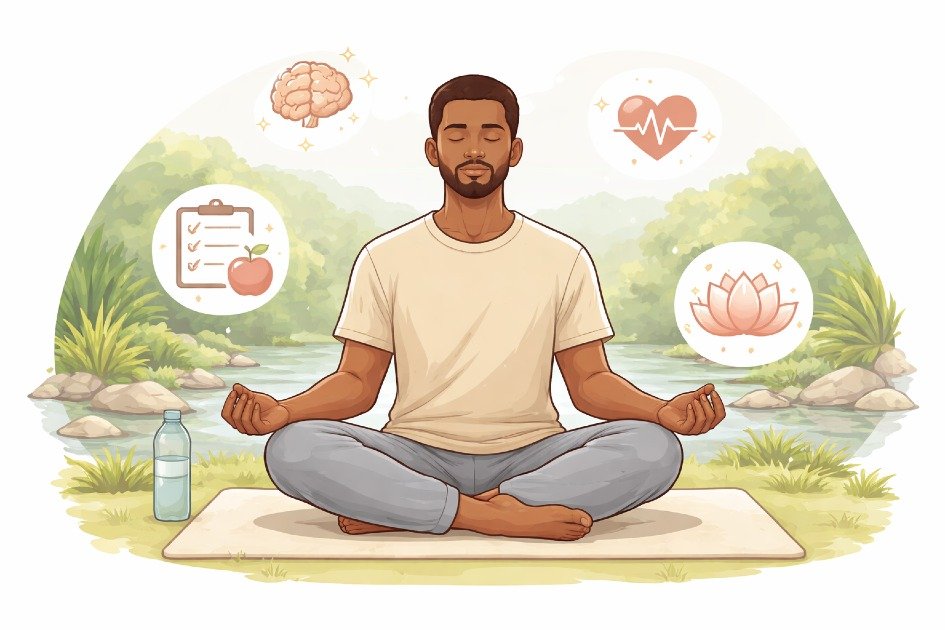
Maintaining Long-Term Mental Wellness
Caring for your mind takes daily habits, strength, and focus, like tending a garden, to keep calm and balanced through life’s ups and downs.
How can you stop falling back into old habits?
Mental health can rise and fall in the sense that some days you feel strong, and other days worry or stress returns. Setbacks happen, but they do not erase the progress you have made.
Keeping a steady routine with daily exercise, journaling, and regular sleep helps lift your mood and lower the chance of setbacks. You can spot triggers and change negative thoughts into positive actions by using CBT skills.
I start my mornings with mindfulness and short guided meditations. Over time, this routine calmed my stress and strengthened my focus, helping me stay steady even when life feels unpredictable.
Can gratitude and self-compassion boost recovery?
Constantly blaming yourself and ignoring small wins can hurt your mind, lower your confidence, and feed worry and sadness.
Practicing gratitude and self-kindness changes how you think. Writing three things you are thankful for and saying positive affirmations about your efforts builds strength against stress and self-doubt.
I began writing in a gratitude journal set every night, noting small wins and good moments. After a few weeks, I felt more positive and managed challenges better. Tracking my progress showed me that growing my mental strength comes from celebrating the good, not just avoiding the bad.
Can goals sharpen your focus?
When you drift without clear goals, your mind feels stuck. Repeating the same routines without purpose can raise stress and anxiety. Finding a balance between ambition and emotional strength keeps you calmer and focused.
Set SMART goals that match what matters most to you. Break them into small steps and enjoy each small win. This approach turns big dreams into doable actions, easing stress and keeping you focused.
I use a goal planner to map my mental wellness steps—like meditating each day, connecting with friends each week, and reflecting each month. Checking off these small wins boosts my mood and builds lasting resilience.
Recap: Rise Stronger Through Mental Health
Your mental health is a vital compass in navigating life’s challenges. Struggles with mental health are opportunities for personal growth and resilience.
According to Harvard Health, strengthening resilience enhances your ability to cope with life’s challenges and is associated with reduced stress and increased longevity.
Although isolating, remember you are not alone; many have overcome similar challenges. Prioritizing mental health involves creating a supportive environment within through mindful practices, physical activity, and therapy.
Recovery is non-linear, and every small progress builds resilience. Commit to thriving and protecting your mental health, as it is vital to your well-being and growth.
Frequently Asked Questions
How long does it take to see real improvement in Mental Health?
Improving mental health is a gradual process involving therapy, lifestyle changes, and mindfulness practices. While some individuals may experience subtle improvements within weeks, considerable progress necessitates patience, ongoing effort, and, occasionally, professional support.
Utilizing mental wellness journals or mindfulness platforms can further facilitate this journey by providing structured guidance.
Can lifestyle modifications replace professional therapy for Mental Health challenges?
While lifestyle modifications such as nutrition, exercise, and mindfulness are beneficial, they should not replace clinical therapy for moderate to severe mental health issues. These strategies complement professional care, enhancing mental health resilience.
How do I know if I am ready to seek help for my Mental Health?
Readiness is marked by a heightened self-awareness of emotional distress impacting daily functioning. If feelings of being overwhelmed or isolated persist, consulting a licensed professional is advised.
Online-therapy.com platforms can provide a helpful initial step for those reluctant to pursue in-person therapy.
What if I feel like I am not making progress with my Mental Health?
Plateaus in mental health recovery are common and do not signal failure; they indicate a need to modify approaches.
To stimulate progress, individuals can integrate techniques such as neurofeedback, creative expression, or guided meditation. Additionally, regular reflection on mental patterns can reveal hidden barriers to growth.
Are there quick strategies to calm sudden anxiety or panic?
Rapid interventions like diaphragmatic breathing and grounding exercises provide immediate relief, supported by pause, calming devices and mobile apps that offer guided sessions. Establishing these micro-habits aids in quick stabilization and enhances long-term mental health.
How can I support a loved one struggling with Mental Health?
Supporting individuals with mental health challenges involves empathy, active listening, non-judgmental reassurance, encouragement of professional help, and gentle companionship.
Can children and teens face the same Mental Health challenges as adults?
Young individuals may face anxiety, depression, and stress due to academic pressure and social dynamics. Early intervention through mindfulness programs or resilience kits is vital in helping them manage emotional challenges.
How do I maintain long-term Mental Health after recovery?
Sustaining mental health requires continuous care, utilizing reflective journaling, gratitude exercises, and digital detoxes.
Adaptogenic blends may enhance mental clarity, while community engagement fosters emotional stability and resilience.
Are medications necessary for Mental Health management?
Medications are vital for conditions such as major depressive disorder, severe anxiety, and bipolar disorder, particularly when used alongside therapy, lifestyle changes, and behavioral interventions. Consulting a licensed professional is crucial for their safe and effective use.
Can technology positively influence Mental Health?
Technology influences Mental Health in contrasting ways: excessive screen time may increase stress, while digital tools like meditation platforms, virtual therapy, and AI journaling offer personalized support and resources that can enhance well-being.