


Imagine waking up every day with a mind as sharp as a scalpel and a body that feels energized, aligned, and resilient. That is not just a dream, it is the transformative potential of mental fitness.
Regular physical activity enhances mental fitness by improving focus, memory, and overall clarity, according to Harvard Health Publishing.
It includes practices like mindful breathing, targeted nutrition, and cognitive challenges to enhance focus, memory, and manage stress. This lifelong practice benefits productivity, relationships, and stress management.
This article presents practical strategies and insights to help individuals adopt mental fitness as a lifestyle, enabling a clearer and more vibrant life.
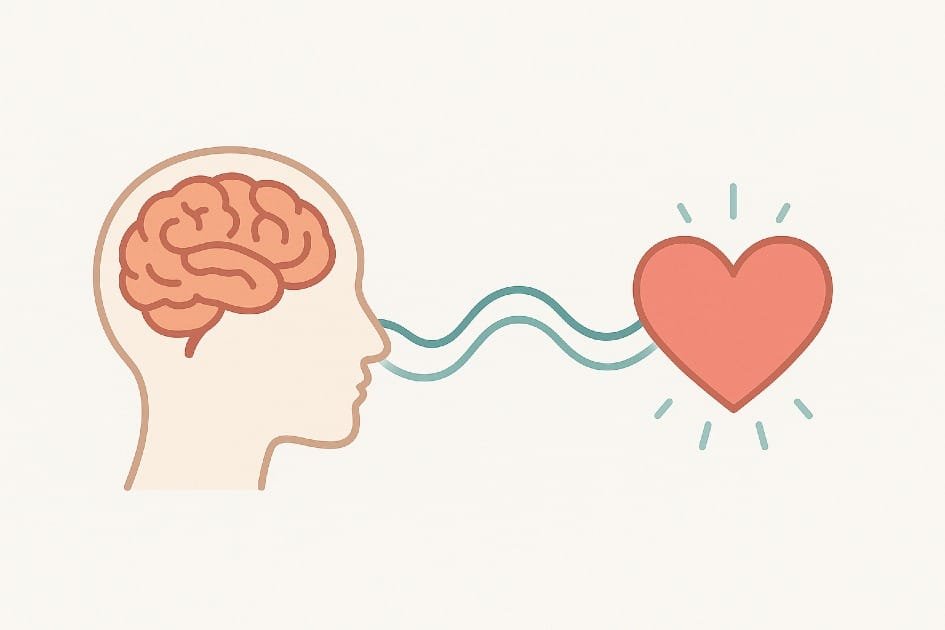
Brain and body in perfect synchrony
Mental fitness involves nurturing the connection between mind and body, leading to holistic well-being. By recognizing this link, individuals can take small but impactful actions to enhance both mental and physical health.
Mental fitness shapes your mind and life
Mental fitness has the capacity to manage thoughts, emotions, and behaviors to foster well-being, resilience, and optimal performance. Like physical exercise for muscles, mental exercise enhances brain function and emotional strength.
How to improve:
- Try a short daily mindfulness check-in or a quick journal entry to notice how you feel.
- Try simple brain challenges such as puzzles, strategy games, or learning a new skill.
- Make sleep a top priority because even one bad night can dull your focus and slow your thinking.
I notice my mind feels clearer and calmer when I give myself just 15 minutes a day to meditate or sit in quiet thought. I use simple guided meditations to help me stay consistent and build my mental fitness each day.
Brain signals that control your body
The brain continuously interacts with the body via a complex system of neurons, hormones, and chemicals. Disruptions, such as chronic anxiety, can lead to increased cortisol levels, which weaken immunity and elevate blood pressure.
How to improve:
- Move your body every day because exercise releases endorphins that lift your mood and make your whole body healthier.
- Practice deep breathing to calm your body and control stress.
- Maintain a balanced diet with omega-3s, antioxidants, and complex carbs to keep your brain sharp and energized.
A simple 10-minute walk outside lifted my mood and cut my afternoon tiredness. It showed me how even small daily movement can make my mind stronger and my day feel easier.
How your mind and feelings shape your health
Your thoughts and emotions can significantly impact your physical health. Positive emotions enhance immune function, whereas prolonged negative emotions may lead to inflammation and chronic illnesses.
How to improve:
- Adopt cognitive reframing by catching negative thoughts and replacing them with clearer, calmer ones.
- Try simple relaxation practices such as yoga or Tai Chi to help your body and mind work together in a calm, healthy way.
- Regularly practice gratitude or speak positive affirmations to lift your mood and reset your mindset.
I felt real changes in my body after two weeks of keeping a gratitude journal. My headaches were fewer, and I slept better.

Stress shapes mind and body health
Stress impacts both mental and physical health, making it crucial to understand its effects. By doing so, individuals can gain control and convert minor habits into significant, lasting improvements.
Stress wears down your body
Why it matters:
Chronic stress leads to extended cortisol release, adversely affecting sleep, memory, immunity, and fostering inflammation. This can, over time, result in heart disease, obesity, and anxiety disorders.
How to do it:
- Track your stress triggers by writing down moments that make you tense in a small journal.
- Move your body every day to calm stress and sharpen your mind.
- Prioritize restorative sleep by getting 7–9 hours of good rest each night.
Catch stress early and stay ahead
Why it matters:
Stress often develops gradually, presenting as irritability, headaches, fatigue, or digestive problems. Timely recognition is key to preventing its progression into chronic conditions.
How to do it:
- Notice tension in your shoulders, jaw, or head and respond to it.
- Take five minutes daily to check in with your mind and body by using guides from Mindful.org.
- Take a short break every 60 to 90 minutes to stretch or breathe deeply and reset your nervous system.
Natural ways to calm your stress daily
Why it matters:
Incorporating small, consistent habits enhances mental fitness, increases energy, and strengthens the immune system, with tiny adjustments leading to substantial long-term benefits.
How to do it:
- Try box breathing by inhaling for four, holding for four, exhaling for four, and holding for four to calm your mind and slow your heart rate.
- Spend 15–20 minutes outside every day. Sunlight and fresh air boost your mood and help your body’s natural sleep-wake cycle.
- Practice mindful journaling to track your feelings and wins.
- Take breaks from screens by checking social media and work emails only at set times to protect your focus and mental energy.
Stress management through nutrition
Why it matters:
Your diet directly affects stress, mood, and mental fitness; poor nutrition worsens anxiety and fatigue, while nutrient-rich foods enhance cognitive resilience.
How to do it:
- Include anti-inflammatory foods like leafy greens, fatty fish, berries, and nuts in your meals to support overall health.
- Drinking enough water because of being dehydrated can make you feel tired and cranky, just like stress does.
- Cut back on caffeine and sugar because they raise stress hormones and harm sleep.
- Try supplements like omega-3s, magnesium, and adaptogens to boost both your mind and body resilience.
Building emotional resilience to stress
Why it matters:
Strengthening emotional resilience improves mental fitness, enabling quicker recovery from challenges and better focus under pressure.
How to do it:
- Turn negative thoughts into helpful lessons by asking yourself what you can learn from the situation.
- Write down three things you appreciate each day to boost your mood and handle stress better.
- Stay in touch with friends or join groups. Talking about your worries can lower stress and make you feel stronger.
Mind and body in harmony
Why it matters:
Techniques such as yoga, tai chi, and meditation improve the connection between mind and body, promoting mental fitness and managing stress hormones.
How to do it:
- Try five to ten minutes of guided meditation or gentle stretching every day.
- Steady practice beats rare intense efforts every time.
I move with my breath in yoga, letting each motion calm my nervous system and steady my mind.
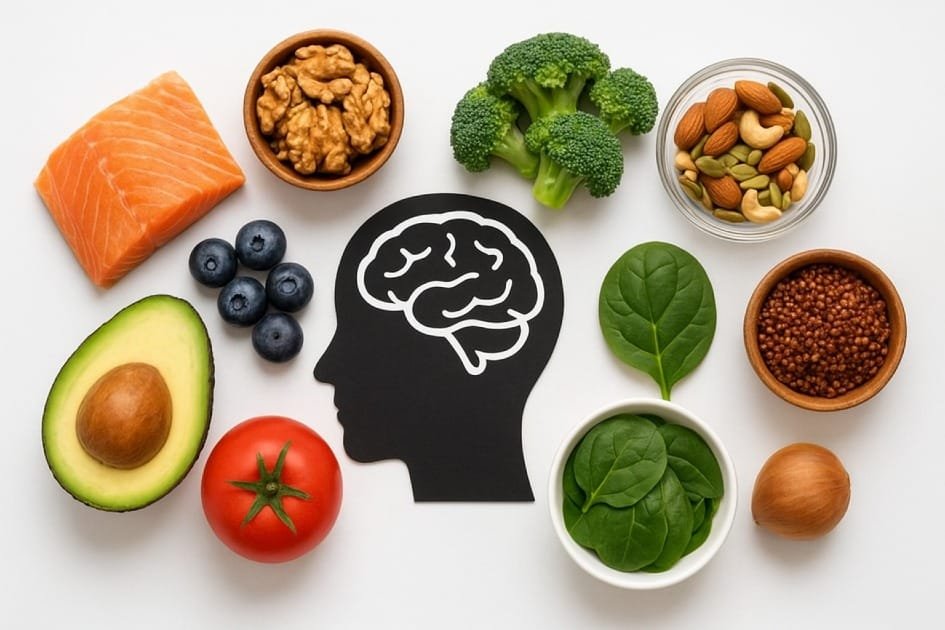
Nutrition for a sharp mind and healthy body
Proper nutrition significantly affects mental fitness, focus, memory, and emotional balance.
Foods that boost brain function and mood
Why it matters:
Your brain uses approximately 20% of the body’s energy despite not being able to store fuel. Nutrient deficiencies and poor dietary choices can negatively impact mental fitness, mood, and cognitive performance.
How to do it:
- Eat fatty fish such as salmon, mackerel, or sardines twice a week to boost DHA, which helps your memory and focus.
- Include different colorful fruits and vegetables in your meals every day. Blueberries, spinach, and kale provide antioxidants that help keep your brain cells healthy.
- Sprinkle walnuts, flaxseeds, or chia seeds into your meals or snacks to boost omega-3s and vitamin E, helping keep your brain sharp as you age.
- Pick whole grains such as quinoa, brown rice, or oats to keep blood sugar steady and fuel your brain for lasting energy.
The link between gut health and mental clarity
Why it matters:
Your gut microbiome produces neurotransmitters like serotonin that affect mood, focus, and stress response. An unhealthy gut can lead to brain fog, anxiety, and low energy, thereby impairing mental fitness.
How to do it:
- Try adding yogurt, kefir, kimchi, or sauerkraut to your meals to feed healthy gut bacteria.
- Eat prebiotic foods like garlic, onions, and bananas to boost healthy gut bacteria and sharpen your mind.
- Skip processed foods and too much sugar to keep your gut healthy and lower inflammation.
- Stay well-hydrated to help your body digest food and absorb nutrients. Try to drink six to eight glasses of water every day.
Brain and body thrive on hydration
Why it matters:
Even mild dehydration can negatively affect attention, memory, and mental fitness, as water plays a crucial role in neurotransmitter production, detoxification, and brain blood flow.
How to do it:
- Drink a glass of water first thing in the morning to kickstart your metabolism and hydrate your body before coffee or tea.
- Carry a water bottle with you to stay hydrated all day.
- Try adding lemon, cucumber, or berries to your water to boost flavor and antioxidants.
- Log your daily water intake in an app or journal to stay consistent and healthy.
Fuel your brain with smart meal choices
Why it matters:
Skipping meals or eating sugary snacks makes your energy rise and fall fast, hurting focus and thinking. Eating balanced meals keeps blood sugar steady and your brain sharp.
How to do it:
- Eat a mix of protein, complex carbs, and healthy fats at every meal like grilled chicken with quinoa and roasted vegetables.
- Choose snacks wisely like almonds, veggie sticks with hummus, or Greek yogurt to keep your energy steady.
- Prep your meals in advance to skip impulsive snacking and processed foods.
- Notice how different foods affect your energy and keep a simple log of what makes you feel alert or tired.
Brain-boosting anti-inflammatory foods
Why it matters:
Chronic inflammation adversely affects cognitive function and mood. Consuming foods high in anti-inflammatory compounds may help maintain brain health and enhance mental wellness over time.
How to do it:
- Cook with extra virgin olive oil, turmeric, and ginger to fight inflammation naturally.
- Cut out processed meats, fried foods, and trans fats that cause inflammation.
- Follow a Mediterranean-style diet rich in vegetables, whole grains, fish, and beans.
- Eat berries and drink green tea often because their polyphenols help protect brain cells.
Boost brain power with smart nutrition
Why it matters:
Maintaining consistency is essential for the effectiveness of healthy intentions, as practical nutrition leads to sustainable enhancements in mental fitness and overall health.
How to do it:
- Prepare meals once or twice a week so healthy, brain-boosting food is always in hand.
- Choose a fruit, nut, or probiotic snack instead of one sugary treat each day.
- Try eating a handful of nuts while you enjoy your morning coffee to build healthy habits.
I check in each week on how my energy, focus, and mood feel and use that to tweak my nutrition plan.

Boost mental power through movement
Your body and mind are connected. Physical activity is essential for mental fitness, as intentional movement increases oxygen, nutrients, and neurochemicals to enhance focus, elevate mood, and alleviate stress.
Exercise boosts brain power
Why it matters:
Exercise enhances brain blood flow, supplying essential oxygen and nutrients for neuron growth. It also boosts endorphin and dopamine release, which elevates mood and lowers anxiety, while fortifying memory, attention span, and problem-solving abilities, key components of mental fitness.
How to do it:
- Walk briskly for 15 to 20 minutes each day. Short walks boost blood flow and sharpen your mind.
- Do light resistance exercises with dumbbells or bands 2–3 times a week to boost BDNF and keep your brain cells healthy.
- Try interval training by switching between 1–2 minutes of intense activity and slower recovery to boost focus and mental flexibility.
Calm your body with yoga, tai chi, and Pilates
Why it matters:
Mind-body practices align movement with breath, fostering body awareness and decreasing mental clutter. These exercises enhance balance, coordination, and proprioception, thereby reinforcing the mind-body connection.
How to do it:
- Start your day with 10–15 minutes of yoga and practice poses such as Mountain, Tree, or Cat-Cow to energize your body and calm your mind.
- Try Tai Chi videos or classes to practice gentle moves that boost your focus and calm your mind.
- Strengthen your core with Pilates mats or home kits to boost posture and sharpen focus.
Choose a routine that fits you
Why it matters:
Regular movement fosters long-term cognitive resilience. Aligning exercise with one’s schedule helps reduce stress and enhances commitment to healthy habits.
How to do it:
- Pick activities you enjoy instead of ones you feel you must do. Dancing, cycling, and gardening all give your body effective movement.
- Treat exercise as a must-do task and set aside 30 minutes, 3 to 5 times a week.
- Combine aerobics, strength, and flexibility exercises to boost your body and brain.
Actions that boost your mind
Why it matters:
Incremental improvements lead to sustainable changes in body and mind. Starting with small, consistent actions helps beginners avoid burnout and encourages mental fitness through positive reinforcement.
How to do it:
- Walk for five minutes every hour at your desk to boost circulation and sharpen your mind.
- Take the stairs and park farther from entrances to move more every day without extra effort.
- Try wall sits or calf raises while you watch TV or listen to a podcast.
Boost brain power through movement
Why it matters:
Engaging the mind while moving significantly enhances neural pathways, surpassing the effectiveness of each activity performed separately. Activities that stimulate coordination, memory, or problem-solving bolster both mental agility and physical ability.
How to do it:
- Learn dance routines or choreographed exercises that challenge your memory and keep your body active.
- Play sports such as tennis or basketball to boost your strategy, speed, and stamina.
- Try brain-training apps while cycling or walking on a treadmill to boost both your mind and body.
Stay inspired by seeing your gains
Why it matters:
Measuring improvements in physical performance and mental clarity reinforces habits and maintains motivation, fostering long-term commitment to mental fitness.
How to do it:
- Track your daily movement by writing down how long you exercised, what type it was, and how it made you feel.
I track my heart rate, steps, and sleep every day using a fitness tracker to stay on top of my health.
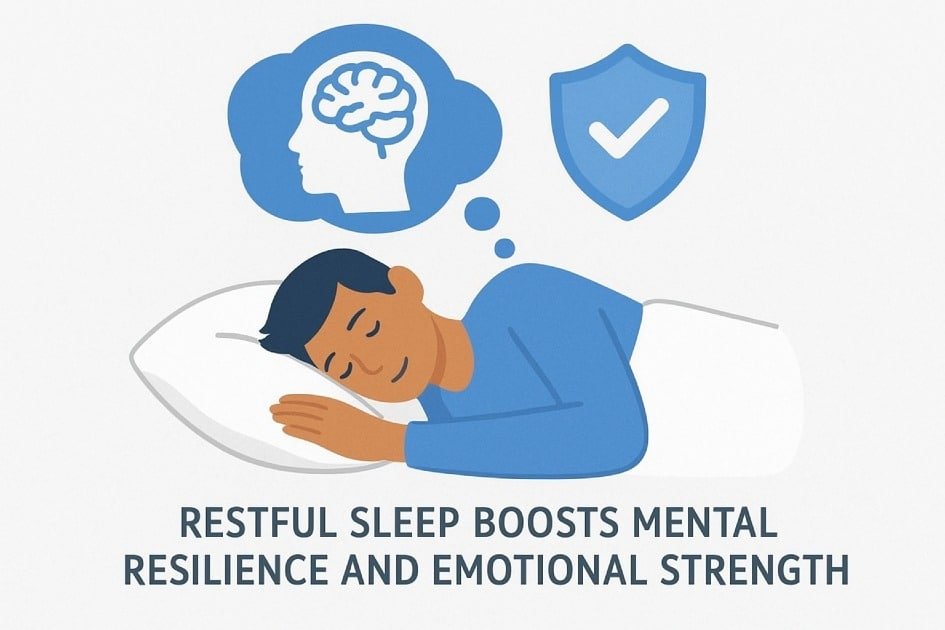
Restful sleep boosts strong, healthy minds
Sleep is essential for mental fitness, aiding in emotional processing, memory consolidation, and focus. It acts as a reset for the mind and body, enhancing mental resilience, sharper thinking, improved mood regulation, and overall mental agility.
Sleep boosts brain power and lifts mood
Why it matters:
Sleep deprivation negatively impacts neurotransmitters such as serotonin and dopamine, affecting mood and motivation. It elevates cortisol levels, compromising stress management and resilience.
How to do it:
- Go to bed and wake up at the same time every day to strengthen your body’s internal clock and improve deep REM sleep.
- Wind down before bed by dimming the lights, reading a calming book, or doing gentle stretches.
- Skip caffeine and heavy meals 3–4 hours before bedtime to help your body rest deeply and improve sleep quality.
Proven habits for better sleep
Why it matters:
Poor sleep hygiene leads to fragmented sleep cycles, resulting in grogginess and mental fatigue. Healthy habits bolster the mind-body connection, which is essential for mental fitness.
How to do it:
- Turn your bedroom into a calm sleep space by making it cooler, darker, and freer from noise. Use blackout curtains or a white noise machine to improve rest.
- Limit blue light by applying screen filters or turning devices to night mode an hour before sleep.
- Upgrade your sleep with cozy pillows and a supportive mattress to wake up refreshed and rested.
Recharge brain with short naps
Why it matters:
Short strategic naps can enhance alertness, memory, and emotional regulation. Power naps improve mental fitness by consolidating learning and restoring cognitive resources without disrupting nighttime sleep.
How to do it:
- Take short naps of 10 to 30 minutes to wake up refreshed and avoid grogginess.
- Take naps in the early afternoon to refresh your mind without ruining your sleep at night.
- Dim the lights, close your eyes, and breathe slowly to calm your mind.
Overcoming common sleep obstacles
Why it matters:
Stress, anxiety, and overstimulation hinder restorative sleep, creating a cycle of low energy and reduced mental fitness that complicates daily life.
How to do it:
- Write down your worries for 5–10 minutes each night to clear your mind and sleep better.
- Try deep breathing or meditation for five minutes to calm your mind and ease anxiety before sleep.
- Stop late-night stimulation by skipping intense shows, scrolling social media, or checking work emails before sleep.
Sleep as a daily mental fitness tool
Why it matters:
Sleep actively strengthens the brain, enhancing focus, memory, and resilience. Those who prioritize sleep experience higher productivity, improved emotional regulation, and greater mental fitness.
How to do it:
- Monitor your sleep with apps or wearable devices to spot disruptions.
- Move your bedtime earlier in small 15-minute steps each night.
- Pair good sleep with simple healthy habits such as daily movement, balanced meals, and calm breathing.
I use this mattress and sleep tracker to improve my sleep hygiene, and it helps me wake up feeling more rested and focused.

Mental clarity through daily mindfulness
Mindfulness and meditation are effective practices that enhance mental fitness, improve focus, and decrease stress, leading to a transformative impact on thoughts, feelings, and interactions.
Mindfulness boosts focus and calms your mind
Why it matters:
Mindfulness boosts mental fitness by fostering present-moment awareness, which helps mitigate rumination and anxiety. It lowers stress hormones, stabilizes mood, and improves the body’s response to challenges.
How to do it:
- Start with just 3–5 minutes each day and gently notice your thoughts without judging them.
- Focus on your breath. Breathe in for four seconds, hold it for four, and breathe out for four. Repeat to feel calmer and more in control.
- Engage your senses by paying close attention to what you see, hear, and feel around you.
- Use simple daily tasks to stay mindful and calm. Washing dishes, walking, or brushing your teeth can help you slow down, focus, and feel more present.
I use mindfulness apps that guide me through quick daily exercises, and they make it easy for me to stay calm and focused every day.
Meditation techniques to enhance mental fitness
Why it matters:
Meditation teaches your brain to stay calm, think clearly, and stay strong. When you practice often, you manage problems with patience instead of reacting too fast.
How to do it:
- Sit in silence by finding a calm spot, closing your eyes, and paying attention to each breath.
- Body scan meditation helps you ease stress by paying attention to each part of your body.
- Mantra repetition means picking a simple, calming word and saying it silently in your mind.
- Consistency matters more than how long you exercise.
I notice my mornings feel calmer, and I make better choices when I practice this regularly.
Mind and body move together
Why it matters:
Mindfulness coupled with physical movement enhances cognitive function and stress management, leading to improved mental fitness and bodily awareness.
How to do it:
- Stay with your breath and hold each yoga pose with good posture to keep your mind calm and present.
- Tai Chi and Qigong improve balance and sharpen focus through slow, mindful movements.
- Walk slowly, notice each step, and focus on your breath to calm your mind and refresh your body.
- Take a break every hour to breathe deeply and stretch your body.
I try yoga and tai chi programs made for beginners to guide my daily routines and boost my balance and energy.
Mindfulness for stress reduction
Why it matters:
Chronic stress negatively impacts mental fitness by leading to fatigue, poor concentration, and emotional instability. Mindfulness provides effective methods to break stress cycles and restore control.
How to do it:
- Notice five things you see, feel four things you can touch, listen to three sounds around you, recognize two scents, and focus on one taste to stay grounded in the present.
- Use mindful journaling to turn stressful thoughts into positive insights.
- Breathe deeply three times and stay calm before you respond to tough situations.
- Tense your muscles one by one and then relax them to melt away stress.
Mindfulness in everyday moments
Why it matters:
Practice mindfulness every day to boost your mental fitness. Regular habits sharpen focus, build resilience, and strengthen emotional intelligence.
How to do it:
- Begin your day with a clear, mindful intention to guide your actions and focus your energy.
- Chew each bite carefully, enjoy the flavors, and feel the textures as you eat.
- Pause each night to notice your thoughts and give thanks for the day.
- Practice digital mindfulness by cutting screen time and taking short, mindful breaks from your devices.
I use a mindfulness planner to track my daily mindfulness routines and stay focused.
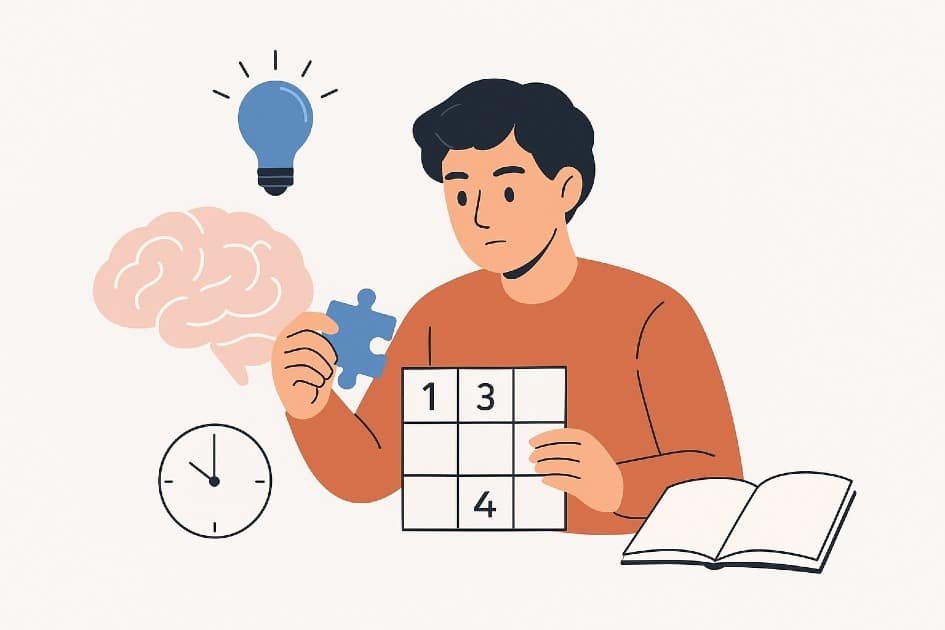
Sharpen your mind with brain workouts
Your brain requires regular training, just like your body, to thrive. Cognitive exercises enhance memory, focus, problem-solving skills, and mental agility. Consistent brain workouts sharpen the mind and improve resilience against age-related cognitive decline.
Clever minds play smart games
Why it matters:
Games that challenge the mind enhance neuroplasticity, promoting the formation of new neural connections, which in turn improves memory, decision-making, and focus.
How to do it:
- Challenge your brain daily with crosswords, Sudoku, or logic games to boost memory and focus.
- Play strategy board or card games to sharpen your problem-solving skills.
- Try digital brain-training apps such as Lumosity or Peak to improve and track your mental skills.
- Try learning a new game or rule each week to keep your brain sharp and flexible.
Boost brain power by mastering new skills
Why it matters:
Acquiring new skills enhances synaptic growth and cognitive reserve, safeguarding the brain against mental fatigue and age-related decline.
How to do it:
- Try learning a new language or playing a musical instrument. Just 15 minutes a day can boost your brain power.
- Boost your skills by joining online courses or workshops. Platforms like Coursera and edX help you learn new things fast.
- Practice juggling or dancing moves to boost both your coordination and focus on the same time.
Boost your memory power
Why it matters:
Strong memory improves productivity, problem-solving, and self-confidence while aiding clarity and focus in personal and professional contexts.
How to do it:
- Remember complex information easily by creating acronyms or rhymes.
- Break information into small, easy-to-handle pieces to learn faster and remember more.
- Write in a daily journal to remember events and discover lessons.
- Evaluate your memory by remembering a string of numbers or the items around a room.
Sharpen focus with mindful practice
Why it matters:
Staying focused is key for a strong mind. Paying attention carefully sharpens concentration and keeps your brain from getting overloaded.
How to do it:
- Spend 5 to 10 minutes each day practicing mindful breathing to focus your mind and calm your body.
- Focus on one task at a time while eating or walking to strengthen your attention.
- Try apps such as Headspace or Calm to guide your focus exercises.
- Focus on concentration exercises a little longer each day to strengthen your mental stamina.
Boost brain speed with smart drills
Why it matters:
Problem-solving exercises enhance agility and creativity in tackling challenges, with skills applicable to work, relationships, and personal projects.
How to do it:
- Challenge your mind with daily logic puzzles, riddles, and brain teasers.
- Solve real-life problems by tackling them in small, manageable steps to build clear, logical thinking.
- Try imagining different “what-if” situations to strengthen your thinking and make smarter choices.
- Collaborate with friends or groups to see different ideas and solve problems better.
Adapt your mind to new challenges
Why it matters:
Cognitive flexibility enables task switching and adaptation to new situations, promoting creativity and mental resilience.
How to do it:
- Switch tasks with purpose and stay focused.
- Try improvising games or acting out scenarios to boost your adaptability.
- Walk and solve simple math problems at the same time to boost both your body and brain.
- Learn from mistakes to grow and stay flexible.
Train your mind with mental mapping
Why it matters:
Visualization enhances memory, planning, and goal attainment by activating both brain hemispheres.
How to do it:
- Picture yourself doing a task before you start it, like seeing each step of cooking a meal in your mind.
- Visualize your performance in your mind before presenting or playing sports.
- Picture your goals clearly while taking deep breaths to sharpen your focus and calm your mind.
- Regularly write in a vision journal to track your goals and see your progress clearly.
Feed your mind with daily reading
Why it matters:
Reading stimulates the brain and enhances vocabulary, comprehension, and critical thinking, which are essential for mental fitness.
How to do it:
- Read for 15 to 30 minutes every day from fiction, non-fiction, or science to grow your knowledge and sharpen your focus.
- Explore various kinds of books to discover fresh perspectives on the world.
- Put what you read into your own words to remember it better.
- Talk about books with friends or online groups to sharpen your thinking skills.
Boost brain and body together
Why it matters:
Physical activity enhances brain blood flow, boosting memory, focus, and neuroplasticity. It is most effective when combined with cognitive exercises for optimal mental fitness.
How to do it:
- Try brisk walking while learning a new skill or language through a podcast.
- Try coordination exercises such as juggling to sharpen both your body and mind.
- Do yoga or tai chi to strengthen the connection between your mind and body.
Progress made simple and steady
Why it matters:
Regular practice boosts the brain and makes thinking exercises a daily habit. Watching your progress keeps you motivated and shows real improvements.
How to do it:
- Track your brain exercises every day or week to see your progress and stay sharp.
- Try apps such as CogniFit to watch your brain skills get stronger over time.
I switch up my exercises regularly to keep my body and mind challenged and growing.
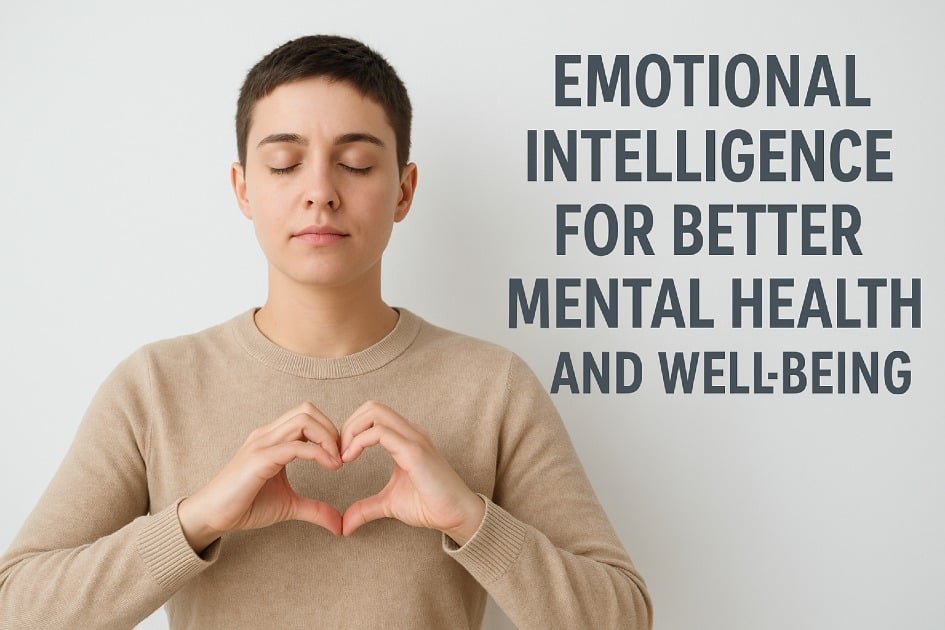
Sharpen your mind with emotional skills
Emotional intelligence (EI) is essential for enhancing relationships, managing stress, and maintaining mental fitness. It significantly impacts on emotional well-being and mental health, leading to positive changes in personal and professional life.
Recognizing and managing emotions effectively
Why it matters:
Your emotions are significant indicators. Overlooking them can result in stress, anxiety, or burnout. Being emotionally aware is essential for mental fitness as it allows for thoughtful responses instead of impulsive reactions.
How to do it:
- Spend five minutes each day writing about your feelings. Track what caused them and how you reacted.
- Notice your emotions and name them, whether you feel frustrated, anxious, or joyful.
- Take a moment to breathe deeply or count to five before you respond in a conflict.
I use mood tracking apps to see how my feelings change day by day and spot patterns I might miss.
Deepen bonds with emotional awareness
Why it matters:
Relationships flourish through understanding and respect for emotions, fostering social harmony, reducing stress, and enhancing mental and physical health.
How to do it:
- Give your full attention to the speaker and listen carefully without interrupting or thinking about your reply.
- Step into someone else’s shoes and imagine how they feel. Consider their thoughts and emotions to understand them better.
- Ask friends or colleagues often how your actions affect them and use their input to improve.
Developing self-compassion
Why it matters:
Self-criticism negatively affects mental fitness by creating harmful thought patterns and diminishing confidence, while self-compassion fosters resilience and emotional well-being.
How to do it:
- Positive affirmations shift your focus from “I failed” to “I’m learning and growing,”
- See your mistakes with a calm and kind attitude. Instead of being hard on yourself, speak to yourself the way a trusted friend would.
- Practice simple self-care habits each day by taking a short walk, doing a quick meditation, or reading a few pages to support your emotional well-being.
I use guided meditation programs to build more self-compassion and ease my anxiety. It teaches me to slow down, breathe with purpose, and let go of the stress I carry.
Handling conflict without emotional drain
Why it matters:
Conflict is unavoidable, but inadequate emotional regulation increases stress and impairs mental fitness. Effective conflict management is essential for safeguarding relationships and mental health.
How to do it:
- Separate emotion from the issue by looking at the problem, not the person. Stay calm, think clearly, and tackle what needs fixing.
- Use “I” statements to share your feelings clearly and calmly. For example, you can say, “I feel stressed when deadlines change suddenly.”
- Seek win-win solutions by choosing teamwork over control. When you look for a fair middle ground, everyone feels respected and problems get solved faster.
Enhancing emotional resilience
Why it matters:
Emotional resilience is key to maintaining mental fitness, allowing individuals to recover swiftly from setbacks, stay focused, and effectively manage stress in the face of life’s unpredictability.
How to do it:
- See challenges as chances to grow, not dangers to fear. When you face a tough moment, stay calm, look for the lesson, and use it to become stronger.
- Strengthen your support network by building real friendships and connecting with mentors who lift you up.
- Regular exercise, good sleep, and simple breathing routines help your body stay calm and strong, making it easier to manage stress and emotions with confidence.
Build emotional intelligence every day
Why it matters:
Applying emotional intelligence principles daily is crucial for strengthening emotional resilience and enhancing mental fitness.
How to do it:
- Morning check-ins help you start your day with purpose. Spend just two minutes each morning to notice how you feel and choose the kind of attitude you want to carry.
- Take small moments to check in with yourself and notice what emotions show up. These quick pauses help you understand your feelings and respond in a healthier way.
I use daily journaling kits to track my emotional growth and stay mindful. When I write even a few lines a day, I notice my thoughts becoming clearer and my stress getting lighter.
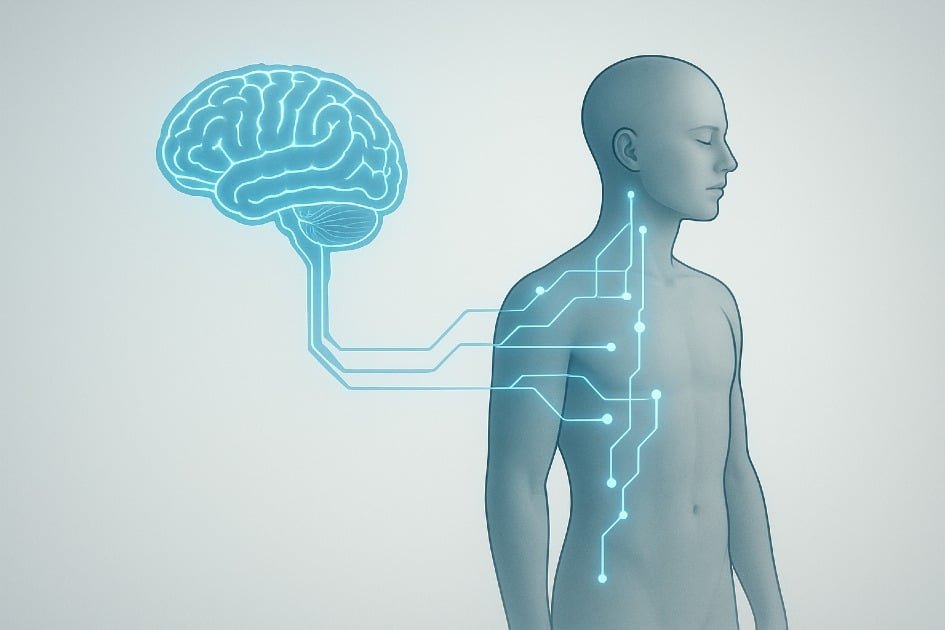
Digital tools strengthen mind and body
Despite negative perceptions of screens and devices, technology is essential to our lives. They enhance mental fitness if used intentionally to support cognitive and physical well-being.
Impact of screens on mind and body
Why it matters:
Excessive screen time negatively impacts sleep, increases stress hormones, and diminishes focus. The brain, seeking variety, can become mentally fatigued due to overstimulation from digital devices.
How to do it:
- Set clear boundaries by keeping your fun screen time in short, planned parts of the day.
- Try blue light filters to shield your eyes and sleep better by cutting harmful evening light.
- Step away from screens and move around every hour to refresh your mind and body.
- Try mindful scrolling and check if what you read helps your mind grow.
Using tech wisely to enhance mental fitness
Why it matters:
Technology can enhance growth when used intentionally, with apps, online courses, and digital reminders fostering cognitive skills, emotional regulation, and mental fitness.
How to do it:
- Try brain-training apps to boost memory, focus, and problem-solving skills.
- Apps that track your sleep, water intake, and workouts help you stick to healthy daily routines.
- Guided meditation platforms such as Mindful.org offer structured exercises that boost focus and strengthen emotional resilience.
- Use digital journaling to capture your thoughts and reflections daily, boosting self-awareness and mental clarity.
Cognitive boost tools
Why it matters:
Wearables and smart devices serve as real-time feedback mechanisms, offering data that reveals patterns influencing mental fitness for both mind and body.
How to do it:
- Track your heart rate, steps, and sleep with smart watches and fitness trackers to understand how exercise boosts your energy and focus.
- Wearable devices or apps that alert you when you slouch reduce tension headaches and body strain, helping your mind stay clear and focused.
- Apps that block distracting websites help you stay focused and improve attention during work.
- Track your habits by synchronizing apps to easily see how your activity, sleep, and mood affect each other.
Stay connected while cutting screen time
Why it matters:
Taking breaks from screens may seem small, but stepping away from technology boosts your mind. Short digital detoxes reduce overload, sharpen focus, and strengthen real-life social connections.
How to do it:
- Set aside mornings or evenings for activities without devices.
- Keep bedrooms and dining areas free of phones to improve sleep and boost family time.
- Stop non-essential notifications to take back control of your focus and attention.
- Rediscover offline hobbies such as reading, journaling, or walking to boost your mind and body.
Balancing social media and mental health
Why it matters:
Social media can lead to stress, comparison, and anxiety, which negatively affect mental fitness, influenced more by user interaction than the technology itself.
How to do it:
- Follow accounts that boost your growth, spread positivity, and help you learn.
- Limit your screen time by using apps or phone settings to track and control how long you scroll each day.
- Interact with purpose by commenting, sharing, and engaging instead of just scrolling.
- End your day by quickly reviewing how social media affected your mood to help you make smarter choices tomorrow.
Tech meets mind-body wellness
Why this matters:
Technology should enhance rather than substitute hands-on mind-body practices, as the integration of digital tools with offline strategies effectively boosts mental fitness.
How to do it:
- Try guided yoga apps at home and focus on keeping your posture and breathing correct.
- Use a meditation timer and practice in a quiet, tech-free space to boost your focus and calm.
- Connect with online groups that focus on mental fitness challenges and practice what you learn offline.
I track my progress by noting how my focus, stress resilience, and physical coordination improve over time to stay motivated and see actual results.
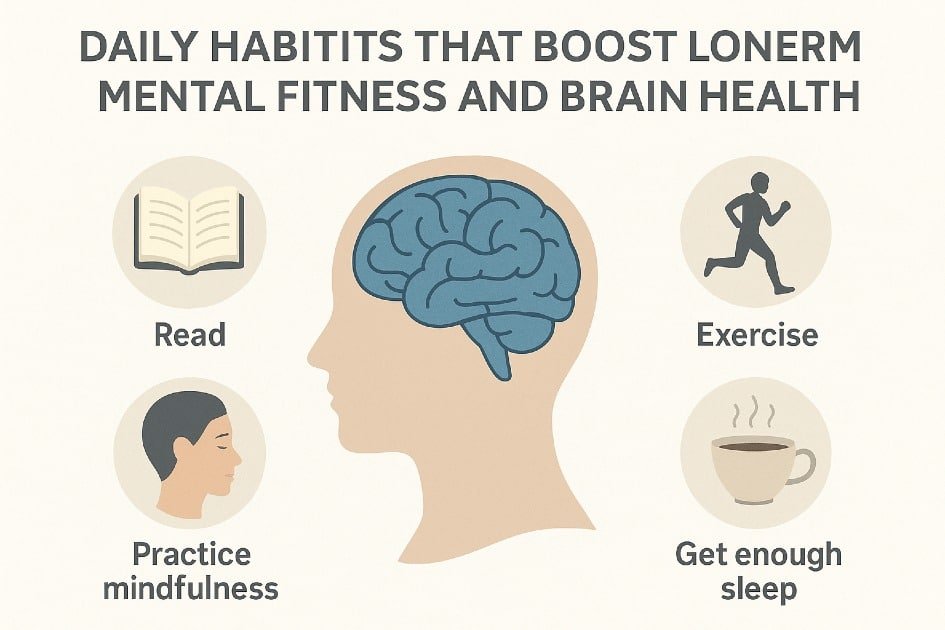
Habits for long-term mental fitness
Maintaining mental fitness requires cultivating consistent, sustainable habits that strengthen the mind and support the body, rather than merely relying on short bursts of focus or sporadic meditation sessions.
Prioritize consistent sleep
Why it matters:
Sleep builds strong minds. While you rest, your brain stores memories, removes waste, and balances emotions. Skipping sleep raises stress, slows thinking, and weakens mental strength.
How to do it:
- Go to bed and wake up at the same time every day, even on weekends, to keep your body and mind balance.
- Wind down before bed by dimming lights, reading a book, or practicing slow, gentle breaths.
- Stop caffeine and screen use an hour before sleep to help your body relax and rest deeply.
- Try sleep aids or gadgets that track your sleep to boost its quality.
Engage in regular physical activity
Why it matters:
Exercise strengthens more than muscles. It boosts blood flow to the brain, lifts mood, and eases anxiety. Activities like yoga and tai chi improve focus and help you manage emotions.
How to do it:
- Get moving for 20 to 30 minutes every day and boost your health even with a quick brisk walk.
- Practice yoga, Pilates, or Tai Chi to boost both your body strength and mental focus.
- Track your workouts with fitness apps and keep your motivation high.
- Combine aerobic and strength exercises to boost both your mind and body.
Practice daily mindfulness
Why it matters:
Mindfulness helps you stay focused, calm, and steady under stress. When you train your mind to notice your thoughts, you stop overthinking, ease anxiety, and avoid quick reactions.
How to do it:
- Start with 5–10 minutes of simple meditation or slow, focused breathing.
- Pay attention to what you feel and think and let it be without judging yourself.
- Practice mindfulness in simple moments like eating, walking, or showering to calm your mind and stay present.
- Try easy tools like meditation apps or simple online classes that guide you step-by-step and help you build a steady practice.
Stimulate your brain continuously
Why it matters:
Cognitive challenges keep your brain sharp by building new pathways, boosting memory, and slowing age-related decline. When you stop learning, your mind loses its strength over time.
How to do it:
- Solve puzzles, crosswords, or strategy games often to keep your mind sharp.
- Learning a new skill, language, or musical instrument to push boundaries becomes simple when you treat it like a daily challenge.
- Read books or articles you do not normally choose to open your mind and learn new things.
- Try simple brain-training apps or learning programs that guide your practice and help you grow smarter every day.
Build strong social connections
Why it matters:
Humans naturally need each other. Strong relationships lower stress, build emotional strength, and help us live longer. When we pull away and stay alone for too long, our minds grow weaker, and our risk of cognitive decline rises.
How to do it:
- Schedule a weekly call or meet-up with friends and family to stay close and supported.
- Join local hobby clubs, help at volunteer events, or show up for community activities to meet new people and feel more connected.
- Engage in deep conversations instead of quick, shallow chats.
- Use online platforms to meet people who share your interests and stay safe while you connect.
Eat for mental clarity
Why it matters:
Good nutrition powers your brain. Antioxidants, omega-3s, and vitamins boost memory, focus, and mood. Eating poorly brings inflammation, tiredness, and brain fog.
How to do it:
- Eat fatty fish, leafy greens, berries, nuts, and whole grains every day to boost your health and energy.
- Drink plenty of water since your brain is mostly water and even a little dehydration can slow your thinking.
- Skip processed foods, added sugar, and white carbs to keep your body strong and energy steady.
- Try taking omega-3 supplements to boost your brain health.
Manage stress proactively
Why it matters:
Chronic stress harms your brain. It shrinks areas that control memory, makes emotions unstable, and lowers mental sharpness. Managing stress keeps your mind clear and strong.
How to do it:
- Notice what stresses you and write it down daily to see patterns.
- Try deep breathing, relax your muscles step by step, or join programs that reduce stress.
- Take short breaks throughout the day to refresh your mind and stay focused.
- Try stress management apps to track your progress and guide your practice.
Cultivate emotional awareness
Why it matters:
Emotional intelligence boosts mental strength by helping you make better choices, understand others, and control your feelings. Ignoring emotions drains your mind and reduces focus.
How to do it:
- Check in with your feelings every day and notice how you respond to situations.
- Try saying how you feel, like I feel anxious or I feel excited.
- Talk openly with friends or coaches you trust.
Establish a growth mindset
Why it matters:
Believing you can grow strengthens your grit, keeps you trying, and helps you adapt. Thinking you cannot change makes you stuck and frustrated.
How to do it:
- Turn “I can’t” into “I can learn” and watch your confidence grow.
- Aim for small, steady goals and watch yourself improve over time.
Track your progress and reflect
Why it matters:
Tracking your progress boosts mental fitness. Looking back helps you learn, spot where to improve, and stay motivated to keep going.
How to do it:
- Keep a journal or digital tracker to record your daily habits, moods, and wins.
- Check your mental fitness routine each week to spot progress and challenges.
I track my results and change my approach when needed so I can stick with it for the long run.
Recap: Embrace the Mind-Body Journey
Imagine achieving a state of mental fitness where mental clarity, emotional resilience, and physical vitality are balanced.
According to Harvard Health, emphasizing the interplay between thoughts and physical movements, nurturing both can trigger the body’s relaxation response, promoting healing and vitality.
Mental fitness is a journey emphasizing consistency and progression rather than perfection. Incorporating habits such as meditation, walking, and healthy nutrition enhances this synergy.
Engaging with supportive communities can also accelerate growth. Small steps lead to significant improvements in energy, focus, and overall quality of life.
Embrace your journey to mental fitness as a lifestyle and celebrate every step towards nurturing your mind and body.
Frequently Asked Questions
Can mental fitness practices prevent cognitive decline?
Regular mental fitness routines, including mindfulness exercises and brain games, enhance cognitive vitality. The integration of physical activity with mental challenges improves synaptic connectivity, thereby reducing memory lapses and age-related decline.
How long does it take to notice improvements in mental fitness?
The timeline for noticing changes in mental fitness varies; subtle changes in mood, focus, and stress resilience are typically observed within 3–6 weeks of daily practices, while significant improvements in memory and cognitive endurance usually require a 3–6-month commitment.
Are there specific exercises that benefit both mind and body?
Activities emphasizing coordination, balance, and mindfulness, such as yoga, tai chi, and Pilates, stimulate the prefrontal cortex, enhance physical flexibility and endurance, refine mental fitness, regulate stress hormones, improve circulation, and boost overall vitality.
Can diet alone improve mental clarity and focus?
Pairing dietary choices with cognitive exercises increases effectiveness. Diets high in omega-3 fatty acids, antioxidants, and adaptogenic herbs enhance neural pathways, balance neurotransmitters, and lower oxidative stress.
How does mindfulness help reduce physical symptoms of stress?
Mindfulness enhances parasympathetic activation, aiding in relaxation by lowering cortisol levels, reducing muscle tension, and improving heart rate variability.
Regular practice may alleviate headaches, insomnia, and digestive issues related to chronic stress, while Mindful.org provides structured mindfulness sessions to support mental fitness.
Is technology always harmful to mental health?
Excessive screen time can negatively affect sleep, stress levels, and attention. However, intentional use of digital tools like brain-training apps and meditation platforms can enhance mental fitness.
For example, the muse brain sensing headband utilizes EEG biofeedback and meditation to improve mental acuity.
Can children and teens benefit from mind-body exercise?
Absolutely, early integration of mental fitness practices such as yoga, breathing exercises, and cognitive games enhance emotional regulation, executive function, and academic performance, contributing to long-term resilience.
What is the easiest way to start strengthening the mind-body connection?
Engage in small daily practices such as mindful breathing or brisk walking for 10–15 minutes, then gradually incorporate structured exercises that blend physical and mental activities.
Combining journaling with light movement or meditation serves as an effective introduction to sustained mental fitness.
Can mental fitness improve emotional intelligence?
Yes, mental fitness exercises enhance self-awareness, attention control, and empathy.
Techniques like reflection, guided meditation, and social engagement strategies aid in emotional recognition and regulation, leading to improved relationships and workplace success.
Are there long-term benefits to maintaining mental fitness daily?
Yes, long-term dedication to mental fitness enhances cognitive endurance, emotional stability, and physical health, resulting in improved memory, stress management, and adaptability.
Integrating mental fitness into daily routines fosters a stronger mind-body connection, contributing to longevity and life satisfaction.