

Have you ever wondered why some people move through life with a steady calmness as if they carry an invisible reservoir of strength that keeps them grounded no matter what unfolds?
Meditation helps settle the nervous system, clarify thoughts, and strengthen emotional stamina through techniques like mindful breathing, sensory grounding, and guided visualization.
According to Harvard Health, meditation serves as a mental refuge, promoting relaxation, reducing stress and blood pressure, and increasing self-awareness with just a few minutes of daily practice.
Integrating micro-practices, such as one-minute resets, enhances internal dialogue and focus. Utilizing Mindful.org can simplify the meditation process, leading to greater clarity, stability, and a deeper sense of inner authority.
This guide emphasizes how meditation fosters resilience by training the mind to respond rather than react.
What inner power really means today
Inner power is a calm strength that promotes clear decision-making and self-trust during chaos. Meditation enhances this by training the mind to respond thoughtfully, improving emotional control, resilience, and overall clarity in life, including work and relationships.
Why inner power seems hard to keep today
In today’s busy world, things like a rude message or a rushed day can drain your energy fast. They can shake your focus, stir your emotions, and leave your body tense.
Inner power is not about acting strong. It is about staying calm when life feels shaky. Meditation helps you build that calm from within, one steady breath at a time.
I used to think inner strength meant forcing myself to push harder. But meditation showed me something different. Real strength is my ability to come back to myself when life gets loud.
Inner power as emotional anchoring
Simple disagreements drain you, and the stress sticks to you longer than it should. When this happens often, it is a sign your inner world needs support and calm.
Emotional anchoring helps you steady yourself before you react. It creates a small pause between what happens around you and how your mind reads it, giving you more control.
When stress hits me fast, I place my hand on my chest and take one slow breath. That gentle touch helps my body relax and keeps my emotions steady, so I feel in control again.
Inner power as mental clarity
The fog in your head slows your focus and drains your energy. When you clear that clutter, you think better, feel lighter, and move through your day with more ease.
Clarity grows when you give your mind a little space. A simple 3-minute breathing practice each morning helps quiet the noise in your head, so your thoughts feel easier to use.
I meditate daily to calm my mind and address one thing at a time. I make choices faster, think of latest ideas, and feel less tired from constant decisions.
Inner power as physical calm
Your body stays tight even when the day seems fine. You feel stress in your shoulders, your jaw, and even your stomach. These signs show your body is asking for calm and care.
Meditation strengthens the mind–body connection by calming your nerves, relaxing tight muscles, steadying your heartbeat, and helping your digestion work better.
I used to wake up tense with my jaw tight and my breath short. When I started meditating before bed, the stress began to fade. Using an ergonomic support pillow also helps me sit with better posture so my body can relax more during meditation.
Inner power as self-trust
You doubt your choices and seek approval before acting. You ignore your inner voice and feel out of touch with your instincts.
Meditation helps you connect with your inner guidance. Sitting quietly lets your own wisdom speak clearly. Your inner power grows when you trust your instincts over others’ opinions.
Meditation helped me trust myself, see my habits and choices clearly, and make decisions that feel right instead of risky.
Inner power as quiet resilience
Life can hit hard and recovery is not always fast. Even small setbacks can shake your balance, but each challenge is a chance to grow stronger and wiser.
Meditation boosts your emotional strength even when you are bent under pressure, you will bounce back and remain calm while in chaos. Begin with a resilient meditation, breathing in slowly and letting your exhale last longer.
Meditation has helped me manage stress faster and build a stronger inner foundation. It does not remove problems, but it makes me more resilient. Using a calming essential oil diffuser boosts this practice by keeping my mind relaxed and peaceful.
Mindset shifts that help you meditate better
Meditation becomes easier when you change how you think about it. Even with a busy mind or noisy surroundings, you do not need to be perfect. Focus on staying present in your body and calming your mind.
Let go of the pressure to do it right
Why it matters:
Meditation feels tense when we chase total silence. Letting go of expectations and accepting distractions helps us stay calm. Practicing regularly matters more than doing it perfectly.
How to do it:
- Pay attention to the sounds around you
- Watch your thoughts drift by like clouds without chasing or pushing them.
- Tell yourself thinking is natural.
- Stay open to short breaks
- Notice the dog barking, the phone buzzing, or a memory surfacing without blaming yourself. Stay present and let each moment pass naturally.
- Focus softly on your breath and bring your attention back whenever it drifts.
- Begin with small daily moments
- Start with 2 to 3 minutes and use a timer to stay focused.
- Small successes stack up and grow your confidence.
- Relying on helpful tools
- Use guided meditation to ease your mind and lift mental stress.
I stopped forcing my mind to be empty and started seeing meditation as a calm place to rest. It felt more human and easier to do.
Focus on progress, not perfection
Why it matters:
Meditation strengthens your inner world through regular practice, just like learning any skill. Treating it as a journey helps you stay consistent, build emotional strength, and notice small gains like better sleep, clearer choices, and less stress.
How to do it:
- Notice daily progress
- Notice when your breaths feel deeper or when stress fades faster.
- Journaling helps you notice how far you have come.
- Embrace “good enough” practice
- Messy meditation still matters. When your mind wanders or your body fidgets, you are still training awareness.
- The brain learns calmness by making simple habits repeatedly.
- Honor your daily wins
- Mark your calendar with a simple check after each practice.
- Seeing your progress keeps you moving forward.
- Create a space that supports your success
- Set up a calm meditation corner with a comfortable cushion, gentle light, or headphones.
I learned that meditation works anywhere. Noticing small wins, like pausing before reacting or feeling calmer, makes it easier and slowly builds my inner strength.
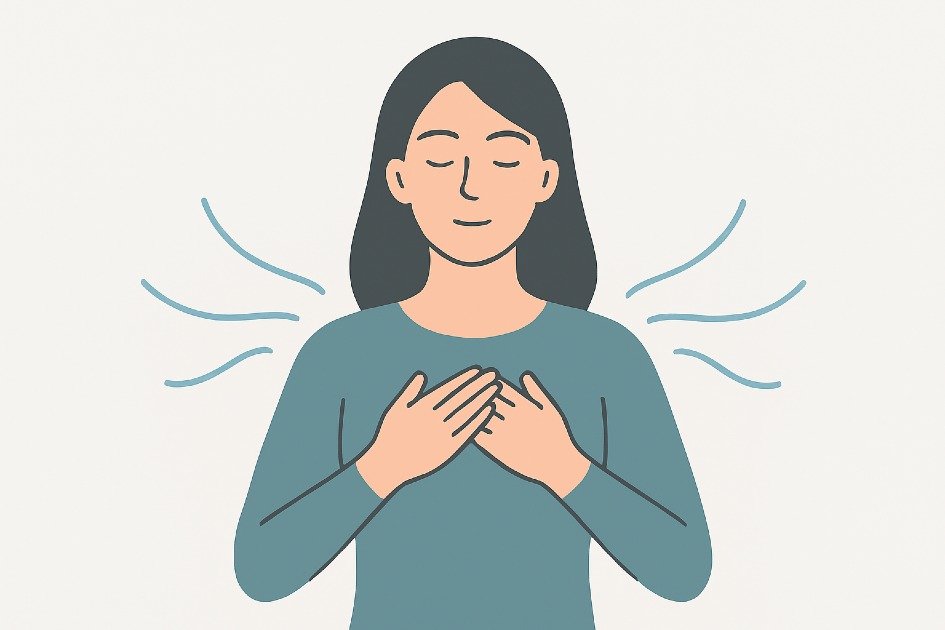
Breathwork practices that boost inner stability
Building inner stability can be achieved simply through breathwork, which anchors the mind, supports meditation, and promotes calmness in unpredictable situations.
Slow breathing for instant calm
Why it matters:
Breathwork strengthens inner stability by calming the mind, helping meditation, and keeping you steady in stressful moments.
How to do it:
- Sit up tall and let your shoulders drop with ease.
- Breathe in gently through your nose for four seconds, letting the air fill your lungs and calm your body.
- Pause for two seconds. Then breathe out slowly for six seconds.
- Keep going for 2 to 3 minutes, focusing fully on each movement.
- For added support, use a guided timer.
As I practice, this technique blends with my meditation, helping my mind feel calm and clear.
Deep belly breathing to release stored stress
Why it matters:
It enhances oxygen flow for improved mental clarity, relieves muscle tension from prolonged hours or emotional stress, and aids meditation by anchoring attention to the body.
How to do it:
- Rest your hand on your belly and the other on your chest.
- Take a deep breath through your nose and feel your belly expand like a balloon.
- Breathe out through your mouth and watch your belly sink.
- Do the sequence slowly for five to ten rounds. Focus on each movement and breathe deeply.
- Enhance your focus by using this technique with a gentle ambient track from Mindful.org.
I feel calm, centered, and ready for meditation anytime because this breathwork trains my body to stay safe and grounded.
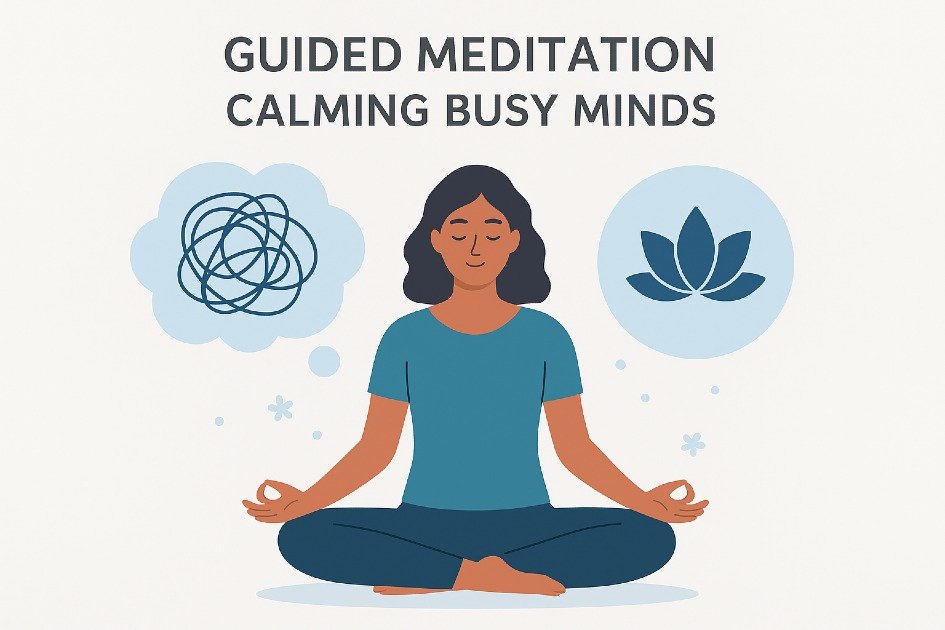
Guided meditation approaches for busy minds
A busy mind can feel heavy and stressful. Guided meditation helps because someone leads you step by step. It gives you comfort, clear direction, and an effortless way to stay focused when life feels chaotic.
Micro-guided meditations for instant calm
Why it matters:
Micro-guided meditation sessions are effective for reducing stress and maintaining composure, providing quick resets for a cluttered mind. They can be practiced in short intervals, such as during breaks or before meetings, serving as a mental “refresh” button.
How to do it:
- Take a deep breath, close your eyes, and listen to a 1-minute guided audio on Mindful.org.
- Focus on the voice as it slows your breath and draws your mind to the present moment.
- Focus on each word and let it lead your thoughts instead of trying to shut your mind down.
- Take a short pause whenever stress hits. Even two minutes can calm your mind and restore focus.
- Play gentle background sounds to create calm and boost focus.
When my deadlines start stacking up, I pause and do a short, guided meditation at my desk. In just a few breaths, my mind feels lighter, my body relaxes, and the work in front of me feels easier to manage.
Guided visualization for clearer thinking
Why it matters:
Visualization in guided meditation acts as a mental retreat that improves mood, focus, creativity, and emotional balance, especially during stress, by enabling individuals to establish a calm “inner place” for refuge at any time.
How to do it:
- Try a guided meditation that paints a picture in your mind, like walking through a quiet forest or floating gently above ocean waves.
- Follow the guide as they show each gentle step, letting you see the full picture clearly.
- Breathe slowly and let your mind fill with every detail of the scene.
- Practice the same mental image every day so your brain learns it as a calm spot.
When I feel drained, I take five minutes to picture myself walking through a quiet forest. It felt strange at first, but the scene soon became natural to me. Now it sweeps away my mental fog faster than a cup of coffee.
Strengthen emotions with daily mindfulness
Building emotional strength involves small mindfulness habits and meditation practices that promote grounding, clarity of thought, and calm responses to stress, enhancing awareness and control over one’s inner world.
Mindful thought awareness
Why it matters:
It helps you notice emotional triggers early, protects your energy from constant overthinking, improves your decision-making by slowing quick reactions, and strengthens the calm you build each day.
How to do it:
- Stop when a strong feeling hits. Say the emotion aloud before you act.
- Track your thoughts in a small notebook or notes app. I tried this for two weeks and noticed the worries I kept repeating.
- Take short meditation breaks during the day to calm your racing thoughts and refresh your mind.
- Writing in a mindfulness journal helps you sort your thoughts and notice your feelings.
- Try a quick calming exercise whenever stress builds to reset your mind and lift your mood.
- Make it a habit during everyday moments like standing in line or walking so it feels natural.
- As you practice daily, your mind grows stronger and your confidence rises.
Mindful transitions between daily tasks
Why it matters:
Keeping clear boundaries between tasks helps your mind reset, lowers stress, and keeps your mood steady. It also supports smoother thinking, so you stay focused and emotionally strong.
How to do it:
- Take a deep breath and pause for ten seconds before starting anything new.
- Scan your body for tight spots in your shoulders, jaw, or back and release the tension.
- Take a one-minute meditation between tasks to reset your mind.
- Create a peaceful mood with gentle ambient sounds from Mindful.org that help you focus and relax.
- Move at a steady pace and remember that small transitions set the tone for your entire day, not just the major tasks.
- Take a quick “micro reset” by stretching your hands or saying a calming phrase to refresh your mind and stay focused.
I practice small mindfulness habits every day, and they help me stay calm and steady. Pause breathing helps me manage stress easily and trust my inner balance.
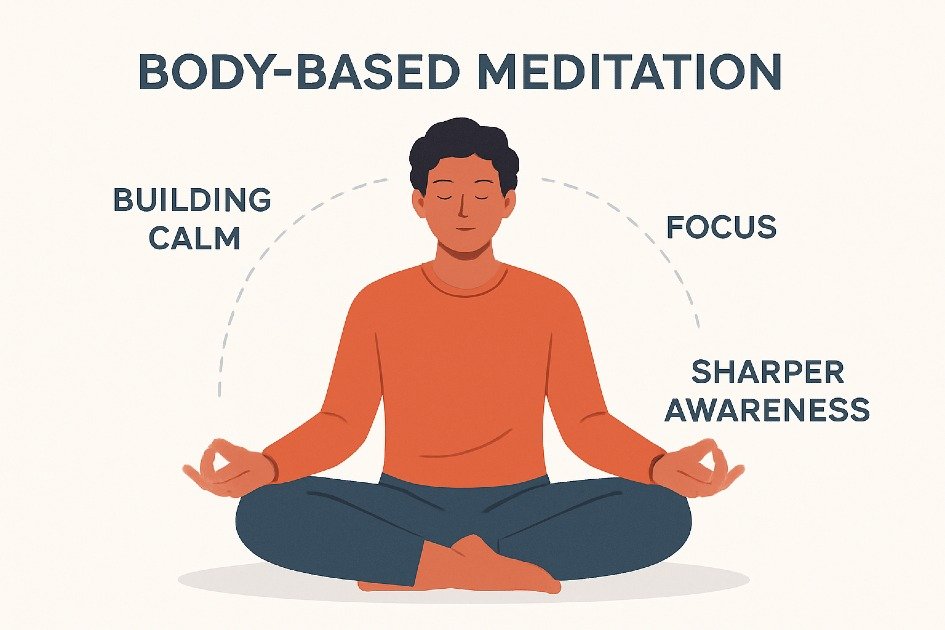
Mindful movements to boost awareness
Body-based meditation improves present-moment awareness through physical senses, fostering calmness and alertness. It offers immediate benefits for recognizing mental and physical needs without thought suppression, acting as a dependable inner anchor.
Body scan awareness
Why it matters:
It helps you reconnect with your body when you feel stressed, making it easier to notice tension early. You sit or stand with better posture, breathe more calmly, and think more clearly. It guides your attention to simple sensations and helps you catch burnout signs before they grow.
How to do it:
- Find a comfortable spot to sit or lie down, like your bed, a yoga mat, or even a car seat, and relax fully.
- Take a deep breath and shut your eyes. Feel each inhale and exhale calm your mind and body.
- Shift your focus from your head down to your toes, paying attention to each part as you go.
- Notice how your body feels, whether it is warm, tight, buzzing, or soft.
- Notice when your mind drifts and calmly brings your focus back to where you stopped.
- Ease tension bit by bit, like untying knots in a rope.
- Try a guided body-scan meditation to relax fully and ease tension.
I started body-scan meditation to ease the tightness in my shoulders. I began to stretch more as I felt the aches I had ignored for years. I felt lighter, stronger, and more in control as I calmed my stress before it built up.
Walking meditation for real-world clarity
Why it matters:
This meditation approach enhances daily awareness and clear thinking in stressful environments, reducing anxiety by grounding the senses through movement. It also improves observation skills, aiding in the recognition of thought and habit patterns.
How to do it:
- Pick a hallway, sidewalk, park path, or store aisle to walk through.
- Move at a slower pace and notice how your foot rolls from heel to toe with each step.
- Let your eyes stay soft and relaxed, noticing without straining.
- Pay attention to the world around you. Hear the sounds, see the colors, feel the textures, and notice the scents.
- Walk slowly and breathe softly at the same pace.
- Notice your thoughts, let them pass, and step back into your walking rhythm.
During a busy time at work, I used walking meditation to stay steady. This simple practice helped me ease stress, clear my mind, and return to my tasks with calm focus and better ideas.
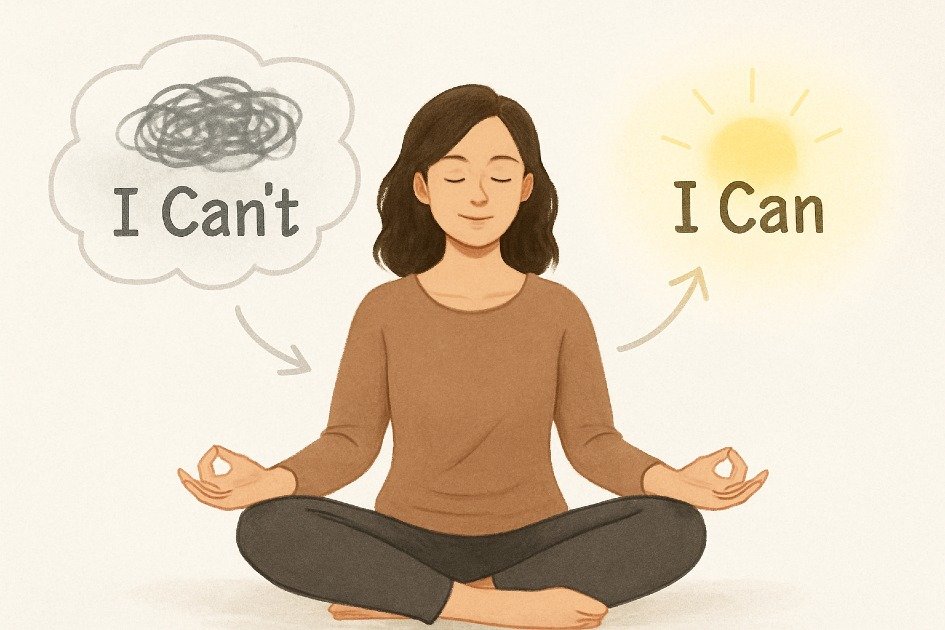
Shift your mindset with meditation
Negative thoughts can be overwhelming, draining energy and impairing judgment, but meditation provides a powerful method to transform these thoughts, helping individuals feel clearer, calmer, and more in control.
Shift your mind by changing negative thoughts
Why it matters:
Negative thoughts create mental and physical tension, skewing self-perception and heightening stress. Meditation aids in breaking these patterns, fostering clearer thinking, while reframing enhances emotional control by encouraging responses over reactions.
How to do it:
- Identify your thoughts
- Feeling “I’m not good enough” can hold you back from trying new things.
- I make mistakes sometimes, but that does not define me.
- Take a moment to breathe
- Take a slow breath in and a slow breath out to calm your mind and stay focused.
- This simple reset calms your emotions fast and brings focus back.
- Include honest balance
- Shift your mindset from I always fail to I learn from mistakes and keep growing.
- Practice deep focus meditation
- Pause for three minutes and try a grounding exercise from Mindful.org.
- Focus on your breathing whenever your thoughts drift.
- Practice every day
- Practicing new ways of thinking gets easier each time you repeat them.
I now see why reframing matters, so my next step is to shift my thinking with simple meditation I can use anytime. These easy practices help me pause, breathe, and guide my mind toward a calmer, clearer place.
Meditation tools for reframing your thoughts
Why it matters:
A simple daily pause helps your mind stay flexible and clear. It acts like a quick reset when life feels loud or busy. You start to think before you react, even in stressful moments.
How to do it:
- Pause and notice your moment
- Hold for a second and check in with yourself.
- This stops automatic thinking by bringing your attention back to the present moment.
- Let go with simple thought meditation
- Picture a negative thought resting on a leaf. Gently set it on a calm stream and watch it drift away.
- This image gives your brain a break from the story.
- Master calm with focused breathing
- Use four-count breathing to calm your body before you reframe your thoughts.
- It helps your mind stay steady as you shift your thinking.
- Steer focus with a strong statement
- I stay open to latest ideas and accept that I do not know everything yet.
- I stay calm even when life feels loud.
- Speak a short phrase that feels real and powerful.
I build emotional strength when I reframe my thoughts and meditate every day. Each small shift adds up and helps me feel steadier and more in control.
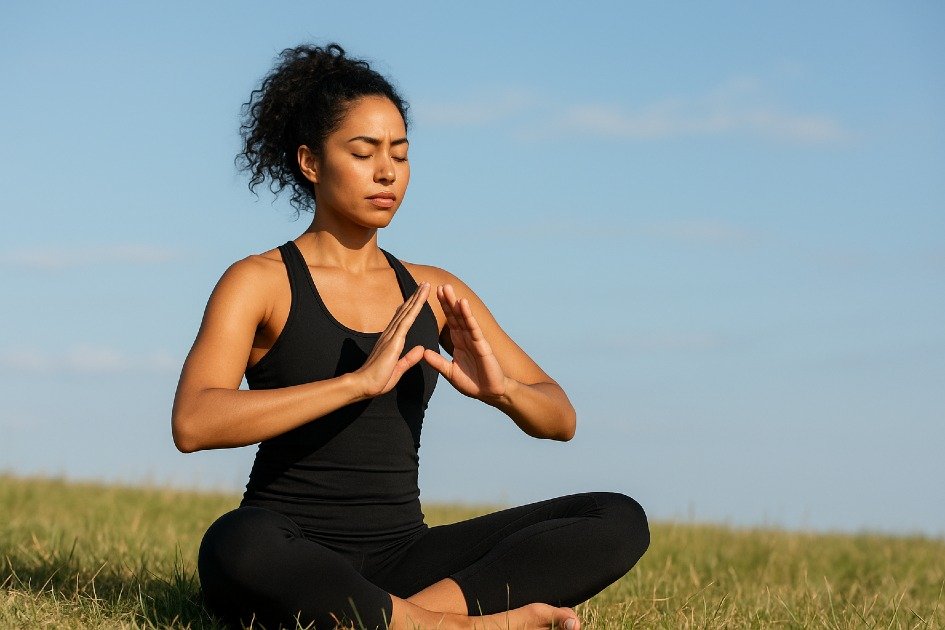
Recharge fast with meditation anywhere
Meditation, even for a moment, can effectively recharge your mind and restore energy when feeling overwhelmed. It can be practiced anywhere, and consistency in these small efforts yields significant benefits.
Quick centering breath meditation
Why it matters:
It quickly calms the nervous system, prevents emotional overload, and restores mental clarity, providing a sense of control during unpredictable moments and aiding decision-making.
How to do it:
- Sit or stand upright with your back straight and your head balanced.
- If it feels right, gently close your eyes.
- Breathe in gently for four seconds and let your belly rise as you fill your lungs.
- Press and hold for two seconds to lock in your focus.
- Breathe out slowly for six seconds, letting your jaw and shoulders relax completely.
- Keep going for one full minute. Focus on each movement and stay steady.
- Keep moving through the cycle for one full minute.
Stressful moments feel less chaotic, and over time, it has taught me to respond calmly instead of reacting fast.
Intention-setting energy meditation
Why it matters:
Enhances mental clarity, ensures emotional stability, strengthens purpose, and reduces resistance to tasks.
How to do it:
- Sit in a relaxed position and rest one hand gently on your chest.
- Breathe in deeply and feel your mind settle into the present.
- Focus on the energy you want today. Choose positivity, calm, or strength and let it guide your actions.
- Pick one clear goal for your mind, such as staying calm, keeping focus, or feeling brave.
- Say your intention aloud or in your mind slowly for 30 to 60 seconds.
- Picture your goal spreading through your body like a gentle, warm light.
I used this practice to stay steady during a tough season in my life. Instead of letting stress take control, I set my tone first, my days felt calmer, smoother, and easier to guide.

Everyday aids that make meditation easier
Building inner power through meditation requires proper structuring and consistent practice. Meditation tools enhance focus, resilience, and emotional balance, facilitating the connection between intentions and results effectively and enjoyably.
Journals that amplify your inner strength
Why it matters:
Journaling during meditation enhances clarity by organizing thoughts and tracking emotional patterns, fostering self-awareness and progress. Without documenting insights, meditation may not promote long-term growth, as journals help to make abstract emotions tangible.
How to do it:
- Write in a notebook every day, either before or after meditation. Capture your thoughts, feelings, and ideas to clear your mind and boost focus.
- Pay attention to your emotions by noticing feelings, worries, and moments of insight.
- Before you meditate, write a simple intention.
- Check your progress each week to see your growth and spot areas that need work.
- Boost positivity by noting daily gratitude.
Meditation apps and timers for consistency
Why it matters:
Consistency in meditation is vital for enhancing inner power, reducing stress, and improving clarity.
How to do it:
- Pick an app that guides your meditation, lets you set timers, and sends reminders.
- Start with just 5–10 minutes each day and slowly add more time.
- Set a timer with soft chimes to stay focused and stop reaching for your phone.
- Try guided sessions that help you reduce stress, boost focus, and strengthen your emotions.
- Tracking your progress in apps keeps you motivated and encourages you to keep streaks going.
I started using a timer to track a simple 7-minute guided meditation practice each morning to get focused and calm for the day.
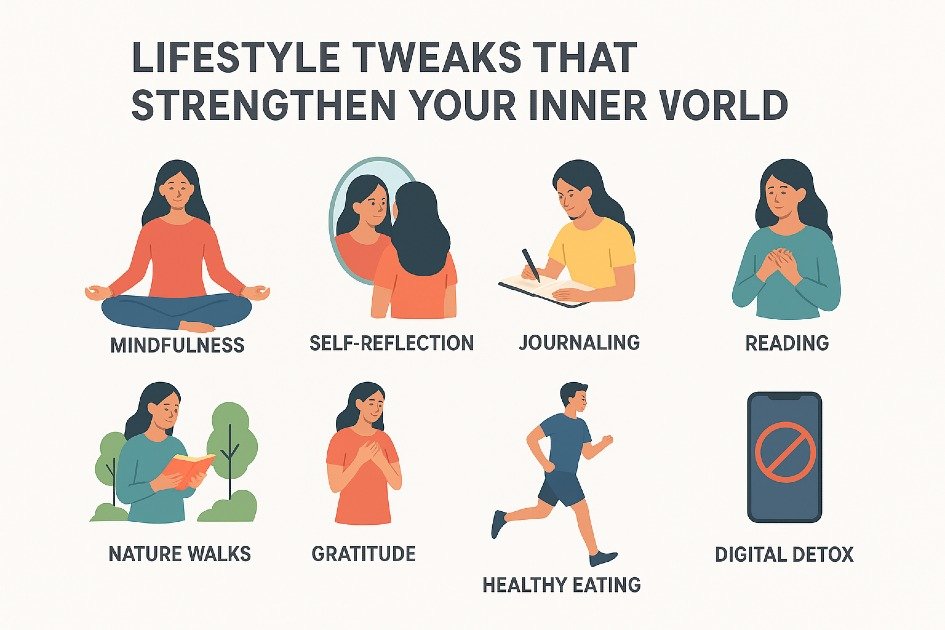
Boost your inner strength daily
Your inner world shapes your life’s responses. A calm and resilient inner self helps you face challenges and nurture relationships effectively. Strengthening this inner world can be achieved without drastic changes.
Create a sanctuary in your space
Why it matters:
Your environment influences your thoughts, emotions, and energy. Clutter can raise stress and reduce focus, hindering meditation, whereas an organized space promotes calmness, creativity, and mindfulness.
How to do it:
- Tackle clutter step by step by organizing one drawer or corner at a time.
- Bring calm into your space by placing plants, using soft lights, or displaying peaceful artwork.
- Create a quiet corner in your home just for meditation or reflection.
- Breathe in calming scents like lavender or sandalwood to help your mind and body relax naturally.
- Keep your everyday items to make life easier.
I shape my space with care, so it supports my meditation and quiet moments. Even slight changes boost my mental energy and help me manage daily stress with more ease.
Nurture mindful eating habits
Why it matters:
Mindful nutrition significantly influences brain chemistry, mood, and mental clarity. In contrast to mindless eating, which can cause fatigue and irritability, mindful practices promote energy, clarity, and emotional stability, thereby enhancing meditation.
How to do it:
- Savor each bite without distractions. Pay attention to how it tastes and makes you feel.
- Focus on eating whole foods like leafy greens, lean meats, and healthy fats to fuel your body and stay strong.
- Drink water regularly because even slight dehydration can raise stress and anxiety.
- Eat meals that keep your blood sugar steady and stop energy crashes.
- Pause for a moment before meals and quietly give thanks to connect with your food and nourish your body fully.
I practice mindful eating without trying to be perfect. I listen to my body, enjoy each bite, and let food fuel me. When I slow down and stay present, I feel stronger and more cared for from the inside out.
Build daily micro-moments of reflection
Why it matters:
Incorporating intentional pauses for micro-moments of reflection can help alleviate feelings of a scattered inner world. These moments allow for emotional processing and tension release, while meditation enhances focus, self-awareness, and emotional regulation.
How to do it:
- Take a short 3–5-minute break at work to focus on deep breathing and clear your mind.
- Pause and ask yourself what you are feeling or name one thing you are grateful for today.
- Write in a journal every day to notice patterns and understand your thoughts.
- Take brief walks and notice the details around you.
- Take one slow, deep breath when stress hits. Focus fully on it and let your body relax.
I take small breaks during my day because they protect my mind from burnout. These quick pauses help me stay calm, steady my emotions, and keep my inner world in line with what I want to do each day.
Embrace intentional movement
Why it matters:
Physical activity is essential for fitness, reducing stress hormones, increasing energy, and strengthening the connection between emotions and actions. When paired with meditation, it promotes mindfulness and emotional resilience.
How to do it:
- Begin your day with light stretches or yoga to wake your body and focus your mind.
- Try taking short walks or practicing tai chi to boost circulation and clear your mind.
- Pay close attention to how your body moves and match each step or pose with your breath.
- Move your body and quiet your mind together to boost self-awareness.
- Notice your progress and honor each small win to keep yourself motivated.
I do not need heavy workouts to feel strong inside. When I move with small, steady actions, I build a calm and powerful presence over time. Each mindful step helps me feel more grounded and more in control of my day.
Cultivate digital boundaries
Why it matters:
Constant notifications and excessive scrolling disrupt attention, elevate stress levels, and diminish meditation effectiveness, obstructing introspection and personal growth. Establishing boundaries can assist in mental recharging and improving focus.
How to do it:
- Set aside time in the morning or evening without screens.
- Silence unnecessary notifications to stay focused and avoid constant distractions.
- Set up a peaceful spot in your home where screens are not allowed. Fill it with books, cozy chairs, or calming decor.
- Focus on technology that helps you stay mindful and calm.
- Swap idle screen time for journaling or gentle movement to boost focus, mood, and energy throughout your day.
By controlling digital exposure, you protect your mental space and create consistent opportunities for reflection and inner empowerment.
Recap: Unlock Your Inner Power and Thrive
Meditation is a transformative practice that cultivates clarity, resilience, and inner strength in everyday life. It is accessible and requires only a commitment to self-care.
Regular meditation results in manageable stress, reduced negative thoughts, and enhanced intuition. It fosters patience and reveals that true power is quiet and personal.
Harvard Health suggests that individuals can enhance their happiness, regardless of their natural disposition towards it.
Embracing meditation as a daily routine can master life, experience extraordinary transformations, and journey to unlock your inner power and strength.
Frequently Asked Questions
When will I start noticing results from meditation?
The transformative effects of meditation can appear quickly, within days of consistent practice, although deeper benefits may require several weeks. This is a cognitive recalibration where the nervous system relaxes and focuses.
Combining short, frequent sessions with longer, reflective practices, along with guided courses, is recommended for optimal results.
How can I stay focused when my mind wanders in meditation?
Thought drifting during meditation is common, even among experienced practitioners. Important aspects of meditation include recognizing these distractions without judgment and refocusing on the breath or another anchor.
Utilizing techniques such as mantra repetition or meditation timer can help maintain attention and transform wandering thoughts into tools for mindfulness instead of sources of frustration.
Can meditation improve confidence and decision-making?
Meditation enhances the prefrontal cortex pathways, improving emotional regulation and decision-making.
Practicing for 10 to 20 minutes regularly fosters self-assurance and promotes executive calm, positively affecting both professional and personal life. Guided exercises reinforce these benefits.
Is there a best time of day to meditate for maximum impact?
Many prefer morning or evening meditation. Morning sessions enhance focus, while evening practice stabilizes emotions after busy days.
Some also try circadian-synced meditation to align with energy fluctuations for improved mental clarity and resilience.
Do I need special tools or can I start with nothing?
You need a quiet space and commitment for meditation, but tools like a comfortable cushion, noise-canceling headphones, and meditation soundscapes can enhance your practice.
Guided meditation apps and journals can also support deeper experiences and facilitate reflection and habit reinforcement.
Can meditation help reduce anxiety or chronic stress?
Consistent meditation reduces cortisol levels, enhances heart rate variability, and promotes neuroplasticity associated with stress.
Techniques such as breathwork, body scans, and visualization improve the stress response, making challenging situations more manageable.
What types of meditation are most effective for building inner power?
Inner power is cultivated through practices that enhance self-awareness, focus, and emotional resilience. Techniques such as mindfulness meditation, mantra repetition, and visualization are essential for improvement.
How do I stay consistent with meditation without losing motivation?
Consistency is achieved via habit architecture, emphasizing small daily practices linked to existing routines, like pre-meal or hygiene actions.
Journals or habit tracking apps can boost commitment. Developing inner strength is gradual, with even brief rituals leading to substantial long-term benefits.
Can meditation enhance creativity and problem-solving?
Meditation enhances divergent thinking by calming routine thought patterns and fostering cognitive space for latest ideas. Techniques such as open-awareness meditation promote ideational fluidity, leading to spontaneous creative insights.
Consistent practice boosts perspective shifting, problem-solving efficiency, and a composed, original approach to challenges.
Are there any risks or precautions I should consider with meditation?
Most individuals can safely practice meditation; however, those with severe anxiety, PTSD, or other mental health issues should approach it cautiously and consider professional guidance.
Practicing moderation, self-awareness, and gradually increasing session duration can help prevent feelings of overwhelm or frustration.