
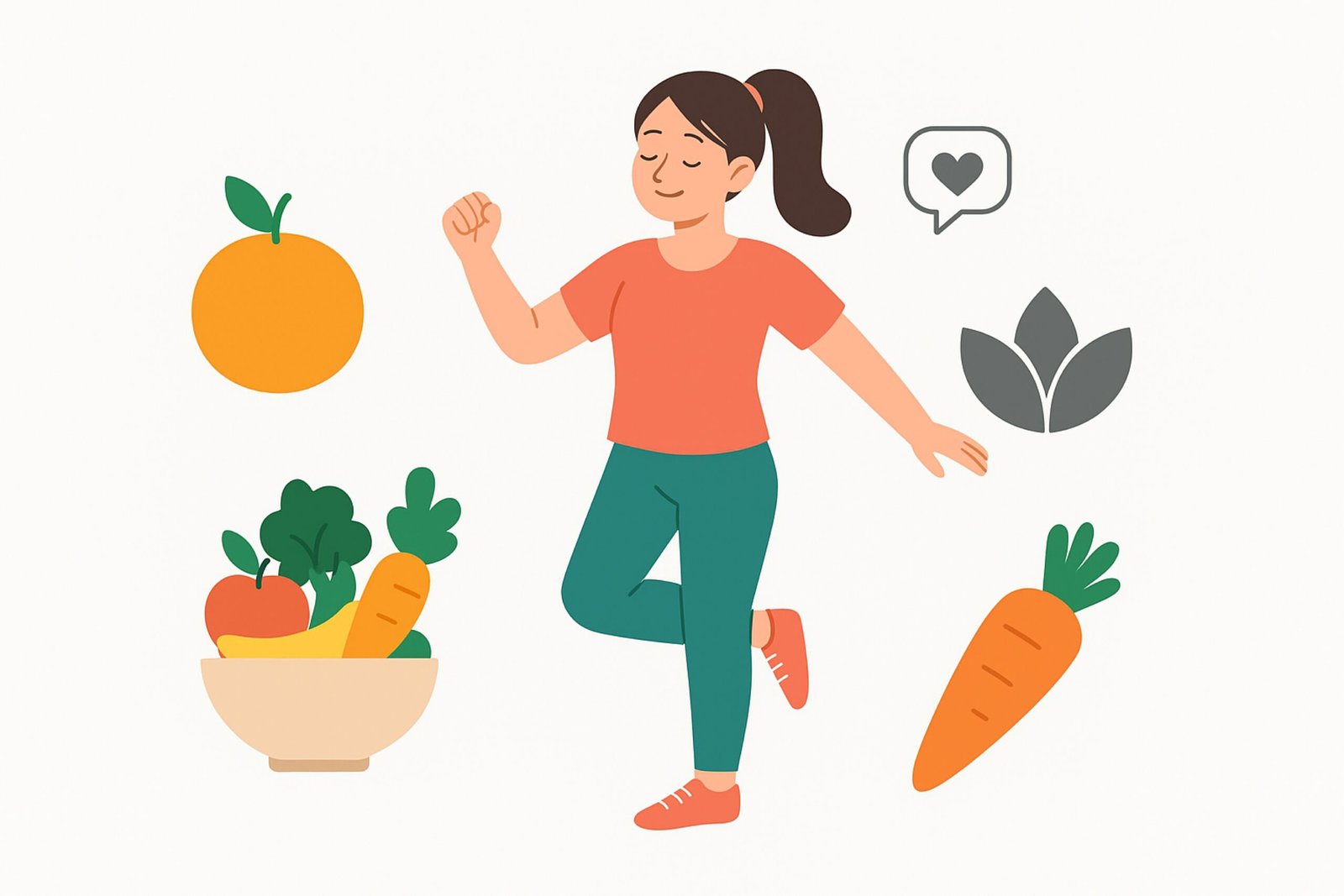

Have you ever wondered what would happen if, instead of chasing quick fixes, you embraced a powerful lifestyle shift — the kind that does not just change your day, but transforms your whole sense of well-being?
Make some positive shifts by moving in ways that feel fun, choosing real food, getting better sleep, and caring about your friendships. Your mood brightens, your energy lasts longer, and your mind feels clear.
According to Harvard Health, gradual improvements are more sustainable than drastic changes.
Each moment offers an opportunity to choose nourishment over neglect, connection over isolation, and calm over chaos. These choices affect your mood, energy, relationships, and outlook on life.
This guide promotes holistic movement as a joyful exercise, nourishes with wholesome foods for energy and emotional balance, and establishes a restful sleep routine that is essential for well-being.

Prioritize movement that brings you joy
Exercise is essential for a healthier lifestyle, but it does not have to feel like a chore. Finding activities that spark joy and provide consistency leads to transformation, making exercise enjoyable.
Rethink exercise as play, not obligation
Exercise can be challenging to associate with discipline, but discovering dance-based workouts transformed it from an obligation to an enjoyable experience.
Choose activities that feel like play, such as paddleboarding, hiking, or virtual reality fitness games, to redefine an active lifestyle. Experiment with different options until one feels natural.
Daily habits that create lasting momentum
Misconceptions about exercise imply that it requires long gym sessions. Small bursts of movement throughout the day can significantly improve health and mood.
Break down movement into bite-sized chunks, such as walking during phone calls or practicing yoga before bed. Consistency is key, leading to a vital lifestyle.
The ripple effect of joyful movement on health
Engaging in enjoyable activities boosts serotonin, mental clarity, longevity, reduces chronic conditions risk, and enhances emotional well-being, resulting in gratitude and gratitude in the body.
Adjust movement to your personal rhythm, scheduling activities in the morning for energy and using movement as a wind-down ritual in the evening for calmness.
Movement as a social connector
Exercise does not have to be solitary. In fact, movement often becomes more meaningful when shared.
Engaging in group classes, walking clubs, or online communities that promote movement can not only maintain an active lifestyle but also strengthen social bonds that support mental health.
Transforming movement into a reward, not a burden
When you shift your perspective, exercise evolves into something you crave. Instead of asking, “Do I have to work out today,” “What will I get to enjoy today?” That is the essence of sustainable lifestyle change.
By choosing movement that aligns with your passions, you create a self-sustaining cycle: the more joy you feel, the more consistent you become, and the healthier you grow.

Nourish your body with wholesome foods
Consuming the right foods is crucial for maintaining health and energy levels. Nutrient foods not only satisfy hunger but also strengthen the immune system, stabilize mood, and make life feel lighter.
Swap processed choices for colorful, real foods
Highly processed snacks, while convenient, drain energy over time, leading to fatigue, irritability, and sugar crashes, negatively impacting mental clarity and stamina.
- Aim to “eat the rainbow.” The more natural colors on your plate—deep greens, bright oranges, vibrant reds—the richer your meals are in antioxidants and micronutrients.
- Keep ready-to-eat options like organic mixed nuts or cut-up veggies in your fridge to avoid reaching for packaged chips.
- Slowly phase out one processed item each week and replace it with a whole-food option.
When I swapped my morning pastry for overnight oats with berries, my mid-morning crashes disappeared. That one change reshaped my daily lifestyle rhythm.
Practice mindful eating to reconnect with your body
Autopilot eating habits can lead to overeating or missed body signals. A mindful approach focuses on awareness and transforms eating into a restorative ritual.
- Sit down at a table (not your desk or car) for at least one meal per day.
- Chew slowly and savor each bite, notice textures, aromas, and flavors.
- Pause halfway through your meal to ask, “Am I satisfied or just eating out of habit?”
When I started practicing mindfulness at dinner, I noticed I ate smaller portions but felt more satisfied. It reshaped not just my meals but my entire evening lifestyle routine.
The ripple effect of nutrition on energy, sleep, and mood
A balanced diet not only impacts physical appearance but also affects mental, physical, and emotional well-being, reducing irritability, restlessness, and mood swings.
- Add foods rich in omega-3s, like wild-caught salmon supplements, for better cognitive function.
- Choose magnesium-rich snacks, such as pumpkin seeds, to promote restful sleep.
- Reduce caffeine after lunch to help regulate natural energy cycles.
Replacing late-night coffee with a calming chamomile tea helped me sleep more deeply. It was a small dietary tweak, yet it transformed the quality of my mornings and supported a more productive lifestyle.
Build a sustainable nutrition plan that fits your lifestyle
Consistency is crucial for effective eating, as strict diets often fail due to clashing with real life. Wholesome foods should be sustainable, enjoyable, and aligned with personal routines.
- Plan simple meals you enjoy, not just what looks “healthy” online.
- Use batch cooking on weekends so weekday meals are stress-free.
Prepping a big pot of lentil soup every Sunday became a staple in my household. It cut down on mid-week stress, kept my budget balanced, and turned nutrition into an easy lifestyle upgrade instead of a chore.

Cultivate a restful sleep routine
Sleep is crucial for health, clarity, and emotional stability. In today’s fast-paced lifestyle, quality sleep is often sacrificed for productivity.
Designing a sleep routine that feels like a nightly retreat can help maintain a healthy lifestyle and prevent the feeling of climbing uphill.
Create a calming nighttime ritual
Many people try to “crash” into sleep, but your body craves cues that it is time to wind down. Think of it like dimming the lights before a theater performance, it prepares your system for the main act.
- Sip a warm, non-caffeinated herbal blends tea.
- Spend 10 minutes reading a physical book instead of scrolling through your phone.
Personally, I found that journaling a few lines before bed cleared out mental clutter that kept me awake. When I write down tomorrow’s to-do list, my brain no longer feels the need to rehearse it at 2 a.m.
Reduce digital distractions before bed
Screens are sneaky sleep thieves. The blue light from devices disrupts melatonin, the hormone that tells your body to rest. For a healthier lifestyle, setting boundaries with technology is key.
- Switch devices to “night mode” two hours before bed.
- Keep your phone in another room and use a digital alarm clock
- Replace late-night scrolling with a short meditation app (many offer offline features).
I once challenged myself to put my phone away at 9 p.m. for a week. By day three, I noticed falling asleep felt natural instead of forced. My lifestyle shifted, not because I slept longer, but because I slept better.
According to Harvard Health, people who used technology such as phones, tablets, or computers in bed before they went to sleep scored lower on measures of sleep quality than those who did not.
How consistent sleep strengthens your lifestyle
Inconsistent sleep is like taking your body on a red-eye flight every night—eventually, it catches up. Sticking to a regular schedule reinforces your internal clock, also known as your circadian rhythm:
- Boosts immunity by giving your body time to repair.
- Improves concentration and memory, critical for both work and family life.
- Stabilizes mood, making it easier to manage everyday stress.
A friend once told me that the greatest lifestyle change, she ever made was not joining a gym—it was committing to a 10:30 p.m. bedtime. She woke up refreshed, with energy to exercise, cook nourishing meals, and enjoy her mornings.
Lifestyle sleep hacks that work
Sometimes, small tweaks bring big results. Here are practical ways to help your lifestyle support better sleep:
- Keep your bedroom cool (around 65°F is optimal).
- Use blackout curtains to eliminate outside light pollution.
- Practice a short body-scan meditation to relax tense muscles.
From personal trial and error, I discovered that keeping a glass of water beside the bed prevented me from waking up thirsty at 3 a.m. It is simple, but it improved the continuity of my sleep.

Build meaningful connections
Despite clean eating, exercise, and sleep, life feels incomplete without authentic bonds. Building meaningful connections cultivate deep, nourishing relationships that anchor your lifestyle in joy, purpose, and resilience, leading to a happier, healthier you.
Surround yourself with people who uplift you
Staying in negative or toxic relationships can drain your energy, while being around positive, inspiring people can accelerate growth and happiness.
Conduct a social audit to assess your energy levels and invest more time with those who bring light. Join online wellness groups or in-person clubs for extra support.
I once joined a local hiking group to break out of rut. The friendships I formed there not only boosted my motivation for fitness but also made my weekends feel purposeful. That simple shift elevated my entire lifestyle.
Practice active listening and presence
Active listening fosters deep connections by demonstrating attention, empathy, and presence, thereby fostering trust and preventing stagnant conversations.
Eliminate distractions, observe others, reflect on their words, and engage in mindful pauses to foster authenticity and openness.
I began practicing this habit during family dinners. Instead of multitasking, I gave undivided attention. Conversations became richer, laughter more frequent, and my family bond strengthened—a lifestyle upgrade I did not see coming.
Build rituals of connection
Consistency is key to fostering strong relationships, as it deepens bonds and keeps them fresh in your daily or weekly routine.
Establish regular rituals like video calls, family game nights, or daily coffee walks to maintain connections, and use tools like relationship-building apps for reminders and meaningful activities.
My friends and I started a Sunday evening “gratitude call.” Each week, we share three things for which we are grateful. It is simple, but it has kept us grounded and connected despite busy lives.
Give without expectation
Giving generously without focusing on scores fosters true connection, trust, and bonds, transforming relationships into safe havens when focusing on giving rather than receiving.
Send a thoughtful handwritten note, cook a meal for a neighbor, or share your expertise when someone is struggling.
I once dropped off soup for a sick neighbor. Months later, she told me that act of kindness helped her feel less alone during a challenging time. It reminded me that even the smallest gestures can reshape someone’s lifestyle in profound ways.

Practice daily gratitude and mindfulness
The tone of your day can be significantly influenced by your first thoughts in the morning. Focusing on what is working well in your life can shift your mindset, while gratitude and mindfulness practices anchor your lifestyle in calm, positivity, and resilience, transforming your experience of each moment.
Why gratitude changes your brain
Stress is fueled by scarcity thinking, but gratitude disrupts this cycle by training the brain to recognize abundance, fostering a lifestyle centered on appreciation rather than anxiety.
- Start with a simple gratitude journal. Each night, jot down three things that went well, no matter how small.
- Use digital tools like gratitude apps to keep you consistent when traveling or on the go.
- When negative thoughts creep in, counter them by naming one thing you are grateful for in that very moment.
I once began writing “morning gratitude notes” to myself on sticky pads. At first, it felt forced. But after a few weeks, I noticed my mood stabilizing. Mornings that once felt rushed began to feel purposeful.
The art of being fully present
Mindfulness is a conscious practice that helps observe thoughts and feelings without judgment, slowing down the day’s frantic pace and allowing us to appreciate ordinary experiences.
- Try a 5-minute breathing practice when you wake up. Simply notice your breath — no apps, no music, just awareness.
- Practice mindful eating by taking one meal a day where you focus fully on taste, texture, and aroma without distractions.
- Explore calming tools such as meditation cushions or aromatherapy kits that create an inviting atmosphere.
When I first tried mindful eating, I realized I had been rushing through meals without even tasting them. Slowing down turned food into a sensory ritual rather than just fuel.
Where gratitude strengthens mindfulness
Gratitude and mindfulness work together to create a more intentional lifestyle, focusing on what is good and fully experiencing it.
- Begin your day with mindful breathing, then write a gratitude note before diving into work.
- End your evenings by reflecting on a mindful moment that stood out — laughter at dinner, a quiet walk, or even a deep breath during stress.
I started combining both habits into a “mindful gratitude walks.” Each morning, I would walk slowly around my block, notice the colors of the trees, and silently list things for which I was grateful. That single ritual became the cornerstone of a calmer, more balanced lifestyle.
Recap: Your Journey to a Brighter, Healthier You
Meaningful change can be achieved through even the smallest lifestyle shifts. By choosing joyful movement, intentional rest, and consuming fuel-rich foods, individuals can create a lighter, brighter, and more authentic lifestyle over time, transforming their lives.
A happier, healthier one is achievable through daily practice and lifestyle alignment. Observing subtle shifts like increased energy, steady emotions, and deeper connections with loved ones are the dividends of living with purpose.
Perfection is not necessary for lifestyle changes; it is better to gradually introduce one shift and then layer on another, making the process more sustainable and allowing for celebration of victories. Transformation happens slowly, eventually becoming a healthier, more joyful person.
Consider using a wellness journal to track your progress and stay motivated. Your lifestyle is your canvas, and every positive choice adds depth and vibrancy to your life. Start where you are, stay consistent, and trust that even small lifestyle refinements can lead to a brighter, healthier you.
Frequently Asked Questions
What does the easiest lifestyle shift to start with if I feel overwhelmed?
Starting with light, natural activities like walking, stretching, or dancing can help you overcome the feelings of been overwhelmed in a workout routine.
This momentum builds and allows you to embrace other lifestyle improvements. For beginners, investing in a lightweight fitness tracker can help stay motivated without adding pressure.
How long does it take to notice changes from these habits?
The journey to a healthier lifestyle involves small improvements within two to three weeks, such as better sleep quality, focus, and mood stability, while larger transformations like weight balance, stamina, and immune system may take months.
Can I balance these shifts with a busy work schedule?
Lifestyle shifts can be micro-adjustments, allowing for significant changes without overwhelming one’s schedule. For instance, incorporating mindful breaths, walking outside during lunch, or switching to an adaptogenic tea blend can reduce stress and improve focus.
Do I need to make all lifestyle shifts at once to see results?
To avoid burning out, focus on one lifestyle shift that resonates with your current needs. For instance, if exhaustion is your main concern, focus on sleep. Over time, these shifts will layer together, creating a balanced and sustainable lifestyle.
How do I stay consistent when motivation fades?
Habits are enduring, and motivation is fleeting. To maintain motivation, create small cues like a reusable water bottle or a gratitude check-in. When motivation drops, your environment and systems align with your vision for a healthier lifestyle.
Accountability through sharing goals with friends, joining a community group, or tracking progress with journal help.