


Imagine waking up each morning with energy that carries you through the day, muscles that feel resilient, and a mind that is sharp and clear. This is not a distant dream reserved for elite athletes—it is the result of intentional lifestyle choices that prioritize strength, fitness, and overall vitality.
Strong lifestyle choices, including regular movement, healthy nutrition, adequate sleep, and stress management, are essential for achieving true fitness, according to Harvard Health.
Transformations arise from simple, consistent lifestyle choices, such as nutritious eating, sufficient sleep, and structured workouts. These actions build a solid foundation for health, fostering strength and endurance.
Harmful habits, like skipping meals or neglecting sleep, can undermine fitness goals. A holistic approach integrates these deliberate lifestyle choices, promoting a resilient body and sustainable fitness journey.
Progress over perfection in lifestyle choices cultivates not only muscle but also endurance, mental clarity, and wellness.
The path to fitness is marked by awareness, action, and consistency, empowering your body and mind to thrive.
This guide emphasizes actionable strategies in nutrition, exercise, sleep, stress management, and mindset, highlighting that strength is achieved through intentional, consistent actions rather than temporary motivation.
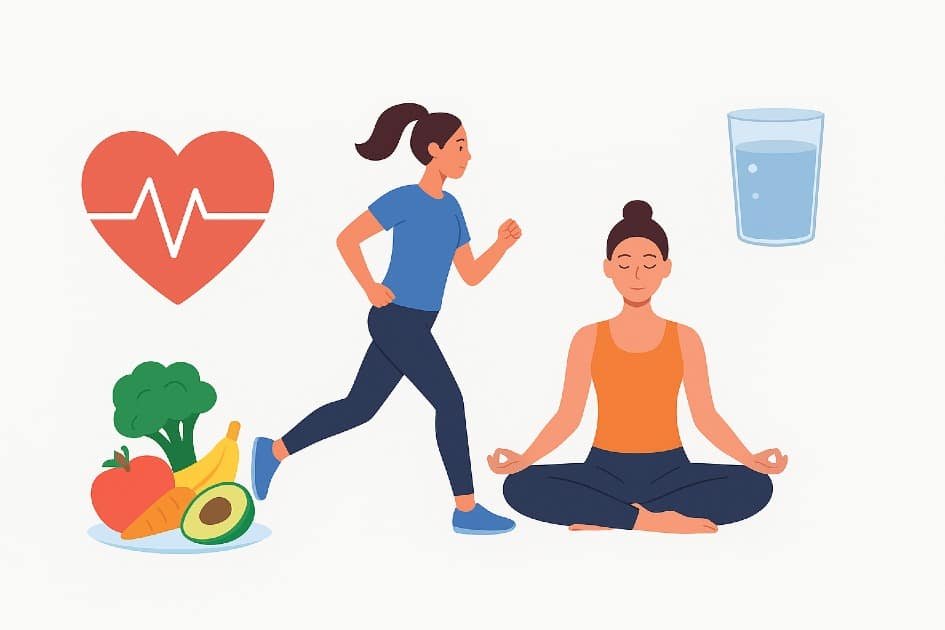
Understanding the role of lifestyle in fitness
Achieving strength and fitness involves more than just gym hours and workout intensity; it fundamentally starts with daily lifestyle choices. These often subtle and habitual decisions cumulatively influence progress, either facilitating or obstructing it over time.
How daily choices impact your strength goals
Your daily habits build your fitness. Every meal, glass of water, night of sleep, and bit of movement shape your progress. Skipping breakfast, forgetting to drink water, or sitting too long may seem harmless, but over time they weaken your strength and slow results.
How to improve:
- Focus on meals that mix protein, healthy fats, and complex carbs. Add quality protein powders when your diet falls short.
- Take short movement breaks every day with a quick 10-minute walk or simple stretches.
- Monitor your daily habits to see which actions boost your energy and help your body recover.
I used to think an hour at the gym every day was enough. I felt drained, and my strength stopped improving. When I began matching my meals, water, and sleep with my workouts, I finally saw actual results.
Habits that shape lifelong fitness
Fitness requires long-term commitment through sustainable habits instead of quick fixes. Many people struggle with the expectation of immediate results from extreme measures like crash diets, aggressive workouts, or neglecting recovery.
How to improve:
- Focus on habits and stay consistent rather than pushing too hard. Daily bodyweight exercises or slowly adding weight help your strength grow over time.
- Rest well and manage stress to boost your fitness. Take regular rest days and get enough sleep to help your body recover and stay strong.
- Turn unhealthy habits into good ones by choosing relaxing activities instead of late-night screen time. Try reading a book or doing gentle stretches to sleep better.
I have seen clients who tried extreme routines burn out in weeks. Those who stuck to simple habits—like 20 minutes of exercise, balanced meals, and regular sleep—kept improving. Over time, these small lifestyle choices built up, making them stronger and more energetic.
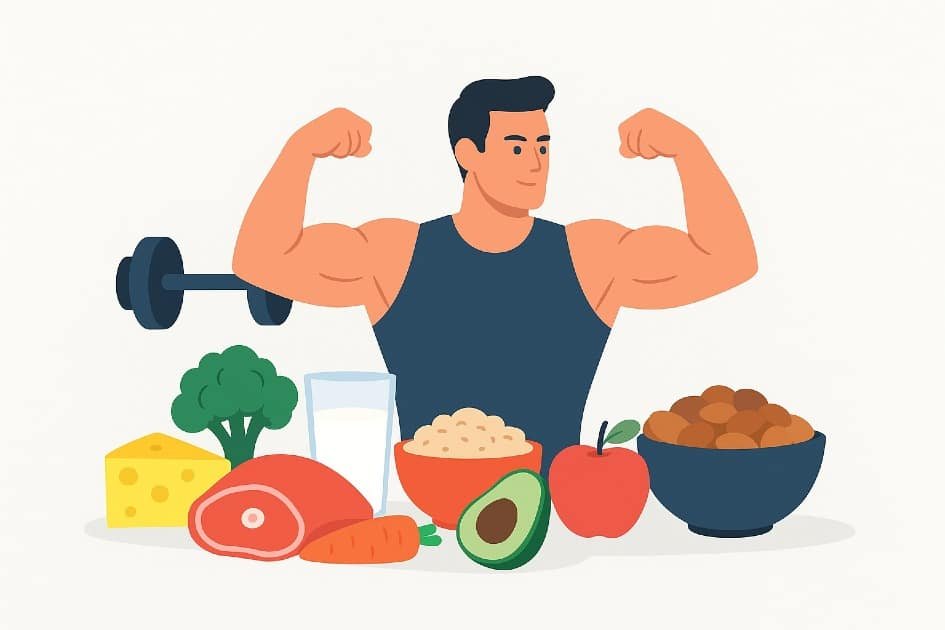
Nutrition that fuels strength
Eating for strength involves making informed lifestyle choices that provide sustained fuel for your body, influencing energy levels, muscle growth, and recovery, beyond just calorie intake and exercise intensity.
Power foods to boost muscle growth
Why it matters:
Muscles need specific nutrients for repair and growth, including protein, complex carbs, and healthy fats, which provide energy, prevent fatigue, and stimulate muscle synthesis.
How to do it:
- Prioritize lean protein by choosing chicken, turkey, fish, eggs, lentils, or tofu. Aim for 1.2–2 grams of protein per kilogram of your body weight each day to support strength, energy, and healthy muscles.
- Choose complex carbs like oats, quinoa, sweet potatoes, and brown rice to fuel your body with steady energy for exercise and recovery.
- Incorporate healthy fats by choosing foods like avocados, nuts, seeds, and olive oil. These foods help your body make the hormones it needs to repair and build strong muscles.
- Add micronutrient-rich foods by choosing dark leafy greens, berries, and bell peppers. These colorful foods feed your cells, cut down inflammation, and protect your body from oxidative stress.
I switch to these foods little by little, and it makes the whole lifestyle change feel easy instead of stressful.
Timing your meals for optimal energy
Why it matters:
Timing of nutrient intake affects strength, endurance, and recovery, ensuring that the body has fuel during critical periods and enhances muscle repair post-exercise.
How to do it:
- Eat a light meal 60–90 minutes before your workout. Choose simple protein and carbs, like Greek yogurt with berries, to fuel your energy and help your muscles perform their best.
- After your workout, eat protein and carbs within 30–60 minutes to help your muscles recover fast. A simple choice is a protein shake with a banana.
- Regular meal intervals help your body stay strong. Eating every 3–4 hours keep your energy steady and protects your muscles from breaking down.
- Drinking water little by little helps your body move nutrients faster and keeps your muscles working their best, not just when you exercise.
When I time my meals on purpose, I turn a simple daily lifestyle choice into a habit that boosts my energy and helps me perform better.
Hydration habits that support workouts
Why it matters:
Dehydration negatively affects strength, endurance, and cognitive focus, with even a 2% loss in body water leading to notable performance declines. Adequate hydration is essential for nutrient delivery, joint lubrication, and thermoregulation.
How to do it:
- Set a simple water goal each day by drinking 2 to 3 liters and adjust the amount when you sweat more or live in hotter weather.
- Electrolytes keep your body going during tough workouts, so reach for simple options like coconut water or water with a small pinch of salt.
- Keep track of your water by using a marked reusable bottle or a hydration app.
- Drink water before meals to aid digestion and control your appetite.
I make hydration a daily habit, so my body works at its best every time I train.
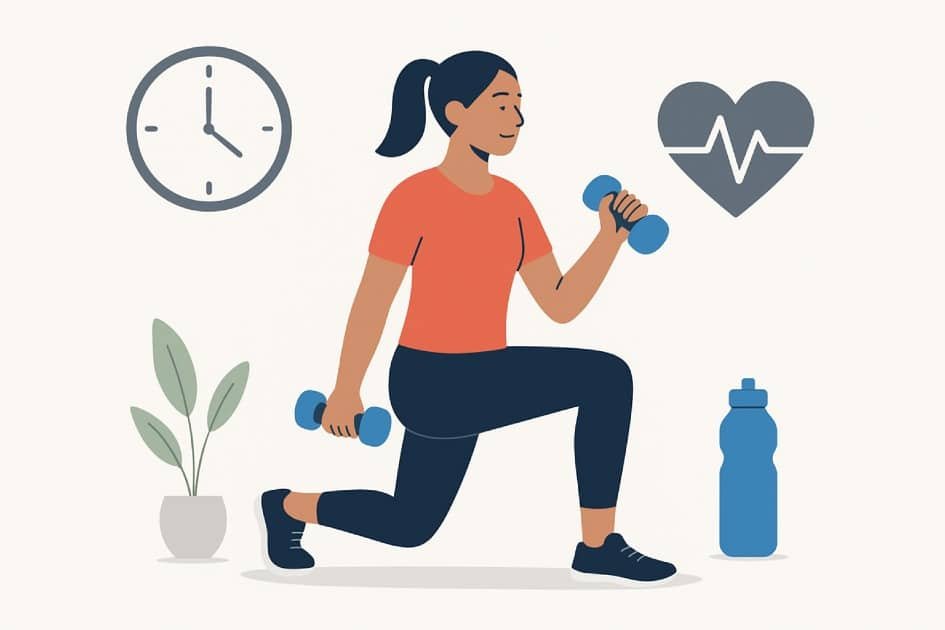
Exercise habits that make a difference
Building strength and fitness involves more than just gym attendance; it requires intentional daily lifestyle choices. The exercise habits developed are essential lifestyle choices that can either enhance or impede progress.
Balancing strength training and cardio
Why it matters:
Strength training enhances muscle mass, metabolism, and joint health, while cardio boosts heart health, endurance, and energy. Both are essential for overall fitness; neglecting one can hinder progress.
How to do it:
- Do strength training at least three times a week, hitting all major muscles.
- Try 2 to 3 sessions of moderate cardio each week such as brisk walking, cycling, or swimming to boost heart health and energy.
- Try both in a single session sometimes, like in circuit training, to make your workout stronger and faster.
- Monitor your workouts to stay consistent and avoid overtraining.
I keep my workout balanced so I stay strong, avoid burnout, and keep improving.
Move smarter every day
Why it matters:
Functional movements enhance real-life activities by improving strength, flexibility, and coordination. They lower the risk of injuries and facilitate daily tasks such as lifting groceries, climbing stairs, and bending safely.
How to do it:
- Do squats, lunges, push-ups, and planks regularly to build strength and stay fit.
- Do compound moves such as deadlifts or kettlebell swings to work several muscles at once.
- Train with resistance bands at home to move your body naturally and build strength safely.
- Take short standing or walking breaks instead of sitting for too long to keep your muscles active.
I use functional training to strengthen my body and move better every day.
Prioritizing recovery days
Why it matters:
Muscles grow and repair during rest, emphasizing the importance of recovery in preventing fatigue and injuries, and ensuring continuous progress. Recovery is an essential lifestyle choice for maximizing workout efforts.
How to do it:
- Take one or two full rest days each week to let your body recover and stay strong.
- Try active recovery with gentle yoga, easy stretches, or short walks.
- Prioritize good sleep and healthy food to help your body heal faster.
- Roll your muscles with a foam roller or massage tool to ease tightness and boost recovery.
I make recovery a daily habit, not a break, so my strength grows steadily and lasts longer.
High and low workouts boost fitness
Why it matters:
Varying workout intensity helps prevent rapid adaptation, ensuring consistent progress. High-intensity workouts enhance calorie burning and endurance, while low-intensity sessions aid in fat metabolism and stress reduction.
How to do it:
- Try HIIT workouts for 20 to 30 minutes on some days and steady cardio for 40 to 60 minutes on others.
- Match your effort to your own energy, not to what others are doing.
- Try interval training with strength moves by doing 30 seconds of push-ups and then resting for 30 seconds.
I push my body to manage many physical challenges at once, training it to adapt and perform better every day.
Progress check for lasting results
Why it matters:
Tracking progress is essential for maintaining direction and motivation, as it promotes consistency and identifies effective patterns for the body.
How to do it:
- Track your workouts by writing them down or using an app to record exercises, weights, and reps.
- Try adding five pounds to your squats within four weeks.
- Team up with others or find a workout friend to stay motivated and consistent.
I keep track of my progress because it helps me stay focused and keep moving forward every day.
Enhancing strength through daily stretching
Why it matters:
Flexibility and mobility are crucial for reducing muscle stiffness, preventing injuries, promoting joint health, and ensuring efficient movement during workouts; neglecting them can hinder overall fitness progress.
How to do it:
- Spend 10–15 minutes stretching after every workout to improve flexibility and help your muscles recover faster.
- Try yoga or Pilates once or twice each week to improve strength, balance, and flexibility.
- Try dynamic stretches before your workout to loosen muscles and boost performance.
- Roll on a foam roller to ease muscle tightness and boost movement.
I focus on staying flexible every day because small stretches now give me stronger, healthier joints and a body that lasts longer.
Overcoming common exercise pitfalls
Why it matters:
Skipping workouts and improper form can hinder progress, while addressing these issues is crucial for maintaining effective and injury-free exercise habits.
How to do it:
- Master the right form for every exercise by collaborating with a trainer or taking online lessons.
- Split your workouts into small, easy chunks when you have little time.
- Try indoor and outdoor workouts to keep exercise fun and exciting.
- Review your week, note what succeeded, and plan improvements for the next one.
I focus on steering clear mistakes to keep my strength and motivation strong every day.
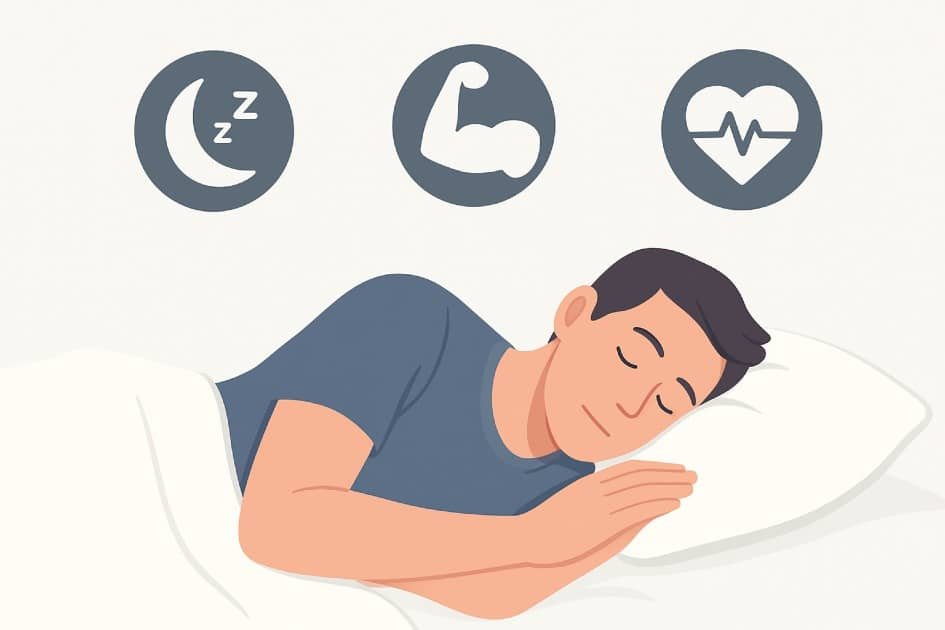
Restorative sleep powers your fitness
Sleep is a crucial, often overlooked lifestyle choice component of strength and fitness, significantly affecting recovery, energy, and performance. Prioritizing sleep is vital for muscle building, fat burning, and maintaining long-term health.
Sleep boosts muscle repair and growth
Why it matters:
During deep sleep, growth hormone production aids muscle repair and building. Adequate sleep enhances protein synthesis for more effective workouts and replenishes glycogen levels, providing energy for strength training.
How to do it:
- Keep your body clock steady by going to bed and waking up at the same time every day, even on weekends.
- Skip caffeine and big meals two to three hours before sleep to help your body rest deeply and wake up refreshed.
- Make your bedroom dark, quiet, and cool to help your body sleep deeply and restore energy.
- Ease your body and calm your mind by doing gentle stretches or meditation before sleep.
Sleep boosts focus and workout results
Why it matters:
Sleep deprivation negatively impacts focus, reaction time, and coordination, reducing workout efficiency and raising injury risk. It is a lifestyle choice that significantly influences cognitive clarity, motivation, and endurance.
How to do it:
- Use a wearable device to monitor your sleep and find the best time your body needs rest.
- Dim your lights an hour before sleep to tell your brain it is time to relax.
- Try writing in a gratitude journal or do simple mental exercises to ease stress and sleep better.
Sleep shapes fat loss and body shape
Why it matters:
Poor sleep affects hormones such as ghrelin and leptin, leading to heightened appetite and cravings. Insufficient rest can hinder fat loss, regardless of exercise and diet, indicating that prioritizing sleep is crucial for body composition.
How to do it:
- Skip late-night snacks that raise blood sugar and disturb deep sleep.
- Stick to a regular workout routine and skip intense exercise just before bedtime.
- Take warm baths or use soothing scents to help your body relax and prepare for rest.
Sleep as a stress management tool
Why it matters:
High stress increases cortisol, slows muscle growth, hinders fat loss, and weakens the immune system. Prioritizing sleep can naturally reduce stress and enhance recovery.
How to do it:
- Limit electronics in the bedroom and switch to night mode to cut blue light and improve sleep quality.
- Try the 4-7-8 breathing method to relax your mind and calm your body.
- Take a quick 20–30-minute nap when you miss a full night’s sleep to recharge your energy and stay sharp.
Sleep habits that boost strength
Why it matters:
Consistency in sleep habits is crucial for sustainable fitness progress, treating sleep as a non-negotiable lifestyle choice.
How to do it:
- Turn your bedroom into a peaceful sanctuary with cozy bedding, dark curtains, and quiet surroundings.
- Schedule your workouts to match your sleep, not disturb it.
I watch my energy, how hard I train, and how well I recover to feel the real gains from better sleep.

Master stress, boost performance
Stress significantly impedes strength and fitness, affecting muscle growth, endurance, and recovery, regardless of adherence to an ideal lifestyle choice. Managing stress is crucial, as it directly impacts bodily performance, repair, and adaptation.
Stress and its impact on your life
Why it matters:
Chronic stress increases cortisol, leading to muscle tissue breakdown and fat storage. It disrupts sleep, lowers motivation, and reduces workout energy. Managing stress effectively can improve focus, recovery, and mental clarity, which are essential for long-term fitness success.
How to do it:
- Notice what causes stress by writing it down in a journal to spot patterns.
- Take short breaks during work or daily tasks and breathe mindfully for five minutes to reduce stress.
- Focus on stress-reducing activities every day and make them a key part of your lifestyle, not something extra.
Daily mindful breaths for calm
Why it matters:
Deep breathing activates the parasympathetic nervous system, helping to calm both the body and mind, which in turn reduces tension. This reduction in tension enhances exercise performance and accelerates recovery.
How to do it:
- Breathe in for 4 seconds, hold for seven, and breathe out for eight. Do these 4 to 6 times to calm your mind and reduce stress.
- Try breathing exercises before your workout to sharpen focus and boost performance.
- Try apps or guided meditations to build a steady practice.
Movement for mental clarity
Why it matters:
Physical activity reduces stress hormones and promotes the release of endorphins, which improves mood and motivation towards lifestyle goals.
How to do it:
- Take a 20–30-minute walk after a stressful workday to clear your mind and boost your energy.
- Move your body and calm your mind with yoga or Pilates.
- Loosen your muscles with dynamic stretches before and after exercise to prevent tension and boost performance.
Recharge through deep sleep
Why it matters:
Poor sleep elevates cortisol levels and hinders growth hormone release, negatively impacting recovery. Additionally, mental fatigue due to insufficient rest diminishes workout intensity and concentration.
How to do it:
- Stick to the same sleep and wake up times every day, even on weekends, to boost energy, mood, and overall health.
- Turn off screens an hour before sleep to protect your eyes from blue light and improve rest.
- Try weighted blankets or calming teas to improve your sleep naturally.
Journaling for emotional release
Why it matters:
Bottled-up emotions lead to chronic stress, tension, and decreased energy. Writing down thoughts helps clarify feelings and alleviate mental clutter.
How to do it:
- Write down your stress and happy thoughts each night for 5 to 10 minutes.
- Measure your fitness or strength gains regularly to celebrate progress and stay motivated.
- Write daily gratitude notes alongside your journal to boost a positive mindset and strengthen emotional well-being.
Body and mind grow stronger together
Why it matters:
Meditation, tai chi, and breathwork help develop mental resilience, which in turn enhances motivation, consistency, and adherence to lifestyle choices.
How to do it:
- Spend 10 to 15 minutes each day practicing guided meditation or tai chi to calm your mind and strengthen your body.
- Move slowly with purpose and breathe deeply to boost focus and calm your mind.
- Join mindfulness workshops or online programs to learn and practice with guidance.
Build calm through strong connections
Why it matters:
Humans are social beings, and isolation can increase stress. Supportive communities enhance commitment to lifestyle choices and fitness goals.
How to do it:
- Connect with workout groups and online fitness communities to stay motivated and reach your goals.
- Talk about your wins and struggles with friends or mentors.
- Connect with friends regularly to keep work, exercise, and life stress in balance.
Stress relief made simple and effective
Why it matters:
Tracking stress, sleep, and workouts reveals patterns that impact performance. Using technology wisely helps prevent burnout by simplifying management instead of complicating it.
How to do it:
- Track your stress by checking heart rate changes with wearable devices.
- Take short breaks, drink water, and practice deep breathing regularly.
- Track your stress with a journal or app and make it part of your daily healthy lifestyle choice.
Fuel calm with smart eating
Why it matters:
Certain foods can worsen stress, while others help stabilize energy and mood. Nutrition affects cortisol levels, sleep quality, and workout performance.
How to do it:
- Track your stress with a journal or app and make it part of your healthy lifestyle plan.
- Eat magnesium-rich foods such as spinach, nuts, and dark chocolate to help your body relax.
- Drink water regularly because even mild dehydration makes stress feel stronger.
Mindset shifts for lasting impact
Why it matters:
Mental framing influences bodily responses to challenges such as workouts and stress. A resilient mindset helps maintain healthy lifestyle choices under pressure.
How to do it:
- Say I make time for my health and strength instead of saying I do not have time.
I tell myself positive statements every day to stay focused and stick to my goals.
Creating a supportive environment
Your environment significantly impacts your lifestyle choices, motivation, and overall fitness success. Making small, intentional adjustments to your surroundings can enhance your strength, energy, and dedication to healthy living.
Surround yourself with motivating people
Why it matters:
The people around you influence your mindset and habits. A supportive social circle that prioritizes fitness, healthy eating, and mental well-being can positively reinforce these behaviors, making them more likely to be adopted.
How to do it:
- Connect with people by attending local fitness classes or group workouts.
- Join online groups or forums focused on strength and wellness to learn tips, share progress, and stay motivated.
- Work out with a friend to stay accountable and stick to your routine.
- Learn from people who inspire your health goals and follow their example.
- Spend less time with people who discourage your healthy lifestyle choices.
Design your home space for success
Why it matters:
A supportive environment enhances lifestyle choices by facilitating consistency, minimizing decision fatigue, and promoting spontaneous workouts.
How to do it:
- Create a small space in your home just for workouts, no matter how tiny it is.
- Place dumbbells, resistance bands, or a yoga mat where you can see and reach them easily.
- Breathe fresh air and soak up sunlight to lift your energy and brighten your mood.
- Clear spaces that drain your focus and energy.
- Use motivational posters, charts, or habit trackers to keep your goals in sight and stay on track.
Make healthy lifestyle choices the default
Why it matters:
When the environment promotes good decisions, making healthy lifestyle choices becomes easy; however, if unhealthy options prevail, it requires constant willpower, which is not a sustainable approach.
How to do it:
- Fill your kitchen with fresh fruits, whole foods, and lean proteins.
- Cut back on sugary drinks and processed snacks for better energy and health.
- Keep water bottles and hydration drinks where you can see them often.
- Store your workout clothes by the door so you can grab them and go.
- Plan your meals and snacks ahead to avoid grabbing unhealthy lifestyle choices at the last minute.
Creating a positive digital environment
Why it matters:
Your digital environment influences your mindset, mood, and habits, with social media and apps having the potential to either promote personal growth or contribute to negative outcomes, impacting lifestyle choices and fitness journeys.
How to do it:
- Connect with accounts that motivate healthy eating, daily fitness, and smart wellness habits.
- Avoid content that makes you compare yourself to others and feel stressed.
- Track your workouts, sleep, and meals with apps to see your progress and stay on target.
- Turn off screens for a few hours each day to boost focus on self-care and build strength.
Encourage accountability and recognition
Why it matters:
Accountability converts intentions into actions, and acknowledging even minor progress strengthens lifestyle choices and enhances confidence.
How to do it:
- Sharing your goals with friends, family, or a coach helps you stay focused and motivated.
- Use a simple habit tracker to see your progress each day.
- Join fun community challenges or local fitness events that keep you active and motivated.
Reduce environmental stressors
Why it matters:
Stressful surroundings, such as clutter and noise, negatively affect physical performance and focus, while a calm environment fosters better lifestyle choices.
How to do it:
- Create a calm spot where you can stretch, meditate, or do simple recovery moves.
- Limit time in places that raise your stress.
- Create a calm space with simple touches like gentle scents, a few green plants, or warm soft lights.
- Plan simple clean-up times each week to keep your mind clear and focused.
Foster a culture of learning
Why it matters:
Maintaining a growth-oriented environment fosters dynamic and sustainable lifestyle choices, where curiosity drives improvement, transforming strength and fitness into an engaging rather than tedious endeavor.
How to do it:
- Attend workshops, seminars, or online courses about nutrition, mobility, and strength.
- Share discoveries with your community to reinforce accountability.
I try new routines or recipes whenever I feel stuck. It keeps my days fresh and stops boredom from creeping in.
Avoiding common pitfalls
Acknowledging and tackling typical obstacles can ensure steady progress rather than stagnation. By modifying key lifestyle choices, individuals can enhance their results and prevent setbacks.
Skipping warm-ups and cool-downs
Why it matters:
Warming up reduces injury risk by preparing muscles and joints for activity, while cooling down aids recovery and prevents soreness that could disrupt your routine.
How to do it:
- Start with 5–10 minutes of easy cardio such as brisk walking or gentle cycling.
- Warm up with simple moving stretches that work the muscles you will need for your workout.
- End your workout with light stretches and slow, deep breaths to relax your muscles and ease tension.
- Doing warm-ups and cool-downs each day turns a simple lifestyle choice into a powerful habit that protects your strength for years.
Overtraining without adequate rest
Why it matters:
Muscles primarily grow during periods of rest rather than solely during workouts. Additionally, overtraining can result in fatigue, injuries, and burnout.
How to do it:
- Take 1–2 rest days each week to let your muscles repair and your energy return.
- Listening to your body because of pain or soreness that will not go away is a real warning sign.
- Mix tough workouts with easy recovery days.
- Try foam rolling or getting a massage to help your muscles recover faster.
I make this lifestyle choice to keep seeing steady progress and avoid feeling frustrated.
Neglecting nutrition
Why it matters:
Exercise is insufficient for building strength without proper nutrition, which is crucial for recovery, energy, and immune function.
How to do it:
- Choose protein from lean meats, beans, or plants to fuel your body and stay strong.
- Fuel your workouts with complex carbs to keep energy steady and strong.
- Healthy fats help keep your hormones steady and your joints strong.
- Drink enough water to keep your body strong and recover faster.
I focus on this lifestyle choice and watch it boost every move I make in the gym.
Ignoring proper form
Why it matters:
Improper technique raises the risk of injury and diminishes workout efficiency, while correct form effectively engages the intended muscles.
How to do it:
- Use lighter weights first and master your form.
- Try collaborating with a trainer for a few sessions or follow trusted online guides.
- Film yourself by doing exercises to check your form.
I make small adjustments in my workouts and build safer, stronger habits that last a lifetime.
Setting unrealistic goals
Why it matters:
Overambitious targets can lead to disappointment, loss of motivation, and may also result in extreme or unsafe training practices due to unrealistic expectations.
How to do it:
- Set small weekly or monthly targets to reach your big goals.
- Match your goals to how your body feels and your daily energy.
I focus on goals I can reach because it keeps me motivated and helps me succeed step by step.
Skipping recovery nutrition
Why it matters:
Muscles require nutrients post-exercise for effective repair and growth; neglecting recovery nutrition can delay results and cause fatigue.
How to do it:
- Have a balanced snack or shake within an hour after your workout to help your muscles recover and refuel your energy.
- Fuel your body with protein to repair muscles and carbs to restore energy.
- Replenish fluids and electrolytes by staying properly hydrated.
I make every workout count by using this smart lifestyle choice.
Allowing life stress to derail fitness
Why it matters:
Chronic stress negatively impacts energy levels, sleep quality, and muscle recovery, often resulting in unhealthy eating and missed workouts.
How to do it:
- Practice mindfulness through meditation or deep breathing daily.
- Treat your workouts like appointments you cannot miss.
- Turn exercise into a stress reliever instead of a burden.
I choose stress management every day to keep my mind sharp and my body strong.
Relying too heavily on supplements
Why it matters:
Supplements can support nutrition but should not be substitute for real food, as excessive reliance may lead to nutrient imbalances and unrealistic expectations.
How to do it:
- Prioritize eating mostly whole food every day.
- Take supplements only to fix gaps or speed recovery, not to replace healthy habits.
I make smart lifestyle choices to get safe and lasting results.
Are supplements helping you
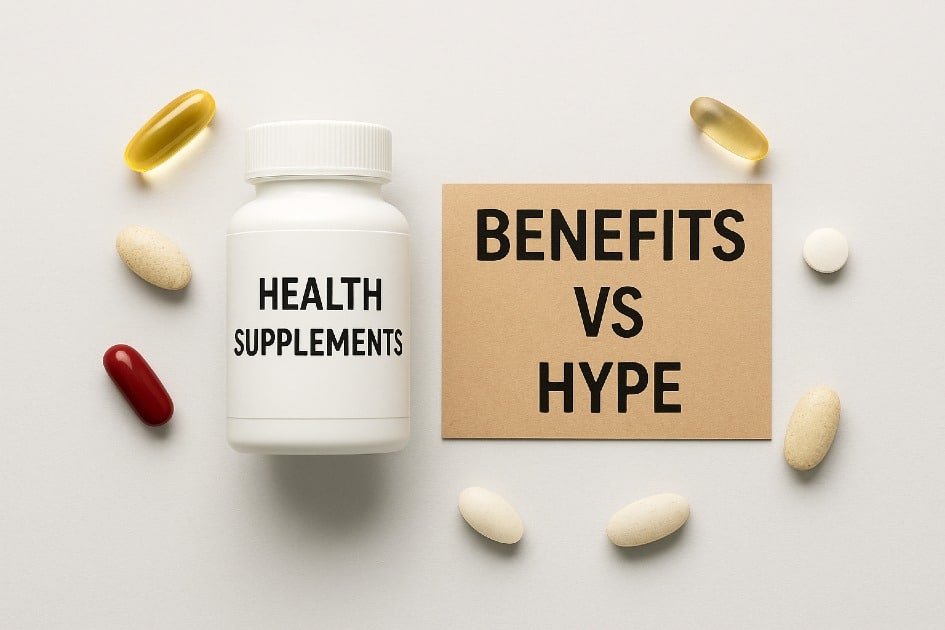
Supplements can aid in strengthening the body and enhancing fitness, but they should be used wisely and as a complement to healthy lifestyle choices, rather than viewed as essential or hyped necessities.
The role of supplements in daily health
Why it matters:
You may find it challenging to fulfill daily nutritional requirements solely through diet, leading to nutritional deficiencies that can impede muscle growth, delay recovery, and decrease energy levels.
How to do it:
- Check your diet to see if you get enough protein, vitamins, and minerals every day.
- Low vitamin D or omega-3 levels can weaken muscles and harm joints.
- Take supplements to fill nutrient gaps instead of replacing real foods.
I keep a food diary for a week to see exactly where supplements could boost my daily lifestyle choices and help me reach my health goals.
Muscle gains with protein power
Why it matters:
Adequate protein is crucial for muscle repair and strength development, yet many find it challenging to obtain sufficient protein from food alone.
How to do it:
- Opt for top-quality protein powders such as whey, pea, or soy to fuel your muscles and boost energy.
- Add protein to your meals after a workout to help your muscles recover faster.
- A shake helps you reach your daily nutrition goals on busy days without adding extra meals.
I always drink a protein shake with some whole-grain carbs after my workout to boost my energy and help my muscles recover faster.
Powerful strength with safe creatine
Why it matters:
Creatine is a well-researched supplement that helps increase strength, stamina, and performance during intense workouts.
How to do it:
- Use 3 to 5 grams each day and take it right after your workout to absorb it best.
- Drink plenty of water because creatine draws water into your muscles, helping them grow while keeping your body balanced.
- You can take it daily for best results or use it in cycles if you prefer.
I track my progress in small steps and usually see real gains in just 4 to 6 weeks.
Omega-3s boost joint health and speed recovery
Why it matters:
Omega-3s are beneficial for reducing inflammation, protecting joints, and promoting cardiovascular health, which is essential for those engaged in strength and fitness activities.
How to do it:
- Add fatty fish such as salmon or mackerel to your meals or take a top-quality fish oil supplement.
- Take 1 to 2 grams of EPA and DHA each day to support heart and brain health.
- Eat anti-inflammatory foods like leafy greens and nuts while keeping a balanced lifestyle choice.
I make steady daily lifestyle choices because small, consistent steps heal my body better than taking enormous amounts at once.
Complete your nutrition with multivitamins
Why it matters:
Even a nutrient-dense diet can still be deficient in specific micronutrients, which may impact energy levels, mood, and muscle performance.
How to do it:
- Take a multivitamin made for adults who stay active.
- Eat it with food to help your body absorb it better.
- Pay attention to nutrients people often lack like vitamin D, magnesium, B12, and zinc.
I take multivitamins like an insurance policy. They protect my body, even if they do not fix everything.
Supplements to approach with caution
Why it matters:
Trending supplements do not always help. Some can waste your money or even harm your health.
How to do it:
- Skip strong pre-workouts if caffeine upsets you.
- Avoid unproven “miracle” products that promise fast results.
I try one new supplement at a time so I can see how it affects me and avoid mixing too many at once.
Smart supplements for everyday health
Why it matters:
Supplements help, but real strength grows from regular exercise, healthy food, and good sleep.
How to do it:
- Supplements are only part of the equation. True strength comes from consistent exercise, proper nutrition, and quality sleep
- Monitor your progress to find out which supplements truly boost your performance and recovery.
- Check your plan often because your needs shift as you age, move more, or eat differently.
I rely on supplements to support my fitness, but I never let them replace healthy habits and real food.
Mindset shifts for lifelong fitness
True fitness encompasses more than just physical activities and diet; it fundamentally begins with the right mindset, which can lead to sustainable lifelong health choices.
Embrace progress, not perfection
Why it matters:
Many quit their fitness journey chasing perfection. Waiting to be “ready” or aiming for an impossible ideal causes’ frustration. Focusing on progress lets small wins add up and keeps your healthy habits lasting.
How to do it:
- Take pride in small wins such as lifting five more pounds or walking five hundred extra steps.
- Focus on measuring your strength, stamina, and flexibility instead of only how you look.
- Set weekly fitness goals you can reach and change them as you get stronger.
Cultivate patience and long-term thinking
Why it matters:
Building muscle, stamina, and lasting health takes time. Rushing can cause injuries or make you quit. Choosing steady, long-term habits grows strength that lasts a lifetime.
How to do it:
- Set goals in 3- or 6-month steps instead of expecting instant results.
- Stick to your workouts and keep moving, even if the session is short.
- Track your goals with a fitness journal or vision board to stay focused on your long-term success.
- Accept plateaus as part of the journey, using them as opportunities to refine your approach.
Turning setbacks into growth moments
Why it matters:
Setbacks in fitness, such as missed workouts or injuries, are unavoidable. Your perspective on these setbacks influences your lifestyle choices. Seeing them as learning opportunities helps maintain motivation and diminishes self-criticism.
How to do it:
- Figure out why the setback happened and make a simple plan to avoid it in the future.
- Change your routine instead of giving up.
- Treat yourself with kindness like you would a good friend.
- Track your challenges and how you solve them in a lesson learned log.
Focus on what you can control
Why it matters:
Stress and a busy life can stop you from reaching fitness goals. Focus on what you control—your effort, lifestyle choices, and attitude—to stay strong and avoid frustration.
How to do it:
- Focus on getting enough sleep, eating well, and staying active every day.
- Try mini habits like doing ten push-ups, taking a short walk, or eating a balanced snack.
- Stop measuring your progress by what you see on social media or in the gym.
- Organize your week in advance to save time and stay consistent.
Developing a growth mindset
Why it matters:
When you believe your skills can grow with effort, you face fitness challenges as chances to improve. A growth mindset helps you stay flexible, strong, and committed to a healthy lifestyle choice.
How to do it:
- Keep discovering fresh exercises, skills, and healthy eating habits to stay stronger and sharper.
- Face challenges head-on and grow stronger from them.
- Switch “I can’t do this” to “I will get better with practice.”
- Ask trainers, peers, or fitness groups for feedback to improve your workouts.
Build intrinsic motivation
Why it matters:
Internal motivation is crucial for sustaining lifestyle choices, as external rewards such as compliments or short-term results eventually diminish.
How to do it:
- Pinpoint what makes fitness important for you—more energy, longer life, stronger muscles, or a sharper mind.
- Focus on your own wins and enjoy them without needing others to approve.
- Choose activities you love to stay consistent and motivated.
- Notice each week how exercise lifts your energy and mood.
Prioritize self-compassion
Why it matters:
Fitness progress is not a straightforward path; harsh self-judgment can hinder advancement and may result in abandonment of goals. Practicing self-compassion supports sustaining lifestyle choices and enhances resilience.
How to do it:
- Give yourself grace when you skip a workout or stray from your diet.
- Turn negative thoughts into affirmations such as “I focus on growing every day.”
- Keep your attention on effort and persistence instead of only results.
- Join uplifting people and fitness groups that motivate you every day.
Mindfulness strengthens every workout
Why it matters:
Being present during exercise and daily routines improves performance, lowers stress, and reinforces the mind-body connection. Mindful choices transform lifestyle choices from routine to purposeful.
How to do it:
- Focus on your breathing while exercising to boost energy, improve endurance, and stay fully aware of your movements.
- Focus on your muscles and proper form instead of speeding through each rep.
- Practice meditation or keep a journal to see your growth and sharpen your mind.
- Notice what emotions affect your workouts and adjust your habits to stay on track.
Recap: Stronger Health, Smarter Living
Embracing a lifestyle focused on strength, fitness, and well-being leads to enhanced vitality and confidence. Engaging thoughtfully with your environment can accelerate progress.
According to Harvard Health, stronger health and smarter living are interconnected; intentional movement, eating, and resting contribute to a longer, more vibrant life.
Slight changes, such as prioritizing sleep, managing stress, and staying hydrated, create significant cumulative effects on endurance, focus, and resilience.
Consistency in these lifestyle choices reinforces positive habits, and while challenges may arise, the resulting rewards, including stamina and confidence, justify the effort.
Remember, achieving a healthier lifestyle is a journey of purposeful choices, learning from setbacks, and celebrating even minor victories. Each deliberate decision is crucial in transforming your life for the better.
Frequently Asked Questions
How often should I exercise to see real strength gain?
The frequency of workouts should align with one’s lifestyle and fitness goals, with 3–5 days of structured training recommended, including resistance and cardiovascular exercises.
Incorporating rest days is essential to prevent overtraining. Utilizing quality resistance bands or home gym equipment can enhance the efficiency of shorter workout sessions.
Can I gain strength without lifting heavy weights?
Strength training involves more than just heavy lifting; it includes progressive overload and muscular engagement through bodyweight exercises, functional movements, and resistance bands.
This method is sustainable, especially for individuals with joint issues or limited access to gyms.
What is the best diet to support muscle growth and recovery?
Nutrition is essential for strength, emphasizing a mix of high-quality proteins, complex carbohydrates, and healthy fats.
Including antioxidant-rich foods such as berries and leafy greens can help mitigate exercise-induced oxidative stress.
Additionally, supplements like whey or plant-based protein powders may enhance meal convenience and aid in recovery.
How can the right amount of sleep help your body heal faster and stay strong?
Sleep is essential for muscle repair and performance, with adults needing 7–9 hours of deep, uninterrupted rest.
Consistent bedtimes reduce screen time before sleep, and a cool, dark environment enhances strength gains.
Are supplements necessary to improve strength?
Supplements should complement, not replace, a balanced diet and can be strategically used for specific goals.
Creatine, omega-3 fatty acids, and BCAAs can support recovery, endurance, and muscle synthesis. Prioritize whole foods and consult a healthcare professional before incorporating supplements.
How can you keep your energy high on days when your goals feel far away?
To maintain enthusiasm in lifestyle choices, consistency is essential. This can be achieved by tracking workouts, celebrating small victories, and varying exercise routines.
Additionally, partnering with a workout friend or joining online fitness communities enhances accountability and momentum.
Can stress affect my strength and fitness goals?
Chronic stress raises cortisol levels, negatively affecting muscle recovery and energy.
Incorporating mindfulness, meditation, or stress-relief techniques into daily life can improve performance and mental resilience.
What are simple lifestyle choices that have the biggest impact on fitness?
Consistent small lifestyle choices, such as prioritizing sleep, eating nutrient-dense foods, staying hydrated, maintaining mobility routines, and exercising regularly, lead to significant long-term benefits in strength and vitality.
How do I balance fitness with a busy lifestyle?
Time management significantly influences lifestyle choices. Incorporating short, high-intensity workouts, meal prep, and scheduled breaks into the workday can facilitate the integration of fitness.
Additionally, using portable fitness equipment can enhance home or office exercise sessions.
Is it possible to maintain strength as I age?
Maintaining strength and mobility at any age is achievable through resistance training, functional movements, and joint-friendly exercises, combined with anti-inflammatory nutrition and regular cardiovascular activity to preserve muscular health and vitality.