
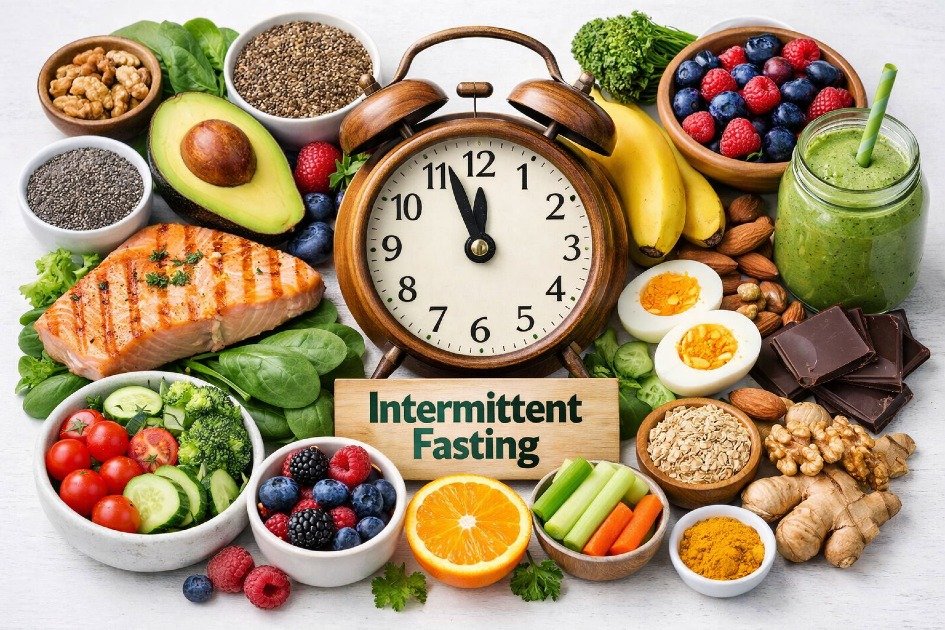

Have you ever wondered why some people glide through intermittent fasting effortlessly while others struggle with fatigue, cravings, and energy crashes?
The effectiveness of intermittent fasting depends not only on the fasting schedule but also on the strategic selection of foods consumed during eating windows.
According to Harvard Health, intermittent fasting focuses on nutrient-dense whole foods—such as whole grains, fruits, vegetables, lean proteins, nuts, and legumes—supports health and fasting goals.
Nutrient-dense foods help your body stay energized, keep your mind sharp, and protect your muscles as you age.
This guide shows how smart food choices can turn intermittent fasting into a healthy, long-term habit that supports energy, balance, and overall well-being.
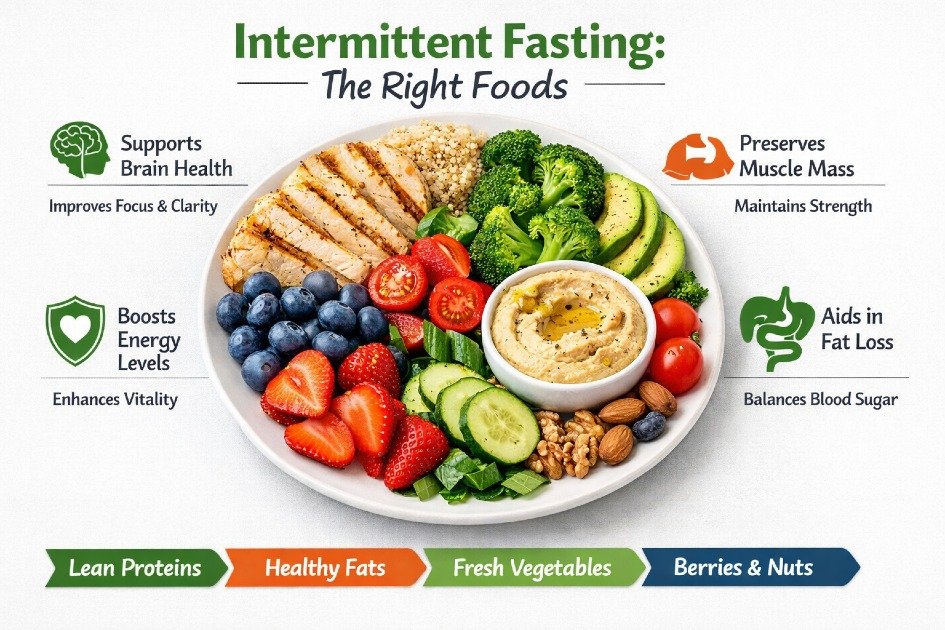
Can eating smart make fasting easier?
Intermittent fasting works best when you choose food wisely and eat at the right times. Proper food choices keep your energy steady, help you focus, and make results more consistent.
What foods fuel your body the right way?
Intermittent fasting can leave you feeling drained in the afternoon when sugary snacks and white carbs make your blood sugar jump. This spike can bring tiredness, irritability, and cravings that make it hard to focus and stay productive.
Focus on foods packed with protein, fiber, and healthy fats like eggs, greens, salmon, nuts, and avocados to keep your energy steady. Combine them with slow-digesting carbs such as quinoa or sweet potatoes to stay fueled longer without spiking blood sugar.
I discovered that breaking my fast with eggs, avocado, and a bit of chia seeds changed my energy completely. Adding a handful of organic nuts kept me fueled longer. Afternoons stopped feeling like a drag, and fasting became easy and natural.
How do healthy foods keep you full while fasting?
Persistent hunger can make intermittent fasting harder because it drives cravings for junk or sugary foods. This often leads to snacking on impulse or giving up fasting entirely.
Eating foods rich in fiber, protein, and healthy fats keeps you full and curbs hunger while fasting. Having small, balanced meals before fasting gives your body steady energy and keeps you nourished.
I used to get hungry during my first month of intermittent fasting. Then I tried meals with lentils, spinach, avocado, and a little wild salmon before my fast. I stayed full longer and could focus on work without thinking about food.
What meals make intermittent fasting work better?
Intermittent fasting can help shed pounds quickly but choosing the wrong foods may lead to weak muscles, missing nutrients, and slower metabolism over time.
Eat foods that fuel your cells and metabolism, such as colorful vegetables, berries, fatty fish, and fermented foods. These nutrient-packed choices help your body burn fat, strengthen immunity, and stay energized, especially during fasting.
I built a daily mix of foods that keep my intermittent fasting strong. Wild blueberries, chia seeds, and fermented veggies power my meals. They boost my energy, clear my mind, and help me stay active all day.
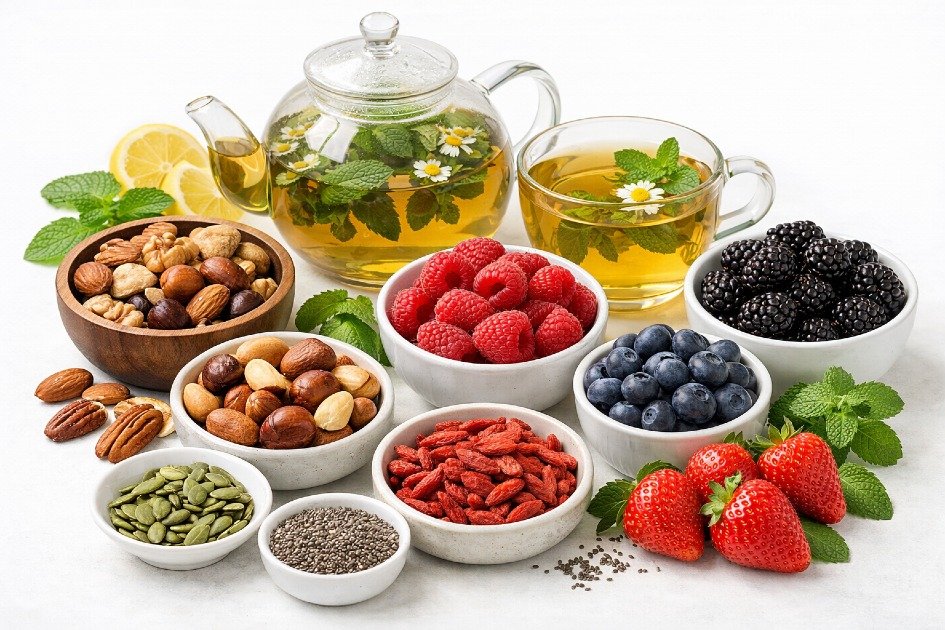
What foods give energy while you fast?
When energy drops while fasting, staying focused can be hard. Simple tricks can keep your mind sharp and your energy steady. Certain foods or tiny amounts left from earlier meals can boost vitality without ending your fast.
Can electrolytes stop fatigue during fasting?
Intermittent fasting can lower key electrolytes like magnesium, potassium, and sodium, making you feel tired, dizzy, or having headaches. Beginners may misunderstand these signs of hunger and eating, breaking their fast without realizing the real cause.
Drinking mineral water or water with a pinch of Himalayan salt helps keep your energy steady while fasting. Taking magnesium or potassium can ease muscle cramps and sharpen focus, giving a natural energy lift without affecting blood sugar.
I began stirring a tiny pinch of pink Himalayan salt into my water during fasting and felt an immediate boost. My afternoon tiredness disappeared, and I stayed sharp until my next meal. When I wanted an extra lift, I tried electrolyte powders for longer fasting stretches.
What drinks boost focus while you fast?
Drinking black coffee can boost focus and energy, but adding sugar or cream breaks a fast and can lead to sudden crashes, slowing metabolism more than expected.
Drinking plain black coffee, green tea, or herbal tea can sharpen your mind, help burn fat, and curb hunger while keeping fasting benefits. A morning cup wakes up your metabolism, and an afternoon tea keeps energy steady.
I start my mid-morning with black coffee and a little MCT oil. It keeps my energy steady and clears my mind, perfect for writing or exercise while fasting.
Do healthy fats power you through long fasts?
Fasting can make you feel hungry because your body runs out of lasting energy. Eating lots of carbs causes quick sugar spikes that drop fast. Without healthy fats for fuel, staying alert and active becomes hard.
Eating healthy fats like avocado, nuts, or coconut oil before fasting fuels your body with lasting energy, eases hunger and keeps your mind sharp.
Before my 16-hour fast, I eat a small scoop of almond butter with breakfast. It keeps me energized and helps my body switch to fat-burning smoothly, making fasting feel easy and natural.
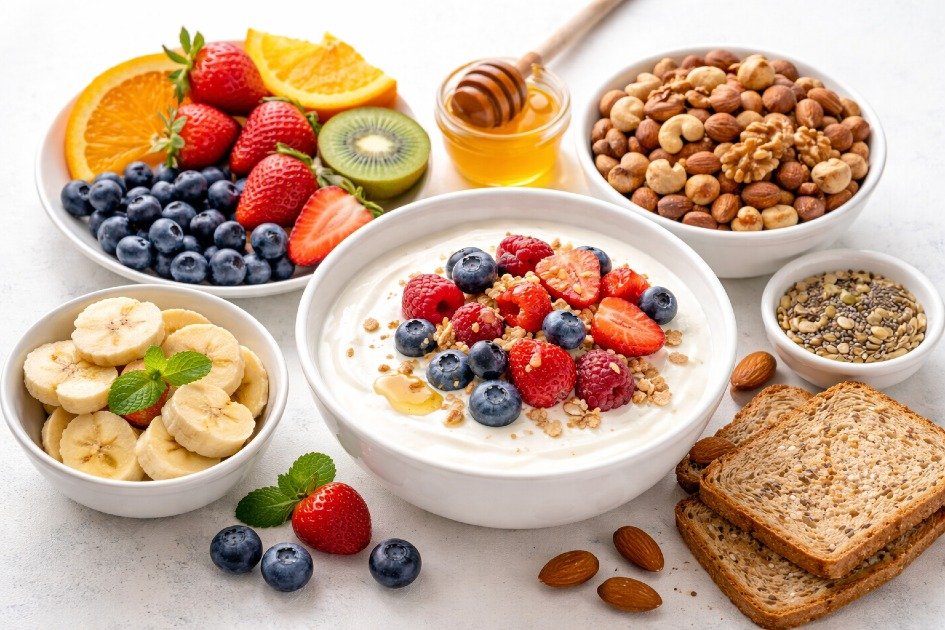
What foods help your body recover fast?
Breaking fast affects your energy, digestion, and the effectiveness of intermittent fasting. Choosing the wrong foods can leave you tired, bloated, and cause blood sugar to swing. Picking the right foods helps your body absorb nutrients and feel energized.
Which meals fuel you and guard your stomach?
Eating heavy or processed foods right after fasting can upset your stomach and make you feel tired because your digestion is more sensitive than usual.
Eat gentle, nourishing foods like soft fruits, steamed veggies, and light soups after fasting to help your body recover, restore energy, and support digestion.
When I tried intermittent fasting, I began with probiotic yogurt and a few blueberries. I stayed energized for hours, my stomach felt calm, and my mind stayed sharp. These simple foods made fasting easy while still giving my body what it needed.
Which protein and fats power your post-fast meals?
Eating a lot of carbs after fasting can make your blood sugar jump and then drop, leaving you tired. You get more from intermittent fasting when your first meal is balanced and keeps you energized.
Include protein and healthy fats like eggs, fish, nuts, and avocado in meals to keep energy stable and aid recovery after fasting.
I started eating grass-fed eggs with avocado and felt full and energized for hours. The mix kept me focused and made my fasting schedule easier to follow while still feeling like a treat.
What carbs keep you energized all day?
Breaking a fast with sweets or sugary drinks can spike your energy quickly, then drop it just as fast, leaving you craving more and undoing some benefits of intermittent fasting.
Pair carbs like quinoa, sweet potatoes, and beans with protein or healthy fats to release energy slowly and keep blood sugar steady.
I still recall swapping my usual post-fast bagel for a warm bowl of steel-cut oats with chia seeds. Eating this way made my fasting routine easier, my mornings more comfortable, and there was no afternoon slump.
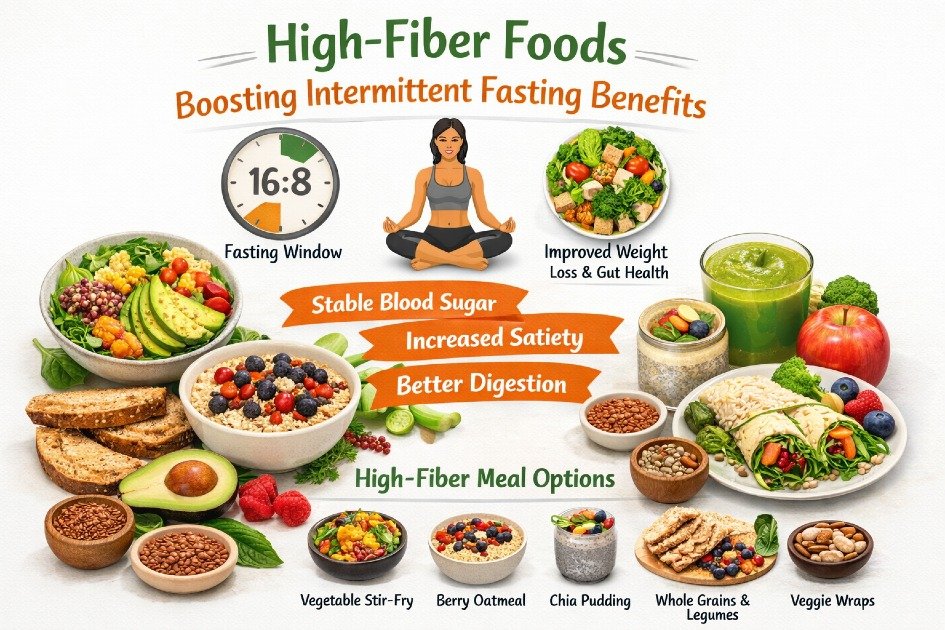
How can fiber keep you full during fasts?
Fasting can feel difficult when hunger hits, but fiber-rich foods help steady energy, curb cravings, and keep the body feeling strong through the day.
Why does fiber keep hunger at bay during fasting?
Some people give in to mid-morning or afternoon cravings due to hunger and end their fast too soon. This weakens consistency and reduces the real benefits of fasting.
Eating foods like chia seeds, flaxseeds, and lentils before a fast helps your body feel better for longer. These foods slow digestion, keep blood sugar steady, and reduce sudden hunger. When you eat them with healthy fats or protein, your energy stays balanced and fasting feels easier.
When I began intermittent fasting, I added psyllium husk powder in my evening smoothie. The fiber boost kept me fuller and stopped wanting sweet snacks. Drinking more water with it helped even more.
Can fiber make digestive health stronger?
Bloating and stomach discomfort can make intermittent fasting difficult, especially when you eat too little fiber. Low fiber slows digestion and can cause irregular stools, leaving you feeling heavy and uncomfortable instead of energized.
Soluble fiber in oats, beans, and artichokes feeds good gut bacteria. As it breaks down, it creates natural compounds that help the bowels move with ease. This supports comfortable digestion during fasting and helps prevent bloating, cramps, or heavy feeling.
I added organic steel-cut oats and roasted chickpeas to my final meal before my 16:8 fasting window. I found it easier to keep my fast without discomfort.
Can fiber speed up your metabolism during fasts?
Intermittent fasting can help the body manage blood sugar and burn fat more efficiently. However, when meals lack fiber or key nutrients, energy drops and blood sugar swings increase, making fasting difficult to maintain.
Eating more vegetables, fruits, and beans helps keep blood sugar steady after meals. This makes insulin work better and helps the body ease into fasting without strong hunger or energy crashes. These foods help the body burn fat more smoothly and get more benefits from intermittent fasting.
I add leafy greens like kale and spinach to my meals after workouts. The mix of fasting and fiber kept my energy, helped trim my waist, and made me feel stronger and more alive.
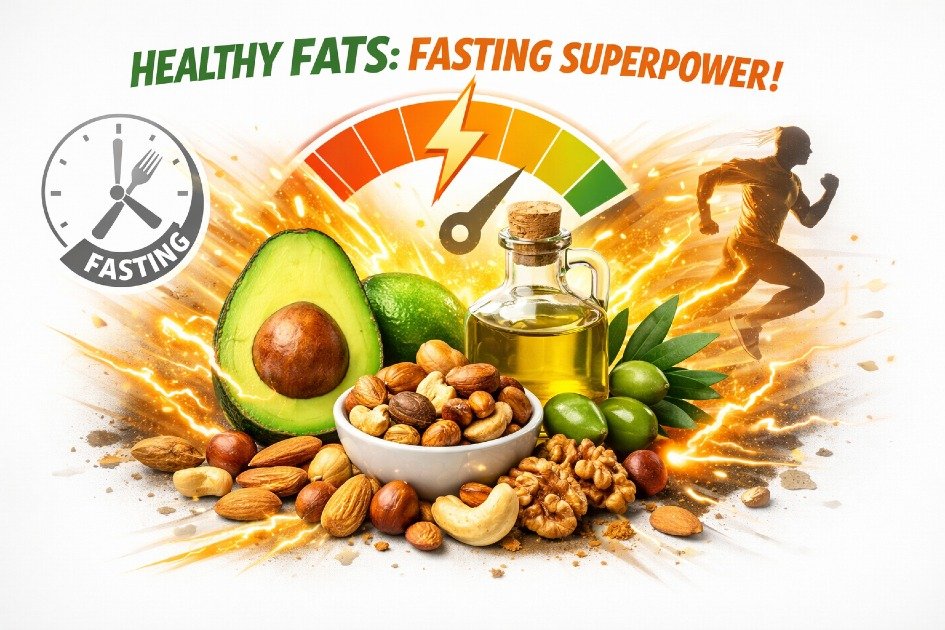
Are healthy fats your fasting superpower?
Healthy fats boost intermittent fasting by keeping your energy steady, sharpening your mind, and curbing hunger while you fast.
How do fats power your fast longer?
Intermittent fasting can make you feel very hungry while you wait for your next meal. This hunger can hinder adherence and lead to overeating after the fasting window closes.
Eating healthy fats such as avocados, almonds, macadamia nuts, and olive oil before a fast helps you feel full longer and supports digestion by triggering your body’s natural fullness signals.
I began putting a spoonful of MCT oil in my morning smoothie before my 16-hour fast. Adding a few raw almonds, and I stopped reaching for snacks mid-morning.
Do good fats sharpen your mind during fasts?
Intermittent fasting may make your mind cloudy, leave you irritable, and make it difficult to focus, especially in the first few days when your brain lacks enough energy.
Coconut oil contains healthy fats called MCTs that turn quickly into ketones, giving your brain quick, clean energy that boosts focus, creativity, and mental clarity while you fast.
I started adding coconut MCT powder to my morning coffee and felt awake almost instantly. My usual morning slump disappeared, and chores during fasting felt easier.
Which fats boost energy and preserve muscle?
Extended fasting can make your muscles weak if you do not get enough protein and nutrients. Healthy fats keep your energy steady and help your body repair cells and keep hormones working properly.
Focus on healthy fats from salmon, walnuts, chia, and flax to keep stress hormones and blood sugar steady, lower inflammation, and protect muscle while doing intermittent fasting. Pair these fats with some protein after your fast to help your body recover and burn energy better.
After I started adding wild salmon and a handful of chia seeds to my dinners, my body recovered faster, my appetite stayed steady, my workouts got easier, and my mood lifted noticeably.
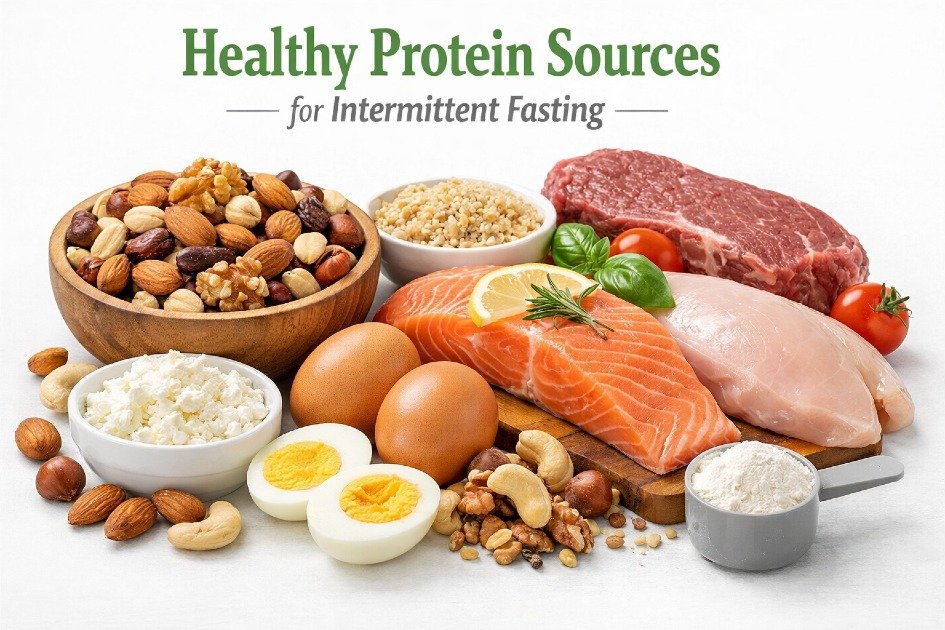
Which proteins boost your fasting?
Eating the right protein during intermittent fasting helps keep energy up, stops muscles from breaking down, and keeps hunger in check.
Which proteins build muscle without raising insulin?
Intermittent fasting can shrink muscles when the body does not get enough protein. Without fuel, it turns to muscle for energy, making you weaker and slowing recovery.
Lean proteins like chicken, turkey, and white fish build muscles without adding extra fat or carbs. Healthy fats from olive oil help keep blood sugar steady by supporting your fasting goals.
I stick to organic chicken breast and wild-caught cod for my meals after fasting to boosted my strength in workouts.
What plant foods power your body longer?
Vegetarian and vegan meals can miss some key proteins your body needs. When fasting, not getting enough protein may leave you tired, foggy, and slow to recover.
Eating plant proteins such as lentils, quinoa, chickpeas, and edamame with grains gives your body all the amino acids it needs.
I get a steady morning energy and clear focus from eating sprouted lentils and organic quinoa.
How proteins control hunger and burn fat?
Intermittent fasting can increase hunger, potentially causing overeating or unhealthy food choices, which may hinder fat loss and complicate adherence to the plan.
High-protein foods such as eggs, Greek yogurt, and cottage cheese help you feel full and build muscle because they are rich in leucine. Eating them after fasting can curb hunger and boost your metabolism naturally.
I eat free-range eggs and Greek yogurt after fasting, my fat melts steadily, and I feel strong all day.
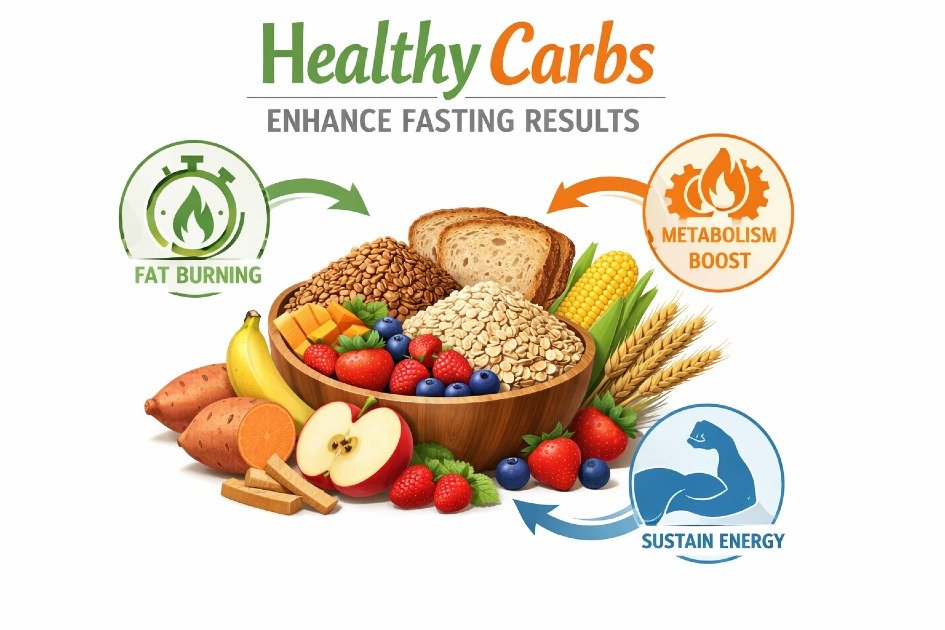
Can certain carbs enhance your fasting?
Some carbs help with intermittent fasting while others do not. Smart carb choices give steady energy, support metabolism, and keep hunger away so fasting feels easier and more balanced.
Which carbs fuel your body without spiking sugar?
Eating the wrong carbs can quickly raise blood sugar, lead to tiredness, and strong cravings. As a result, sticking to a fasting routine becomes difficult. Sugary foods and refined grains often work against fasting goals instead of supporting them.
Slow carbs like steel-cut oats, quinoa, and sweet potatoes release sugar little by little. When you eat them with protein and healthy fats, they help balance blood sugar.
When I opened my eating window with a small bowl of steel-cut oats and chia seeds, my energy stayed steady through the afternoon, and I stopped craving junk snacks. Choosing the right carbs matters more than cutting them out.
Can fiber-rich carbs reduce hunger during fasting?
Staying full during intermittent fasting feels hard when you eat low-fiber foods like white bread and pastries, which fill you up fast but leave you hungry again and reach for snacks too soon.
Eating fiber-rich carbs like lentils, barley, and leafy greens helps food move more slowly through the body and supports a healthy gut. Soluble fiber keeps blood sugar steady making it easier to stick to your eating plan.
I tried eating cooked lentils or roasted chickpeas before my fasting time and I felt less hungry.
What carbs boost recovery and strength post-fast?
Fasting too long can drain your energy and weaken muscles because the body runs out of stored fuel. When you also eat too few carbs, your body struggles to recover, making workouts difficult and reducing the benefits of intermittent fasting.
After a fast, choose complex carbs like brown rice or sprouted grains to refill energy and help muscles heal. When you eat them with lean protein, your body recovers faster and builds strength. This smart balance of carbs, protein, and healthy fats supports lean muscle.
After my morning fast, I ate brown rice with grilled salmon and avocado as my first meal. Keeping my energy and building my muscles strong during workouts.
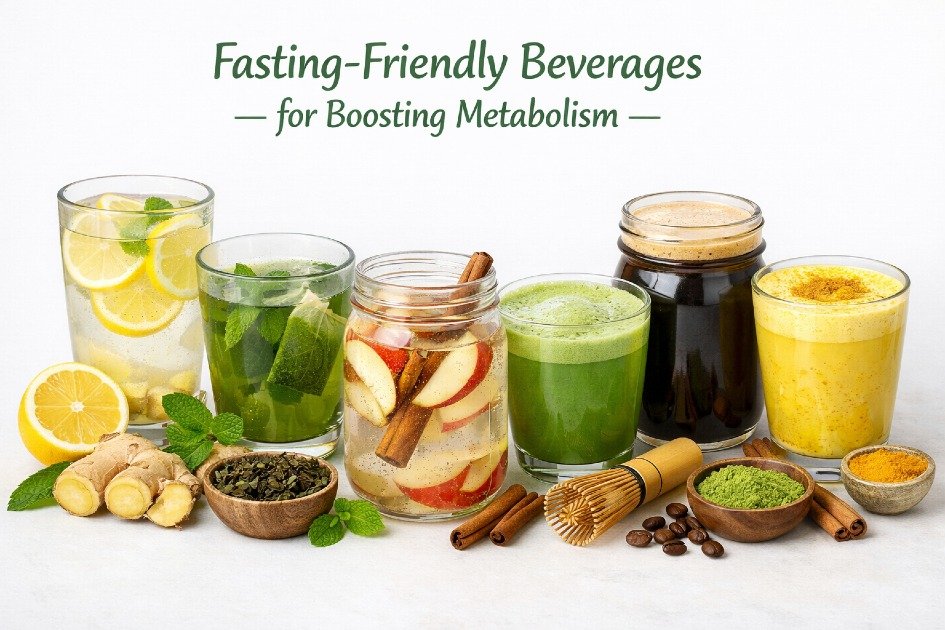
Drinks and beverages power that your fasting
During intermittent fasting, staying hydrated helps you feel alert and steady. Choosing the right drinks can ease hunger, support focus, and make fasting easier on your body.
How do drinks affect your fasted energy?
Intermittent fasting can make you feel tired in the morning or afternoon, leading you to grab sweets or energy drinks that stop your fast and slow your results.
Drinking plain coffee or tea can help your body burn more energy and sharpen your mind. Coffee gives a lift with its natural compounds, while green tea supports focus and fat burning. Picking organic, lightly processed options keeps your drink clean and free from extra sugars or chemicals.
I start my fasting mornings with a warm cup of black coffee or green tea to stay focus within my fasting window.
Are electrolyte and mineral drinks worth hype?
Extended fasting can leave you feeling dizzy, give you headaches, or make your muscles cramp because drinking only water may not provide enough sodium, potassium, and magnesium for your body to work well.
Try low-calorie electrolyte drinks to keep your minerals balanced without spiking insulin. Pick foods and drinks made without added sugar, artificial sweeteners or heavy citric acid.
You can also make your own by mixing a pinch of sea salt, fresh lemon juice, and filtered water for a simple, healthy boost.
I drink electrolyte powders or mineral water during extended fasting. They keep my muscles from cramping, so I can fast without feeling weak or tempted to snack.
Will broth or herbs make fasting easier?
Some people may feel stomach upset or slower digestion when breaking or extending fasts. Drinking only liquid meals can help, but it needs careful thought because it can affect the body in separate ways.
Unsalted bone broth is rich in amino acids and minerals that nourish the gut while staying low in calories, making it perfect for fasting. Herbal teas like ginger, peppermint, and chamomile can calm hunger, ease digestion, and support metabolism without spiking insulin.
I love sipping a warm cup of organic bone broth and a calming herbal tea to make the moment feel peaceful and restorative when fasting for longer periods.
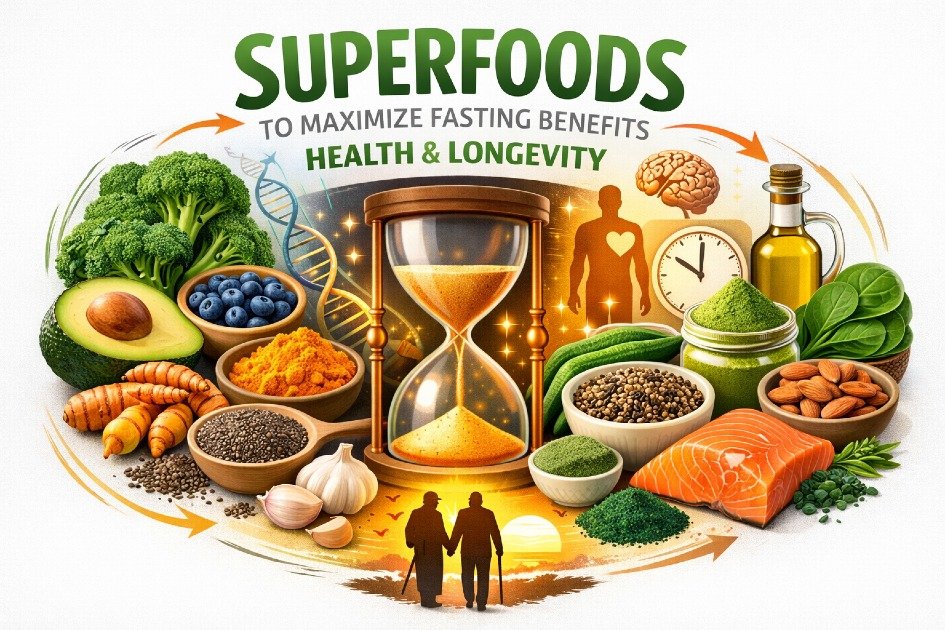
How to maximize your fasting benefits?
Intermittent fasting works best when you eat at the right times, and including nutrient-packed superfoods can make it even more effective.
Which superfoods stop hunger fast?
Hunger causes people to grab sugary or fatty snacks that weaken intermittent fasting benefits, thus upsetting the body’s balance.
Eating superfoods like chia, flax, and almonds keeps your blood sugar in check. Adding healthy fats like avocado or coconut oil can curb hunger and boost energy while fasting.
I started stirring a spoon of chia seeds into my morning smoothie after fasting it kept my mind clear all morning.
Can antioxidants make fasting work better?
Intermittent fasting helps the body clear out toxins, but it can leave you tired as harmful molecules build up. Not eating enough detox foods can reduce the positive effects of fasting.
Eating antioxidant-packed foods such as blueberries, spinach, kale, and turmeric helps fight cell damage and supports repair while fasting.
I felt a real boost in energy and focus when I started adding blueberries and turmeric to my meals after fasting.
Can superfoods boost metabolism during fasting?
Intermittent fasting raises concerns about potential loss of lean muscle and a decrease in metabolism if not paired with proper nutrition, which can hinder the achievement of health goals.
Eating protein-packed superfoods like spirulina, hemp seeds, and quinoa with colorful vegetables and healthy fats helps your muscles recover and supports growth after fasting.
I started sprinkling hemp seeds on my salads and meals after fasting and noticed that it kept my fasting benefits on track.
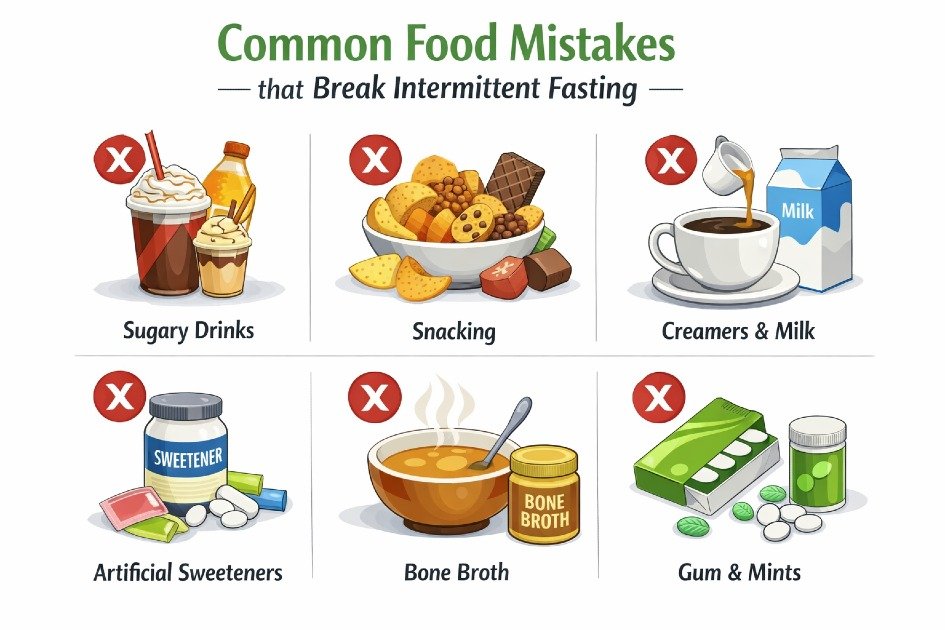
Common food mistakes that ruin fasting
Even when you stick to intermittent fasting, small food slip-ups can ruin results. Success comes from not just skipping meals but also choosing the right food and eating at the right times.
Are hidden sugars secretly sabotaging your fast?
Flavored yogurts and granola bars seem healthy, but they often hide extra sugar. This sugar can spike insulin, slow fat burning, and make you feel hungry again, disrupting the benefits of intermittent fasting.
Choose whole foods and check labels closely. Pick plain Greek yogurt or raw nuts instead of sugary snacks. When you want something sweet, eat berries or a bit of dark chocolate to keep blood sugar steady.
I noticed that my energy crashed mid-morning while fasting, then I started drinking unsweetened almond milk and adding a natural protein snack to my first meal which stopped my cravings.
Can overeating after a fast undo all your hard work?
Eating too much after a fast can upset your stomach, wipe out the calories you burned, slow weight loss, and leave you feeling tired.
After fasting, start with a small, protein-rich meal. Eat slowly and pause for 20 to 30 minutes before having more to keep blood sugar steady.
I kept messing up my meals until I tried intermittent fasting-friendly meal kits. They gave me just the right portions and balanced nutrients, so I could enjoy eating after my fast without feeling bloated or guilty.
Are processed meals sabotaging your progress?
Processed foods, even those called low-calorie or healthy, often contain hidden sugars, refined carbs, and additives. These can trigger inflammation, upset your digestion, and make your energy crash.
Build your nutritious meals around whole foods like fresh vegetables, lean protein, nuts, seeds, and grains to fuel your body and for better health. Planning your meals helps you skip processed snacks for healthy snacks such as roasted chickpeas.
When I first started fasting intermittently, I grabbed protein bars for quick fuel. I soon felt bloated and tired all the time. Then I tried natural snack packs with simple, clean ingredients, and my energy shot up.
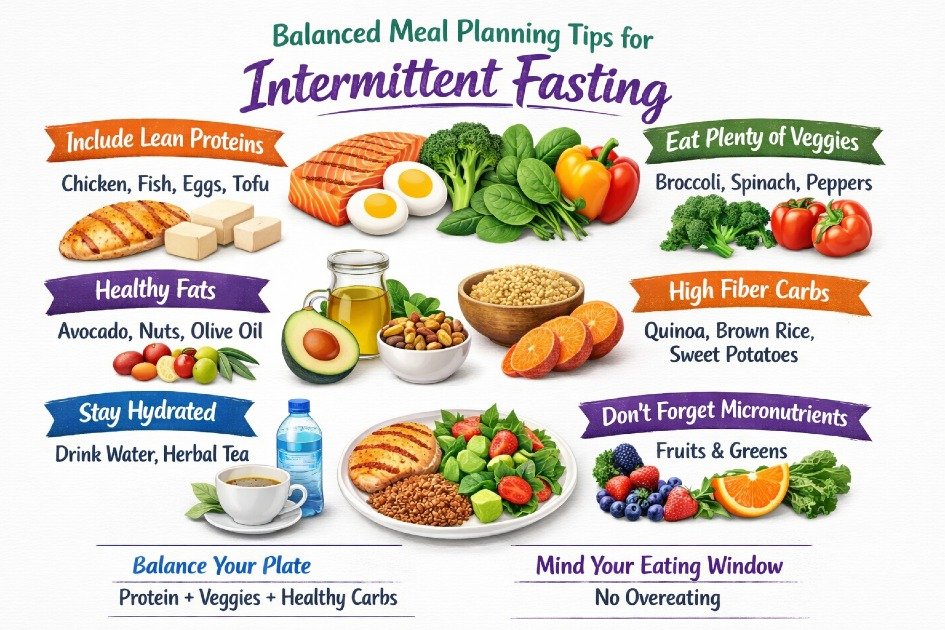
Balance nutrition in limited eating hours
Intermittent fasting focuses on smart eating instead of just skipping meals, showing how planning balanced meals helps you stay healthy and satisfied.
How do you eat to stay energized while fasting?
Some people feel tired, bloated, or extremely hungry when meals have too many carbs and not enough protein, healthy fats, or fiber because blood sugar spikes and drops, leaving energy low.
After fasting, eat a balanced meal with lean protein, whole grains, and healthy fats. Try grilled salmon with quinoa and roasted vegetables cooked in olive oil.
I love eating organic chicken with sweet potato wedges and sautéed kale because it keeps me energized for hours while I fast. The protein and fiber stop afternoon slumps, and the healthy fats make it feel like a treat instead of a strict diet.
What foods pair best to curb overeating?
Breaking a fast can make you crave a lot of food, often unhealthy choices. Giving in too easily can cause guilt, slow weight goals, and reduce the benefits of intermittent fasting.
Eat foods that fill you up by mixing healthy ingredients like avocado with eggs or Greek yogurt with chia seeds. Paying attention while you eat helps you control portions and avoid overeating.
I keep sprouted grain toast with avocado and poached eggs ready for my first meal because the healthy fats in them curb hunger after fasting hours.
What is the best meal rhythm for your energy?
Some people feel best eating early in the day, while others do better later. Eating at times that clash with your natural energy can make you tired, cranky, and unfocused.
Notice your energy highs and lows throughout the week. Eat heavy meals when you feel most alert and add small, healthy snacks like smoothies, nuts, or protein bars to keep energy steady and stay focused.
I noticed that I have the most energy in the late morning, so I made that my main mealtime, enjoying a filling quinoa salad with roasted salmon. In the afternoon, I snack on almonds and a protein bar without disturbing my fasting rhythm.
Recap: Fuel Your Fast with Smart Foods
Intermittent fasting is not just a schedule but a lifestyle that emphasizes intentional food choices to enhance vitality.
The right foods—nutrient-rich proteins, fiber-dense vegetables, healthy fats—are crucial for maximizing energy, focus, and overall well-being.
Many individuals overlook the significance of nutrition, focusing solely on timing, yet what one eats significantly impacts both fasting and feeding periods.
With disciplined food choices, the journey of intermittent fasting becomes empowering, harmonizing metabolism, reducing cravings, and making workouts easier.
Create a thriving that transforms fasting from a challenge into an exhilarating experience of self-mastery and resilience, marking a revolutionary shift in one’s lifestyle.
Frequently Asked Questions
Can I eat anything while my fasting window if it is small?
Consuming snacks during intermittent fasting can disrupt hormones and decrease fat oxidation; zero-calorie beverages and electrolyte supplements are recommended for hydration without breaking the fast.
How do I choose the best food to break my fast?
Strategic post-fasting nutrition should include foods like avocado, collagen protein powders, eggs, and leafy greens, which replenish energy, supply essential micronutrients, promote gut health, and minimize cravings, thereby enhancing the effectiveness and enjoyment of intermittent fasting.
Are snacks allowed between fasting periods?
Snacking during fasting windows may impede progress; however, flexible intermittent fasting (such as the 16:8 method) allows for protein and fiber-rich mini-meals to sustain energy.
Choices like organic nut mixes and Greek yogurt can enhance satiety without significant blood sugar spikes. Timing and portion control are vital for optimizing metabolic benefits.
How often should I adjust my diet while practicing intermittent fasting?
Your diet should adjust to your needs when practicing intermittent fasting. Rotate foods such as wild-caught fish, fermented vegetables, and whole grains to prevent deficiencies. Superfood powders may provide essential vitamins and antioxidants during this adjustment.
What are the best foods if I feel fatigued during fasting?
Fatigue during fasting may indicate inadequate electrolyte intake or poor macronutrient quality. Emphasizing foods like bone broth, leafy greens, magnesium supplements, and small nuts can restore energy without breaking the fast.
Incorporating these into post-fast meals enhances both physical and cognitive performance during intermittent fasting.
Can intermittent fasting work without careful food selection?
Intermittent fasting is effective even with less focus on food choices, but optimal results require mindful nutrition. Poor food choices can inhibit fat loss and increase cravings.
Prioritizing high-quality proteins, complex carbohydrates, and anti-inflammatory fats enhances fasting benefits, and meal planning services can support this approach.
How do I avoid overeating when breaking a fast?
Overeating after prolonged fasting can be triggered by increased hunger signals. To prevent this, start with a small, balanced meal containing protein, healthy fats, and fiber. It is also important to stay hydrated, as mild dehydration could be confused with hunger.
Utilizing portion-controlled containers can help manage meal sizes during intermittent fasting.
Are supplements necessary to complement fast meals?
Supplements can enhance nutrient intake and metabolic health, particularly during limited eating windows.
Notable supplements include multivitamins, omega-3 fatty acids, magnesium, and collagen peptides, which aid in addressing nutritional gaps while complementing the benefits of intermittent fasting.
How do I maintain mental clarity while fasting?
Cognitive sharpness is enhanced by intermittent fasting through the support of omega-3 fatty acids, antioxidants, and MCTs.
Nootropic blends may supplement extended fasting, and maintaining adequate hydration is crucial for optimal mental performance.
Can Intermittent fasting be adapted for different lifestyles?
Intermittent fasting is adaptable for different lifestyles, promoting nutrient-dense foods and hydration, while aligning fasting periods with natural circadian rhythms. Customized meal plans facilitate this adaptation.