
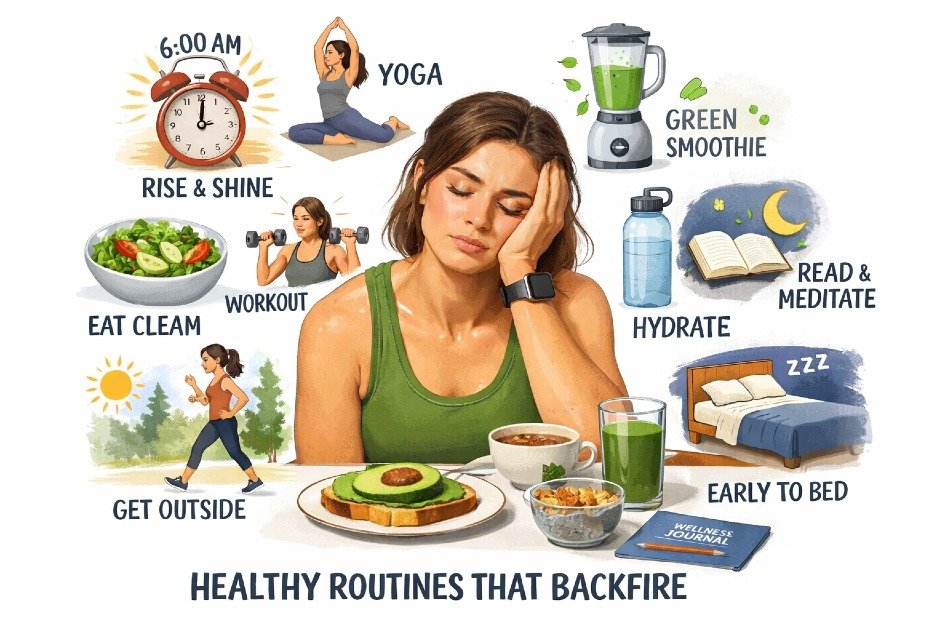

Have you ever wondered why a habit praised as healthy by experts can sometimes leave you feeling drained instead of energized?
The concept of questioning routines emphasizes that a healthy life is based on awareness and adaptability rather than extremes.
Harvard Health caution that overly restrictive diets, despite good intentions, can hinder long-term success if unsustainable, as they often cause individuals to deviate from balanced, realistic eating habits more quickly.
It highlights how habits can become counterproductive if practiced without context, leading to signals of imbalance such as fatigue, mood shifts, or diminished focus.
Recognizing these signals allows individuals to create supportive wellness systems that protect hormones and mental clarity.
This guide introduces flexibility by which individuals can shift from strict discipline to sustainable habits, fostering a responsive dialogue with their bodies that enhances energy and longevity.
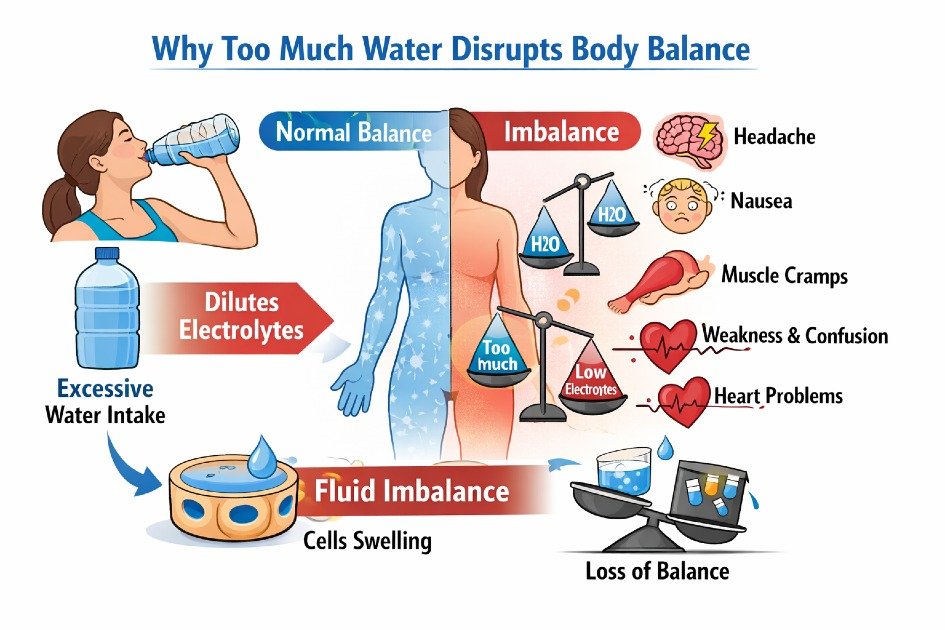
How does overhydration upset your balance?
Some people treat water as the ultimate healthy habit and sip it all day. Yet some still feel tired, foggy, or bloated, which suggests the body may be out of balance even when the habit feels right.
Why excess water hurts your mineral balance?
Drinking too much water can wash out important electrolytes, causing nerves to misfire, muscles to feel weak, and energy to drop, which can cause the body into a stressed, low-powered state.
Drink when your body feels thirsty and eat foods rich in minerals like leafy greens, natural salt, and fruit. On sweaty days, add electrolytes instead of drinking more, because the body works best when fluids stay balanced.
After long walks and workouts, I kept getting headaches even though I drank water all day. I tried an electrolyte mineral powder, and the change felt real. My mind felt clear, my body felt balanced, and my energy stayed strong.
Can drinking all day stress your kidneys?
Your kidneys control fluid levels by flushing out extra liquid before the body uses nutrients. Drinking nonstop can trigger frequent bathroom trips, interrupt sleep, and make you feel thirsty even when you keep sipping.
Sip water at steady times so your kidneys can manage fluids well. Check your urine color and how energized you feel rather than strict hydration goals. A gentle, steady rhythm supports your body better than drinking too much or too little, making healthy habits easier to keep long term.
I used to sip constantly, always reaching for a bottle. Now I drink in set windows and use a stainless steel insulated bottle. I pace myself, absorb more, and feel steady energy all day.
Can drinking extra water harm your brain and body?
Your body loses important salt that helps your nerves and muscles function when you drink excess water. This imbalance may cause lightheadedness and slow thinking. Some people mistaken these signs for stress or poor sleep, so the real problem often goes unnoticed.
Eat before you drink a lot and pair water with food. Sip warm broths, lightly salted snacks, or mineral water during activity because it keeps your nerves steady and your energy up.
When I focused on strict clean eating, I drank a lot but still felt drained. Adding mineral drops and keeping a simple hydration journal helped me listen to my body again.
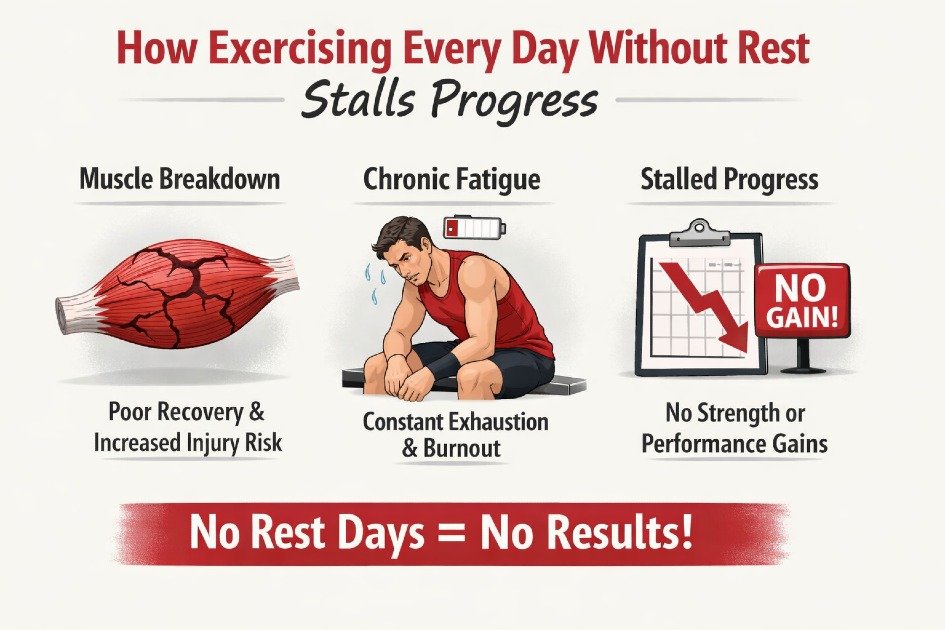
Does exercising nonstop slow your results?
Daily exercise does not always mean faster results. People who train every day can feel tired, sore, and stuck. Skipping rest can slow progress, showing that harder work does not always bring better results.
Why does exercising everyday stress your body?
Daily workouts without giving your body a break can throw your system off. Muscles do not have time to recover, hormones go out of balance, stress levels rise, and you may feel weaker and tired all the time.
Muscles grow when you rest, not when you push too hard. Taking smart rest days lets your body repair and your nervous system settle. Light movement like walking or stretching keeps blood flowing without strain.
I used to think missing a workout meant I was failing. Rest days felt strange at first, but using a foam roller, massage gun, and yoga mat made recovery feel useful. Soon, my workouts became easier, my strength grew, and my body felt healthy again.
When does fitness turn into fatigue
Continuous exertion without rest causes small muscle damage and deep fatigue. This lowers performance and can disrupt sleep and appetite. Over time, the body struggles to recover and adapt because constant strain keeps it in stress mode.
Taking one full rest day, each week lowers stress on the body and helps hormones reset. This supports better sleep, looser muscles, and stronger performance. When you reduce activity on purpose, your health improves and lasts longer.
I stopped forcing daily intensity, and my energy came back. I used magnesium, slept under a weighted blanket, and drank a hydration mix after workouts. These eased my fatigue and I now follow a healthy rhythm I can keep.
What sneaky clues show that you need a rest?
Overtraining often shows up in quiet ways. You may feel cranky, sore for days, get sick more often, or lose the drive to exercise. Ignoring these signs can lead to burnout, stalled progress, or injuries, which work against a healthy and active life.
Your body sends clear signals when you train. These clues help you spot problems early and avoid burnout. Smart training values steady progress and flexibility, not just pushing harder every time.
I tracked my workouts and recovery every day using a fitness tracker, a simple journal, and blue light blocking glasses at night. When I rested on purpose, my strength improved instead of slipping. My body felt stronger, steadier, and more reliable than when I trained nonstop.
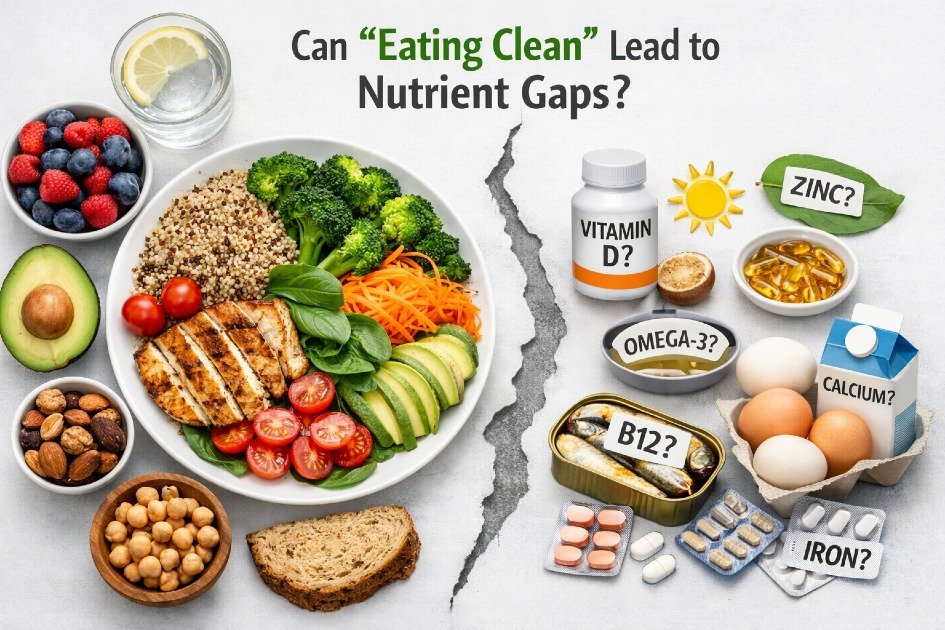
Can eating clean harm your nutrition?
Eating clean sounds healthy because it focuses on fresh foods without additives. However, if meals lack key nutrients, the body may feel tired or weak before obvious signs appear.
Are you losing vital nutrients without knowing?
A healthy diet works best when it includes balance, not extremes. Strict clean eating excludes foods like dairy, grains, beans, and animal foods. When you remove these groups, your body may miss key nutrients such as iron, B12, iodine, zinc, and healthy fats.
Check what foods you remove and replace their nutrients. Change foods each week and mix plant and animal options. Aim for healthy balance over time, not perfection.
I once eliminated dairy and grains at the same time because I thought it was the healthiest choice. My energy dropped and my blood tests later revealed that I lacked iodine and B vitamins. I added a whole-food multivitamin, trace minerals, and slowly brought in more healthy foods which boost my vitality.
What makes nutritious meals backfire on your brain?
Eating mostly low-calorie, low-fat foods can leave out important fats and enough energy. This may make your mind foggy, your sleep restless, and your body feel colder, leaving you more drained than nourished.
Focus on meals with healthy fats, whole carbs, and enough protein from foods like avocado, olive oil, eggs, root vegetables, and fermented dishes. Eating this way helps your hormones work well and keeps your body running strong, not just looking good.
During my strict salad-and-smoothie phase, I seemed fine but felt drained all the time. Adding healthy fats and an omega-3 supplement sharpened my focus in just a few weeks. I realized healthy eating feeds your brain, not just trims calories.
Can clean eating become too rigid for life?
When eating perfectly becomes strict, stress builds up. Stress hormones spike, digestion slows, and the body absorbs fewer nutrients.
Eating with balance means choosing mostly nutrient-rich foods while leaving room for treats. This helps your body work smoothly, keeps hormones steady, aids digestion, and builds healthy habits that last.
I used to carry snacks everywhere, worried I might eat the wrong thing. Learning to eat with more flexibility and taking a digestive enzyme eased my bloating and stress.
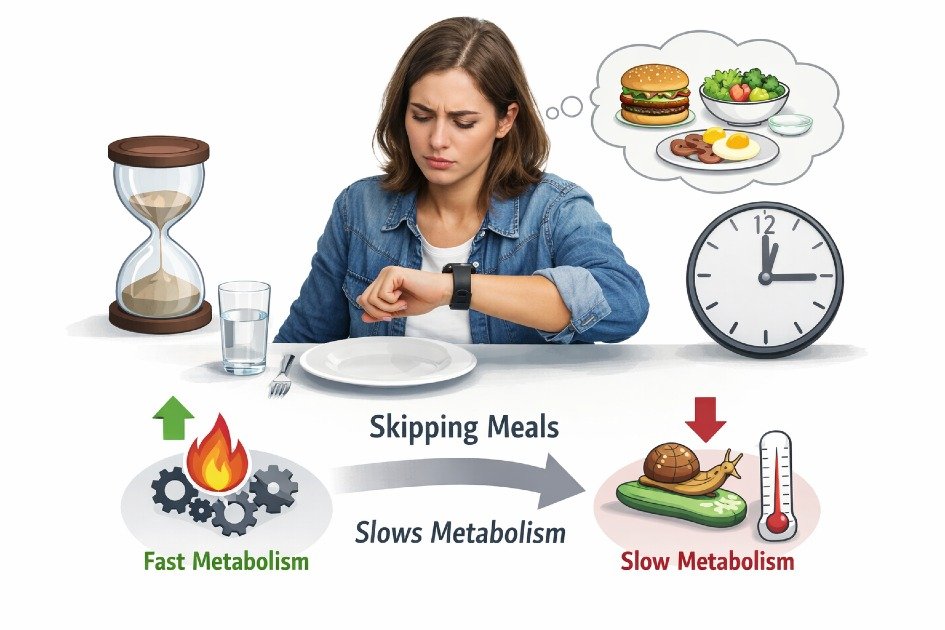
Does skipping meals hurt your metabolism?
Skipping meals may seem disciplined and healthy, but it can lead to metabolic resistance, as one would learn from experience.
Why do your body sees missed meals as danger?
Skipping meals often tricks your body into thinking food is scarce. This slows your metabolism, lowers thyroid activity, burns fewer calories at rest, and stores more fat, turning healthy eating into a survival response.
Eating regularly with enough protein and fiber keeps your body fueled and your metabolism steady. Sticking to this routine helps your body work at its best.
I used to skip meals all day, and my energy crashed while fat loss stopped. I started eating a balanced lunch with a protein shake and digestive enzymes. My body settled, my hunger stayed in check, and my metabolism finally kicked in.
Can skipping meals make you store more fat?
Eating far apart causes blood sugar to rise and fall, triggering stress hormones and making insulin work harder. Making the body to store fat when you finally eat, thus, making steady weight management harder.
Eat meals at regular times with protein, healthy fats, and slow-digesting carbs. Focus on fueling your body, not skipping food, keeping blood sugar steady and your metabolism strong.
I used to skip lunch thinking I was being productive, but by mid-afternoon I would crash and eat too much. Adding balanced meals with a glucose supplement kept my energy steady. I felt calmer, my cravings faded, and losing fat became easier and healthier.
How skipping meals drains your brain power?
The brain burns more energy than most organs. When meals are skipped, thinking slows down, focus wavers and choices feel harder. What starts as self-discipline ends up draining, therefore, tired minds can trick you into thinking you lack motivation.
Healthy meals keep your mind clear and help your thinking stay sharp. A steady routine boosts focus before you tackle tough tasks.
I started eating a wholesome breakfast with healthy fats every morning and felt my focus click into place. Work flowed easier, and staying on track with good habits felt natural instead of a struggle.

How extra sleep confuses your body clock
Sleeping too much, even nine or ten hours, can make you feel tired and slow instead of refreshed. Oversleeping can hurt your energy, mood, and healthy habits.
Why does oversleeping weigh down your body?
Your brain works less sharply, blood flow drops, muscles feel weak, and thinking becomes foggy when you oversleep. Motivation fades, making mornings harder to start.
Rise at a consistent time daily, even on weekends, to keep your body clock alert and balanced. Step outside or open your windows to get sunlight soon after rising. Move your body gently with stretches or a short walk to wake up your mind and body and keep your internal clock on track.
I used to think being in bed later than usual in the morning helped me rest. When I started tracking my mornings, I realized I felt sharper with less sleep but better timing. I added a sunrise alarm and a magnesium glycinate at night.
Does too much sleep throw off your internal rhythm?
Sleeping too much can throw off your body clock and upset key hormones that control sleep and stress, leaving you feeling sluggish, unfocused, and slightly uneasy during the day.
Treat sleep as a rhythm by going to bed when sleepy, maintaining a consistent wake-up time, and ensuring dim evenings and bright mornings to support your body’s natural cycles and promote healthy energy patterns.
I wrote a few lines before bed and used a soft blue light lamp, which helped my body relax. Sleep felt calm and planned, and my routine finally felt healthy.
Is long sleep hiding deeper fatigue in you?
Sleeping too much is not a rest but can signal low nutrients, emotional burnout, or long-term stress. When this happens, the body keeps asking for sleep but never feels restored, leading to low energy and reduced strength over time.
To manage daily stress and help your body recover, start your day with protein, get sunlight early, and add short moves like walking or stretching. These habits boost energy and healing better than staying in bed longer.
Since I felt tired, I slept more thinking that I did not have enough sleep. When I reduced stress, ate more whole foods, and used a gentle stress blend, my energy slowly came back. I learned that sleep works best when the whole body stays healthy, not when I fix sleep alone.

Can supplements replace real healthy food?
The supplement aisle promises quick energy and better health. I believed it too, until I saw that pills were slowly taking the place of real food my body truly needed.
Do supplements help or hinder your health?
Relying on pills for nutrition can trick people into thinking they replace real food. This mindset lowers meal quality, disrupts digestion, and dulls hunger signals. When people skip whole food, healthy eating habits suffer and the body misses true nourishment.
Use pills only to support a healthy diet built on whole foods like fruits, vegetables, whole grains, lean protein, and natural fats. Whole Foods help your body work better and stay balanced over time.
I felt tired even though I took many pills each day. When I cut back and focused on real meals, my energy improved. I now keep a simple multivitamin as support and a plant-based omega when not having a healthy meal.
Can supplements deliver the power of whole foods?
A complete meal works as a team inside the body delivering vitamins along with enzymes, plant compounds, and helpers that improve absorption, while pills cannot copy that natural balance. Supplements often pass through the body with little benefit and can stress organs like the liver.
Rotate your food each week and eat what is in season to get more natural nutrients, rely less on artificial products, and help your body stay strong through healthy variety.
I switched from protein shakes to real lunches, and my digestion felt healthier. I still use greens powder when I travel, but only as a short-term help.
Can too many supplements create new health issues?
Taking too many supplements can upset your body’s balance turning a healthy habit into health risk. It may lead to stomach trouble or too much nutrient, especially with fat-based vitamins that stay in the body longer.
Review your supplements every three months by asking yourself what problem it helps you solve right now. If the answer feels unclear, stop taking it. Use blood tests, expert advice, and careful self-checks to avoid doing too much.
I once took magnesium, zinc, and iron together without checking my needs and my stomach felt bloated. I stopped taking them and used only the mineral I needed. My body felt clear, calm, and balanced again.
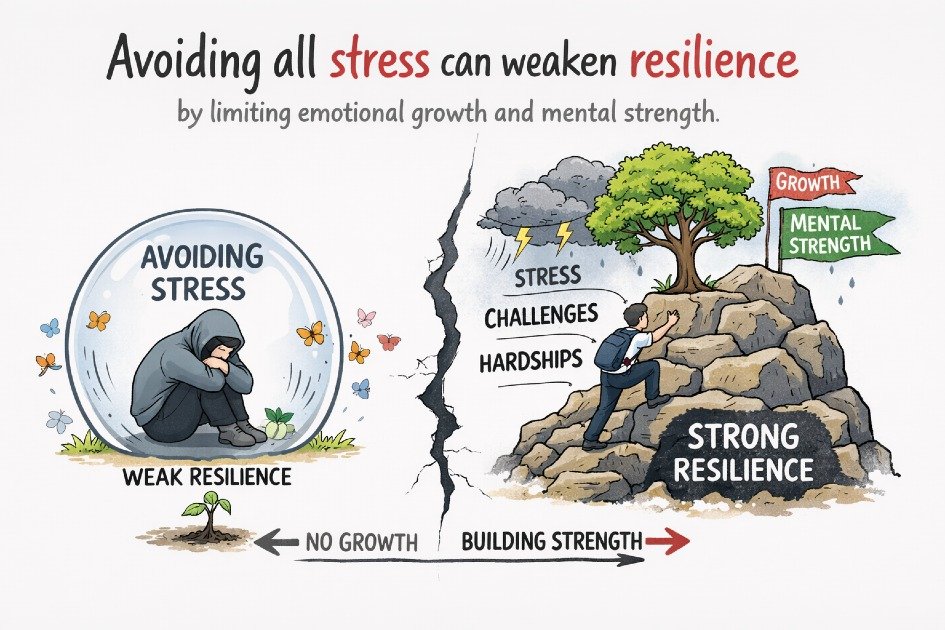
Does avoiding stress weaken your resilience?
Stress can help people grow stronger and more confident when managed well. It builds stamina and teaches the mind to adapt during challenges. Instead of trying to remove stress from life, learn how to manage it in healthy ways for growth, better focus, and emotional balance.
How can avoiding all stress make your mind weaker?
When we avoid stress all the time, the mind can grow weak and emotions can fade. Facing small challenges trains the nervous system to adapt and builds confidence. Without healthy pressure, life becomes fragile instead of strong.
Trying challenges, like tough meetings, hard workouts, or finally starting a delayed task, helps train the mind. These moments show the brain that discomfort does not mean danger. Over time, this practice builds inner strength and helps emotions stay calm and steady.
I began writing after hard moments using a guided journal. Putting my thoughts on paper after stress helped me notice patterns. Now, I can treat stress as a signal to learning, and it slowly strengthens my mind.
How can comfort hurt your stress response?
Always choosing comfort can make the body weaker over time. When life feels too easy, the heart and muscles stop adapting. Avoiding all stress may seem healthy, but the body needs small challenges to stay strong and energized.
Short bursts of healthy stress like fast walks, cold showers, or lifting weights force the body to adapt. These actions trigger cell repair, boost energy control, and help the body stay strong and balanced over time.
I tried short cold exposure after my workouts and paid attention to how my body felt. Within a few weeks, I had steady energy and less muscle pain, showing my body was responding in a healthy way.
What happens when you avoid emotional stress?
Avoiding emotional stress by pleasing others or dodging conflict can feel good right away. Over time, it hides true emotions, blurs self-understanding, weakens boundaries, and slowly damages a healthy self-image.
Emotional agility means engaging in difficult conversations and naming your feelings instead of hiding them. When you do this, you understand yourself better and build stronger bonds with others. Growth often feels uncomfortable, but that discomfort helps you become calmer, stronger, and more resilient over time.
I began sipping a calming adaptogenic tea during my quiet reflection time. It helped me slow down and stay present instead of running from difficult feelings.
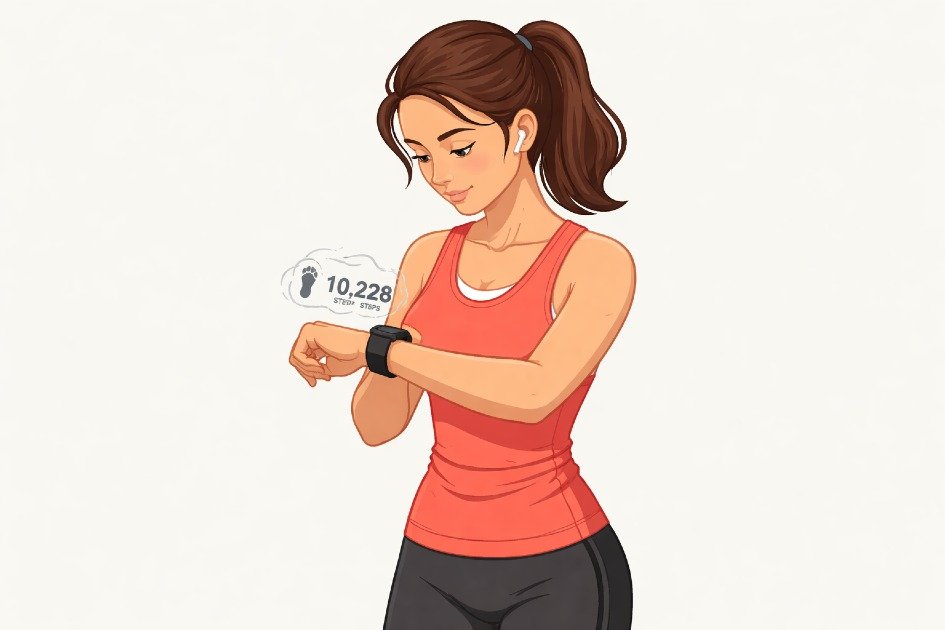
Could chasing steps hurt your move daily?
Chasing a daily step goal can drain the fun from moving and make exercise feel like a chore instead of something you enjoy.
When walking more becomes risky for health
Counting every step can shift focus from how your body feels to seeking approval from numbers. This habit may cause rushed walking and poor posture, which lowers movement quality even when total steps go up.
A healthy routine values how the body feels during movement, not just how far it goes. Blend walking with mobility drills, light strength work, and intentional stretching. Pay attention to cadence, joint alignment, and breathing rhythm.
There was a time I walked circles in my living room every night just hitting a number. My legs moved, but I felt worn out and uncoordinated. I switched to a fitness tracker that focused on different kinds of movement instead of counting steps.
Can step obsession limit your body’s moves?
Focusing only on straight-ahead walking limits your body’s natural movements. Skipping side steps, twists, and carrying loads can make muscles stiff and weaken the stabilizers that keep you balanced. Healthy walkers need variety to stay strong and flexible.
Mix different movements into your day for a strong, healthy body grows from variety, not the same routine. Walk while adding squats, gentle twists, stretches, or balance exercises. Treat motion as fuel for your body, not just steps to count.
I felt my hips getting tight even though I hit my daily goals. Adding quick strength moves with resistance bands changed everything. Walking felt easier and more enjoyable, and my mobility improved without adding extra steps.
Why does tracking every step drains your energy?
Tracking every step can tire your mind, making you feel guilty on slow days and compulsive behavior on active days, which can take the fun out of moving your body.
Take days off from tracking, move however you like, walk to enjoy the view, stretch to ease tension, and dance just for fun. Letting go of numbers clears your mind and helps your body move naturally.
On weekends, I skip my tracker and just notice how my body moves. Wearing barefoot walking shoes helps me feel each step and enjoy the ground beneath me.

Can constant positivity harm your feelings?
Constantly forcing yourself to stay happy can harm your emotional health. Ignoring sadness or frustration may seem helpful, but it can make feelings fragile, cause anxiety, dull your emotions, and shake your confidence.
Why can ignoring negative feelings increase anxiety?
Suppressing emotions might feel like it keeps you happy, but it often builds stress. Over time, these hidden emotions can trigger panic or deep sadness.
Notice your feelings each day, even the tough ones, by writing them down or talking about them. Practicing mindfulness helps you understand emotions without judging them. Set up a safe space at home to feel negative emotions freely, building a stronger emotional foundation.
I used to push myself to stay positive while juggling too many deadlines. The stress built up quietly, leaving me restless and short-tempered. Starting a simple journaling habit with guided prompts helped me let go of tension and build real mental strength.
How does forced optimism block healing?
Constantly forcing a happy face can block emotional growth. Saying things like “look on the bright side” or “stay positive” can push aside feelings that need attention, slowing healing and making it harder to cope with life’s challenges.
To achieve genuine healing, one should balance optimism with acceptance and approach distress with curiosity. This involves self-reflection and seeking structured support like therapy or support groups, alongside incorporating practices such as mindful breathing and meditation.
I was going through a tough career change and kept telling myself to stay positive while ignoring my fears. Joining guided mindfulness sessions helped me face my anxiety without judgment and find a steady balance. Positivity turned into a tool I could use, not a mask I had to wear.
What balanced emotional wellness looks like
Constantly forcing cheerfulness can blur reality and wear you out. It hides true feelings, strains your mind, weakens connections with others, and slows personal growth.
Honor your emotions and build balance by appreciating what you have, spending time with people who matter, and exploring creative activities. These daily habits boost real happiness and help your mind stay steady through life’s ups and downs.
I use emotional wellness apps every day to check in with how I feel. Noticing my small wins and facing setbacks honestly has made me stronger and calmer. Life feels fuller, and my connections with others are deeper because I am more genuine.
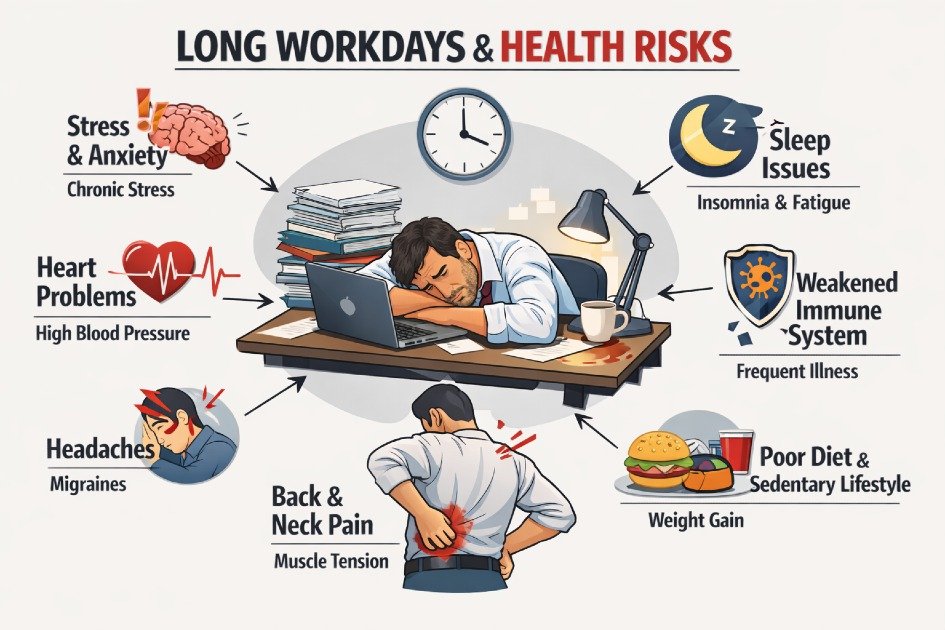
Do long workdays help you succeed?
Working long hours, even when seen as dedication, can drain your body and mind. It lowers energy, clouds focus and can shorten your lifespan while giving only the illusion of getting more done.
Can long hours at work harm your body and mind?
Sitting too long at your desk tires your body, strains your heart, and stiffens your muscles. Constant stress from overwork can disrupt sleep, hurt digestion, and weaken your immunity, showing that working nonstop does not mean true dedication.
Pause each hour for short movement breaks that refresh your body. Adjust your workspace to stay comfortable and avoid strain. Choose healthy snacks and practice quick deep breaths to recharge your body and mind.
I used to think long hours at my desk were the only way to get ahead. I kept feeling tired and getting headaches. Then I got a comfortable standing desk, added short breaks, and healthy snacks. I started feeling sharper, stronger, and healthier, and I learned that healthy productivity comes from taking care of yourself, not just working nonstop.
How can extended hours weaken your personal life?
Working extended hours wears down the body and mind. Missing family, exercise, and hobbies may feel small at first, but it gently pulls you away from what makes life joyful and balanced. Stress rises and happiness drops when life focuses only on work.
Set aside a daily moment for meditation, walks in nature, or writing in a journal to clear your mind and steady your emotions. Protect your work by blocking time for focused tasks and keeping certain hours free from interruptions.
I used to feel drained and scattered after long 10–12-hour workdays. Taking a short meditation break in the afternoon with an app I found helped me calm my mind. It lifted my mood, sharpened my focus, and let me enjoy time with my family while working more efficiently.
Can overworking reduce true productivity?
Working long hours can trick you into feeling busy while your real work slows down. Your brain tires, mistakes happen more, and ideas dry up. Day after day, this hidden drain makes your productive hours less effective.
Focus on your most important tasks and break work into short, planned sessions using methods like time-blocking or the Pomodoro technique. Boost your mind and energy with water, healthy snacks, and quick bursts of movement for clearer thinking and better results.
I used to measure success by how long I worked instead of what I accomplished. When I started using Pomodoro technique, kept a good water bottle and snack organizer at my desk, I got more done in less time and felt healthier while balancing work and life.
Recap: Build Habits That Keep You Healthy
Healthy routines should nourish rather than stress us. It is about finding balance and aligning practices with individual well-being, emphasizing enjoyment and adaptability over perfection.
According to Harvard Health, building simple, lasting habits like a healthy diet, physical activity, stress management, and social connections forms a foundation for long-term health and reduces the risk of chronic disease.
By recognizing habits that uplift and replacing rigidity with flexibility, one can rejuvenate their approach to wellness.
Slight changes, such as opting for restorative exercises or allowing occasional indulgence, enhance sustainability and joy in health.
Building these routines is a lifelong process that fosters empowerment and resilience, as every mindful choice contributes to a vibrant, healthy life.
Frequently Asked Questions
How can a healthy habit turn unhealthy over time?
Healthy habits can turn counterproductive if taken to extremes, leading to issues like muscle microtrauma, elevated cortisol levels, and energy depletion.
Strict diets might cause micronutrient deficiencies. Adaptive moderation is essential to retain the benefits of healthy practices without inducing stress or imbalance.
What are early warning signs that a healthy routine is harming me?
Pay attention to cues like fatigue, insomnia, irritability, digestive issues, and loss of motivation as signs of an unhealthy routine.
Use wearable devices or journals to track patterns and identify overextension, while smart health trackers provide real-time insights for effective adjustments.
How often should healthy routines be reassessed for effectiveness?
Routines should be reassessed every 6–8 weeks to reflect changes in energy levels, mental clarity, and physical recovery.
Adjustments in intensity, timing, or nutrition are essential for a healthy lifestyle that evolves with the body’s needs.
Is balance more important than consistency in healthy habits?
Emphasizing flexibility in healthy habits is vital; occasional deviations are beneficial for long-term sustainability, as seen in diet plans that allow indulgence rather than enforcing strict restrictions.
Can personalized healthy routines prevent burnout?
Individualized routines tailored to body type, lifestyle, and goals help prevent physical and emotional burnout, while incorporating variety in exercise, sleep, and nutrition boosts resilience.
How do mindset and emotional wellness affect healthy routines?
Mental and emotional wellness are crucial for healthy living, as chronic stress can undermine the advantages of exercise and nutrition.
Engaging in mindfulness, journaling, and cognitive reframing can safeguard these routines from mental fatigue.
Are supplements necessary if my routine is already healthy?
A nutritionally dense diet is vital for health, with supplements intended to complement whole foods, as over-supplementation can harm the liver and kidneys.
How do I ensure my healthy routines stay enjoyable and sustainable?
Enjoyment is essential for maintaining habits; punitive feelings can lead to abandonment. Incorporating variety in workouts, trying new recipes, and engaging in social wellness activities can enhance adherence.
Can minor deviations from healthy routines affect results?
Minor deviations from strict plans can enhance adaptability and support long-term adherence by preventing psychological fatigue.
The concept of “structured indulgence” allows these occasional departures without harming overall results.
What is the most overlooked factor in maintaining a healthy routine?
Recovery and rest are essential for maximizing the benefits of nutrition and exercise. Quality sleep and recovery practices can convert a healthy routine into an advantage, while sleep enhancement devices can facilitate restorative rest to optimize health.