
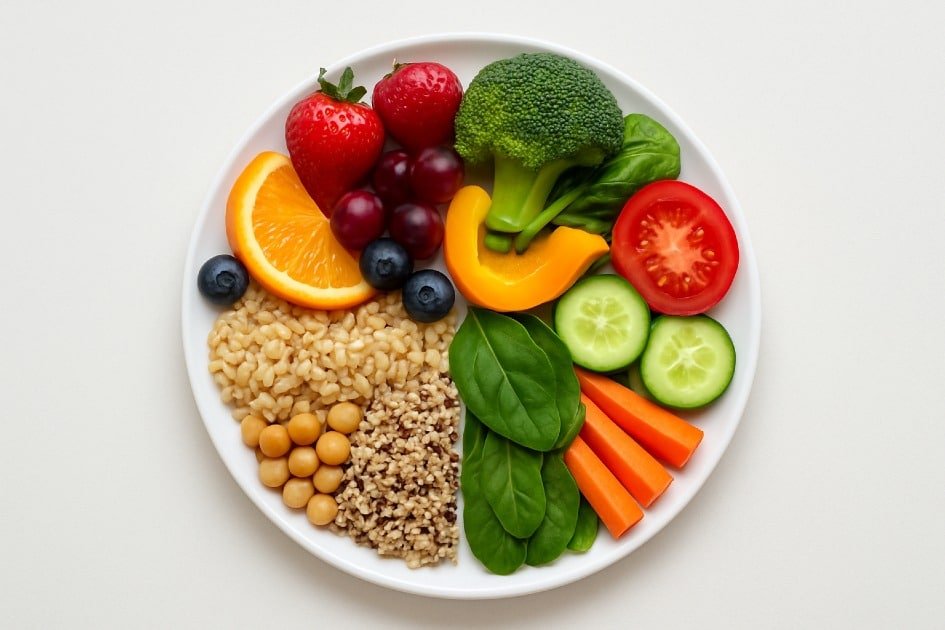

Have you ever wondered why some people seem to glide through the day with steady focus and vibrant energy while others struggle to stay alert by noon?
Adopting healthy eating that fuels your body instead of weighing it down is important. When you learn how the right foods, good hydration, and simple meal-timing choices boost your energy, you gain steady strength to power through your day with ease.
Harvard Health reinforces how balanced nutrition and proper fluid intake amplify cellular energy production.
This guide outlines practical changes to enhance stamina, concentration, and reduce fatigue through healthy eating that aligns with your biological needs, unlocking lasting vitality.
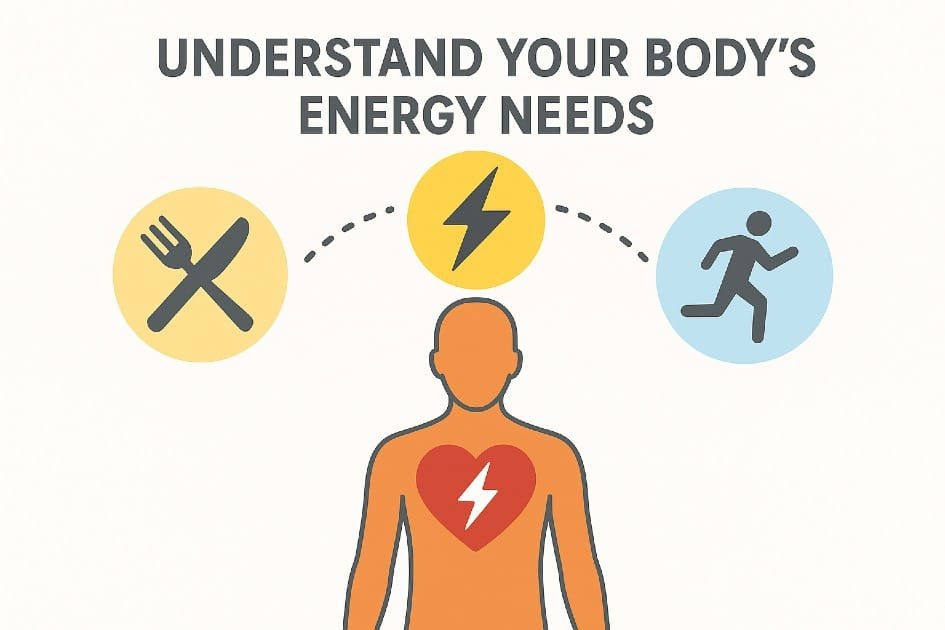
Understand your body’s energy needs
Understanding your body’s energy needs is the first step toward healthy eating that transforms how you feel every single day.
Why your energy dips
Many people assume fatigue is just a result of a busy schedule, but the root causes are often nutritional. Your energy drops suddenly if you skip meals, eat too much sugar, or miss nutrients.
Even subtle deficiencies in magnesium, iron, or vitamin B12 can leave you feeling drained. Keep a simple food log for a week. Note your meals and energy levels. You might discover patterns—like a mid-afternoon slump after a carb-heavy lunch.
Small adjustments, such as adding leafy greens or a protein powder to your breakfast smoothie, can make a surprising difference.
How your metabolism affects daily energy levels
Your metabolism works like an engine that turns food into energy. A slow or irregular metabolism can leave you feeling sluggish, even if you eat “healthy” foods. Factors such as thyroid function, muscle mass, and activity level all play a role.
Support your metabolism with healthy eating that combines protein, complex carbs, and healthy fats at every meal.
Adding a morning ritual like a brisk 10-minute walk or wearing your fitness tracker can jumpstart metabolism and amplify energy naturally.
The role of macronutrients in fueling your body
Not all calories are created equal. Proteins, fats, and carbs each give your body energy in diverse ways:
- Protein: Maintains muscle mass and stabilizes blood sugar. Try eggs, Greek yogurt, or a plant-based protein supplement.
- Healthy Fats: Aid brain function and prolong satiety. Incorporate avocado, nuts, or omega-3-rich fish.
- Complex Carbs: Provide slow-burning energy. Choose quinoa, oats, and sweet potatoes instead of white bread and rice.
Make meals using 40% carbs, 30% protein, and 30% fats for balance. This combination sustains energy, prevents mid-day crashes, and supports a balanced healthy eating routine.
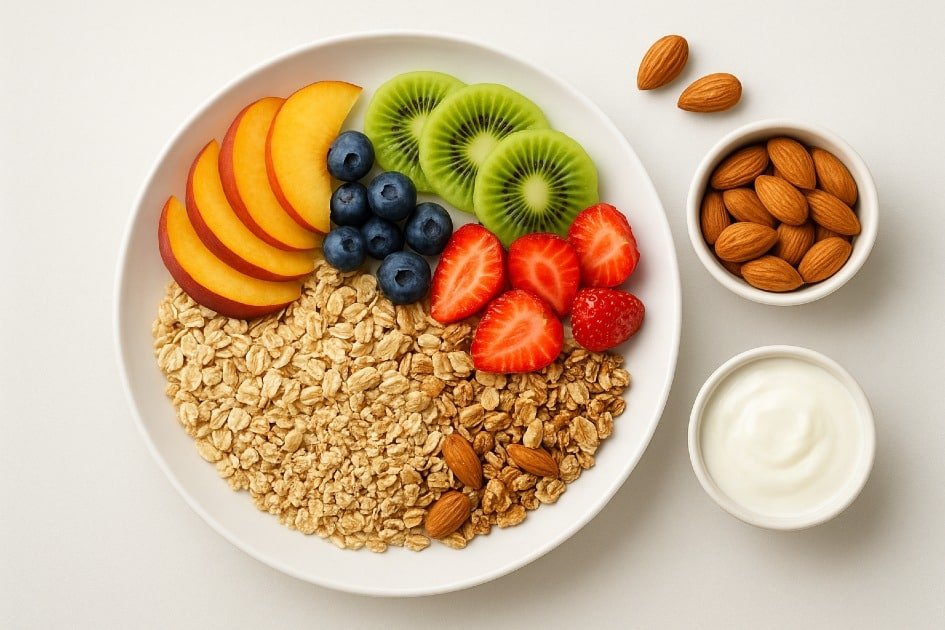
Breakfast makeovers that boost energy
A quick donut or sugary coffee might feel like fuel, but it is like throwing paper on a fire: it burns hot, then fizzles fast. A thoughtful breakfast, however, can transform your stamina, sharpen focus, and make your day flow with ease.
Skip the sugar spike, embrace steady fuel
People often consume pastries, sweet cereals, or flavored lattes in the morning, leading to high blood sugar levels and subsequent fatigue, irritability, and snack cravings.
Replace refined carbs with balanced meals containing protein, fiber, and healthy fats, like overnight oats with chia seeds, Greek yogurt with berries, or scrambled eggs with spinach.
I once relied on muffins and sweetened coffee every morning and I do crash by 10 a.m. I started prepping overnight oats with almond butter and adding plant-based protein powder to my smoothies for an effortless energy boost
Your morning powerhouse
Skipping protein at breakfast leaves your muscles and brain under-fueled. Carbs alone will not carry you through a demanding day.
When combined with complex carbohydrates like avocado and smoked salmon on whole grain bread, lean proteins like cottage cheese, eggs, or smoothies produce satiety and are both filling and stimulating.
I do feel foggy in morning meetings. I whipped up protien shake using a stainless steel blender bottle and added some scrambled eggs with spinach for breakfast. I was sharper, more alert, and I did not find myself mindlessly reaching for snacks before lunch.
The unsung hero of breakfast
Dehydration often masquerades as tiredness. If you are waking up groggy, it is not always about the food, it might be the fluids.
Drinking water early in the morning boosts your body for the day. Adding lemon slices or cucumber makes it refresh and helps replenish electrolytes lost overnight.
I pour coffee right after waking. After switching to my water bottle filled with water and some slices of lemon, I noticed an immediate boost.
Whole grains for long-lasting energy
Refined bread and cereals burn out quickly. They give you a jolt of energy, but not the kind that lasts through a busy morning.
Opt for whole grains that digest slowly and release energy gradually. Quinoa porridge, steel-cut oats, or whole-grain toast give your body a solid morning boost.
Switching from sugary cereal to steel-cut oats topped with walnuts and blueberries did not just change my mornings—it transformed my mood.
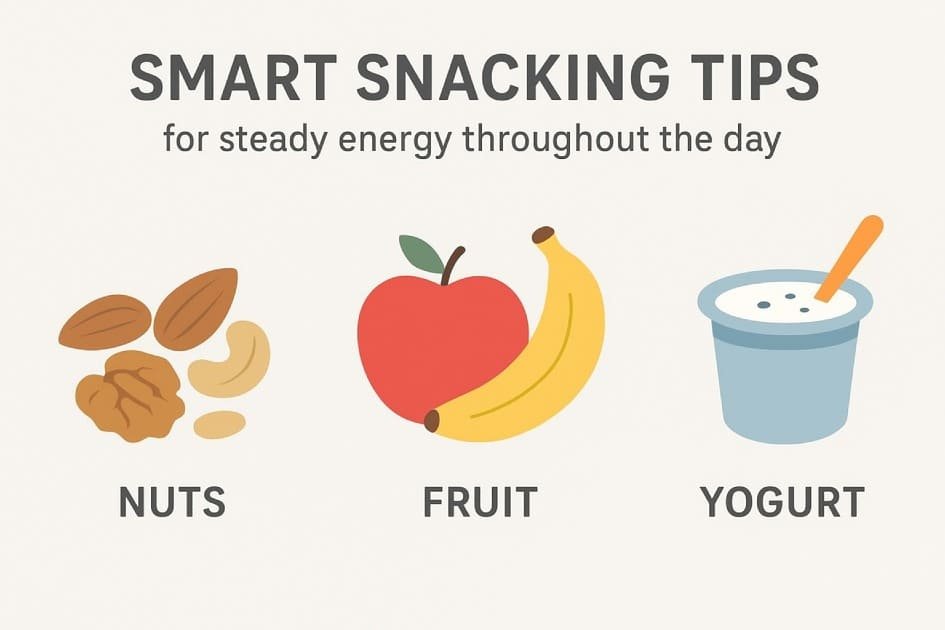
Smart snacking for consistent energy
With a little intention, you can use snacks not as a guilty pleasure, but as a secret weapon for steady energy and sharper focus throughout your day.
Energy-boosting snack combos
When you build snacks with the right combination, your body feels fueled—not frazzled. Here are a few of my go-to options:
- Greek yogurt with berries and chia seeds – The protein in yogurt supports satiety, while fiber-packed chia slows sugar absorption.
- Apple slices with almond butter – The crunch of fruit plus healthy fat makes it a classic snack.
- Trail mix with nuts and dark chocolate – The chocolate soothes your sweet tooth, and nuts boost for a steady energy.
- Veggie sticks with hummus – Protein from chickpeas plus fiber from raw vegetables keeps you fuller for hours.
Portable snacks for work and travel
One of the biggest hurdles people faces is convenience. If you do not have something nourishing within reach, you will grab whatever is easiest.
Plan with portable, nutrient-dense options as:
- Protein bars – Pick low sugar protein bars with less than 8 grams. Brands like RXBAR keep it clean and simple.
- Reusable snack containers – Packing your own trail mix, roasted chickpeas, or homemade granola gives you control over ingredients. I use a BPA-free snack box that keeps food fresh and organized.
- Hydration boosters – Drink water with your snacks instead of soda. With an infuser water bottle, staying hydrated feels simple.
Snacking without overdoing it
Even with the right snacks, it is easy to overeat. That is because grazing can blur into mindless munching if you are not careful.
Pre-pack snacks into small containers or bags. It sets a natural boundary, so you do not finish a whole bag of almonds without realizing it.
I have found that eating snacks away from screens helps. When I step outside for a 10-minute snack break, not only do I eat less, but I also return to my desk more refreshed.
Snacks as part of healthy eating
Snacks alone will not transform your energy—they are just one piece of the puzzle. But when you weave them into a larger pattern of healthy eating, everything clicks.
Balanced meals anchor your day, while smart snacks fill the gaps. A more stable mood, stronger focus, and energy that does not quit when life gets busy.
Choosing nutrient-dense snacks turn snacking into a tool for energy, focus, and better living. Embrace snacks as part of your healthy eating journey, and you will find that afternoon slump becomes a thing of the past.

Hydration hacks to stay energized
Your brain works better, your muscles perform, and your body stays cool when you drink water. Hydration hacks can refresh the body and restore lasting energy.
Best drinks for hydration without sugar spikes
Plain water should always be the foundation, but you can rotate in unsweetened herbal teas, coconut water, or electrolyte-infused beverages when you are active.
Filling my stainless-steel hydration flask with unsweetened iced green tea during long writing sessions kept my concentration sharp without the jittery aftermath.
Infused water recipes to make hydration fun
Drinking plain water can feel bland. When it does, you are less likely to reach for your bottle. That is where infused water comes in—a flavorful twist that keeps you drinking without hidden sugars.
Combine these fresh fruits and herbs or even cucumber into your pitcher for a refreshing alternative:
- Lemon and mint for a crisp, clean finish.
- Strawberry and basil for a subtly sweet boost.
- Orange and rosemary for a citrusy, aromatic vibe.
Hydration timing that maximizes energy
Drinking water is not just about how much—it is about when. Drink water early to stay hydrated and avoid thirst warnings. Energy fluctuations often trace back to irregular hydration.
- Drink a glass of water as soon as you begin your day before pouring your coffee.
- Sip consistently throughout the day rather than waiting for thirst signals.
- Have water alongside each meal to make digestion easier and control your hunger.
When to use electrolytes for an energy lift
Sweat, heat, and exercise can strip your body of essential electrolytes. Without them, you might drink plenty of water but still feel drained.
A natural mix of sea salt, magnesium, and potassium restores balance. Take instant hydration mixes when you are extra active.
Recap: Transform Your Energy Through Smarter Eating
Energy is not just about sleep or coffee intake; it is deeply tied to daily food choices. Healthy eating powers your body and lifts your mind and spirit every day.
Healthy eating is a daily choice to feed your body with care. Boost and power your energy daily by eating fruits, vegetables, proteins, and whole grains.
Prioritizing balanced meals, hydration, and mindful portions creates a rhythm your body can trust, leading to stamina, sharper focus, and fewer energy slumps.
Your energy reflects how you treat your body, and choosing wisely can be the single most transformative step toward living with lasting energy.
Frequently Asked Questions
How quickly can I notice an energy boost from healthy eating?
Healthy eating can lead to subtle energy shifts within days. Swapping refined sugar for nutrient-dense foods helps regulate blood sugar, reducing mid-afternoon crashes. Deeper transformations like improved stamina, focus, and mood take weeks of practice.
Are there any foods I should completely avoid for energy?
Certain foods can sabotage vitality, such as processed energy drinks, sugar-loaded cereals, and fried foods. Excess caffeine can disrupt sleep and deplete energy reserves.
Can supplements replace the need for energy-boosting foods?
Supplements are not a substitute for healthy eating, as whole foods provide synergistic nutrients like fiber, antioxidants, and enzymes.
If you are struggling to meet your nutrient needs, supplements like daily multivitamins or plant-based protein powder can help. View supplements as complements, filling gaps rather than carrying the entire load.
How do I balance energy throughout long workdays?
Maintain a healthy lifestyle, start with a balanced breakfast containing protein, fiber, and healthy fats. Consume smaller, well-timed meals or snacks every 3-4 hours to maintain energy.
Hydration is crucial, and pairing hydration with nutrient-dense snacks like nuts or hummus ensures consistent fueling without relying on vending machines.
What is the best approach if I have dietary restrictions?
Healthy eating can be customized to suit various dietary needs, including plant-based diets, gluten avoidance, and food allergies. Energy-friendly staples like quinoa, lentils, leafy greens, and fresh fruits are nourishing.