
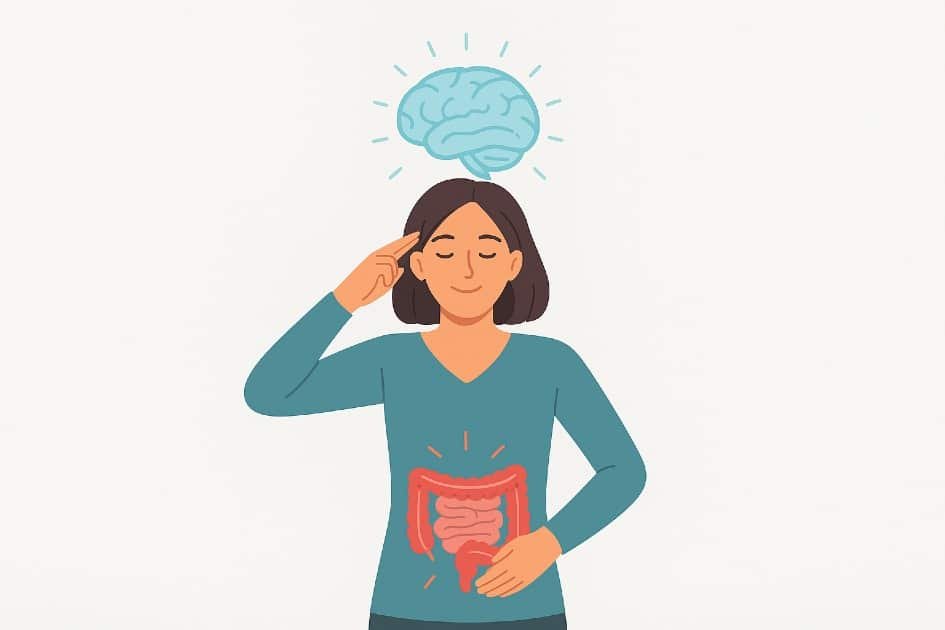

Have you ever wondered why your mind feels clearer, lighter, and more energized on days when your gut feels calm and balanced? Your gut shapes how you think and feel, and it affects how you understand the world. It is not just chance.
Understanding the gut-brain connection is key to enhancing cognitive strength and emotional resilience. Subtle digestive changes reflect shifts in mental focus and mood, indicating that a balanced gut fosters better concentration and motivation.
According to Harvard Health, maintaining a balanced gut improves not only digestion but also brain function, as healthy gut bacteria regulate mood, stress response, and cognitive clarity through neurotransmitter production and inflammation control.
By acknowledging and responding to gut signals, individuals can naturally enhance their mental power and achieve clear thinking and emotional stability.
This guide emphasizes incorporating gut-friendly foods, beverages, and supplements, such as probiotics, can nourish the gut and improve mental well-being.
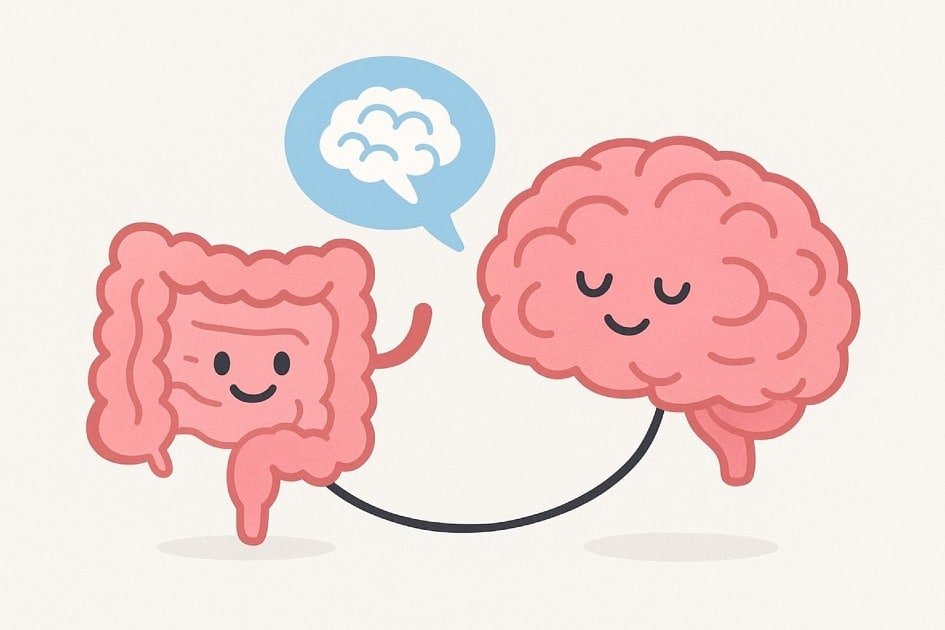
How your gut talks to your brain
Your gut plays a crucial role beyond digestion, influencing your thoughts, emotions, and daily energy levels. This continuous “gut-brain conversation” affects mood and mental clarity, highlighting the importance of gut health for emotional balance.
Signals that boost mental clarity
Why it matters:
Imbalances in the gut may cause anxiety and mental fatigue, whereas a balanced gut promotes serotonin production, stabilizing mood. The gut-brain connection affects motivation, focus, and emotional stability, with irritability linked to gut inflammation.
How to do it:
- Boost health with probiotics
- Savor meals slowly to ease digestion and lower stress.
- Cut back on ultra-processed foods that harm digestion.
Boost your mood naturally from within
Why it matters:
Microbes play a crucial role in the production of neurotransmitters that improve mental clarity, with a diverse microbiome being vital for gut protection and overall brain health.
How to do it:
- Try fermented foods like yogurt and kimchi to boost digestion and health.
- Boost health with prebiotic fiber
- Stay hydrated for a healthy gut
Healthy digestion boosts focus and mood
Why it matters:
A calm gut lowers cortisol, boosts focus, and conserves mental energy. Gut-friendly foods stabilize blood sugar for alertness, while a balanced gut diminishes inflammation, improving cognitive clarity.
How to do it:
- Start your day with warm lemon water to calm digestion.
- Eat omega-3 foods to boost your mood.
- Pick whole food instead of quick snacks to ease digestion.
My tired mind and scattered thoughts were tied to what I ate. When I slowed down during meals, added more fermented foods, and drank enough water, my focus and mood slowly became stronger and clearer.
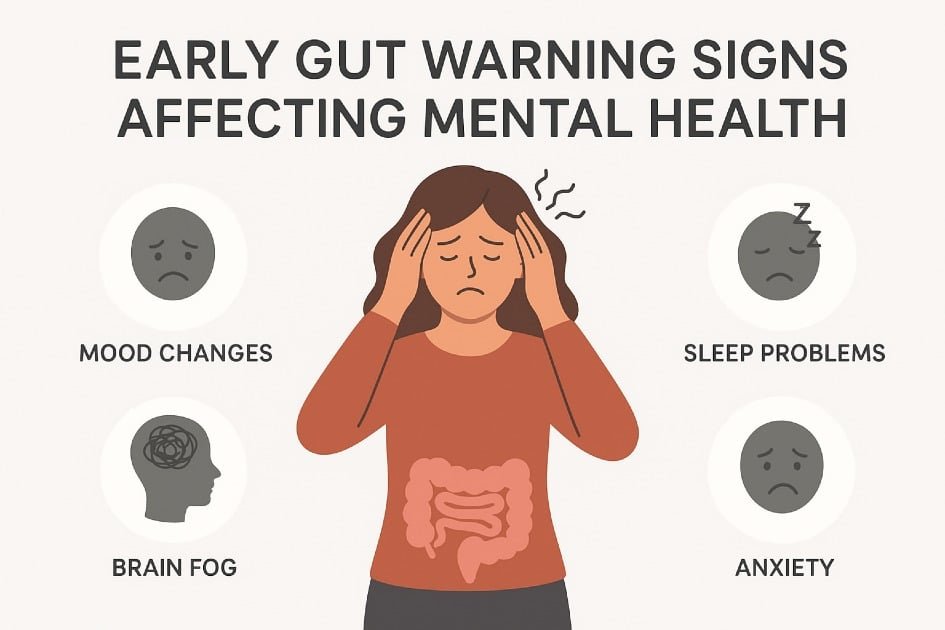
Early signs your mind needs help
Your gut often provides early signals that indicate significant changes in your body, which can help improve thinking, focus, and mood if noticed in time.
Subtle digestive shifts that affect your thinking
Why it matters:
Digestive discomfort due to gut stress can affect mental clarity and nutrient absorption, resulting in lower energy levels. Early recognition of symptoms is essential to avoid severe issues like brain fog and mood swings, as a compromised gut elevates nervous system sensitivity.
How to do it:
- Watch for slight changes like sudden bloating, quick fullness, or slow digestion.
- Try a two-column food journal that tracks what you ate and how you felt.
- Take slow breaths before you eat to calm your body.
I used to brush off my mild bloating after lunch, thinking it was normal. Then my focus slipped every afternoon. I started eating slower and choosing lighter foods, and my mind felt clear again within days.
Bloating and brain fog often show up together
Why it matters:
Bloating indicates an imbalance in gut microbes, causing discomfort and impairing cognitive function. Gut inflammation may contribute to diminished mental clarity, with brain fog becoming more common as the gut struggles to process specific foods.
How to do it:
- Take slow breaths before you eat to calm your body.
- Use simple aids like ginger tea or peppermint capsules.
- Take a short walk after meals to keep things moving smoothly.
- If bloating stays for days, see a health expert for testing.
After a stressful time, I felt my stomach tighten after most meals. When I switched to lighter plant-based lunches and took a daily probiotic, my stomach calmed down and my mind felt clearer.
Hidden signals your digestive health is struggling
Why it matters:
Gut stress is characterized by low stomach sounds, fluctuating appetite, and irregular bathroom habits, indicating a disrupted gut rhythm. This can affect mood since the gut contributes to neurotransmitter production linked to well-being.
How to do it:
- Do a quick daily check-in asking yourself if you felt calm or uneasy today
- Add more fiber foods like oats and chia to keep your digestion steady
- Sip water often to keep your digestion moving.
- Stay consistent and keep your body on a steady routine
I used to feel uneasy before busy workdays. Once I noticed the pattern, I added a simple morning routine and calming drinks. I felt steadier, and my confidence grew.

How gut trouble drains your mind
Your gut influences not just digestion but also mood, mental clarity, and energy levels. An imbalanced gut microbiome can lead to slower thinking, increased stress, and persistent fatigue.
When harmful bugs overrun your system
Why it matters:
Your brain receives fewer “feel-good” signals, resulting in mood swings, irritability, and reduced focus, while your gut’s reduced chemical production and inflammation negatively affect mental clarity.
How to do it:
- Take a daily probiotic to build strong microbes
- Eat two fiber foods daily to boost your healthy bacteria
- Limit ultra-processed snacks that upset digestion
- Sip calming teas like ginger or peppermint to ease tension naturally.
- Try fermented foods like kimchi or kefir to boost your digestive health.
After weeks of poor eating and stress, my body and mind felt sluggish. Small daily adjustments brought my energy and focus back.
Swollen intestines cloud clear thinking
Why it matters:
Mental heaviness, slow cognitive processing, motivational challenges, low mood, restless thoughts, and unusual fatigue associated with the gut may indicate an underlying issue.
How to do it:
- Eat leafy greens and berries to fight inflammation
- Stay hydrated to help your digestive system heal naturally.
- Take a calming supplement like L-glutamine powder to strengthen your digestive lining.
- Calm your mind with 5 minutes of breathing
I felt drained and foggy during a stressful period but easing my body’s inflammation restored my energy.
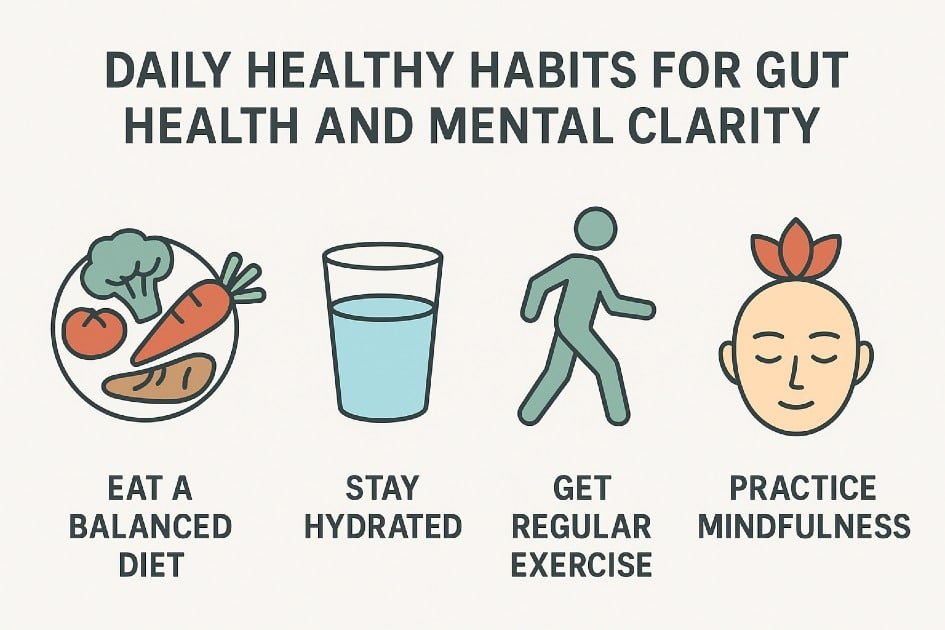
Daily steps that support gut and mind
While stress in the gut reduces energy, daily habits can help restore this connection, enhancing mood, focus, and overall well-being.
Slow, mindful eating
Why it matters:
Prevents stress signals from affecting digestion, allowing for more efficient stomach function and improved interpretation of hunger and fullness, while also reducing bloating that can interfere with mental focus.
How to do it:
- Chew carefully and enjoy every bite
- Pause between bites
- Put devices away while eating
- Breathe deeply before meals to calm your digestion.
- Keep a food diary to track how your body reacts to meals.
Start your morning with warm water
Why it matters:
Rehydrates the gut after sleep, stimulates the digestive tract, enhances brain function through improved hydration, and promotes smoother waste movement for increased mental energy.
How to do it:
- Drink warm water first thing in the morning before coffee or tea
- Boost detox with a fresh lemon slice
- Sip slowly and steadily to help your stomach settle.
- Do a quick stretch to boost blood flow
Eat more fermented foods
Why it matters:
Nourishes healthy gut bacteria, supports mood-enhancing chemicals, strengthens immunity for brain resilience, and improves nutrient absorption for mental clarity.
How to do it:
- Eat yogurt, kimchi, kefir, or sauerkraut daily
- Pick food free of added sugar
- Begin with small portions to protect your digestion
Make fiber your friend
Why it matters:
Feeds beneficial bacteria, helps regulate blood sugar for steady mental energy, reduces inflammation that disrupts the gut-brain link, and supports smoother digestion, lifting emotional stability.
How to do it:
- Boost health with oats, berries, chia, and whole grains
- Add fiber gradually in lesser amounts
- Add seeds to salads or smoothies for extra nutrition
- Try fiber-packed snacks like nuts or fruit
Move your body daily
Why it matters:
Supports healthy bowel movement, reduces stress hormones that affect the gut, improves circulation for brain health, and enhances mood by increasing “feel-good” chemicals.
How to do it:
- Take a short walk after every meal
- Try yoga poses that relieve digestive pressure
- Stretch gently to ease tight muscles
Limit mindless snacking
Why it matters:
Giving your gut time to digest can prevent blood sugar spikes that impair cognitive function, reduce cravings driven by emotional stress, and support healthier hunger signals.
How to do it:
- Sip water first to curb hunger
- Check if you are truly hungry
- Show healthy snacks and hide junk food
- Space meals every 3 hours
Protect your sleep
Why it matters:
Supports gut lining repair, balances mood-related hormones, aids brain detox during deep sleep, and reduces cravings linked to fatigue.
How to do it:
- Sleep 7–8 hours without breaks
- Power down screens before sleep
- Sleep better in a dark, cool room
Add a stress-releasing ritual
Why it matters:
Lowers cortisol, improves mood stability, helps clear emotional processing, and reduces physical tension that blocks digestion.
How to do it:
- Breathe deeply for three minutes daily to calm your mind and boost focus.
- Pause for a quick mindfulness moment
- Boost mood and energy outside
- Relax with soothing music at bedtime
I strengthen my mind each day through simple, healthy choices that make me feel clear and focused.
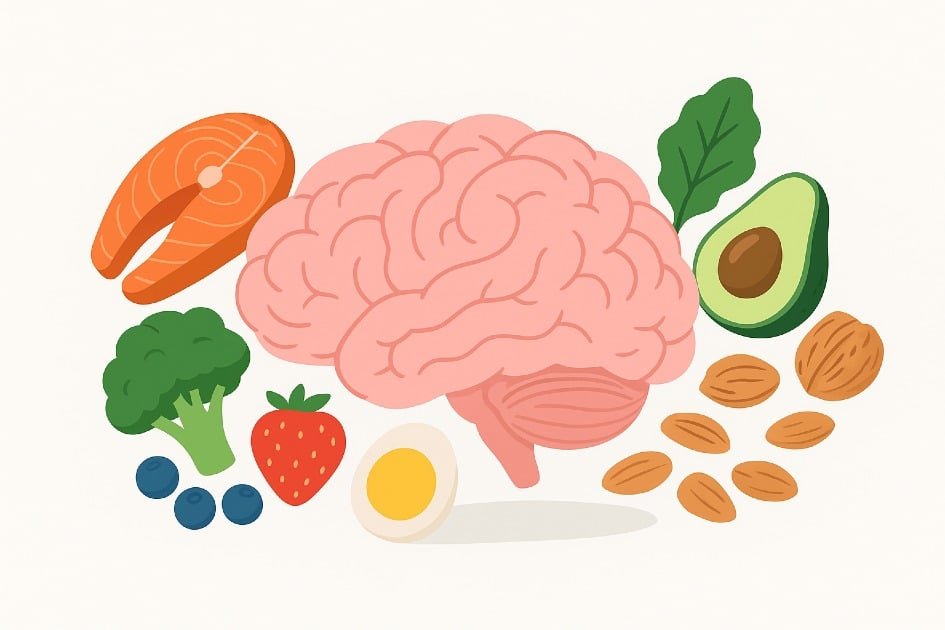
Foods that lift brain power
Your brain and gut communicate continuously; a calm gut contributes to mental clarity, while a stressed gut decreases mental energy. However, consuming specific foods can help restore balance and harmony within the body.
Fiber-rich foods that strengthen mental clarity
Why it matters:
A healthy gut produces calming signals that enhance mental clarity. Consuming high-fiber foods helps stabilize blood sugar and minimize internal inflammation, both of which contribute to reducing mental fatigue.
How to do it:
- Boost your meals with oats, berries, beans, and chia seeds daily.
- Prepare and enjoy a bowl by tossing veggies into rice, soups, pasta, and eggs.
- Boost your diet with a gentle fiber supplement.
Fermented foods that elevate mood and focus
Why it matters:
Fermentation produces probiotics essential for gut balance, which in turn facilitates clearer thoughts and stable emotions, aiding in mental clarity during chaotic times.
How to do it:
- Mix a spoon of kimchi, sauerkraut, or kefir into a daily meal.
- Pick yogurts with live cultures and little sugar.
- Use a high quality probiotic for extra daily support.
Plant-rich meals that calm the nervous system
Why it matters:
Plants ease digestive stress, calm emotions, and cool stress responses. Eating colorful foods naturally boosts good chemicals.
How to do it:
- Focus on vegetables first, then add proteins and grains for balanced meals.
- Blend spinach in smoothies or cook greens with dinner for an easy nutrient boost.
- Cook easy plant-based meals
- Use a plant-based meal kit to cook tasty meals with ease
Slight changes in my diet helped me think better, stay calm, and keep my mind strong all day.

Gut-friendly drinks that boost your mood
When feeling scattered or burdened, a balanced gut can promote a calm mind, influenced by daily beverage choices. The wellness trend emphasizes simple, soothing drinks that enhance clarity, alleviate stress, and support gut health without requiring complex routines.
Herbal teas that soothe digestion and boost focus
Why it matters:
Calms internal tension, easing stress and worry. Supports smooth digestion, boosts energy and focuses, and delivers plant compounds that relax the nervous system.
How to do it:
- Try chamomile or lemon balm tea to ease stress.
- Try peppermint to ease bloating and tension.
- Sip a warm drink at night to help your brain relax.
- Sip soothing loose-leaf teas like calming herbal blend for calm and comfort.
One warm cup at night helps me wake up with a clearer mind.
Probiotic drinks that boost mood naturally
Why it matters:
Enhances mood signals, aids nutrient absorption for energy stability, reduces inflammation impacting cognition and motivation, and promotes healthy bacteria for better digestion and emotional stability.
How to do it:
- Try mild kombucha or kefir first to ease digestion.
- Pick low-sugar foods to keep your digestion healthy
- Start your day with a small morning drink to boost energy.
- Try a reliable starter kit like kefir kit
When my gut settles, my mood evens out, and my mind feels sharper.
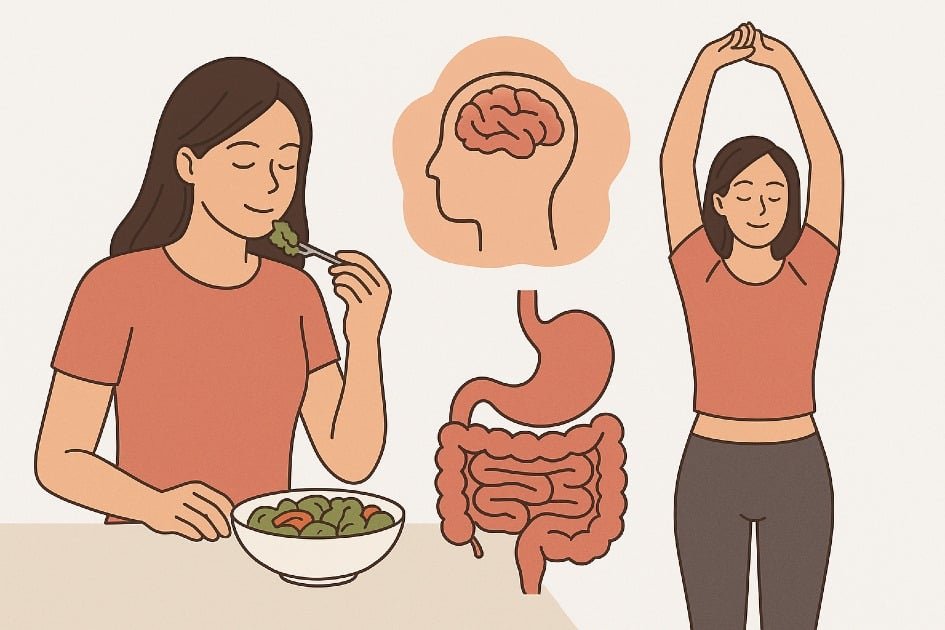
Lifestyle shifts that heal both gut and mind
Your gut influences not just digestion, but also your thinking, feelings, and energy levels. Supportive daily habits can enhance gut health and mental calm, resulting in improved mood, sharper focus, and a diminished stress response.
Move with intention
Why it matters:
Movement boosts digestion and nutrient use, improves blood flow for better mood and focus, lowers inflammation, and signals the brain to release stress.
How to do it:
- Walk 10–15 minutes after meals to aid digestion.
- Start your day with light stretches to ease tension and refresh your mind.
- Move in small bursts like pacing during calls.
- Use a yoga or Pilates mat to stay steady during moves.
I started with one short walk after meals. Within days, my gut felt steady and my mind felt open. That simple habit changed my entire day.
Sleep to boost your digestive health
Why it matters:
Deep sleep heals the body, boosts nutrient use, and lowers stress. Regular rest strengthens emotions, sharpens the mind, and clears toxins from the brain.
How to do it:
- Stick to the same bedtime every night.
- Calm your mind by turning off screens 30 minutes before bedtime
- Drink calming tea with herbs that ease digestion and relax your body.
- Wake up often adjusts room temperature or use a weighted blanket.
When I set a steady bedtime, my gut calmed and my mood slowly lifted. It did not happen overnight, but each week I felt better and more balanced.
Practice controlled breathing
Why it matters:
Slow, deep breathing calms the vagus nerve, eases stress, sharpens the mind, balances emotions, and supports smooth digestion.
How to do it:
- Take a 4-second inhale, hold it for four, then release it for four. Repeat to calm your mind and boost focus.
- Breathe three times before eating to relax your stomach.
- Learn Calm Breathing with the Pause Program
- Focus on your breath while listening to soft music to calm your mind.
I focused on my breath on stressful days and felt my mind clear in minutes.
Chew slowly to boost digestion
Why it matters:
Slow eating allows for proper food breakdown, reducing bloating, gas, and post-meal heaviness. It enhances fullness signals to the brain, preventing overeating, and contributes to improved digestion, mood, and energy stability.
How to do it:
- Chew slowly and rest between bites
- Eat crunchy vegetables to boost chewing.
- Sip water between bites to slow down and enjoy your meal.
- Eat slowly by choosing smaller plates and bowls.
I ate slowly, felt calm, and kept my energy steady after lunch.
Fuel your digestive health daily
Why it matters:
Healthy digestion boosts neurotransmitters that stabilize mood. Beneficial bacteria sharpen focus, fight fatigue, reduce inflammation, and support steady emotions.
How to do it:
- Eat kefir or kimchi daily and take a probiotic if needed.
- Choose plant-rich meals that calm digestion
- Stay hydrated to support healthy digestion.
I felt calmer, focused, and full of energy all day after taking probiotics.

Stress patterns your gut reveals
Stress manifests not only mentally but also physically, particularly in the gut, signaling how the body copes with pressure and affects mood and energy levels. Recognizing these patterns can enhance control over daily focus and overall well-being.
How stress affects your digestion
Why it matters:
A network of nerves in your digestive system talks to the brain. Stress can disrupt digestion, hurting mood and motivation. Noticing these signs helps calm the nervous system before stress grows.
How to do it:
- Notice daily body changes like bloating, cramps, or appetite shifts after stress.
- Take deep breaths. Inhale slowly, exhale longer to calm your body and ease stress.
- Add a calming ritual. A five-minute stretch, warm shower, or short walk can quickly reset your body.
Stress slows digestion in unexpected ways
Why it matters:
Irregular digestion slows nutrient absorption, lowering energy and affecting mood. Early changes in digestion can warn of stress before it hits, helping prevent burnout.
How to do it:
- Chew slowly to improve digestion and refresh your brain.
- Add fermented foods like kefir or sauerkraut to restore digestive balance.
- Start your day with water. It helps digestion flow and keeps stress from slowing you down.
- Take a short walk after meals. A 10-minute stroll helps your digestion stay on track.
Your belly talks to your emotions
Why it matters:
Tension in your body can change your mood, making you more anxious or quick to react. Not noticing these signals can raise irritability and reduce your sense of control. Being aware of them builds emotional strength.
How to do it:
- Pause when tension rises. Let the feeling guide you to notice your thoughts and surroundings.
- Capture the moment with a quick note to spot patterns over time.
- Cut caffeine and sugar. They spike body tension.
I pay attention to my body because it shapes my mood, signals stress and guides my energy. Feeling tightness, discomfort, or changes in appetite helps me stay in control.

Top supplements that boost gut and mind
A strong gut supports digestion and enhances mood, memory, and mental clarity. Supplements are being used to improve the gut-brain connection, as a balanced gut promotes mental well-being, while gut stress negatively impacts mental clarity.
Probiotics that improve mood and focus
Why it matters:
They regulate inflammation, support digestion, enhance gut diversity, and improve nutrient absorption, all of which contribute to mental clarity and reduce stress.
How to do it:
- Pick strains proven to support mood and clear thinking like Lactobacillus rhamnosus and Bifidobacterium longum
- Choose 10–20 billion CFU for actual results
- Stay consistent for 4–6 weeks so your body adapts.
- Keep probiotics cool so they stay alive and active
- Support your supplement by eating prebiotic foods like bananas and oats so they work better.
I used to get brain fog after lunch every day. Adding a daily probiotic changed that. My mind felt sharper, my energy stayed steady.
Prebiotics that support steady mental energy
Why it matters:
They strengthen the digestive lining, support good microbes, ease digestion, and keep probiotics working longer for better overall health.
How to do it:
- Choose foods with inulin, FOS, or resistant starch because they fuel your best working microbes.
- Begin with a small amount so your body can adjust without bloating.
- Start your day with prebiotics to keep your system fueled all day.
- Pair these with fiber-rich foods to boost their power.
Taking a prebiotic supplement kept my energy steady at work. The jitters faded, my thinking felt clearer, and I stayed in control all day.

When to seek help with gut-related problems
Your gut influences your mood by sending signals that affect how you feel. Experiencing unusual symptoms may indicate deeper issues, and seeking help promptly can safeguard your mental peace and overall health.
Spot how digestive issues impact your mind
Why it matters:
Digestive problems can disrupt brain function, causing mood swings and low energy. Bloating and discomfort raise stress, leaving you emotionally drained and affecting focus, sleep, and daily life.
How to do it:
- Follow Your Body’s Signals
- Spot discomfort that comes with mood swings or brain fog.
- Notice when it happens—after eating, under stress, or at any time.
- Notice Repeating Signs
- Do your moods drop when your stomach acts up?
- Does uneasy digestion fuel worry?
- Start With Easy Fixes
- Boost health with fiber and probiotics.
- Track foods that cause reactions.
- Spot Quick Emotional Ease
- If small fixes fail, talk to a professional.
By tracking my symptoms, I found hidden triggers and improved my daily life.
Know when professional help is the next step
Why it matters:
Persistent digestive problems can impact mental health. Specialists can spot imbalances, sensitivity, or inflammation. Acting early helps prevent complications, boost confidence, and ease health worries.
How to do it:
- Spot Early Warning Signs
- Rapid digestive shifts
- Ongoing worry with constant stomach discomfort
- Focus slips when your digestive system distracts you
- Signs that stay for over two weeks
- Pick the Best Specialist for You
- A gastroenterologist for digestive concerns.
- A mental-health professional, if worried or sad, feels overwhelming.
- A nutritionist for food triggers or digestive imbalance.
- Plan for Your Appointment
- Bring a symptom journal—professionals appreciate clear details.
- List foods, feelings, and physical changes.
- Stick to Trusted Steps
- Try lab tests, breath tests, or food-mapping if suggested.
- Use simple treatments like fiber supplements.
I felt lighter after a nutrition specialist showed me how my health affects my mood, and within weeks my digestion and focus improved.
Recap: Build a Strong Gut to Boost Your Mind
You possess greater influence over your well-being than you might think. Nurturing a healthy gut not only enhances digestion but also improves mental clarity, emotional resilience, and stress management, leading to better focus and creativity.
According to Harvard Health, a healthy gut microbiome positively influences mood, cognition, and emotional well-being by sending signals through nerves, blood, and immune cells.
Each supportive choice for your gut is an investment in your long-term mental strength. A balanced gut translates into steady energy, sharper thoughts, improved mental stamina, and enhanced confidence.
Frequently Asked Questions
How does the gut influence my mental power?
Your gut influences cognition and emotional health via chemical signals. A healthy gut fosters neurotransmitter production, improving mental clarity and mood, whereas disruptions can cause brain fog and irritability. Proper gut nourishment enhances focus and daily engagement.
Can changing my diet improve my mood quickly?
Dietary changes that emphasize fiber-rich foods, fermented products, and phytonutrient-dense meals can improve gut-brain communication, potentially enhancing mood quickly.
Additionally, probiotics and relaxing teas support gut health and may bolster emotional resilience.
What are the fastest ways to reduce gut-driven brain fog?
Supporting gut health through hydration, supplements, and mindful eating can reduce cognitive haze. Slowing down during meals and increasing prebiotic fiber intake enhances mental clarity by improving brain communication and concentration. Prebiotic blends may help restore digestive balance.
Do probiotics really help with stress and anxiety?
Probiotic strains help rebalance the gut microbiome, reduce stress responses, and enhance emotional stability by supporting neurotransmitter production. When integrated with healthy habits, they create a balanced internal environment, benefiting daily routines.
How long does it take to rebalance the gut-brain connection?
Improving gut health and mood can be observed within two to four weeks with healthier eating habits and supplements, though significant changes, like rebuilding microbial diversity and reducing inflammation, may take several months.
What lifestyle habits best protect my guts and mental clarity?
Daily movement, restorative sleep, and mindful eating are vital for mental and gut health, as gentle exercise promotes digestive circulation, and sufficient sleep supports gut recalibration.
Practices like controlled breathing and meditation decrease gut stress and enhance mental performance.