
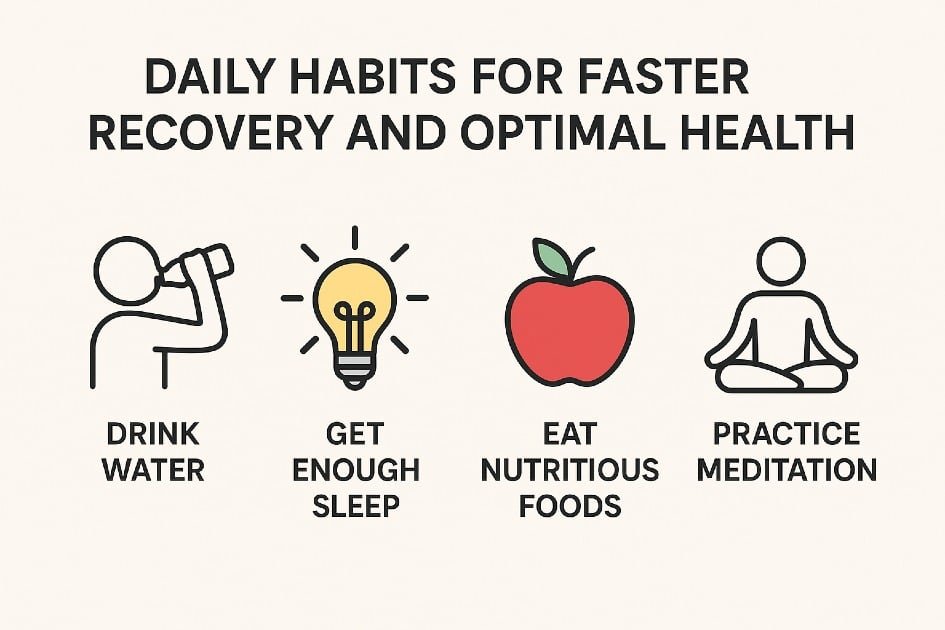

Have you ever wondered why some people bounce back from fatigue, workouts, or illness faster than others? The secret often is not a single miracle cure—it is the deliberate cultivation of daily habits that optimize your body’s natural recovery mechanisms.
Each daily habit, from mindful sleep to nutrition choices, serves as a lever influencing your energy and overall well-being.
According to Harvard Health, small daily habits like eating well, moving frequently, and prioritizing sleep are effective tools for enhancing recovery and resilience.
This guide outlines essential daily habits including hydration, mobility exercises, breathwork, and mindfulness, which help your body recover, boost mental clarity, and promote long-term health.
The Foundation of Recovery
True recovery transcends mere rest; it is a blend of science and art, driven by consistent daily habits that enhance healing, adaptation, and performance.
For athletes, professionals, and anyone focused on wellness, implementing the right daily routine can significantly accelerate the recovery process, illustrating how minor adjustments can yield substantial benefits.
Tiny Habits Boost Recovery
Neglecting a proper warm-up might appear trivial at first, but over time it can impede recovery and increase soreness. In contrast, simple daily practices, such as a brief stretching routine or drinking more water, can result in substantial benefits.
Introducing realistic micro-actions, such as a daily 10-minute mobility routine or journaling sleep and nutrition, can help identify hindrances.
I keep a short workout log each day, noting how I feel, how I slept, and how much water I drank. This simple habit boosts my energy and helps my muscles recover faster.
Daily Habits Boost Healing Fast
Consistency is crucial for effective recovery, as predictable daily habits support circadian rhythms, optimize hormone production, and enhance immune function. Irregularity confuses the body regarding repair and growth timing.
Establishing a structured routine with consistent sleep, nutrition, and light movement can enhance sleep quality and recovery.
When I started moving a little every day, staying hydrated, and stretching, my recovery became natural and easy.
Recovery Wins When Effort Meets Rest
Recovery requires a balance between rest and activity, as too much rest can weaken muscles, and excessive effort can impede healing.
Utilizing recovery devices and scheduling quiet time for mental recovery can optimize overall health outcomes.
When I started taking a 20-minute walk and doing a 10-minute stretch after work, I felt a big boost in energy. My muscles were less sore, and I slept better.

Prioritizing Sleep for Faster Recovery
Sleep is a crucial yet often undervalued habit for recovery. Prioritizing quality sleep is essential for bodily repair, rebuilding, and rejuvenation, making it a transformative daily practice.
Deep Sleep, Deep Healing
Why it matters:
Deep sleep promotes growth hormone release, aiding in muscle and tissue repair, and enhances immune system function for better recovery from exercise and stress. Conversely, inadequate sleep raises cortisol levels, which can hinder recovery and upset energy balance.
How to do it:
- Keep a regular sleep routine
- Turn your bedroom into a peaceful sleep haven
- Avoid screens an hour before bed for better sleep
- Track sleep to build better habits
Sleep Rituals That Work
Why it matters:
Small pre-sleep habits help signal to the body that it is time to wind down, enhancing sleep efficiency and reducing mental chatter that can interfere with sleep despite physical tiredness.
How to do it:
- Relax with soft lights and calm activities
- Calm your mind with lavender or chamomile
- Calm your mind with 5 minutes of daily meditation
- Warm bath before bed helps you sleep better
Napping Without Guilt
Why it matters:
Strategic naps are beneficial for replenishing energy, improving cognitive function, and aiding muscle recovery. They help prevent sleep debt without disrupting nighttime sleep.
How to do it:
- Short naps of 10 to 30 minutes boost energy and focus without leaving you groggy.
- Take a short nap in the early afternoon and skip late-evening naps to sleep well at night.
- Set up a mini-nap ritual by finding a quiet space, getting comfortable, and using a light eye mask or gentle sleep accessory.
Morning Light and Circadian Rhythm
Why it matters:
Exposure to natural light in the morning helps regulate circadian rhythms, improving sleep at night and enhancing hormone production while decreasing fatigue.
How to do it:
- Go outside within 30 minutes after waking to get natural sunlight.
- Start your day with sunlight and light movement such as a short walk or easy stretches to boost energy and mood naturally.
- Stay away from bright artificial lights at night to help your body keep a healthy sleep rhythm.
- Try red-light therapy to boost your energy when you cannot get natural sunlight.
Avoid Sleep Saboteurs
Why it matters:
Certain habits and substances disrupt deep sleep, hindering recovery. Identifying these sleep disruptors is essential for fostering daily routines that effectively promote bodily restoration.
How to do it:
- Enjoy your coffee in the morning and skip caffeine after 2 PM to sleep better at night.
- Drinking less alcohol helps you sleep better because alcohol may make you drowsy at first but breaks up deep sleep later.
- Skip big meals before bed and choose a small, light snack instead to help your body rest better.
- Put your phone away or turn on “Do Not Disturb” before bed to stop notifications from breaking your sleep.
Creating a Sleep-First Mindset
Why it matters:
Viewing sleep as an essential part of recovery transforms it into an intentional habit. Adopting a sleep-first mindset lessens feelings of guilt regarding rest and enhances commitment to additional recovery practices.
How to do it:
- Write down your sleep hours and how rest you feel each day to build a strong sleep habit.
- Make bedtime a promise you keep every night.
I combine good sleep with daily habits like drinking water and gentle exercise for full-body recovery.
Fueling Recovery With Smart Nutrition
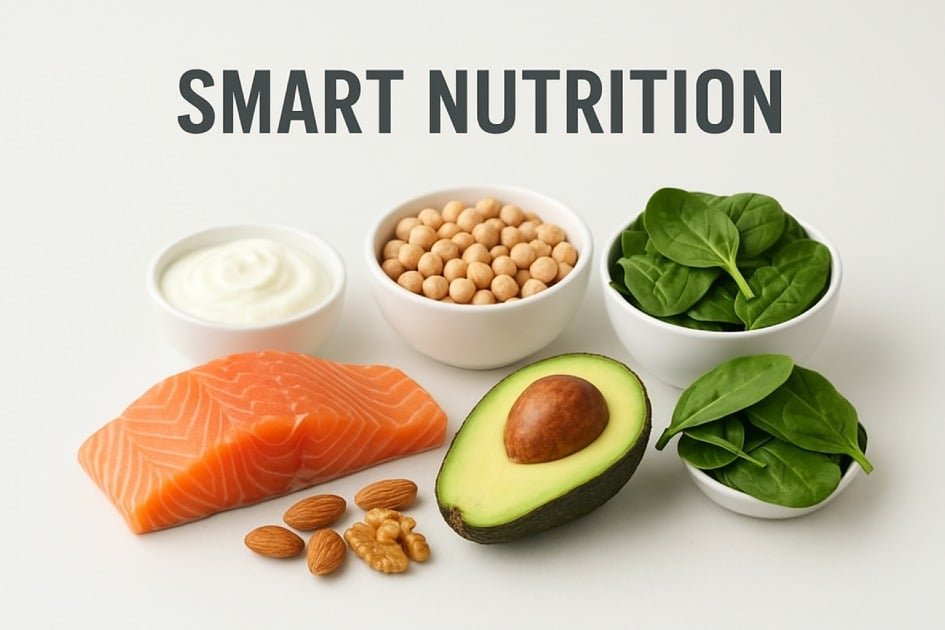
Recovery is influenced by nutrition, as the food consumed impacts muscle repair, inflammation reduction, and energy levels. Making informed dietary choices can enhance recovery, minimize soreness, and maintain peak performance.
Muscles Grow Strong with Protein Foods
Why it matters:
Protein is essential for muscle repair following physical activity, particularly strength training. It aids in healing muscle tears, and without sufficient protein, recovery can be delayed, fatigue may persist, and overall gains are restricted.
How to do it:
- Add protein to every meal with eggs, lean meat, or lentils to keep your body strong and full of energy.
- Eat 20–30 grams of protein at each meal to help your body absorb it better and build strength all day.
- Try adding quality protein supplements when you cannot get enough protein from food.
- Pair protein with complex carbs to help your body absorb nutrients better and refill energy stores.
I make protein a daily habit, so my muscles get the fuel they need to repair and stay strong.
Energize Your Day with Smart Hydration
Why it matters:
Even mild dehydration can hinder recovery, exacerbate muscle cramps, and heighten fatigue. Water plays a crucial role in nutrient transport, joint lubrication, and eliminating toxins that can impede recovery.
How to do it:
- Drink a full glass of water first thing in the morning to refresh and energize your body after sleep.
- Drink half of your body weight in ounces of water every day and increase it when you sweat or exercise hard.
- Eat water-rich foods such as cucumbers, watermelon, and oranges to stay hydrated and boost your health.
- Drink electrolytes after heavy sweating or tough workouts to restore your body’s balance and boost recovery.
I make this easy daily habit part of my routine to keep my body ready to recover and avoid feeling sluggish after workouts.
Anti-Inflammatory Foods That Speed Up Healing
Why it matters:
Chronic inflammation, often resulting from stress or exercise, hinders recovery and can cause injury, while anti-inflammatory foods facilitate quicker tissue repair.
How to do it:
- Add berries, leafy greens, and fatty fish to your meals to get antioxidants that help reduce inflammation.
- Use spices such as turmeric and ginger in your cooking because they naturally reduce inflammation and support overall health.
- Replace processed snacks with nuts and seeds, which help balance inflammatory markers.
I choose anti-inflammatory foods every day, so my body heals faster, my muscles feel less sore, and I have steady energy all day.
Fuel Recovery with Smart Meal Timing
Why it matters:
Timing of consumption is crucial; eating nutrients around workouts fuels muscle repair and mitigates fatigue.
How to do it:
- Have a balanced meal with carbs and protein one to two hours before you exercise to fuel your energy and performance.
- Refuel with protein and carbs within an hour after exercise to kickstart muscle recovery and energy restoration.
- Prepare healthy snacks every day with simple, nutrient-rich choices like Greek yogurt with fruit or protein smoothies.
- Track your food and water intake to see what helps your body recover best.
I plan my daily habits, so they feel smart, not limiting, giving me energy now and stronger results over time.
Healing Starts with a Strong Gut
Why it matters:
Healthy guts are essential for efficient nutrient absorption, strong immunity, and reduced inflammation, while poor gut health can hinder recovery despite an ideal diet.
How to do it:
- Eat fermented foods such as yogurt, kefir, or sauerkraut to boost healthy gut bacteria.
- Include plenty of high-fiber foods like vegetables, whole grains, and beans to nourish your gut bacteria and support better digestion.
- Limit processed sugar and alcohol to keep your gut healthy and balanced.
- Take a daily probiotic to help your digestion run smoothly.
I focus on gut-friendly foods every day to help my body recover faster and get stronger from training.
The Role of Active Recovery
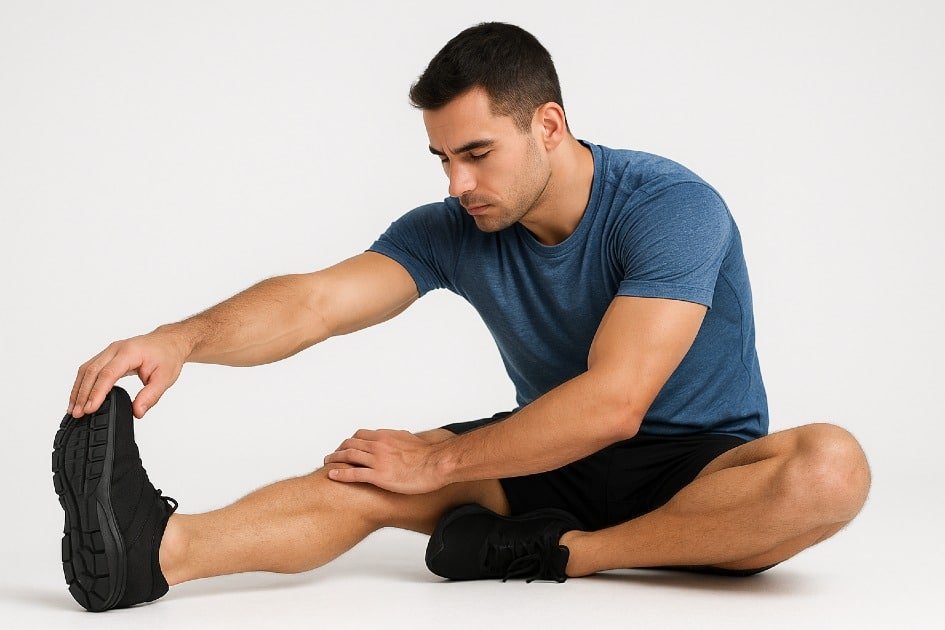
Active recovery is essential for optimal recovery, as it promotes faster healing of muscles, joints, and the nervous system, leading to increased strength and resilience.
Gentle Movement, Stronger Body
Why it matters:
After intense exercise, muscle tears and lactic acid lead to soreness. Gentle movement enhances blood flow, which aids tissue repair, reduces stiffness, prevents loss of mobility, and promotes joint health.
How to do it:
- Walk for 15–30 minutes after exercise or lengthy periods of sitting to boost circulation, improve digestion, and speed recovery.
- Try gentle yoga routines that stretch and strengthen your main muscles.
- Move through gentle yoga routines that stretch and strengthen your main muscles.
I take small, steady actions every day that build my strength and health over time.
Stay Flexible and Move Without Pain
Why it matters:
Tight muscles and restricted joints hinder recovery and elevate injury risk. Engaging in daily mobility work sustains range of motion, promoting efficient movement of muscles and tendons.
How to do it:
- Do arm circles, hip openers, and leg swings before and after exercise to keep your muscles loose and prevent injuries.
- Roll a foam roller over your calves, quads, and back to ease tension and improve flexibility.
- Rotate your wrists, shoulders, and ankles daily to stay flexible and prevent stiffness.
I move every day because staying flexible keeps me strong, eases aches, and helps me perform at my best.
Rest Days Boost Strength and Recovery
Why it matters:
Active recovery promotes healing, prevents stiffness and lethargy, and enhances circulation. It encourages consistency in fitness routines, making recovery a daily habit instead of a passive task.
How to do it:
- Try gentle activities such as walking the dog, swimming slowly, or riding your bike for fun.
- Try gentle exercises like tai chi or stretching to strengthen your body and focus your mind.
- Move with less than half your usual effort and focus on doing each movement correctly.
Daily Active Recovery for Stronger Health
Why it matters:
Consistency is essential for recovery, as daily habits accelerate progress and reduce injury risk. Incorporating active recovery into your routine fosters a feedback loop, signaling your body’s readiness for more intense work.
How to do it:
- Take 15 to 30 minutes every day or right after your workout for active recovery to help your body repair and stay strong.
- Combine recovery with daily habits such as drinking water in the morning or meditating at night to make it part of your routine.
- Monitor your progress by using a journal or fitness app to record gains in flexibility and less soreness.
I make active recovery daily because it speeds my healing and boosts my performance at the same time.

Breathwork and Stress Management
Stress can hinder recovery, affecting healing even with good nutrition, sleep, and exercise. Daily practices like breathwork and intentional stress management can enhance recovery, increase energy, and improve focus.
The Recovery Power of Deep Breathing
Why it matters:
Deep breathing activates the parasympathetic nervous system, promoting relaxation and lowering cortisol levels. It enhances oxygen supply to muscles, aiding in repair and decreasing soreness.
Regular deep breathing helps maintain a stable healing state by reducing disruptions in heart rate variability (HRV).
How to do it:
- Breathe in for four seconds, hold for four, breathe out for four, and pause for four. Repeat this cycle four to six times.
- Put one hand on your chest and the other on your belly and breathe deeply so that your belly lifts while your chest stays still. Do this for five minutes every day.
- Take 3–5 deep breaths in bed each morning to start your day calm and ready to recover.
I make this a daily habit and feel my stress fade as my body heals. Just a few minutes each day bring real, lasting improvements.
Mindfulness Speeds Up Healing
Why it matters:
Chronic stress negatively impacts sleep, digestion, and muscle repair by keeping the body in a fight-or-flight state. Mindfulness practices effectively reduce cortisol and adrenaline levels, which are harmful to tissue recovery and immune function.
How to do it:
- Try a 5–10-minute guided meditation each day with Mindful.org.
- Pause three times a day and take slow, deep breaths. Look around, stay present, and let your body relax.
- Write down your feelings and small wins each day. It helps you stay positive and focus on solutions instead of stress.
When I practice mindfulness a little each day, it adds up and helps me recover faster while keeping stress under control.
Daily Calm Rituals for Quick Recovery
Why it matters:
Mini moments of calm support the body’s natural healing and mitigate the impacts of work stress, digital overload, and emotional strain. These micro-habits enhance resilience, improving the effectiveness of other recovery practices.
How to do it:
- Take a short 2–3-minute break every few hours. Breathe in for 4 seconds, then breathe out for six.
- Step outside and enjoy the sunshine or the sound of birds.
- Tighten each muscle for 5 seconds, then slowly let go. Start with your toes and move up to your head.
When I make these rituals part of my daily routine, managing stress feels easy and natural. It turns into an effortless way to recharge my mind and body every day.

Hydration Beyond Water
Proper hydration involves more than consuming water; it requires electrolytes and nutrient-rich fluids for optimal recovery, energy enhancement, and overall health support.
Why Your Body Needs More Than Just Water
Why it matters:
Electrolytes such as sodium, potassium, magnesium, and calcium play a crucial role in regulating fluid balance in cells. Sweating results in the loss of these electrolytes, potentially causing fatigue, cramps, and delayed recovery.
Proper electrolyte balance is essential for effective muscle contraction, optimal nervous system function, and overall recovery processes.
How to do it:
- Drink electrolyte-rich beverages like hydration mixes after tough workouts to stay hydrated.
- Choose whole foods that supply natural electrolytes, such as bananas, spinach, avocados, sweet potatoes, and nuts.
- Make your own simple electrolyte drink by stirring water with a little salt, fresh citrus juice, and a small spoon of honey.
- Watch for signs of low electrolytes such as dizziness, unusual tiredness, or a fast or uneven heartbeat, and adjust your daily habits when they appear.
Morning Hydration Boosts Faster Recovery
Why it matters:
Morning hydration is essential as the body loses fluids overnight. Proper hydration supports digestion, brain function, and energy levels, leading to more productive mornings.
How to do it:
- Start your morning by drinking a full glass of water with added lemon slice to boost flavor and give your body a fresh dose of antioxidants.
- Drink a small glass of natural fruit juice or an electrolyte drink to replace the minerals your body loses.
- Drink water before caffeinated drinks because caffeine can make you lose fluids.
- Stick to this routine by marking it in your planner or setting a phone reminder to build a strong daily habit.
Hydrating Foods That Support Cellular Repair
Why it matters:
Many foods with high water content and essential nutrients promote cellular recovery, enhance skin elasticity, improve joint lubrication, and speed up muscle repair.
How to do it:
- Include water-rich fruits and vegetables like cucumbers, watermelon, oranges, and berries in your diet to stay hydrated and boost your health.
- Add chia or flax seeds to your smoothies to hold water and keep your body hydrated.
- Drink soups or broths as snacks or meals because they keep you hydrated and provide protein and minerals.
- Build your meals with food that keep your body hydrated in diverse ways.
Smart Hydration Made Easy for Busy Days
Why it matters:
Maintaining daily hydration can be challenging due to busy schedules, leading to slower recovery, decreased cognitive function, and increased bodily stress. Developing consistent hydration habits can prevent lapses and enhance overall performance.
How to do it:
- Carry a reusable water bottle with you all day to stay hydrated and support your health.
- Drink small sips of water every hour by setting phone reminders.
- Add fresh fruits or herbs like mint, berries, or cucumber to water to boost flavor and nutrients.
- Keep a daily record of what you eat using an app or journal to make healthy habits measurable and consistent.
Quick Recovery Drinks to Add to Your Routine
Why it matters:
Post-workout fluids are essential for muscle repair, glycogen replenishment, and cell rehydration. Drinks containing natural sugars, electrolytes, and amino acids can significantly enhance recovery speed, and support efficient healing when incorporated into daily habits.
How to do it:
- Mix protein powder, coconut water, and fruits to make a refreshing recovery shake perfectly after training.
- Grab ready-made electrolyte drinks for a quick hydration boost anywhere.
- Drink herbal teas such as chamomile or rooibos to stay hydrated and calm inflammation.
I switch up my drinks each day to keep things interesting and make it easier to stick to healthy habits. This simple change helps me stay consistent and enjoy every sip without getting bored.
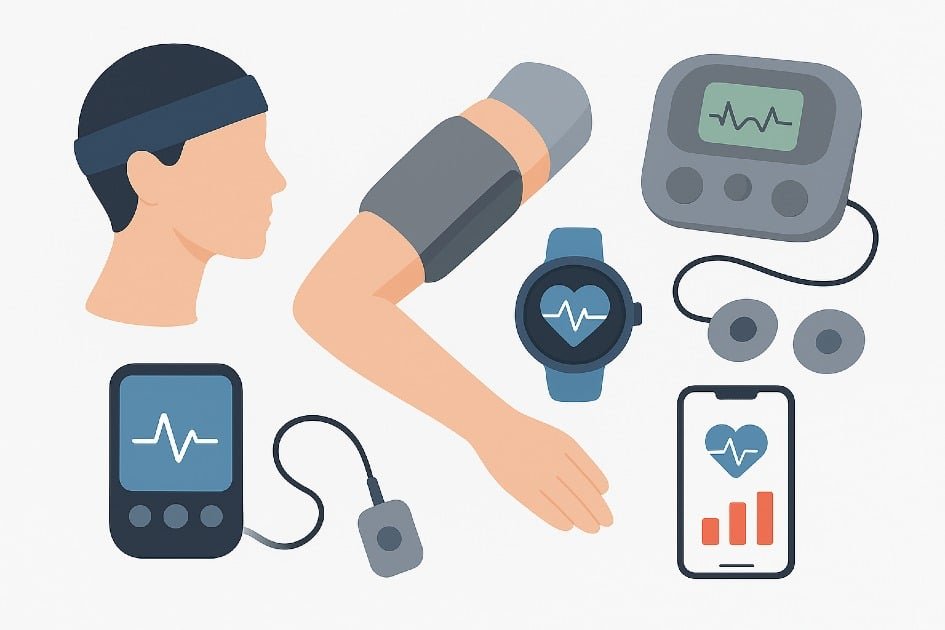
Technology and Tools That Enhance Recovery
Efficient recovery relies on utilizing smart technology and recovery tools, integrating daily habits that enhance body resilience, reduce soreness, and improve overall performance.
Wearables That Track Sleep and Recovery Metrics
Why it matters:
Understanding your body’s recovery patterns is vital. Wearables offer real-time insights into sleep quality, heart rate variability (HRV), and stress levels, guiding you on when to exert effort and when to focus on rest.
How to do it:
- Choose devices that monitor heart rate variability, sleep patterns, and daily activity.
- Monitor your sleep, steps, and recovery daily to improve health and energy.
- Track your weekly progress to improve workouts, daily habits, and rest.
- If your HRV is low, choose gentle stretching instead of a hard workout to help your body recover and stay strong.
I listen to my body every day, learning what it needs so I stay strong without overdoing it or getting burned out.
Foam Rollers, Massage Guns, and Cold Therapy
Why it matters:
Muscle tightness, inflammation, and soreness can hinder recovery, but physical tools can help by targeting specific areas, enhancing blood flow, and decreasing lactic acid build-up, thus accelerating healing.
How to do it:
- Apply foam rollers for 5 to 10 minutes on large muscles. Target tight or sore spots to improve movement and flexibility.
- Spend two minutes on each muscle group using massage gun after your workout. Keep the intensity safe and stop before it hurts.
- Apply cold therapy to sore muscles for 5–10 minutes right after intense exercise to reduce inflammation and speed recovery.
I use these tools every day to stay strong, avoid injuries, and keep my muscles ready for action.
Compression Gear for Faster Recovery
Why it matters:
Compression garments enhance circulation and minimize swelling, particularly post-exercise, aiding in quick recovery and assisting muscles in eliminating metabolic waste.
How to do it:
- Wear compression gear during or after exercise and target your calves, thighs, or arms based on the workout.
- Try using compression gear with a foam roller or drinking water to boost recovery.
I use compression gear consistently to boost my performance and train smarter every day.
Light and Heat Therapy Devices
Why it matters:
Targeted light and heat therapy enhances tissue repair, decreases inflammation, and increases cellular energy, making it effective for chronic soreness and fatigue.
How to do it:
- Use infrared light panels on sore areas for 10 to 15 minutes every day to ease pain and boost recovery.
- Apply heat pads to stiff muscles to boost blood flow and increase flexibility.
- Always follow the recommended usage and take regular breaks between sessions to stay safe and healthy.
I boost my recovery and overall well-being by making this a daily habit.

Social and Emotional Habits for Recovery
Recovering from physical exertion or mental stress involves more than just sleep, nutrition, or stretching; it also significantly depends on social and emotional habits. Integrating these habits into your daily routine enhances the recovery process, leading to a more holistic and sustainable approach.
The Healing Power of Support Systems
Why it matters:
Humans are social beings, and isolation can increase stress, hinder recovery, and lower motivation. Interaction with supportive friends, family, or peers boosts emotional resilience, decreases stress hormones, and encourages positive recovery.
How to do it:
- Connect with a close friend weekly through a 15-minute call or text to boost your mood and recharge your energy.
- Connect with supportive communities by joining local fitness groups, recovery forums, or online platforms.
I like to go for walks with friends because moving together lifts my mood and keeps my body healthy.
Laughter and Friendship Heal the Body
Why it matters:
Laughter and shared experiences lower cortisol levels, enhance immune function, and promote endorphin release, contributing to physiological recovery through emotional connection.
How to do it:
- Try scheduling weekly games or outdoor activities to add fun and lift your spirits during recovery.
- Enjoy funny content every day by watching a quick comedy show or listening to a humorous podcast.
- Helping others boosts oxytocin and supports both emotional and physical healing.
After tough workouts, laughing with someone I love helps me recover faster than any supplement. Making this daily habit turns recovery into something fun, not a chore.
Guard Your Energy with Healthy Boundaries
Why it matters:
Overcommitting socially or emotionally can drain energy and disrupt sleep, affecting recovery. Setting boundaries is essential for allowing the body and mind to rest.
How to do it:
- Protect your energy by politely refusing non-essential tasks so you can focus on activities that help you recover and recharge.
- Spend 30–60 minutes each day in quiet, reflecting or meditating to recharge your mind and boost focus.
- Focus on relationships that lift you up and spend less time with people who drain your energy.
I practice setting boundaries every day. It has become natural and helps me stay emotionally strong and recover physically faster.
Building a Daily Habit of Gratitude
Why it matters:
Gratitude alters perspective by acknowledging progress, which lowers stress and encourages positive behavior, aiding recovery processes.
How to do it:
- Start your day by listing three things you are grateful for in a journal.
- Show gratitude by sending a short message to someone who makes your life better.
I end my day by noticing what I accomplished. This helps me stay motivated and focused for tomorrow.

Tune In to Your Body for Faster Recovery
Listening to your body is crucial for recovery and well-being. By heeding signals such as fatigue and soreness, one can prevent overtraining and enhance healing, leading to increased vibrancy.
Recognize Signs of Recovery vs. Overtraining
Why it matters:
Ignoring bodily signals can result in burnout or injuries. It is essential to distinguish between normal fatigue and overtraining warning signs to ensure consistent and sustainable recovery.
How to do it:
- Start each day by logging your energy in a journal or app.
- If soreness lasts more than a day, your muscles may need extra care and recovery.
- Notice shifts in your mood, sleep, or appetite since they often signal stress or poor recovery.
- Notice your body’s signals and switch tough workouts to gentle activities like walking or yoga.
Tune Into Muscle and Joint Feedback
Why it matters:
Your muscles and joints provide important feedback on your physical capabilities; neglecting signs of stiffness or pain may worsen injuries and hinder your progress.
How to do it:
- Scan your body before working out and notice how your neck, shoulders, back, hips, and knees feel.
- Loosen tight muscles with gentle stretches or foam rolling to get your body ready and reduce the risk of strain.
- Relieve persistent muscle tension by using a massage gun or compression sleeve.
- Note which movements feel easy and which feel forced; adjust your exercise accordingly.
Adapt Your Daily Habit to Energy Fluctuations
Why it matters:
Energy levels fluctuate, and understanding these variations can enhance performance and ensure proper recovery. Neglecting these signals may result in burnout or lost progress.
How to do it:
- Notice when your energy peaks during the day and schedule your hardest workouts for that time to get the best results.
- If you feel tired, replace heavy lifting with lighter workouts to keep your strength and energy up.
- Take short breaks while working or doing chores to keep your energy steady and your focus sharp.
- Drink enough water and eat proteins, healthy fats, and complex carbs to keep your energy steady and strong.
Respond to Pain Signals Proactively
Why it matters:
Pain serves as a signal for the body to encourage adjustments; prompt response can help prevent chronic injuries and speed up recovery.
How to do it:
- Muscle soreness feels like a dull ache after exercise and usually improves with rest.
- Try cold therapy, gentle compression, or specific stretches to reduce swelling and ease pain.
- Ease up or skip workouts that cause pain and focus on healing first.
Practice Mindful Movement
Why it matters:
Mindful movement improves body intelligence, corrects posture, and prevents strain, promoting safe training by encouraging awareness of bodily signals.
How to do it:
- Move with control and focus on the muscles you are working to get the best results.
- Practice yoga, Pilates, or tai chi to boost flexibility and improve coordination.
- Breathe with purpose, exhaling as you push and inhaling as you relax.
- Watch yourself in a mirror or record your movements to ensure your posture and technique are correct.
Adjust Recovery Routines Based on Feedback
Why it matters:
No two days are identical, and being responsive to your body helps maintain flexibility and effectiveness in daily habits, preventing stagnation.
How to do it:
- Focus on rest when your sleep is weak instead of pushing through tough workouts.
- If you feel very tired, replace gym workouts with gentle walks or simple stretches.
- Use recovery methods like sauna sessions, massages, or deep tissue rolling to relax muscles and boost overall health.
- Track your recovery in a journal to spot patterns and make smarter routine choices.
Set Up a Daily Habit of Reflection
Why it matters:
Reflection enhances awareness of body cues and consistency, while a daily habit of self-checking helps recognize signs of overexertion.
How to do it:
- Take five minutes each evening to check in with your body and notice how it feels.
- Track your daily energy, soreness, mood, and sleep to stay in tune with your body and boost overall well-being.
I use today’s notes to tweak my workout, meals, and rest for tomorrow.
Recap: Unlocking Your Full Recovery Potential
Recovery is not merely about rest, but a deliberate process shaped by daily habits. Choosing healthy meals, staying hydrated, and engaging in gentle exercises cumulatively enhances well-being and resilience.
According to Harvard Health, recovery involves actively renewing strength, resilience, and purpose through movement, nutrition, and mindset, rather than merely waiting to heal.
Consistency in these habits, even on difficult days, helps maintain progress. Utilizing tools like recovery supplements and fitness trackers can further optimize outcomes.
Ultimately, nurturing daily habits nurtures both physical and mental resilience, transforming conscious efforts into instinctive routines that support vitality.
Start refining your habits today and witness the profound impact on your recovery journey.
Frequently Asked Questions
How long does it take to notice results from recovery habits?
Recovery varies for everyone, influenced by age, activity level, and health. Improvements in energy and mobility may appear within days through daily habits like stretching and hydration. However, significant recovery, such as muscle regeneration, can take weeks.
Consistent practices, including recovery supplements and ergonomic sleep aids, enhance results, emphasizing the importance of daily habits over quick solutions.
What is the single most impactful daily habit for faster recovery?
Prioritizing quality sleep is essential for recovery, as it triggers hormone release that repairs tissues and improves mental clarity.
Incorporating daily habits such as mindful breathing or light mobility exercises optimizes this recovery process. Tools like sleep trackers and weighted blankets can further enhance sleep quality.
Can I recover effectively without a strict 8-hour sleep schedule?
The body benefits from consistency in sleep rather than duration. If 8 hours is not possible, shorter restorative sessions and daily habits like power naps, evening hydration, or magnesium-rich snacks can help.
Sleep aids or herbal teas may also support these micro-recovery sessions to enhance restoration despite varied sleep lengths.
Do recovery habits differ for athletes compared to non-athletes?
Athletes should adopt structured daily habits for micro-recovery, including mobility drills, targeted supplementation, and cryotherapy, while non-athletes benefit from general restorative practices such as stress reduction, hydration, and gentle movement.
Both can utilize tools like foam rollers or recovery apps to monitor progress and support positive habits.
How can I maintain recovery routines when life gets busy?
Consistency is essential for recovery. Incorporate small habits into daily routines, such as stretching while watching TV, sipping electrolyte drinks at work, or taking brief mindfulness breaks.
Utilizing reminders or productivity tools can enhance these practices, and even five-minute daily interventions can lead to significant long-term benefits.
Which foods or supplements enhance daily recovery the most?
Recovery-focused nutrition is crucial for daily health, emphasizing the importance of protein-rich foods for tissue repair, anti-inflammatory options like fatty fish and turmeric, and electrolyte-rich beverages for hydration.
Using protein powders or multivitamins can enhance convenience and support cellular repair, promoting consistent nutrient availability for bodily restoration.
How can I measure if my daily recovery habits are working?
Monitoring metrics such as sleep quality, energy levels, soreness, and mental sharpness daily can offer valuable insights.
Engaging in daily practices like journaling or using wearables allows for reflection and understanding of which interventions, such as stretching, hydration, or supplementation, are most effective in optimizing well-being.
Is active recovery more effective than complete rest?
Active recovery practices, such as gentle yoga, mobility drills, or light walking, complement traditional rest by enhancing circulation, reducing stiffness, and facilitating faster nutrient delivery to muscles.
Incorporating at least 10 minutes of movement daily can significantly boost recovery, with the use of massage guns or foam rollers further amplifying these benefits.
Can stress management improve my recovery outcomes?
Chronic stress impedes healing and heightens inflammation. Engaging in daily practices such as meditation, breathwork, or journaling can help manage cortisol levels and enhance recovery.
Additionally, mindfulness app and calming teas can support stress reduction and restorative habits.
Are micro-habits worth the effort for recovery?
Small, intentional daily habits can have a cumulative effect over time. Brief interventions, such as a 2-minute stretch or mindfulness exercise, contribute to significant changes.
When these micro-habits are paired with tools like recovery kits or wearable trackers, they help maintain a consistent regenerative state in the body.