
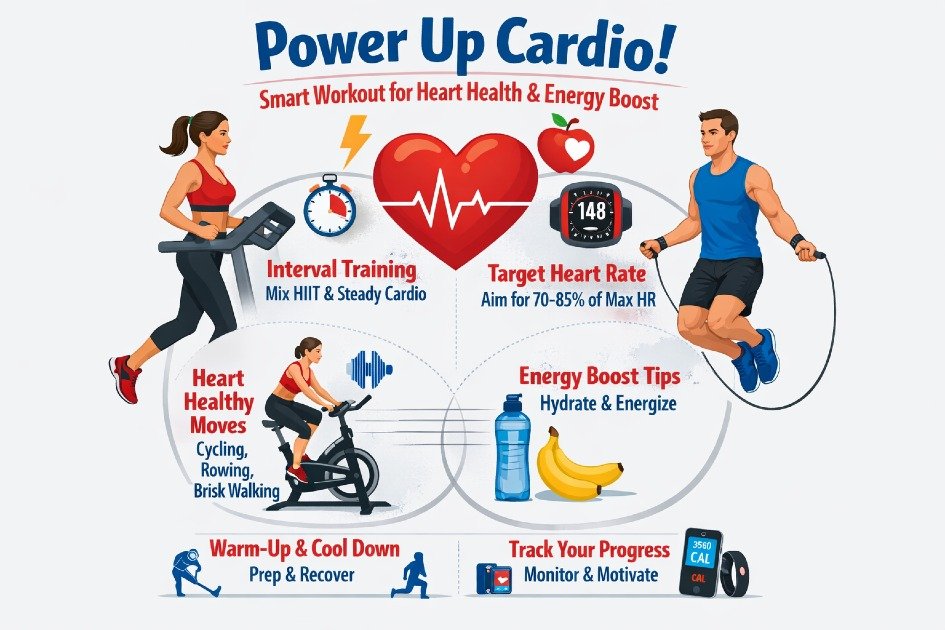

Have you ever wondered why some people seem to get the most out of every cardio session while others struggle to see results, no matter how hard they push?
To achieve maximum benefits from cardio, it is essential to approach workouts intelligently rather than just focusing on duration or intensity.
Smart cardio can enhance heart health, boost energy, sharpen mental clarity, accelerate fat metabolism, and improve immune resilience.
By understanding the difference between steady-state and high-intensity interval training, individuals can customize their workouts to suit their fitness levels and goals.
Incorporating recovery strategies, strength training, and nutrition optimizes results. Small lifestyle changes, such as proper hydration and balanced fueling, can also lead to significant improvements over time.
This guide empowers individuals to transform their fitness journeys, turning each cardio session into a vital investment in their overall health.
Can cardio boost your overall health
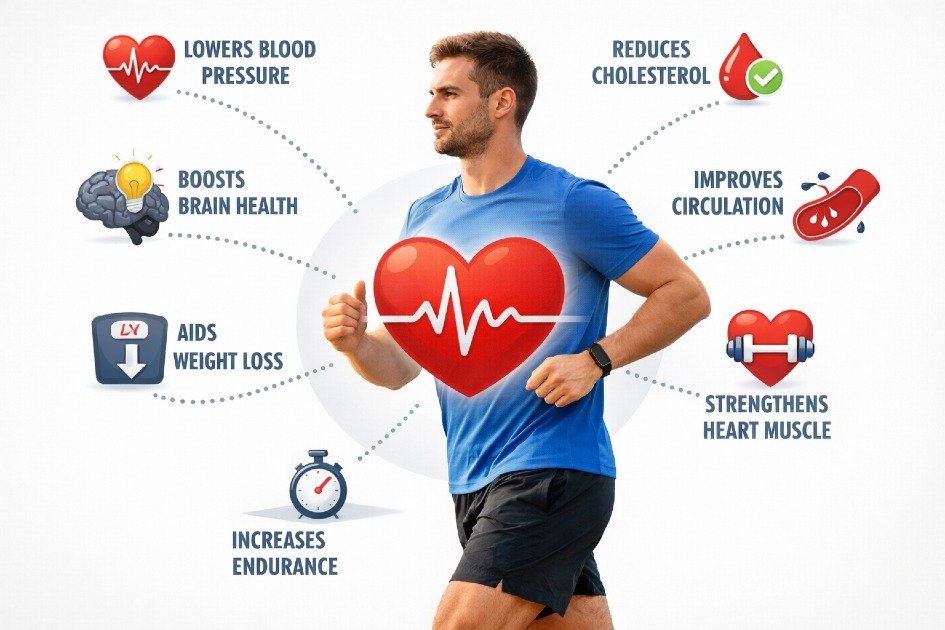
Some people skip cardio because they want fast results. Regular cardio keeps the heart strong and helps the body work better every day. Its benefits go far beyond weight loss and support long-term health.
How does cardio protect your heart?
Heart problems cause more deaths worldwide than any other illness, yet many adults skip simple prevention. They often trust food choices or rare workouts alone, instead of building daily habits that truly protect the heart and blood vessels.
Regular cardio like walking, biking, or short bursts of movement make your heart stronger and helps blood flow better. It supports steady and balanced blood pressure. Just 30 minutes a day, a few times each week, can lower the risk of serious heart problems.
I started jogging for 20 minutes each day and used a heart rate monitor to stay on track. After a few months, I could go longer without getting tired, and my blood pressure stayed steady. I felt more awake and focused all day.
Can cardio boost your brain and mental clarity?
Some people see cardio training as a way of living. This mindset leaves real problems behind. Stress builds up, thinking feels cloudy, and memory slips over time.
Cardio exercise helps the brain grow stronger by sending more blood and oxygen to it. This boost lifts mood, sharpens focus, and lowers stress and worry. Simple workouts like biking or walking work well and adding calm breathing makes the benefits even better.
I began pairing my daily walks with wireless earbuds and calming audio. The change surprised me. I focused better on work and stayed calm when stress hit. Walking no longer felt like just exercise. It refreshed my mind and strengthened my body at the same time.
How can smart cardio combat chronic health issues?
Long-term health problems like diabetes, obesity, and high blood pressure keep rising, yet medicine alone often does not solve them. Many people now look for lasting, practical ways to support their treatment and feel better every day.
Regular cardio exercise helps your body use sugar better, control weight, and stay healthy. Gentle choices like swimming or using an elliptical protect your joints while still strengthening your heart. Fitness apps or smart trackers help you see progress and stay motivated.
I started using a fitness tracker during my workouts to watch my heart rate, steps, and calories. After a few months, my blood sugar improved, and I felt more confident about my health.
Which cardio works best for your body type?
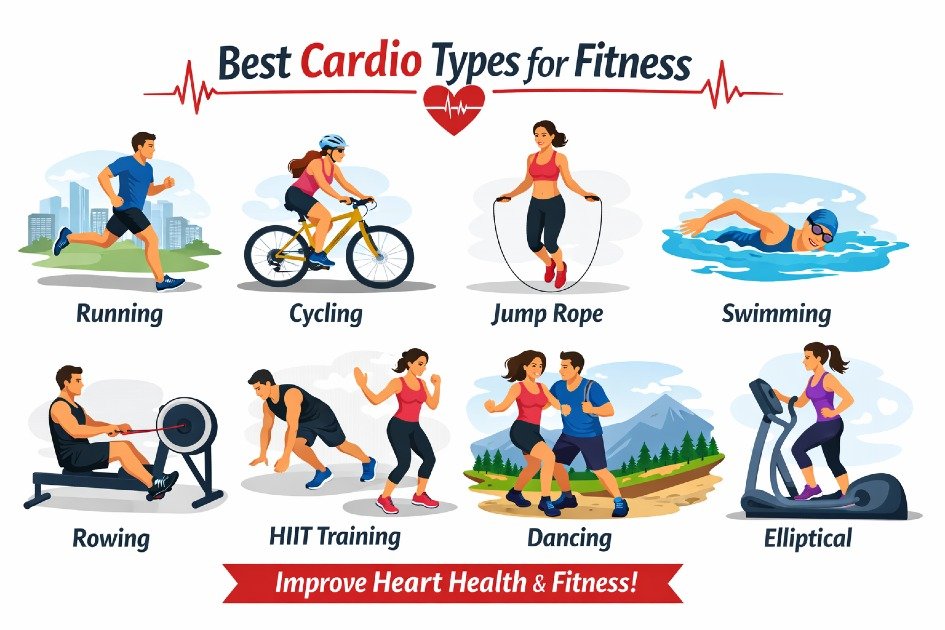
Picking the right cardio workout matters. It affects your energy, mood, and chance of getting hurt. When you choose an activity that fits your daily life, fitness goals, and body needs, exercise feels easier and more fun.
Does steady pace or intense bursts better for you?
Jogging at the same pace on a treadmill can slow your progress because your heart and lungs stop getting challenged, so results stall even though you keep burning calories.
Switching between steady workouts and short bursts of intense effort helps your body work better. The steady pace builds stamina, while the hard bursts raise your heart rate and burn more fat. Quick rest breaks let you recover so your body adapts and grows stronger with each session.
I use HIIT interval timer when I switched between two minutes of fast running and three minutes of brisk walking. My stamina grew, and I started burning fat faster without feeling drained.
Will low-impact moves boost fitness too?
Some people with joint pain skip workouts that involve jumping or pounding the ground. They worry these movements may worsen knee or ankle problems, so they choose to avoid them to protect their joints.
Low-impact activities like swimming, rowing, or using an elliptical raise your heart rate without putting much pressure on your joints. Keep your effort steady so your heart stays active, and focus on doing it often, because regular movement matters more than going all out.
After having knee injury, I switched to the elliptical trainer and felt a big change. I could go 45 minutes straight without pain. My heart stayed strong, and I got the same benefits I would from running, but my joints stayed happy.
Can mixing cardio boost fitness faster?
Some people get stuck doing the same exercises, which makes workouts feel dull. Energy drops, interest fades, and progress slow.
Switching between activities like swimming, cycling, dancing, or hiking strengthens different muscles, keeps your energy up, reduces the risk of injury, and makes exercise more fun.
I added cycling and dance workouts to my weekly runs. I wore a heart rate monitor to stay in my ideal zone. The variety kept me motivated, boosted my stamina, and made exercise feel exciting again.

How often should you do cardio?
Focusing on smart, well-planned cardio matters more than exercising every day. Doing it often without a strategy will not bring the best results.
Do you need cardio every day to be healthy?
Beginners often engage themselves to exercise every day, which can cause tiredness, injuries, or burnout and slow down progress over time.
Adults should exercise three to five times a week, mixing intense bursts with gentler movements. This approach strengthens the heart, boosts energy, improves muscle endurance, and helps the body recover.
I used to push myself six days a week, but I barely saw any progress and felt wiped out all the time. When I switched to four days of high-intensity intervals and cycling, my energy and stamina soared. I wore a heart rate monitor to make sure I was not overdoing it.
What cardio time boosts your health most?
A 20-minute jog may not always give your heart and lungs enough challenge, while running too long can tire muscles or offer fewer benefits.
A good workout lasts 25–45 minutes for steady effort or 15–25 minutes for intense bursts. Start with a warm-up, push through your peak, and finish with a cool-down to strengthen your heart and protect your joints and muscles.
I tried 15-minute HIIT workouts and felt my lungs working harder than during my long runs. Starting with resistance band stretches helped me move better, eased soreness, and made every minute of exercise more effective.
Can overdoing cardio be harmful to your body?
Pushing your body too hard with constant exercise can slow your progress. It may leave you tired all the time, disrupt hormones, and strain your heart, even when you think more effort always brings better results.
Taking one easy activity day each week, like walking, swimming, or yoga, and including a lighter week of exercise helps your body recharge, lowers the chance of injury, and keeps your heart strong.
After cycling hard every day for a month, my joints ached and mornings felt slow. I started taking rest days using foam roller to stretch, and suddenly my rides felt easier and longer. I learned that recovery is not slacking, it is part of getting stronger and going further.
What moves keep you healthy?
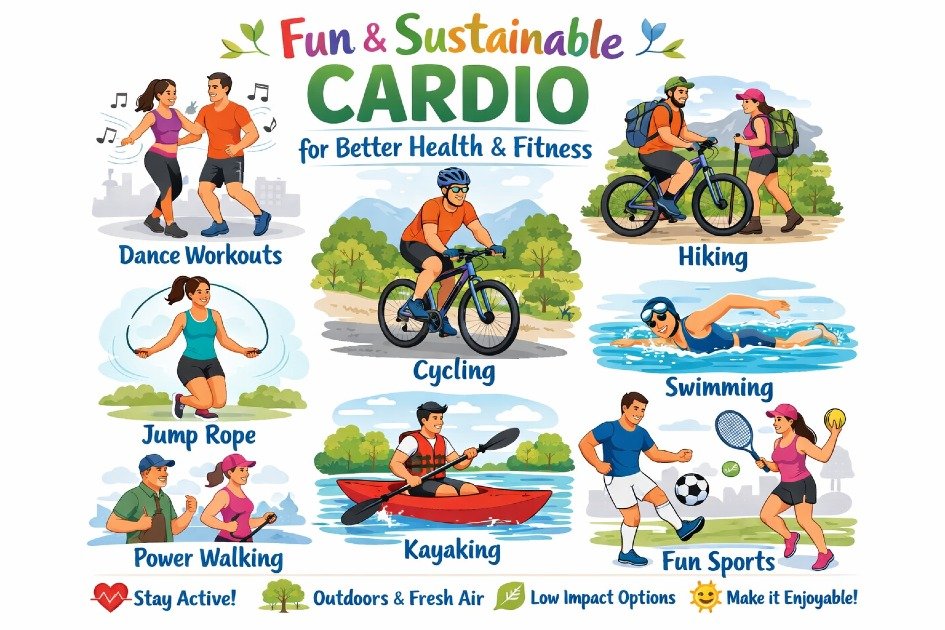
Cardio feels excited when you mix in fun and creativity, turning it from a boring task into something you enjoy.
How can daily tasks give you a cardio boost?
Many people find cardio exercise dull, which makes it easy to skip sessions and difficult to stay consistent, even for a few minutes.
Elevate your heart rate with activities like Zumba, paddleboarding, or martial arts which helps your muscles work harder and keeps your workouts exciting. Quick bursts, like sprinting to the next lamppost during a walk, boost intensity and make exercise feel less boring.
I swapped treadmill time for short hikes and online dance sessions. My energy soared, and I felt stronger with each workout. Using my smart fitness tracker, I could see my heart rate climb during these fun sessions, proving I was making real progress.
Can technology track your progress daily?
Keeping track and staying motivated can be tough for anyone who exercises. Without clear feedback, it is hard to see progress, and many give up too soon.
Technology makes exercise more fun and effective by turning workouts into games. Apps give instant feedback, show progress on leaderboards, and offer virtual coaching. Wearable devices track heart rate, calories, and distance, helping you adjust effort safely and get better results.
I added the companion app to my weekly workouts and started setting small goals each session. Chasing my own records made each run exciting instead of boring. After just a few weeks, I could go farther and feel stronger than before.
How do group workouts make fitness fun?
Working out alone can drain motivation. When results feel slow or invisible, it is easy to skip sessions. Without someone to keep you accountable, staying consistent becomes much harder.
Joining group workouts, local running clubs, or online challenges keeps you motivated because friends and coaches encourage you along the way. Trainers guide safe workouts, and simple step challenges keep staying active, exciting and easy to enjoy.
Joining a virtual fitness challenge with my friends completely changed my routine. Weekly check-ins and cheers kept me on track, and I found new favorite workouts like HIIT boxing. Using a heart-rate monitor helped me push myself safely during group sessions.

How can food boost your heart strength?
Eating the right foods powers your heart workouts. Without enough fuel, energy drops, focus fades, and exercise feels harder. With proper nutrition, even though routines become energizing and motivating.
Which foods power up your cardio workouts?
Some people exercises without planning meals, grabbing quick snacks or caffeine, leading to blood sugar fluctuations and premature fatigue that undermine endurance.
Eat wholesome carbs and lean proteins like oats or quinoa before your workout to keep energy steady. Have them about an hour before and drink fluids with electrolytes to stay hydrated and avoid muscle cramps.
I used to hit a wall halfway through my runs until I tried a small pre-workout snack. A slice of whole-grain toast with almond butter and a few berries gave me steady energy. Sipping a quality electrolyte drink kept me going even in early morning sessions.
Can snacks boost your cardio performance?
Skipping meals before or after workouts can make your body break down muscle for fuel. This slows recovery and weakens your strength over time.
Fueling up with a small snack of whole grains and a bit of protein boosts your workout energy. After exercise, eating protein with some carbs helps muscles recover and restores energy for the next session.
Since I started a post-workout routine with plant protein powder, almond milk, and spinach, my muscles feel less sore and I bounce back faster. My workouts feel easier, and I have more energy all week.
Can hydration boost your running power?
Even small fluid loss can make your heart work harder, weaken your body faster, and make exercise feel tougher. Losing water and electrolytes through sweat adds to the strain, so staying hydrated helps you perform at your best.
Drink water regularly to stay hydrated and keep your muscles working well. For difficult workouts, try drinking with electrolytes since sodium, potassium, and magnesium help muscles move smoothly and prevent cramps.
Adding electrolyte powder to my daily routine changed my long runs. I felt strong all the way through, bounced back faster, and enjoyed the process instead of dragging myself along.
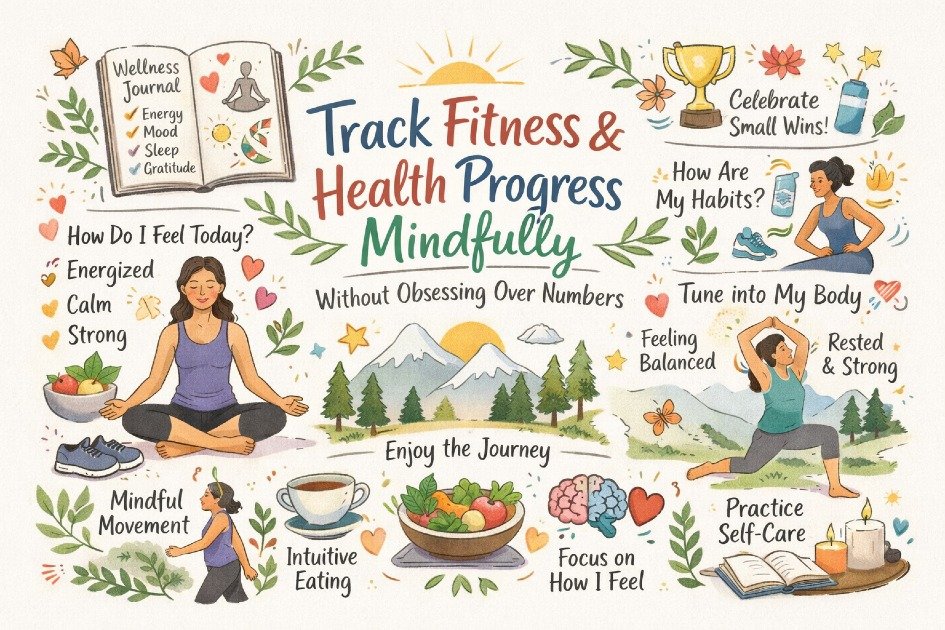
Simple measures to track progress every day
Keeping an eye on your cardio helps you improve, but obsessing over every step, calorie, or heartbeat can cause stress instead of progress. Focus on smart tracking that guides you, not constant monitoring that wears you down.
Which metrics truly reflect your cardio progress?
Walking more steps or burning extra calories does not always mean you are getting fitter. Pushing too hard can lead to overtraining or frustration when progress slows, even though your body is still improving.
Track your heart and stamina by noticing how far you can go and how quickly you bounce back. Pay attention to changes in your heartbeat and how hard your body feels at work. Writing down your energy and endurance makes it easier to see real progress.
When I started wearing the heart rate monitor, I stopped worrying about every calorie and started noticing real gains in my endurance. Within a few weeks, I could push myself longer and feel stronger, focusing on steady progress instead of perfection.
Are fitness trackers worth tracking your workouts?
Fitness wearables track every step and heartbeat, but too much data can stress users. Missing a goal can leave people feeling frustrated, even if they are making real progress.
Use your devices to guide you, not control you. Focus on big-picture goals like raising your weekly active minutes or boosting average heart rate zones. Turn on alerts only for meaningful progress, not every slight change.
I used the Garmin Vivosmart for six months and focused only on alerts for my heart rate zone and weekly distance. Over time, my endurance grew, and exercise started feeling rewarding instead of a chore.
How do you know if your cardio is working?
Some people focus on numbers or the scale, but they miss the bigger picture. Feeling tired, sore, or seeing slight changes can make you doubt your progress, even when your body is getting stronger and healthier.
Track your fitness by paying attention to how you feel during and after exercise, noticing your energy through the day, and seeing how easily you move. Evaluate your progress with timed runs or counting repetitions to get a sense of improvement beyond numbers.
I used my polar tracker while keeping a weekly log of my energy and endurance. Watching my runs get longer and my recovery faster gave me confidence. Tracking numbers and how I felt together kept me motivated and consistent.
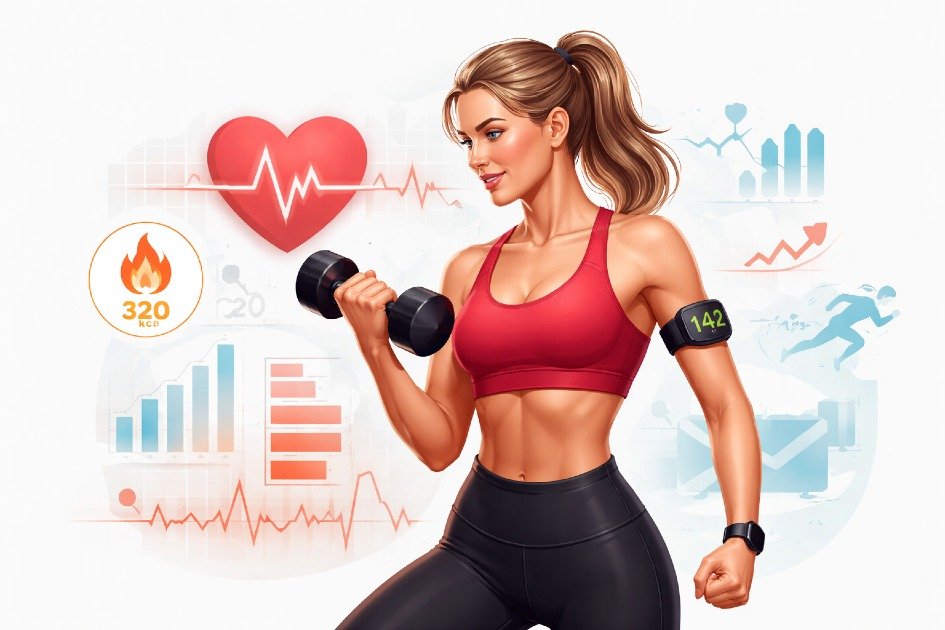
Can strength training boost your cardio?
Mixing strength exercises with cardio workouts boosts stamina and overall fitness. This balanced approach keeps workouts fresh and may work better than just doing more running or cycling.
How building muscle boosts your stamina naturally?
Relying only on endurance exercise can backfire because weak or uneven muscles make your movements sloppy, feeling weaker, and put extra stress on your joints during long runs or bike rides.
Adding exercises like squats, deadlifts, and lunges builds strong muscles that help you run better and absorb impact. Just 20-30 minutes a few times a week can make a noticeable difference.
I started adding just two strength workouts a week and noticed my stamina skyrocket. I could run farther, recover faster, and tackle hills without my heart racing out of control. Using adjustable dumbbells at home let me switch exercises easily, and my energy on every ride felt stronger than ever.
How does strength training protect you?
High-intensity exercise can stress your joints and tendons, leading to injuries like strains, tendon pain, or small fractures that slow progress and sap motivation.
Training stabilizer muscles with moves like single-leg deadlifts, planks with shoulder taps, and resistance band exercises build stronger joints, lowers injury risk, and helps your body move more efficiently.
A few months back, my knees hurt every time I went for a run. I started doing simple strength exercises for my hips and glutes using resistance bands. The pain vanished, my runs felt easier, and my legs recover faster afterward.
Why strength workouts saves time on cardio?
Some people find it difficult to fit long workouts into their day. Spending an hour on the same exercises feels tiring and often results in stalls when the body gets used to the routine.
Hybrid workouts that mix strength moves with fast-paced exercises burn more calories, work several muscles at once, and strengthen your heart, giving better results in less time.
I tried a fast circuit with kettlebell swings, push-ups, and jump rope. I finished my workout 20 minutes sooner, yet my stamina and strength both grew. Every session felt focused and fun, showing me that smart strength training can deliver big results in less time.
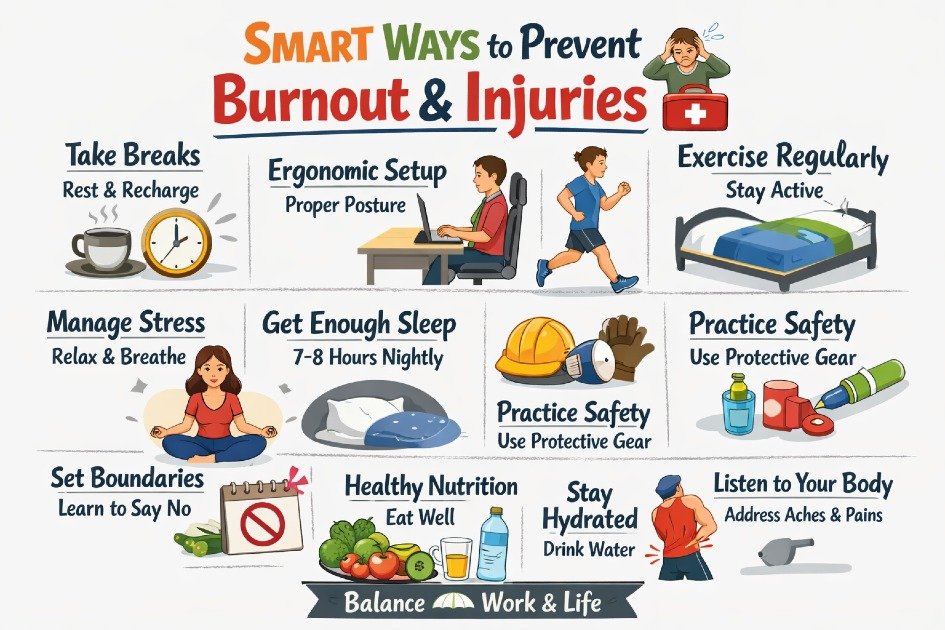
Smart ways to prevent burnout and injuries
Feeling worn out after exercise means your body needs a smarter approach. Focus on good form and enough rest to avoid injuries, build strength, and enjoy every workout.
How do warm-ups keep your heart safe?
Skipping warm-ups and cool-downs makes muscles tight and joints sore. Sudden starts or stops during exercise can also put extra stress on the heart and raise the risk of small injuries.
Spend 5 to 10 minutes warming up to wake your muscles and get blood moving. This step helps your heart and joints work safely. After exercise, slow down and stretch gently to help your body clear waste that causes soreness and speeds recovery.
I used to skip warm-ups before my daily runs, and my knees paid the price with constant aches. When I added a simple warm-up and gentle stretches after, my body felt stronger and less sore. Using a foam roller helped loosen tight muscles and made recovery faster.
How can recovery boost your performance fast?
Training too hard without rest can slow your results and raise the chance of injury. When you ignore your body’s need to recover, muscles stay sore, swelling builds up, and energy drops fast.
Add easy movement like brisk walks or gentle cycling between intense workouts to help your body heal. Get good sleep, drink enough water, and use warm and cool showers to soothe tired muscles. Check changes in your heart rhythm to know when you are ready to train hard again.
I engage in intense workouts every day until my body felt worn out. When I added active recovery days, my energy came back and my results improved. I started using a compression sleeve, which eased calf swelling and helped me stay consistent without pain or breaks.
What signs show that you are overtraining?
Many athletes miss early warning signs like ongoing tiredness, a higher resting heart rate, and sudden mood changes. When they ignore these clues, their performance can drop fast, and the risk of injury rises.
Use a simple workout journal to track how you feel each day, including energy, soreness, and sleep. Pay attention to unusual heart rhythms or sudden pain. Adjust how hard, how long, or how often you train to stay safe and avoid lasting injuries.
I ignored the ache in my ankle during morning runs at first. Writing down how it felt helped me spot overtraining early. Adding rest, gentle stretches, and a supportive brace let me keep running safely while staying strong and motivated.
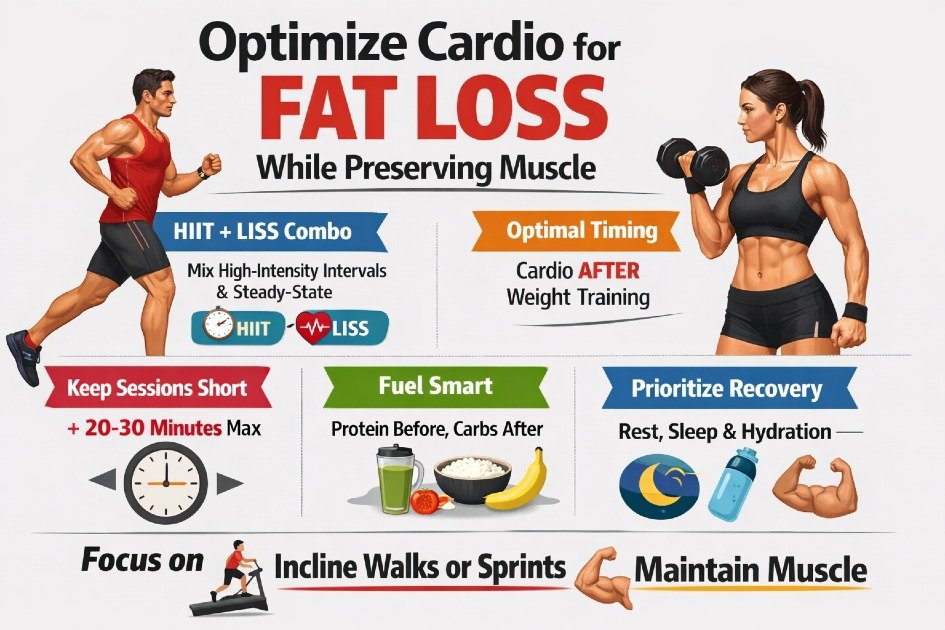
Cardio that burns fat without losing muscle
You can burn fat and keep your muscles strong by exercising smartly, paying attention to how hard you work, when you train, and what you eat.
Can timing cardio burn fat and protect muscles?
Long workouts can break down muscles instead of fat, especially when your energy stores are low or you exercise at the wrong time.
Try HIIT two to three times a week for 20 to 30 minutes, either after weight training or when you have eaten. Keep steady moderate exercise under 45 minutes to help muscles grow alongside strength workouts.
I used to spend long mornings exercising on an empty stomach and saw my muscles slowly fade. When I switched to high-intensity workouts after lifting weights, I kept my strength and burned fat faster. It completely changed how I looked and felt.
Can your cardio choice protect muscle?
Long, slow workouts can quietly eat away at your muscles, making it difficult to stay strong if your routine ignores building and keeping muscle.
Boost your heart and tone muscles by mixing intense workouts like HIIT or circuits with gentler moves like cycling or rowing at a faster pace. Pair these with regular strength exercises to burn fat while keeping your muscles strong.
I used rowing machines to keep my upper body strong while shedding stubborn fat. Switching between cycling and quick sprints kept my heart and muscles challenged without wearing them down.
How can eating smart fuel your cardio workout?
Skipping proper fuel while exercising can make your body break down muscle instead of fat. Low energy and not enough protein weaken your workout and slow results. Eating well helps every session work better and protects your muscles.
Eat a light snack with whole grains and protein about 30–60 minutes before your workout. After exercising, have protein with some carbs and drink water with electrolytes to help your muscles recover and keep your energy up.
I take protein and carb supplements near workout time to fuel performance and recovery. My energy stayed steady, fat melted faster, and my muscles felt stronger and fuller. Even longer sessions did not drain me or eat away my hard-earned muscle.
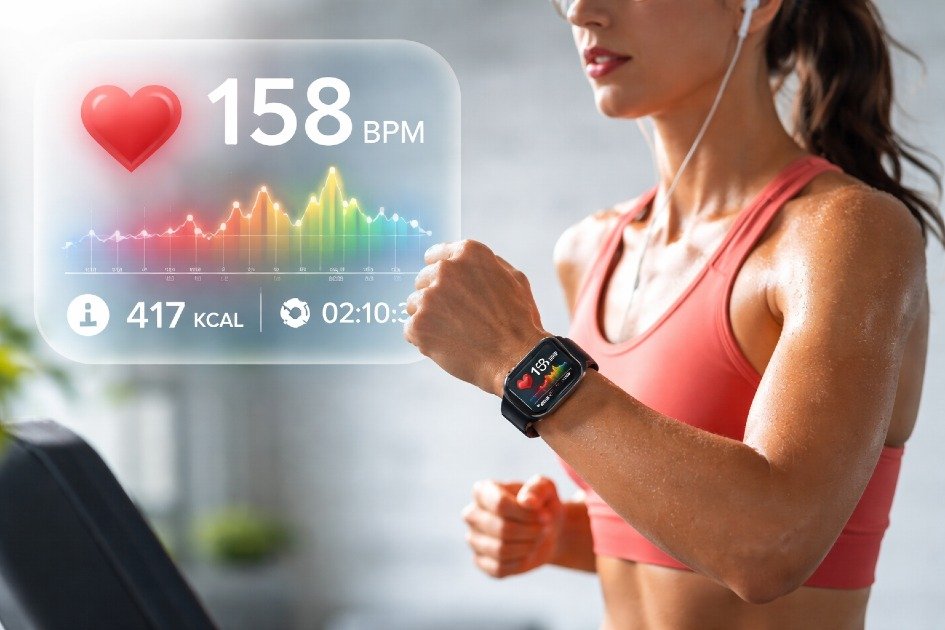
Can technology enhance your cardio routine?
Feeling stuck in your workouts can be frustrating, but smart gadgets, apps, and AI tools can make exercise more fun, challenging, and motivating every time.
What cardio apps keep you motivated without stress?
Keeping track of your cardio workouts can feel tricky and frustrating, making it easy to quit. Without simple ways to measure progress, noticing improvements becomes hard.
Apps like Strava and MyFitnessPal track your speed, calories, and heart rate as you exercise. They let you set personal goals and use fun challenges to keep workouts exciting and motivating.
I started using Strava Premium on my morning runs and it completely changed how I train. Tracking my stats and weekly progress made me want to improve without overdoing it. I found new routes and got training plans just for my level, which made every run feel exciting and fresh.
Can wearable devices make cardio smarter and safer?
Pushing your body too hard or exercising at the wrong intensity can leave you tired, cause injuries, and slow your progress. Without real-time feedback on effort or heart rate, your workouts may not be as effective as they should.
Wearable devices like smartwatches and heart-rate monitors track your heart rate, recovery, and fitness levels in real time. They help you exercise at the right intensity and adjust your workouts safely for better results.
I got the Garmin Venu 3 and instantly felt a difference in my workouts. Seeing my heart rate in real time helped me push harder when I needed to and slow down before I got too tired. Its daily tips are just like having a coach cheering me on with every step.
Can technology make cardio smarter and more fun?
Many people hit a wall in their workouts because they stick to one-size-fits-all plans that do not grow with their strength. Progress slows, and staying motivated gets harder.
AI fitness tools adjust your workouts tailor exercises to match your energy, progress, and recovery needs. They change routines in real time, keep you challenged, and help you improve safely while making every session count.
Using Future Fitness AI Coach changes how I move each day. It adjusted my workout based on how I felt and what I did before. Some days it had me walking to recover, other days it pushed me with tough bursts of exercise.
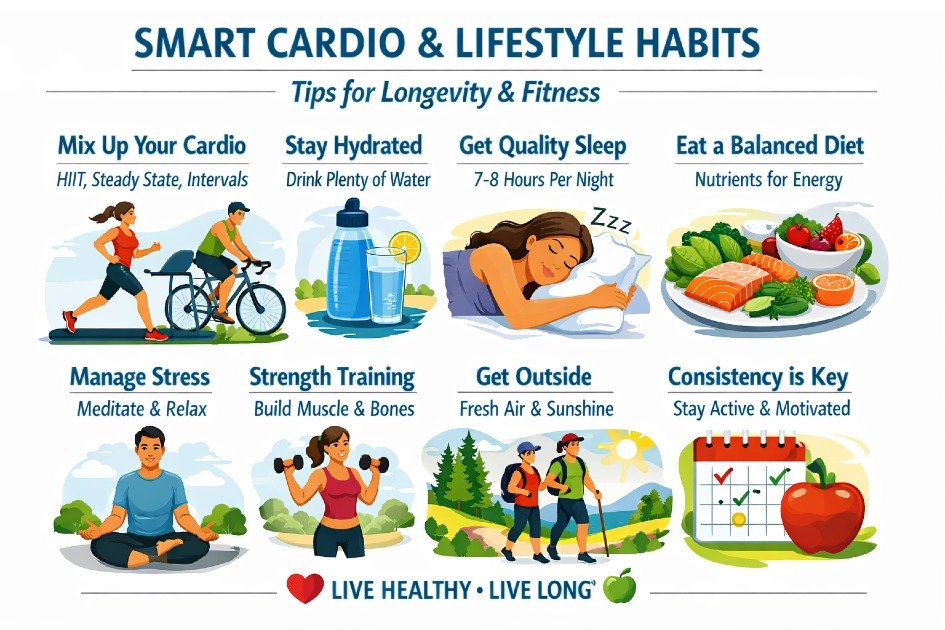
Do lifestyle habits make cardio more better?
Getting the most from your heart and endurance health takes more than exercise. Daily habits like proper rest, balanced meals, and smart pacing keep your energy strong, improve performance, and stop burnout before it starts.
Does good sleep boost endurance during cardio?
Poor sleep slows muscle repair, upsets hormones, and drains energy. This makes the heart recover slower, leaves you more tired, and zaps your motivation.
Get 7 to 9 hours of sleep every night by going to bed and waking up at the same time. Turn off screens early and keep your room cool, dark, and quiet. Try deep breathing or guided meditation to make your sleep more restful and refreshing.
When I started keeping a steady sleep routine, my stamina for running and intense workouts jumped. Morning runs felt easier, and my high-intensity sessions pushed me further. I began wearing a sleep tracker to fine-tune my rest, and I could feel my energy and recovery improve almost immediately.
Can a relaxed mind boost your cardio gains?
Chronic stress raises cortisol, slowing fat burn, draining energy, and making muscles more injury prone. Even regular exercise can feel heavy and tiring when stress takes over.
Mindfulness habits like journaling, deep breathing, and relaxing your muscles make workouts more effective. Adding short meditation sessions to movement exercises or practicing yoga and tai chi boosts flexibility and sharpens focus.
I use meditation to notice my stress and follow short guided sessions before my evening workouts. This routine has sharpened my focus, steadied my heart, and helped me exercise longer without feeling worn out.
Can daily actions strengthen your heart naturally?
Many people believe that exercise only counts on the gym, but sitting too long and moving little each day can undo your progress, slow your metabolism, and leave you tired.
Adding small daily movements like standing while working, short walks each hour, or biking to work boosts circulation, keeps energy up, and strengthens the heart along with regular exercise.
I began taking short walks and quick movement breaks during my workday. Using an activity tracker, I noticed even small bursts of movement made me stronger and less tired during workouts. Over weeks, I recovered faster and felt my interval training sessions get easier and more effective.
Recap: Take Your Cardio to the Next Level
Mastering cardio through strategy and mindfulness transforms it from a chore into a vital part of a healthier lifestyle.
According to Harvard Health, enhance your cardio fitness, select enjoyable activities and progressively increase their intensity or duration to improve heart health and overall well-being.
Smart cardio focuses on listening to your body, balancing intensity with recovery, and incorporating strength training. Brief sessions can lead to significant improvements in stamina, mood, and cardio health.
Create a thriving ecosystem for your body. Embrace your unique cardio journey with variety and celebrate progress, recognizing its potential to enhance confidence and vibrancy in life.
Frequently Asked Questions
What exactly is cardio, and why is it crucial for my health?
Cardio exercise boosts heart rate, strengthens the circulatory system, aids weight management, and improves vitality. It enhances endothelial function and mitochondrial density, raising energy levels and longevity for people of all fitness levels.
How long should each cardio session be?
Break sessions into 20–30-minute intervals and combine steady-state cardio with HIIT for enhanced endurance and metabolic efficiency. For optimal cardio health, engage in 150–300 minutes of moderate-intensity or 75–150 minutes of vigorous-intensity cardio weekly.
Is high-intensity cardio better than low-intensity cardio?
Both low-intensity and high-intensity cardio provide unique benefits; the former improves capillary density and fat oxidation, while the latter enhances VO2 max, anaerobic capacity, and calorie burning. Combining both is ideal for maximizing cardiovascular health.
Can cardio help with fat loss without losing muscle?
Strategic cardio combined with adequate protein and resistance training supports lean muscle maintenance.
Engage in moderate-intensity workouts 3–4 times weekly, with brief high-intensity interval training (HIIT) to boost metabolism. Proper nutrition before and after cardio is vital for muscle preservation.
What are the best forms of cardio for people with joint issues?
Low-impact cardio exercises like swimming, rowing, elliptical workouts, and cycling provide significant cardiovascular benefits while minimizing joint strain and protecting musculoskeletal health.
How do I prevent cardio burnout and overtraining?
Monitoring intensity and frequency is essential for performance. Implement periodization by alternating high and moderate cardio days, incorporating active recovery through yoga or tai chi to enhance circulation and reduce sympathetic overdrive.
Hydration, quality sleep, and proper nutrition are vital to reduce cardio-induced fatigue.
Can cardio improve mental clarity and cognitive function?
Cardio boosts neurogenesis and cerebral blood flow, improving memory, focus, and mood. Activities like running and dance workouts increase endorphin and BDNF levels.
Is fasted cardio effective for fat loss?
Fasted cardio boosts lipolysis, with its effectiveness dependent on intensity, duration, and nutritional timing.
Moderate-intensity fasted cardio is preferable for safety and sustainability, while adequate supplementation supports performance levels.
How can technology make my cardio smarter?
Wearables and AI-driven apps provide real-time feedback on heart rate, calorie burn, and VO2 max, enhancing the purpose of each cardio session by structuring interval timing and recovery phases.
Can beginners safely start a cardio routine, and how should they progress?
Beginners should begin with 10-15-minute sessions of moderate cardio, gradually increasing duration or intensity. Consistency is key, and it is recommended to combine cardio with mobility drills and light strength training to prevent injuries and improve adherence.