
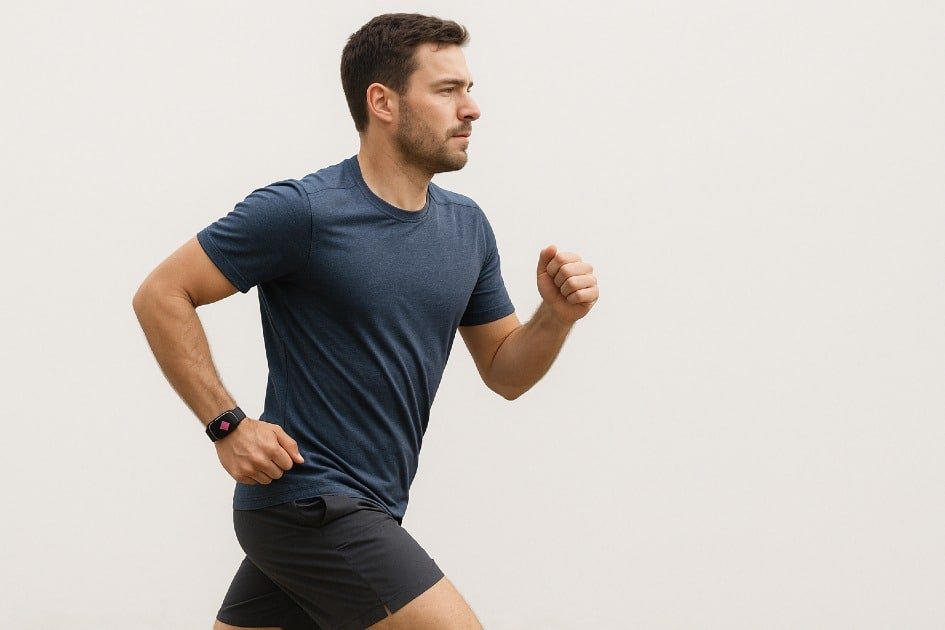

Have you ever wondered what really happens inside your body when you push your heart to beat faster — not just to burn calories, but to build resilience, sharpen focus, and extend your vitality? That is the untold story behind cardio fitness — the hidden strength that powers more than endurance.
According to Harvard Health, cardiovascular fitness is crucial for overall health, enhancing endurance and serving as a vital strength engine.
Cardio fitness optimizes oxygen delivery and sharpens cognitive abilities, acting as a significant biological investment for the future.
This article will highlight how improved heart-lung synchronization boosts energy flow and metabolic adaptability supports the body under stress.
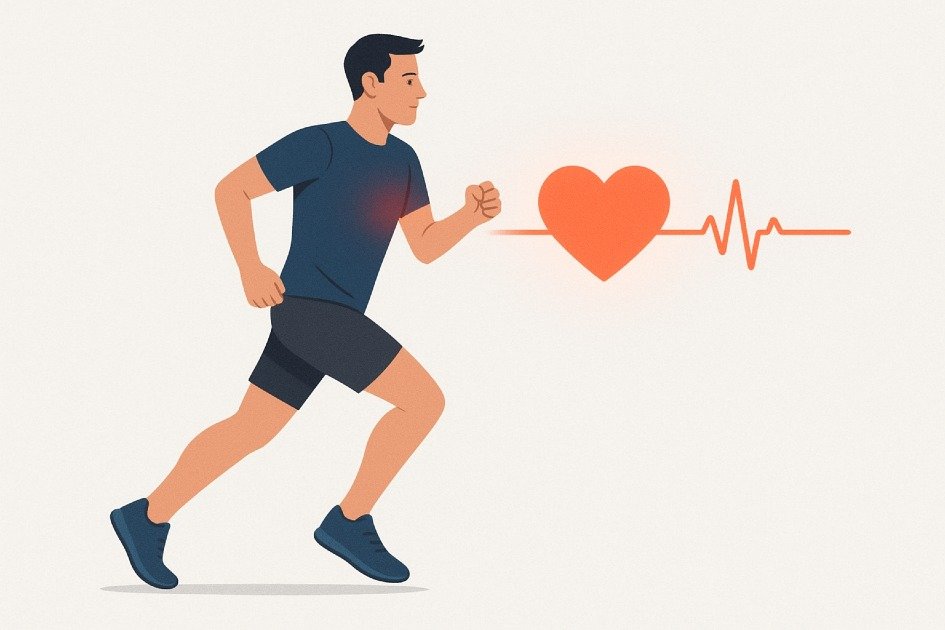
Cardio fitness secrets everyone should know
Cardio fitness encompasses more than just treadmill jogging or cycling; it is essential for energy, vitality, and long-term health.
Heart strength that lasts
Cardiovascular endurance involves the body’s efficiency in delivering oxygen to muscles and organs during activity, rather than just the duration of running. Poor endurance leads to quicker fatigue in everyday tasks, such as climbing stairs.
To improve endurance, begin with small, steady steps such as brisk walking for 20 minutes, choosing stairs over elevators, or adding an extra lap in the park. Utilizing tools like heart rate monitors can assist in tracking progress accurately.
It feels easier carrying groceries than it did last month, or when I finish my walk without losing my breath.
Cardio boosts your whole body health
Cardio fitness enhances overall health by benefiting not only the heart but also improving brain function, digestion, and sleep quality.
Utilizing a fitness tracker into your daily activities can seamlessly help maintain consistency in your routine. Combining cardio workouts with a nutrient-dense diet enhances overall health by benefiting all bodily systems simultaneously.
The stress I carry starts to fade after a simple jog or even a short walk. My body gets more oxygen, my cells wake up, and my mood lifts.
Cardio builds strength beyond the treadmill
The treadmill is often seen as the epitome of cardio exercise, yet this view can make cardio seem dull and monotonous. Cardio fitness is not uniform; it encompasses any activity that elevates and maintains your heart rate over time.
Cardio can be redefined as enjoyable activities such as dancing at home, hiking, playing soccer, or engaging with children. Enjoyment enhances commitment to these activities.
Hiking makes my body stronger without feeling like a chore. You can feel the same when you choose the kind of activity that brings you joy.

Cardio fitness boosts health and energy
Cardio fitness extends beyond calorie burning; it strengthens the body, enhances mental sharpness, and supports emotional resilience.
Boost heart and lung power naturally
Why it matters:
Your heart and lungs are vital for bodily movement, and cardio fitness enhances circulation, oxygen flow, and endurance, reducing the risk of heart disease, high blood pressure, and strokes.
How to do it:
- Try 20–30 minutes of brisk walking, jogging, or cycling at least four days a week to boost your strength and keep your body healthy.
- Use a smartwatch or fitness tracker to check your heart rate and keep it in a healthy zone.
- Choose paths with small hills or a few stairs to give your lungs and muscles a stronger workout.
Boosting brain power and mental clarity
Why it matters:
Cardio fitness enhances not only physical health but also cognitive function, as it improves memory, focus, and guards against age-related decline by increasing blood flow to the brain, delivering oxygen and nutrients essential for information processing.
How to do it:
- Add quick bursts of running or cycling to your day to send fresh oxygen to your brain and sharpen your focus.
- Try fun activities you enjoy such as dancing or swimming to stay active without feeling pushed.
Supporting healthy digestion and metabolism
Why it matters:
Cardio fitness enhances digestive health by stimulating the gut, which improves nutrient absorption and prevents sluggishness. It also boosts metabolism, aiding in maintaining a healthy weight.
How to do it:
- Take a simple 10–15-minute walk after you eats. It helps your body break down food, keeps your stomach comfortable, and lowers your chance of bloating.
- Start your day with simple morning cardio like a quick jog or a few minutes of jumping rope to wake up your body and boost your metabolism.
- Stay hydrated with an electrolyte-filled water bottle to keep your digestion steady while you do cardio.
Building resilience against chronic diseases
Why it matters:
Cardio fitness is crucial for long-term health, as it reduces the risk of diabetes, obesity, and specific cancers by regulating blood sugar levels and decreasing inflammation.
How to do it:
- Aim for 150 minutes of moderate cardio each week by walking, cycling, or swimming.
- Break your workouts into simple small steps. Try three quick 10-minute walks when a long session feels too hard.
- Pair your cardio workouts with nutrient-dense foods such as leafy greens, whole grains, and lean protein to fuel your body and boost your energy.
Reducing stress and enhancing emotional health
Why it matters:
Cardio fitness effectively alleviates stress by lowering cortisol levels and increasing endorphins, leading to improved mood and better anxiety management.
How to do it:
- When you feel overwhelmed, step outside and take a quick 15-minute walk to clear your mind and steady your thoughts.
- Practice rhythmic cardio such as cycling or rowing to calm your mind and steady your breath.
I keep a cardio journal to celebrate small wins and stay motivated. You can feel the same joy when you discover the type of movement that excites you.
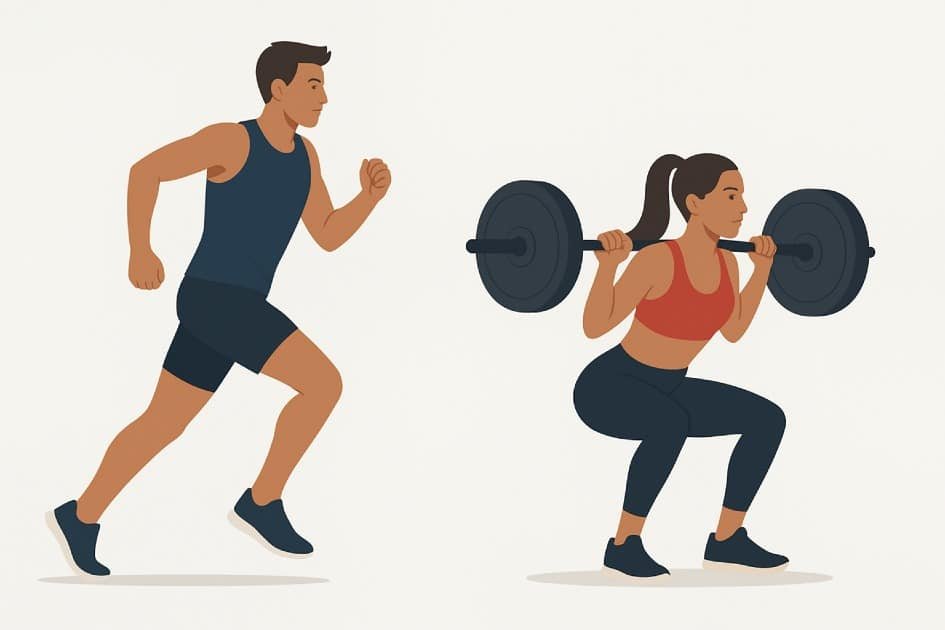
Balancing cardio and strength for health
Both cardio fitness and strength training are essential for a healthier body. Neglecting can impede progress, health, and energy levels. The key is to achieve a balanced approach rather than choosing one over the other.
Cardio gets hidden by lifting
Why it matters:
Cardio enhances the heart, lungs, and blood vessels, increases stamina for activities like climbing stairs, and promotes quicker recovery between strength training sessions.
How to do it:
- Walk, cycle, or swim briskly for 20 to 30 minutes at least three times each week to boost heart health and energy.
- Hop on a treadmill or stationary bike at the gym to boost your heart health, burn calories, and strengthen your legs.
- Try parking farther from the store or using the stairs to get a quick cardio boost on busy days.
The link between both forces
Why it matters:
Strength training increases lean muscle and metabolism, while cardio enhances calorie burning and circulation, aiding muscle repair. Together, they lower the risk of chronic diseases such as diabetes and heart problems.
How to do it:
- Try this simple rhythm—lift weights one day and do cardio the next to build strength and stay fit.
- Do a simple mix in one workout. Spend 15 minutes lifting weights and follow it with 15 minutes of easy cardio.
- Try a quick circuit workout by mixing push-ups, squats, and short runs for a strong full-body boost.
Best days for cardio workouts
Why it matters:
Weight loss is more effective with cardio due to calorie deficit creation, while strength training is essential for maintaining muscle and preventing burnout and plateaus.
How to do it:
- If your goal is weight loss, begin your workouts with simple cardio like running or cycling.
- You want to build strength, so start your workout with simple resistance moves and end with light cardio to keep your body balanced and strong.
I split my week between cardio and lifting, and it changed everything. It made fitness feel like part of my life instead of a chore. You can feel that same freedom when you find the kind of movement that brings you joy.

Cardio that feels fun and easy
Cardio fitness can be enjoyable rather than a chore even though it involves repetitive sessions.
Endurance gains from simple cardio
Why it matters:
Steady-state cardio trains the body to utilize oxygen efficiently, strengthens the heart, stabilizes energy, and promotes long-term cardiovascular health, despite being undervalued due to its perceived simplicity.
How to do it:
- Choose simple, joint-friendly moves such as brisk walking, swimming, or easy cycling to stay active without extra strain.
- Aim for 20–40 minutes at an easy, steady pace where you can talk comfortably but singing feels too hard.
- Start with just 2–3 days a week and slowly add more as your body gets stronger.
- Use a smartwatch or heart rate monitor to see how your body responds as you exercise.
HIIT boosts fitness fast
Why it matters:
HIIT (High-Intensity Interval Training) integrates short, intense activity with quick recovery phases, leading to rapid calorie burn, enhanced lung capacity, and increased metabolism post-exercise.
How to do it:
- Choose simple moves such as sprinting, cycling, or bodyweight exercises to build strength fast and stay energized every day.
- Work hard for 20 to 40 seconds, then rest for twice as long so your body can recover and grow stronger.
- Do 6–8 rounds to get a fast, powerful 15-minute workout that boosts strength and energy.
- Try using guided routines on fitness apps to add structure and keep your workouts fresh.
Gentle cardio that strengthens your heart
Why it matters:
Low-impact cardio keeps your knees and hips safe while still building a strong heart. It is a smart choice for beginners, older adults, and anyone who is healing from an injury.
How to do it:
- Try elliptical machines, rowing, swimming, or cycling for a full-body workout that boosts heart health and builds endurance.
- Keep a steady pace and focus on consistency rather than pushing too hard.
- Try light resistance training to build and support your muscles.
- Wear cushioned training shoes to protect your feet and prevent strain.
Groove your way to health
Why it matters:
Dancing burns calories, improves coordination, and lifts your mood. It is a fun, social way to stay active, making cardio something you enjoy and stick with.
How to do it:
- Join Zumba, hip-hop, or salsa classes near you and start moving today.
- Try dance workout videos at home from online platforms.
- Try playlists that lift your mood and make you dance.
- Bring friends along to stay motivated and make it more fun.
Nature powers your workout
Why it matters:
Fresh air workouts ease stress and sharpen your mind while strengthening your heart. Activities like hiking, cycling, or kayaking mix cardio fitness with adventure, keeping exercise fun. Nature adds challenges that indoor workouts cannot match.
How to do it:
- Explore nearby trails on the weekend for fresh air and exercise.
- Ride cycling routes that push your stamina but stay manageable.
- Bring water, wear sun protection, and use a strong backpack for longer trips.
- Change your surroundings regularly by walking in parks, on beaches, or along forest trails to keep your motivation high.
Stay fit through fun sports
Why it matters:
Sports such as basketball, tennis, and soccer offer a combination of cardio fitness, strategic thinking, and social interaction, enabling calorie burning during competition, thus making workouts enjoyable rather than a chore.
How to do it:
- Play in local leagues or pickup games to stay active and meet new people.
- Play games with friends every week to stay active and consistent.
- Build your skills while training your stamina to stay motivated and improve faster.
I switched to lightweight sports shoes and stopped worrying about injuries.
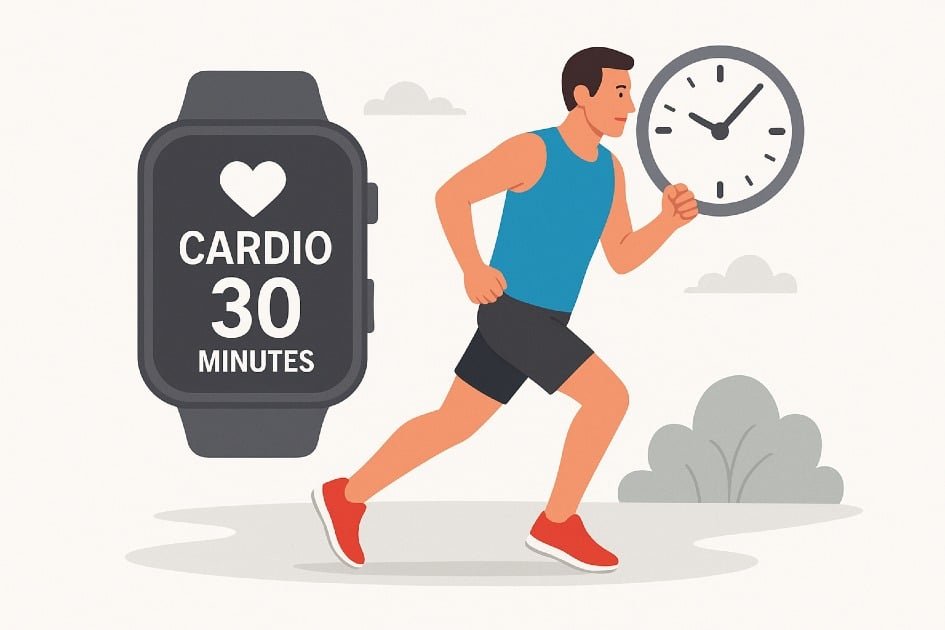
Cardio that truly boosts your fitness
Cardio fitness results vary based on individual goals, lifestyle, and bodily responses to exercise, leading to differing recommendations on the amount of exercise needed.
Cardio power from time and intensity
Why it matters:
Both long workouts and short bursts of effort can enhance cardio fitness, albeit in different manners.
How to do it:
- Go for longer, steady workouts to build endurance and burn more calories.
- Push yourself with quick, intense bursts of exercise like interval training to get strong results fast.
- Switch between both methods to keep a balanced routine.
- Breathe steadily and push yourself but never struggle for air.
I run for 30 minutes on weekdays and do a quick 15-minute HIIT on weekends. Mixing it up keeps my workouts fun and easy to stick with. You can feel the same joy when you find your own way of moving.
Listening to your body without overtraining
Why it matters:
Overtraining may result in fatigue, injury, or decreased performance, and it is crucial to heed the body’s signals.
How to do it:
- Watch for constant soreness, low energy, or trouble sleeping.
- Give your body rest or switch hard cardio to gentle exercises like swimming or cycling.
- Warm up and cool down with stretches to keep your muscles safe.
- Listen to your body and change your effort instead of only following your plan.
I used to push myself through every workout, even when I was tired. Taking two rest days, each week helped me get stronger because my body finally had time to heal and grow.
Making cardio achievable for every lifestyle
Why it matters:
Cardio fitness can be incorporated into daily life through small, manageable steps, addressing the common misconception that it requires hours at the gym.
How to do it:
- Split your exercise into 10-minute sessions during the day to stay active and boost energy.
- Move while on calls or climb stairs instead of using the elevator.
- Join a dance class or play recreational sports as a fun way to stay active.
- Track your workouts and stay motivated with a fitness app or smartwatch.
I began jogging for a few minutes while dinner cooked. It kept me active without taking extra time.
Cardio works best with healthy habits
Why it matters:
Cardio is effective, especially when paired with other healthy lifestyle habits for quicker results.
How to do it:
- Fuel your heart with meals full of lean protein, fresh veggies, and healthy fats.
- Drink water before, during, and after exercise to keep your body strong and energized.
- Get enough sleep so your body can rest, recover, and grow stronger.
I started doing morning cardio and eating a high-protein breakfast and felt my energy last all morning without crashes.
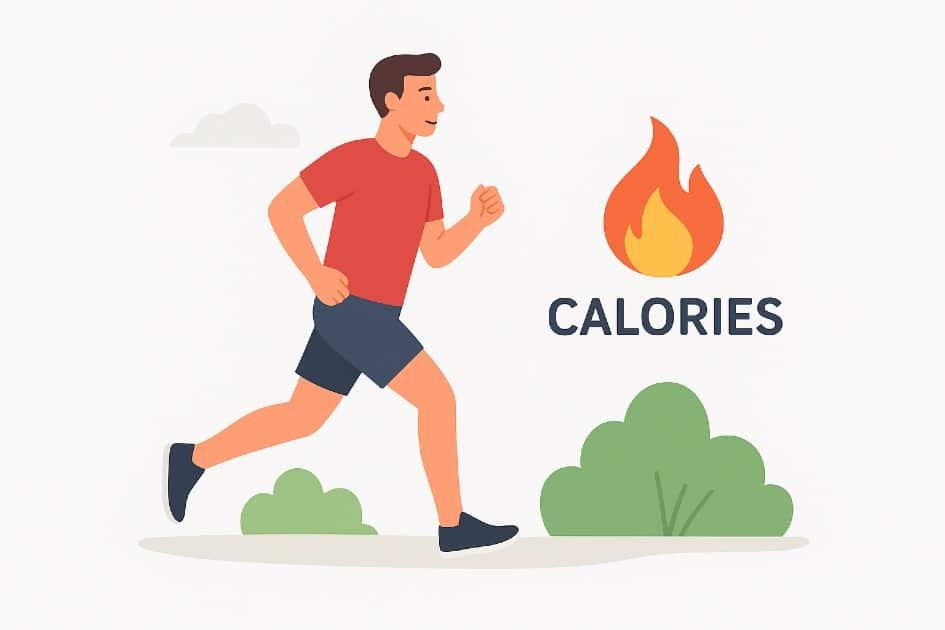
Cardio’s role in weight management
Cardio fitness impacts weight management beyond just calorie burning; it alters energy usage, stress management, and cravings regulation.
Cardio helps create a calorie deficit
Why it matters:
Weight loss occurs when calorie expenditure exceeds calorie intake. Cardio fitness enhances this by increasing calorie burn during and after exercise, a phenomenon referred to as the “afterburn effect,” where the body continues to burn calories during recovery.
How to do it:
- Try activities you love such as brisk walking, cycling, or swimming.
- Get 150 minutes of moderate cardio each week to keep your heart strong and energy high.
- Try splitting your activity into two short sessions of 10 to 15 minutes each day.
- Monitor calories with a smartwatch or fitness app for accurate daily tracking and better results.
Cardio supports fat metabolism
Why it matters:
Your body uses fat as fuel for longer, steady-state cardio workouts, which aids in reducing body fat and enhancing lean muscle definition.
How to do it:
- Do 30 to 45 minutes of jogging or biking three times a week to boost your heart health and energy.
- Combine it with strength training to burn fat and keep your muscles strong.
- Switch to low-impact exercises like rowing to protect your joints while staying strong.
- Eat a balanced mix of lean proteins and whole foods to boost your energy and health.
Cardio combats stress eating
Why it matters:
Stress contributes to weight gain by increasing cortisol levels, which enhances appetite and cravings for sugary foods. Engaging in cardio fitness can reduce stress hormones while elevating feelings of well-being through endorphins.
How to do it:
- Try a 20-minute jog or a quick dance session to reset your mind after a stressful day.
- Try cardio before or after work to stop stress from piling up.
- Combine cardio fitness with mindful practices such as deep breathing or gentle stretching.
- Take group cardio classes to stay motivated and accountable.
Cardio improves appetite control
Why it matters:
Regular cardio workouts help regulate hunger hormones, such as ghrelin, reducing overeating and aiding in the distinction between real hunger and emotional cravings.
How to do it:
- Start your day with cardio to naturally control your appetite and boost energy.
- Drink plenty of water before and after exercise because thirst can feel like hunger.
- Keep nuts or fruit within reach to stop yourself from grabbing unhealthy snacks.
- Plan your meals and track your nutrition with smart tools.
Cardio builds daily energy levels
Why it matters:
Cardio fitness enhances circulation, oxygen utilization, and stamina, resulting in increased energy levels that promote consistency in healthy habits, preventing the tendency to skip workouts and indulge in junk food when feeling drained.
How to do it:
- Try light cardio such as walking after meals to keep your energy steady.
- Try HIIT workouts to boost your energy fast.
- Find the times when you have the most energy and plan your day around them.
- Track your heart rate with a wearable to make workouts safe and effective.
Cardio works best with a balanced lifestyle
Why it matters:
Cardio is not a standalone solution for weight management; achieving balance through exercise, nutrition, sleep, and stress management is essential, as cardio benefits are restricted without it.
How to do it:
- Try doing cardio and add two strength-training days each week.
- Choose whole foods and skip crash diets that can harm your health.
I make sure I get 7 to 9 hours of sleep each night so my body can recover, and my hormones stay balanced.

The mental and emotional edge of cardio
Cardio fitness enhances not only physical endurance and heart strength but also impacts mental well-being. It serves as a reset for stress reduction, improved focus, and emotional resilience.
Reducing stress and anxiety with movement
Why it matters:
Cardio fitness serves as a natural stress reliever by decreasing cortisol levels and increasing serotonin, which helps to reduce stress and promote a sense of calm and wellbeing as a response to the everyday pressures of work, family, and news consumption.
How to do it:
- Walk briskly for 20 minutes after work to relieve stress and boost energy.
- Start your day with cardio to clear your mind and boost focus for tough tasks.
- Listen to calming music or podcasts during your sessions to boost relaxation and ease stress.
- When anxiety strikes, do quick cardio like climbing stairs or jumping rope to burn off nervous energy fast.
Experience the joy of running
Why it matters:
During cardio, the brain releases endorphins, leading to a “runner’s high,” which produces happiness and mild euphoria, providing a healthier mood boost than comfort food or excessive online activity.
How to do it:
- Try moderate cardio for 20–30 minutes to boost your endorphins and lift your mood.
- Pick activities you love like jogging, cycling, or dancing to keep moving regularly.
- Push through the first ten minutes on tough days and watch your mood lift.
- Write in a journal about how you feel after each workout to spot patterns over time.
Building self-confidence
Why it matters:
Confidence increases as individuals achieve their goals. Cardio fitness visibly demonstrates progress, such as running further, extending workout duration, or climbing stairs with ease.
How to do it:
- Try walking 15 minutes three times a week and build from there.
- Track your progress with fitness apps or wearable devices to stay motivated and reach your goals faster.
- Celebrate your progress with a friend or group to stay accountable and motivated.
Sharpening focus and mental clarity
Why it matters:
Cardio fitness enhances blood flow to the brain, which boosts concentration, memory, decision-making speed, and calmness in stressful situations.
How to do it:
- Start your day with morning cardio to boost your brain and energy.
- Take quick 5–10-minute cardio breaks to clear your mind and boost focus.
- Try combining cardio with thinking by walking while listening to audiobooks or brainstorming ideas.
- Boost your energy by doing interval training whenever your mind feels sluggish.
Strengthen your emotional bounce
Why it matters:
Cardio fitness fosters resilience by enabling individuals to manage emotions through physical movement, providing a means to endure discomfort and emerge stronger from life’s setbacks, such as missed opportunities and arguments.
How to do it:
- Turn to cardio to manage stress instead of stewing or overthinking.
- Push through workout discomfort and see it as practice for facing life’s challenges.
- Build a playlist of upbeat songs that keep you energized during hard cardio.
I end every cardio session feeling grateful and focus on one thing that makes me stronger.
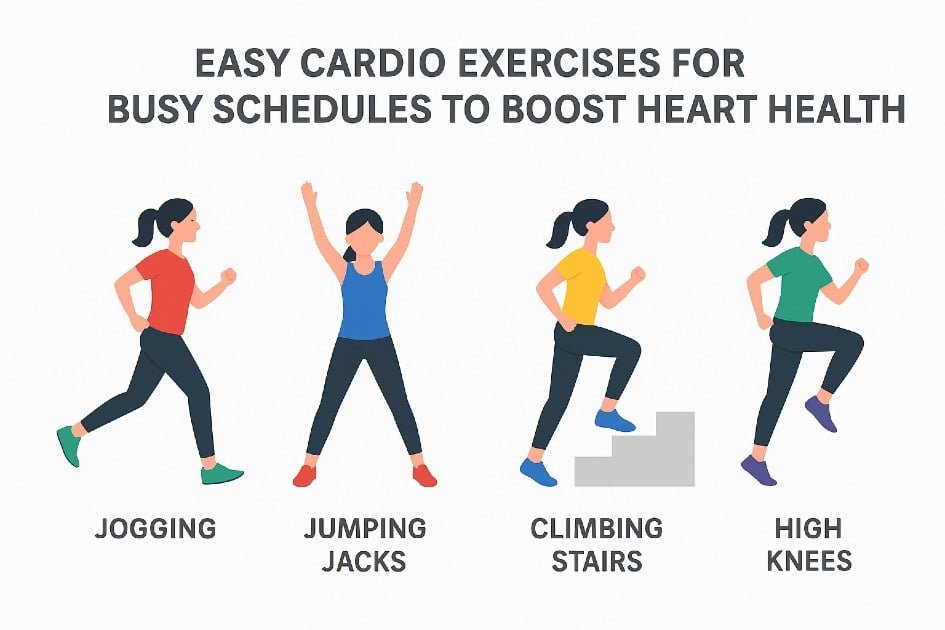
Fit cardio into any busy day
Improving cardio fitness does not need extensive time or complex plans. Simple, intentional changes can enhance heart strength, boost energy, and improve mental clarity, all while balancing a busy lifestyle.
Sneaky daily habits that count as cardio
Why it matters:
Cardio fitness is achieved through consistent activity rather than perfection; even insignificant amounts of movement contribute significantly. Integrating cardio into daily routines fosters sustainability and reduces stress.
How to do it:
- Step up your health by choosing the stairs over the elevator; each step strengthens your heart naturally.
- Walk a bit farther by parking at the edge of the lot to boost your daily steps.
- Move around while talking on the phone instead of sitting.
- Carry your groceries by hand on short trips to make your walk stronger and burn more calories.
I turn everyday errands into mini workouts and watch my heart get stronger over time.
Quick 10-minute routines for tight schedules
Why it matters:
Short bursts of exercise enhance circulation, mood, and focus, regardless of a busy schedule. Consistency is more important than workout length for achieving cardio fitness.
How to do it:
- Do a quick 10-minute HIIT workout at home to boost energy and burn fat fast.
- Try quick circuits of jumping jacks, squats, and push-ups to boost strength and energy.
- Jump rope to burn calories quickly and boost your heart health.
- Follow a fast HIIT workout video and boost your energy.
When I do these sessions several times a week, I am amazed by the results.
Using technology and apps to stay consistent
Why it matters:
Accountability enhances commitment, particularly during busy days, while monitoring progress makes cardio fitness more motivating and quantifiable.
How to do it:
- Track your steps and workouts with a cardio fitness app.
- Take a short break every hour to stretch or walk for 2–3 minutes.
- Connect with online fitness groups to celebrate progress and keep motivated.
- Track your heart rate with a smartwatch while walking or running to stay in healthy fitness zones.
I use these tools to track my progress and get instant feedback, so I stay on target with my goals.
Turning commutes into cardio opportunities
Why it matters:
Commuting can be transformed into productive exercise time, effectively reducing stress while incorporating cardio into a necessary routine.
How to do it:
- Try walking or biking to work when it is close enough.
- Step off the bus a stop early and enjoy a healthy walk to your destination.
- Ride a foldable bike to combine your commute with a daily workout.
- Start and end your workday with a short walk outside to simulate a commute and boost focus.
I turn lost minutes into powerful cardio that strengthens my heart and body.
Movement breaks during the workday
Why it matters:
Prolonged periods of sitting can decrease metabolism and negatively impact posture, while taking short breaks can enhance focus and provide beneficial physical activity throughout the day.
How to do it:
- Take a break every hour to stand, stretch, or walk.
- Try doing twenty squats or marching in place while your coffee brews.
- Hold walking meetings instead of sitting in conference rooms to boost energy, spark creativity, and improve focus.
- Step up your cardio fitness with a portable stepper at your desk.
I take short breaks that boost my energy, sharpen my focus, and keep my heart strong.
Fun alternatives that do not feel like exercise
Why it matters:
Enjoyment in fitness promotes long-term commitment, making cardio fitness feel exciting rather than burdensome. Turning fitness into play facilitates adherence to regular exercise.
How to do it:
- Groove to your favorite songs in the living room and lift your mood.
- Play team sports or join a fun local club to stay active and meet new friends.
- Explore hiking trails to boost your heart while enjoying nature.
- Join a dance workout program that makes cardio fitness fun and keeps you moving.
I love cardio so much that it feels like play, not working, and it became part of my daily life.
Common myths about cardio fitness
Cardio fitness is frequently misunderstood, leading individuals to either neglect or excessively pursue it due to prevalent myths, which can impede their health goals.
Cardio makes you lose muscle
Why it matters:
Cardio fitness enhances blood flow, provides nutrients to muscles, strengthens the heart, and increases the effectiveness of strength training. Additionally, moderate cardio aids in recovery by alleviating muscle soreness.
How to do it:
- Combine two or three cardio workouts with your weight training each week for stronger, healthier results.
- Keep your runs between 20 and 40 minutes to stay strong without overdoing it.
- Boost your workouts by drinking a whey protein shakes after cardio.
Only long sessions count
Why it matters:
Short bursts of cardio, particularly High-Intensity Interval Training (HIIT), enhance endurance quickly and fit easily into busy schedules, promoting consistency and reducing intimidation to help build a workout habit.
How to do it:
- Try 10 to 15 minutes of jump rope, cycling, or brisk walking to boost energy and strengthen your heart.
- Sprint hard for 30 seconds, rest for 1 minute, and repeat 8 to 10 times for a powerful HIIT boost.
- Track your intervals with a fitness app or smart watch for better results.
You have to sweat buckets for it to work
Why it matters:
It is possible to burn calories and enhance cardio fitness without excessive perspiration. A focus on performance metrics such as distance, speed, and stamina is a more reliable indicator of cardio fitness progress.
How to do it:
- Keep track of your heart by using a heart rate monitor.
- Try to see how long you can run at a steady pace without getting out of breath.
Walking does not count as cardio
Why it matters:
Walking is an effective stress reliever and enhances heart health. It is accessible to all fitness levels and consistent walking may provide better benefits than sporadic intense workouts.
How to do it:
- Try to walk 7,000 to 10,000 steps every day to stay strong and healthy.
- Take short walks after meals to improve digestion and keep blood sugar steady.
Cardio alone is enough for weight loss
Why it matters:
Weight loss is influenced by exercise, diet, and recovery. While cardio helps burn calories, nutrition is crucial for maintaining weight loss. Strength training contributes to muscle development, increasing metabolism over time.
How to do it:
- Try mixing cardio fitness with two or three strength sessions each week for stronger muscles and a healthier heart.
- Focus on meals with lean protein, fresh vegetables, and whole grains for strong energy and lasting health.
- Use a meal planner app to track your meals and stay on top of your nutrition.
You cannot do cardio every day
Why it matters:
Daily cardio enhances metabolism, while light sessions boost mood and mental clarity. Active recovery helps prevent stiffness and supports mobility.
How to do it:
- Alternate intensity with hard workouts like running or cycling and easy sessions like walking or yoga.
- Pay attention to your body and ease when you feel tired instead of quitting.
I move every day by dancing, swimming, or tending my garden.

Keep cardio fun and consistent
Cardio fitness is essential for a healthy lifestyle, but maintaining motivation can be challenging due to low energy, hectic schedules, or monotonous workouts. However, it requires no extreme discipline; instead, small, intentional choices can help integrate cardio sustainably into daily life.
Set goals that feel achievable and fun
Why it matters:
Big, vague goals can overwhelm and cause burnout, while clear, bite-sized goals provide direction and a sense of achievement. Enjoyable goals are essential for maintaining consistency, crucial for lasting cardio fitness.
How to do it:
- Set big goals and tackle them one week or one day at a time.
- Chase milestones that thrill you, like finishing your first 5K or dancing to a full playlist.
- Track your progress with a fitness app and celebrate each small win.
Mix up your routine to beat boredom
Why it matters:
Repeating the same cardio workout can make it feel tedious. Introducing variety challenges to your body, helping to avoid plateaus and keeping workouts engaging and energizing.
How to do it:
- Mix jogging, cycling, swimming, and lively workouts like Zumba to keep your body strong and energized.
- Join virtual fitness classes online to discover new workouts from home.
- Try themed workout days like outdoor adventure or music-inspired cardio to make exercise more fun and effective.
Build strength with supportive community
Why it matters:
Exercising with others promotes consistency through accountability, which fosters commitment and lowers the likelihood of skipping workouts. Additionally, social connections enhance the enjoyment of cardio fitness activities.
How to do it:
- Walk with a friend or join a nearby running group to stay motivated and make exercise fun.
- Post your fitness progress in online communities to stay motivated and get helpful tips from others.
- Set up cardio sessions with a friend and treat them like important meetings.
Build habits into daily life
Why it matters:
Relying solely on willpower for cardio can result in inconsistency. By making cardio a daily habit, the mental debate of whether to exercise is eliminated, which fosters consistent habits essential for achieving long-term cardio fitness success.
How to do it:
- Try adding short cardio sessions to routines you already do, like walking after meals.
- Take short trips by walking or biking instead of driving to boost your health and energy.
I set phone alarms to make sure I never skip my cardio sessions.
Recap: Cardio Fitness as Your Lifelong Ally
Cardio fitness is a vital and accessible habit that strengthens the heart, clears the mind, and enhances longevity.
According to Harvard Health, treat cardio fitness as a lifelong ally that enhances resilience, strengthens the heart, and promotes vitality through every physical activity.
It fosters endurance and resilience, providing energy through various activities like walking, cycling, or dancing.
Committing to cardio fitness is an investment in future vitality, encouraging individuals to prioritize it as an essential component of their routine.
Frequently Asked Questions
What time of day helps your heart the most when you do cardio?
There is not a universal “perfect time” for cardio; it depends on individual body rhythms and schedules. Morning cardio can boost metabolism and mental clarity, while evening workouts may relieve stress.
Can I do cardio every day safely?
Daily cardio fitness routines are safe when intensity is varied, such as alternating high-effort sessions like HIIT with gentler activities like brisk walking or cycling.
This approach prevents burnout and helps the body adapt without overstraining. It is important to listen to your body’s cues and incorporate rest days as part of the progress.
Is walking considered effective cardio?
Walking is a highly effective form of cardio fitness that strengthens the cardiovascular system, reduces stress, and aids in weight control.
The benefits depend on the pace; brisk walking is more beneficial than a leisurely stroll. Using a smartwatch can help track progress in heart rate and fitness goals.
How does age affect cardio capacity?
As we age, heart and lung efficiency decline, but regular aerobic activity can significantly slow this process.
Older adults can enhance stamina, blood pressure, and mental sharpness through exercise, with low-impact options like swimming and cycling providing excellent ways to maintain vitality without joint stress.
Do I need equipment for cardio to work?
Cardio fitness can be achieved without gym membership or heavy equipment; activities like jogging, dancing, or skipping rope are sufficient.
However, equipment such as a foldable treadmill can enhance indoor workouts, particularly in bad weather.
How much cardio should I aim for weekly?
Health authorities recommend 150 minutes of moderate or 75 minutes of vigorous-intensity cardio weekly, ideally spread over five days with 30-minute sessions. Short, consistent workouts are often most effective for sustainable results.
Can cardio alone help me lose weight?
Cardio fitness is crucial for calorie burning and supports fat metabolism and insulin sensitivity. To achieve optimal weight loss, it is important to combine cardio with balanced nutrition and resistance training.
Will cardio make me lose muscle mass?
Balanced cardio combined with strength training enhances endurance and muscle efficiency, while excessive cardio without proper nutrition can lead to muscle loss. Adequate protein intake is essential for protecting and improving lean muscle.
Is high-intensity interval training better than steady-state cardio?
Both HIIT and steady-state cardio serve unique fitness goals; HIIT is effective for rapid calorie burning and enhancing VO₂ max, while steady-state cardio focuses on building endurance.
A combination of both is often recommended for optimal results, with a compact stationary bike suggested for HIIT sessions.
How can I stay motivated with cardio?
Motivation in fitness is fueled by variety and enjoyment. To avoid boredom, alternate between activities like hiking, swimming, dancing, or cycling.