
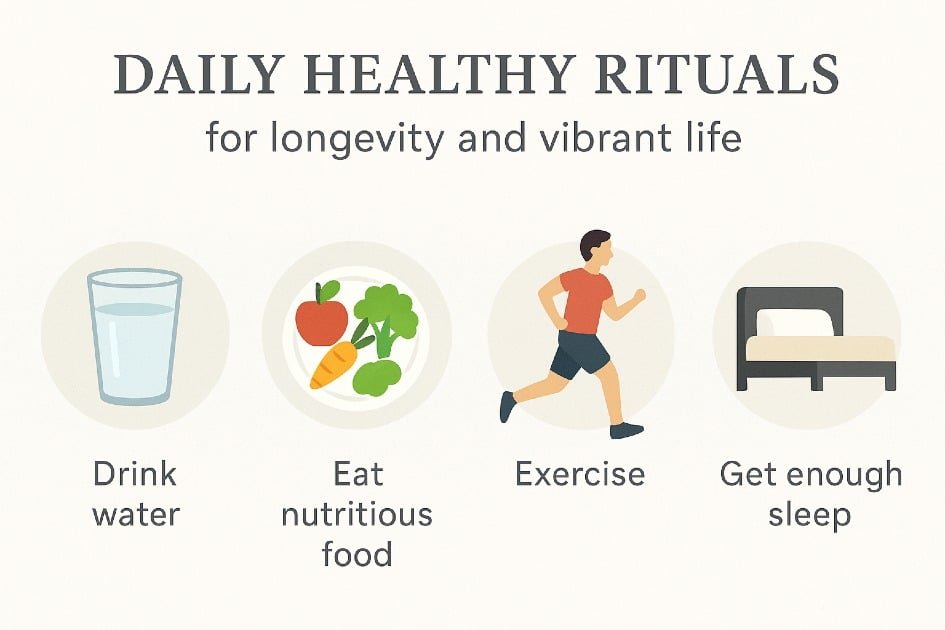

Have you ever wondered why some people seem to thrive with calm energy, clear focus, and remarkable longevity—as if they have unlocked a personal code for sustainable well-being?
Many healthy, high-performing people follow simple daily habits that boost their energy and help them live longer.
A mindful morning routine boosts mental clarity, consistent movement ensures mobility, and nutrient-dense eating stabilizes energy and cellular health.
Harvard Health confirm that lifestyle practices are linked to longevity, and habit-tracking journals can help keep commitments on track.
Purposeful planning reduces stress, meaningful relationships foster emotional resilience, and restorative sleep supports immunity and metabolic balance.
This guide aims to help you adopt life-extending rituals used by successful individuals, explaining their importance and long-term benefits for well-being.
Morning habits that set the tone for success and longevity
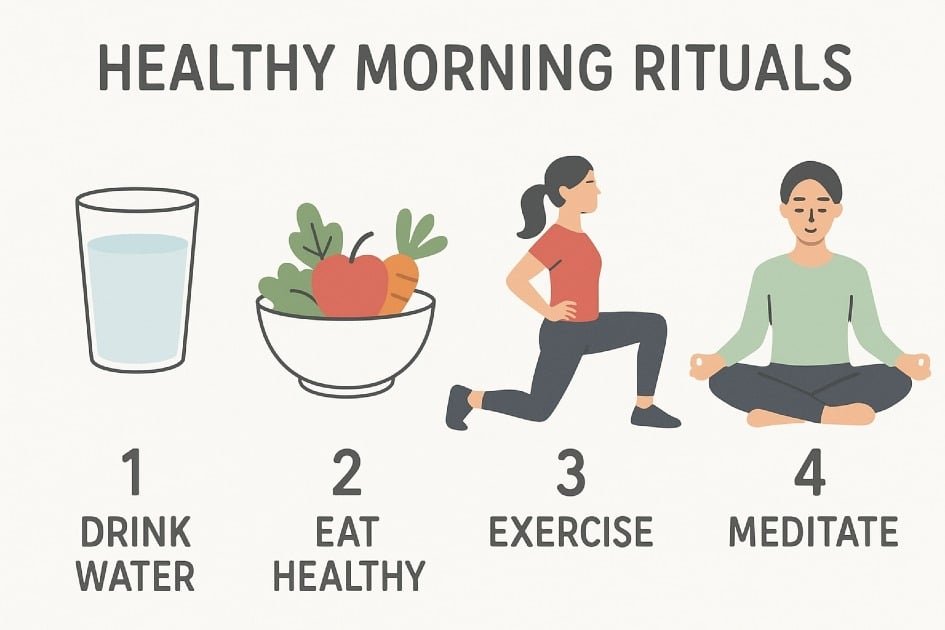
The first hour of the day is crucial for energy, mindset, and body aging. Establishing a morning ritual can significantly impact productivity, mental clarity, and long-term health.
Rise early to harness the power of quiet hours
Wake up early to create a natural rhythm, allowing uninterrupted focus and improved mental clarity. Avoid snoozing and start the day 15 minutes earlier, using this time for water, stretching, or quiet reflection.
Over time, extend the window and use smart alarms to track sleep quality. This sustainable ritual can lead to improved mental clarity and reduced stress.
Meditation, gratitude, and journaling as morning rituals
Prioritize mental clarity by practicing meditation, mindfulness, and gratitude. This calms the nervous system and reduces stress hormones.
Journaling can deepen this practice, allowing for strategic reflection. Set aside 10-15 minutes for mindfulness, using apps like Mindful.org for guidance.
Gentle stretching or short workouts to boost energy
Exercise is not just for bodybuilders or gym enthusiasts; even a 10-minute routine can improve circulation, joint health, and brain focus.
Start with micro-movements like sun salutations, hip-openers, or bodyweight stretches, gradually build intensity over time, and use a fitness tracker and online communities for accountability.
Nourishing your body for peak performance and longevity
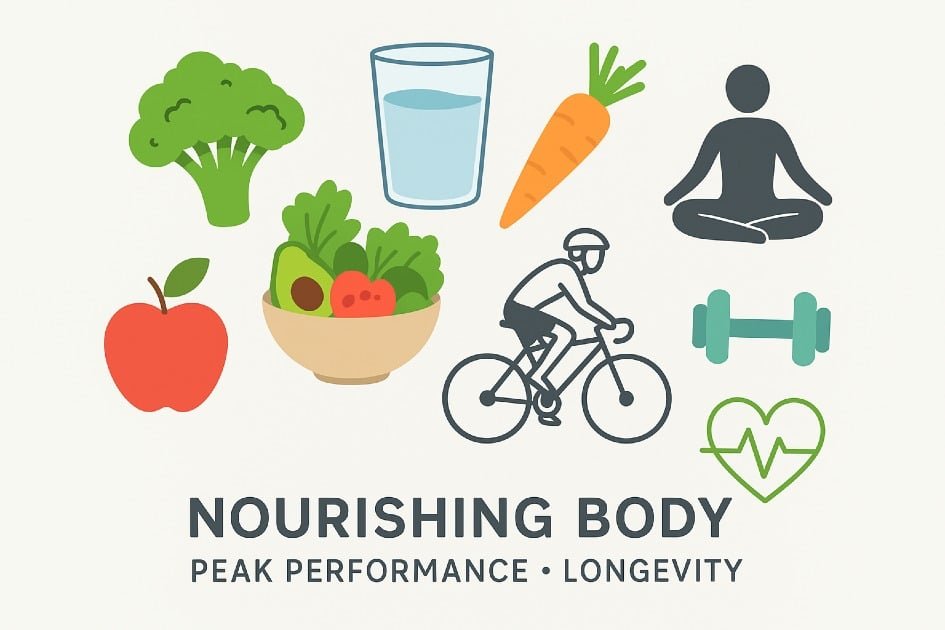
Highly effective individuals recognize the direct impact of nutrition on performance, cognition, and aging. Many neglect this vital aspect, opting for quick, energy-depleting choices over sustaining vitality.
Balanced breakfasts that fuel brain and body
Skipping breakfast or consuming processed foods can lead to cognitive fog and sugar cravings.
Incorporating a morning smoothie with spinach, avocado, and protein powder has been shown to enhance focus and provide sustained energy without crashes.
A balanced breakfast combining protein, healthy fats, and complex carbohydrates, such as Greek yogurt with chia seeds and berries or oatmeal with almonds and cinnamon, can improve energy levels and concentration.
Why drinking water can extend your life
Dehydration negatively impacts energy, cognitive function, and metabolic efficiency, yet it is often overlooked as a longevity practice. Symptoms include fatigue, headaches, and diminished physical performance.
Establishing a daily hydration ritual, such as starting the day with water (optionally lemon or electrolyte-infused) and aiming for 2-3 liters daily, can mitigate these effects.
Pairing water breaks with micro-meditation can enhance overall well-being. Using a marked water bottle can aid in tracking intake.
Smart snacking strategies for sustained energy
Many people reach for chips, candy, or sugary bars, thinking it is a quick fix. Unfortunately, these snacks trigger energy spikes followed by crashes.
Swap these habits for snack rituals that fuel and support your body. Take some raw nuts, a piece of dark chocolate, or a plant-based protein bars. Keep snacks pre-portioned to maintain control.
I started a ritual of prepping small snack boxes every Sunday evening. When hunger struck, I had nutrient-dense options ready, preventing impulsive choices. The difference in my energy levels over the week was remarkable.
Aligning meals with your body’s clock
Eating at irregular times can disrupt metabolism and sleep cycles. Skipping meals or eating at odd times causes bloating, weak digestion, and sudden drops in energy.
High-performing individuals treat meals as sacred rituals. Your ritual can be a mindful 20-minute lunch break, free from screens, where you chew slowly and savor each bite.
Using reminders or alarms to adopt to this ritual made my afternoon productivity improved, and I no longer experienced the post-lunch crash.
Transforming food into fuel
Mindless eating undermines healthy diets. Transforming meals into rituals improves digestion, nutrient absorption, and satisfaction, counteracting overeating and poor digestion associated with distracted eating.
Pre-meal rituals like deep breathing and gratitude, combined with focusing on sensory details and portion sizes, slow consumption and promote fullness. This practice has personal benefits, aiding weight loss and enhancing daily energy connection.
Pairing meals with calming music or natural light further supports relaxation and nutrient assimilation. Integrating these nourishing rituals fosters peak performance, longevity, energy, and resilience.
Workday rituals that maximize focus and reduce stress
Effective individuals intentionally structure their workdays through deliberate rituals to enhance focus, reduce stress, and conserve energy, even during demanding periods.
Focus on what truly matters
People lose focus when they see all tasks as equally urgent. To counteract this, establish a daily prioritization ritual.
Pick up the top three tasks that matter most and focus on them to see real progress. Focus on your top task first. Complete it before opening emails or looking at notifications.
Dedicate the initial two hours to deep work, eliminating digital distractions and signaling focus time with noise-canceling headphones, ensuring that energy is directed towards essential activities
Pause to recharge
Integrating short, intentional breaks into the workday is more effective for productivity than continuous work, as fatigue and diminished concentration are common after extended periods.
Techniques like the Pomodoro technique or a 50/10 rule (50 minutes of work followed by a 10-minute break) are recommended.
These breaks can involve physical activity such as stepping outside, stretching, or walking, and help prevent burnout while maintaining cognitive sharpness.
Deep work sessions without digital distractions
Have you caught yourself checking emails, messages, and tabs, yet making no real progress? High performers avoid this with a deliberate ritual of deep work. Constant digital interruptions drain mental bandwidth.
Create distraction-free zones. Silence notifications, close unrelated apps, and schedule focused work blocks.
I use a productivity app to lock certain sites during deep work. I use calm instrumental music as a ritual cue that tells my brain it is time to focus.
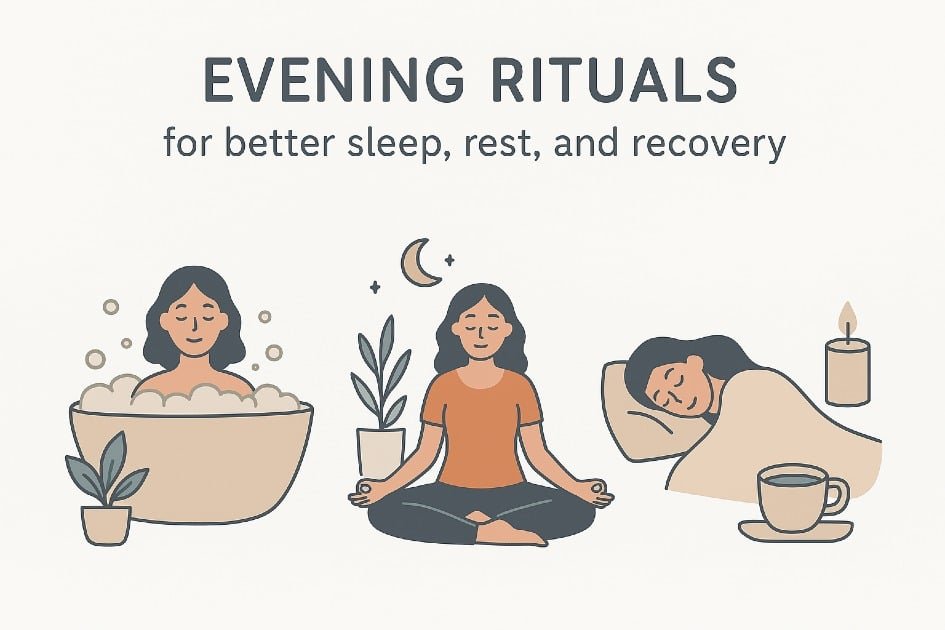
Evening practices that promote rest and recovery
The way you conclude your day significantly impacts sleep quality, stress levels, and longevity. Implementing a deliberate evening ritual is crucial for shedding daily stress, thereby reducing fatigue and mental restlessness, and creating a sanctuary for recovery.
Protect your sleep and mind
Using electronic devices before bed disrupts sleep due to blue light and mental stimulation, leading to restlessness and morning grogginess.
Be without screen 1 hour before bedtime. Enjoy quiet activities such as reading a book or listening to soft music to relax.
I set a timer every night to silence notifications and also wear glasses or add a screen filter that blocks harsh light. It improved my sleep depth and reduced nighttime anxiety.
Calm the body and mind
Lingering evening stress from work or personal responsibilities can maintain high cortisol levels, impeding recovery and health.
Implementing a brief relaxation ritual, such as meditation, deep breathing, or light yoga—even 10 minutes of guided meditation—can reduce heart rate, calm the nervous system, and facilitate restful sleep.
I use a nightly guided meditation ritual to transform my mental chatter into a state of calm, like a gentle reset button for a restful night.
Sleep quality over quantity
Sleep quality is of more value to health than duration alone. Disrupted sleep architecture, characterized by frequent awakenings or morning grogginess, signals a need for intervention.
Establishing a bedtime ritual, including dimming lights, avoiding evening caffeine, and maintaining a consistent sleep schedule, can cue the body for rest. Add relaxing touches such as lavender or a weighted blankets to improve your sleep.
I enhance my 10 PM bedtime ritual with a weighted blanket or sleep mask for comfort which signals to my body that it is time to rest, leading to deeper, more restorative sleep.
Journaling that releases mental clutter
To improve sleep quality, avoid bringing unfinished tasks or worries to bed, as this causes mental friction.
Implementing a reflective journaling ritual can organize thoughts, alleviate anxiety, and aid the brain in transitioning to a state of rest.
I keep a bedside journal as part of my nightly ritual, and the relief of emptying my mind before sleep is unmatched.
Create your evening sanctuary
Environmental factors like noise, lighting, and temperature significantly impact rest and recovery.
Creating a dedicated relaxation space with dim lighting, soothing aromas, and minimal clutter signals the body to wind down.
I always elevate my bedroom using aromatherapy diffusers or calming sound machines. No work emails, no bright lights, just a safe space for my evening ritual.

Physical activity that feels like a reward
Shifting the perspective on physical activity from a dreaded obligation to an energizing ritual can transform exercise into a rewarding habit, leading to increased consistency and improved overall health.
Make movement playful, not punitive
To overcome the hurdle of viewing exercise as grueling, reframe it as a joyful ritual by engaging in pleasurable activities like dancing or hiking.
Establishing a daily movement ritual, even for 15–20 minutes at a consistent time, can improve energy and mental clarity, functioning as a reward rather than a punishment.
Strength training without intimidation
Skipping strength training weakens your bones, slows your metabolism, and lowers your overall strength. Approachable strength training, using tools like resistance bands or kettlebells offers a solution.
A 15-minute daily session with resistance bands at home can improve posture, core strength, and flexibility.
Cardio that feels less like a task
To combat the monotony of treadmill workouts, consider diversifying cardio activities by exploring swimming, cycling, or group classes.
Transforming cardiovascular activity into an exploratory ritual can make it more exciting and rewarding than obligatory.
Recap: Balance Is Simpler Than You Think
Daily rituals are key to achieving balance, energy, and purpose, enhancing both longevity and productivity.
Consistency in these rituals reinforces natural rhythms, sharpens mental acuity, and nurtures emotional resilience, transforming stress into focus and fleeting energy into sustainable vitality.
While simple tools like a quality water bottle, a timer for meditation, or a well-crafted journal can enhance the experience, the core of these life-enhancing strategies lies in deliberate, small actions that compound over time.
Living longer is important, but true longevity means enjoying a healthy, full life. While genetics influence approximately 25% of lifespan, lifestyle factors such significantly impact vitality and overall well-being according to Harvard Health.
Balance is achieved through consistent, meaningful rituals that integrate health, productivity, and joy, leading to empowerment and a vibrant life.
Frequently Asked Questions
How do small daily rituals have impact on longevity?
Consistent daily rituals using meditation platforms or habit trackers yield significant compounding benefits over time.
Practices such as mindfulness or light stretching at the start of each day can positively impact cardio function, cognitive sharpness, and stress hormone regulation, contributing to increased longevity and improved health over extended periods.
Can I start these rituals even with a busy schedule?
Effective rituals can be integrated into daily routines with minimal time commitment, such as ten minutes of journaling or a short walk, to enhance energy and mental focus.
Utilizing tools like planners or time-management apps can facilitate the adoption of these practices without causing overwhelm.
Which rituals offer the biggest health benefits quickly?
Specific daily practices like hydration, brisk walks, or gratitude can swiftly enhance health, boosting energy, lowering cortisol, and improving mood. Combining these micro-rituals intensifies their positive effects over time.
How long does it take to notice the effects of these habits?
The body and mind exhibit varied responses to rituals, with immediate benefits like better sleep and focus appearing within a week. Longer-term advantages, such as cardiovascular enhancement and increased muscle resilience, emerge over several months.
Are these practices suitable for people of all ages?
Rituals can be adapted for different age groups; seniors may benefit from gentle stretching and mindfulness, while younger adults might prefer high-intensity interval workouts or productivity routines.
Adjusting intensity and frequency ensures rituals enhance health without strain, with adaptive exercise equipment offering age-appropriate support.
Can technology help or hinder these healthy rituals?
Technology offers tools for habit formation, such as digital reminders, fitness trackers, and meditation apps, aiding ritual consistency. Conversely, excessive screen time, particularly before sleep, can negate these advantages.
Achieving balance involves utilizing smartwatches or meditation platforms, coupled with intentional disconnection during crucial restorative times.
How do I stay consistent without feeling overwhelmed?
The core principle for habit formation involves layering rituals, beginning with a few practices and progressively increasing them.
Integrating new habits with established routines, such as drinking water post-brushing, improves consistency.
Can I combine multiple rituals for maximum impact?
Integrating physical, mental, and social rituals synergistically enhances longevity and performance by elevating energy, reducing stress, and improving cognitive function.
What role does nutrition play in daily rituals?
Nutrition is fundamental to effective ritual systems, as consuming nutrient-dense foods and staying hydrated enhances physical activity, mindfulness, and sleep practices.
Simple preparations like overnight oats or green smoothies can form health-boosting morning rituals, with meal planning kits simplifying the process.
How can I personalize my rituals to fit my lifestyle?
To ensure longevity and enjoyment, personalize your approach by identifying activities that energize, relax, or motivate you. Establish rituals around these activities, such as a daily outdoor walk if nature is calming.