


Have you ever wondered why so many people are switching from daily painkillers to acupuncture for lasting comfort and whole-body renewal?
This powerful method not only alleviates pain but also teaches the body to heal and regulate inflammation, surpassing the capabilities of medication.
Acupuncture enhances blood flow, balances stress hormones, and stimulates natural pain-relief chemicals, making it a sustainable alternative for long-term healing. Unlike medications, it promotes the smooth functioning of tissues and nerves.
According to Harvard Health, acupuncture has demonstrated the ability to relieve pain in various chronic-pain conditions by enhancing the body’s endorphins and changing the brain’s pain perception, often rivaling or surpassing pain medications while causing fewer side effects.
This article, in a quest for natural relief, provides enduring benefits that strengthen rather than simply mask symptoms, offering enhanced circulation and nervous-system balance that medication cannot replicate.
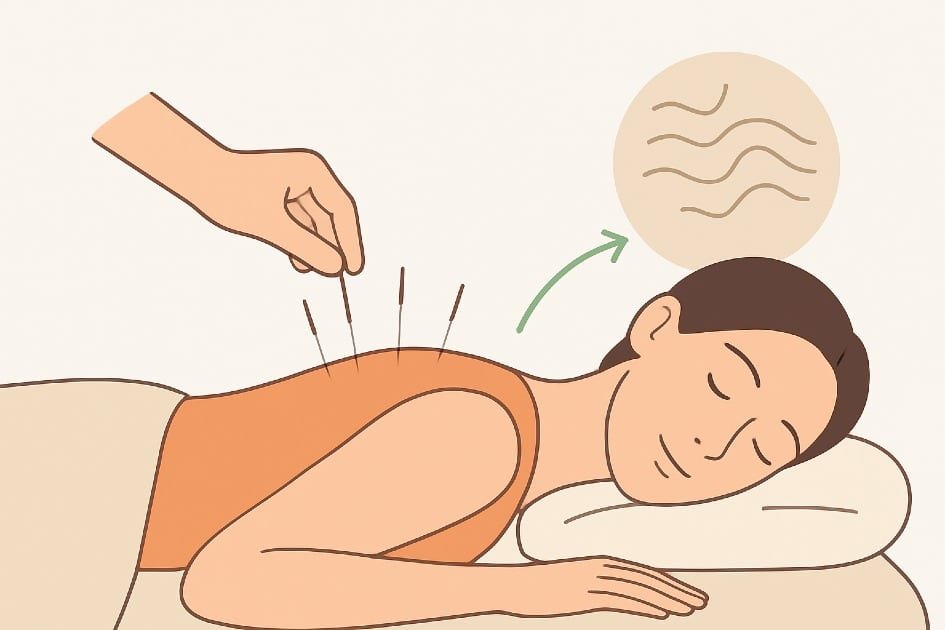
How acupuncture supports natural healing
Acupuncture provides a gentle approach to restoring balance, alleviating pain, and promoting long-term wellness. Individuals often seek it when feeling stressed or fatigued from medication side effects, as it assists the body in self-repairing.
Acupuncture helps your body reset naturally
Why it matters:
It stimulates the body’s repair systems, promoting cooperation among nerves, muscles, and circulation. It focuses on healing the root causes rather than merely alleviating symptoms and helps decrease the stress that can impede recovery.
How to do it:
- Start with a few sessions each week. Most people begin with one or two visits to build lasting results.
- Stay hydrated during sessions. Drinking electrolyte-rich fluids boosts circulation and enhances its benefits.
- Feel your body after and notice slight changes like easier breathing, lighter muscles, or calmer thoughts.
Acupuncture boosts blood flow and cellular repair
Why it matters:
Improved blood flow delivers oxygen and nutrients to stiff or painful areas, accelerating tissue repair without medication. Enhanced circulation diminishes fatigue and swelling, promoting better joint mobility and resilience over time.
How to do it:
- Take a light walk after your session. Gentle movement boosts your overall relief.
- Try warm compresses at home. They boost blood flow right where you need it.
- Combine acupuncture with simple natural support. Many people also use magnesium oil to boost calm and deepen relaxation during recovery.
Acupuncture calms your nervous system
Why it matters:
It alleviates stress and tension, which can exacerbate pain and hinder healing. By lowering stress hormones, it assists the brain in transitioning from a “fight or flight” response, promotes improved sleep that aids recovery, and facilitates a calmer mind to reduce muscle clenching and nerve irritation.
How to do it:
- Book appointments on calm days so your body can adjust and heal faster.
- Try slow breathing before and after your session. It boosts your calming power.
- Use calming tools at home. A soft eye mask can gently deepen your relaxation and help you unwind faster.
- Track your sleep patterns and see if your rest gets deeper after a few treatments.
Acupuncture reduces inflammation naturally
Why it matters:
Chronic inflammation leads to joint pain, swelling, and stiffness. Acupuncture can deactivate inflammatory signals, promote smoother movement and flexibility while reduce the frequency and severity of flare-ups over time.
How to do it:
- Pair your sessions with anti-inflammatory habits. Simple steps like daily stretching or sipping herbal tea can boost its healing benefits.
- Focus on foods that soothe your body. Omega-3 supplements work to lower inflammation and support better health.
- Stay warm to help your body heal. Gentle heat boosts blood flow and eases tight, inflamed muscles.
Acupuncture encourages emotional balance
Why it matters:
Pain and stress are interconnected, and acupuncture promotes the release of mood-enhancing chemicals, resulting in improved mental clarity, emotional balance, and overall energy and focus.
How to do it:
- Try pairing your session with a quick journal entry. It helps you spot your feelings as they change.
- Try soothing teas. A simple herbal blend helps your body relax after any session.
- Create a simple bedtime routine that you can follow every night. Acupuncture can work even better and support stronger healing.
After trying to acupuncture my stress and tension, my shoulders felt lighter, I slept more deeply, and my mood stayed steady throughout the day. It supports the body’s natural recovery instead of pushing it.
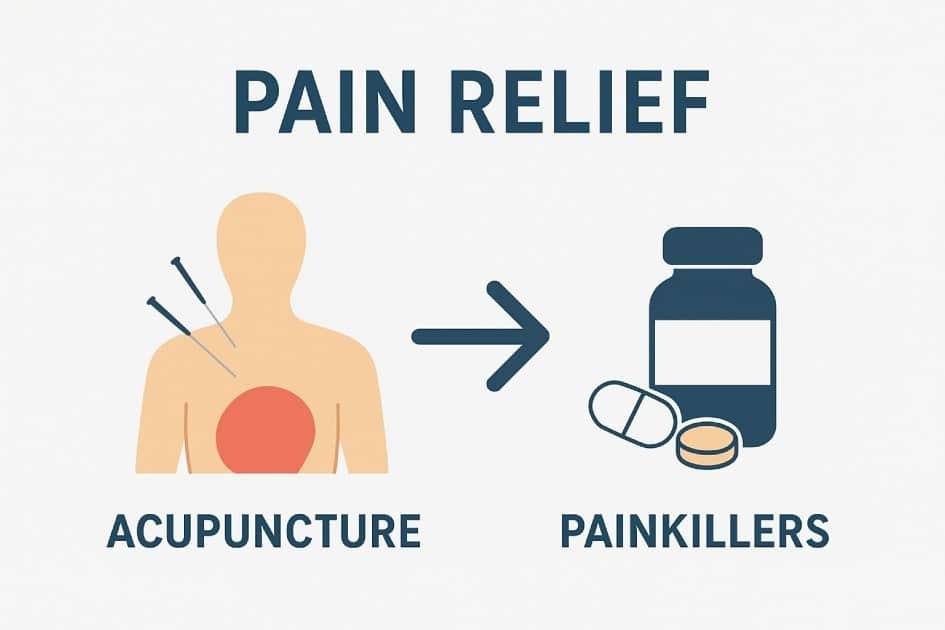
Painkillers and acupuncture explained simply
Natural healing gains popularity, acupuncture is being recognized for its distinct effects and potential superiority over painkillers. Understanding the body’s responses to these treatments can lead to better long-term relief choices.
How painkillers quiet your pain signals
Why it matters:
Painkillers can mask symptoms, leading individuals to overlook underlying issues until they escalate. Frequent use of chronic pain might lead to dependency, while the liver and digestive system can suffer irritation from processing these medications.
How to do it:
- Take them only if pain stops you from moving or sleeping.
- Pair them with simple natural methods such as stretching, staying hydrated, or using gentle heat.
- Take only a small dose and use it for just a few days.
- Keep a record of how often you use them, so you do not depend on them without thinking.
Painkillers gave me quick relief, but they never solved my back or neck pain. When I started taking short walking breaks each day, I noticed something amazing — I did not need the pills as much anymore.
How acupuncture triggers natural healing
Why it matters:
It effectively addresses the root causes of discomfort by reducing inflammation and supporting long-term wellness, promoting internal balance.
In contrast to medication, it imposes no digestive or liver burden and has minimal side effects.
How to do it:
- Try one session each week when flare-ups appear.
- Pair acupuncture with drinking water, gentle stretches, and regular movement to speed up results.
I often feel lighter and calmer after my first session. Sometimes I sleep better, get fewer headaches, and notice less tension, even on days I do not expect any relief.
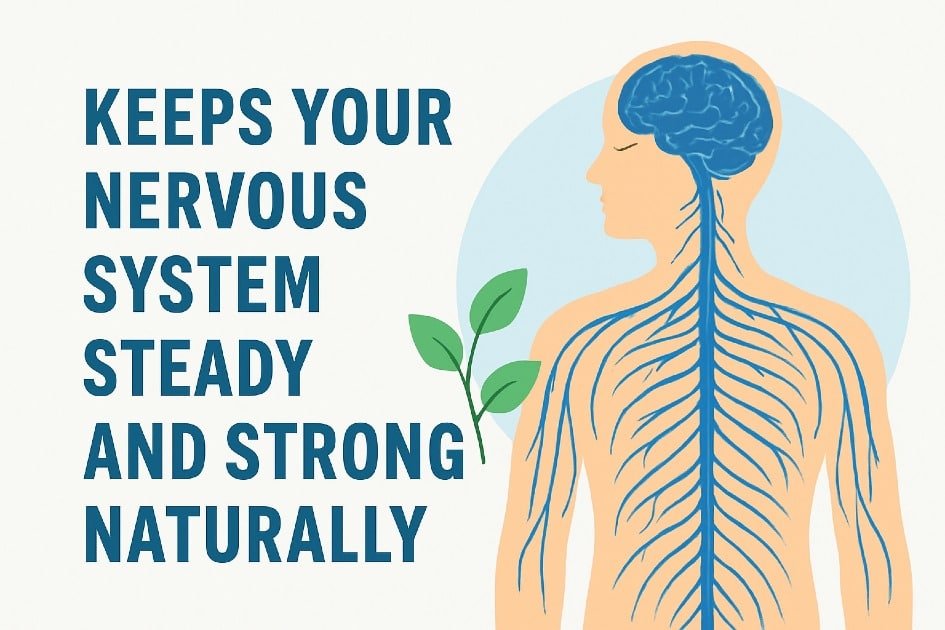
Keeps your nervous system steady and strong
Acupuncture offers a gentle reset for the nervous system during simultaneous stress and pain, aiming to restore balance rather than simply numbing discomfort. This method helps individuals feel steadier and more grounded, with calming effects that can accumulate over time.
Why soothing your nerves brings real pain relief
Why it matters:
A calmer system facilitates quicker pain relief by relaxing muscles, reducing tension and joint pressure, deepening sleep for overnight repair, minimizing reactivity to stress, and improving mood to support healing.
How to do it:
- Try weekly acupuncture to help your nervous system relax and stay balanced.
- Use a guided breathing platform or a portable acupressure mat to relax and release tension after long days.
- Create a calm bedtime routine by dimming lights, breathing slowly, and playing soft music.
- Track your pain in a small journal so your acupuncturist can target the right points.
- Sip a natural calming tea like chamomile or lemon balm to relax and ease evening stress.
I have been getting acupuncture for a few weeks, and I can feel the change. My shoulders stay loose, and my jaw does not stay tight anymore. It is a small sign, but it tells me my nervous system is finally calming down.
How acupuncture helps your body calm down
Why it matters:
It signals the brain to reduce stress hormones that heighten pain, enhances blood flow to alleviate swelling, supports the vagus nerve for calmness, helps the body reset from fight-or-flight responses, and builds long-term resilience rather than providing only immediate relief.
How to do it:
- Stick to regular acupuncture sessions instead of one-time visits for lasting results.
- Try combining sessions with light movement such as walking or stretching to get steadier results.
- Use a home TENS unit at home to ease pain between visits.
I notice my mind calm down before the pain even starts to ease. That deep exhaled feeling tells me acupuncture is working with my body, not fighting against it.
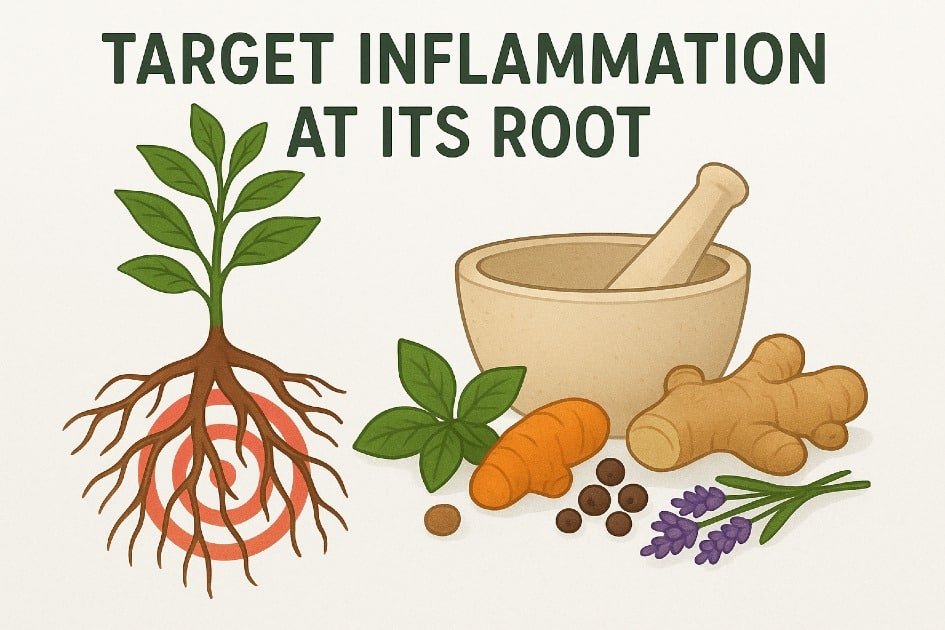
Targets inflammation at its root
Inflammation is a common cause of persistent pain and fatigue. While painkillers provide temporary relief, acupuncture addresses the underlying inflammatory processes, promoting natural healing.
How acupuncture calms inflammatory triggers
Why it matters:
It facilitates the transition from a continuous “fight mode,” alleviating swelling, restores balance in nerve pathways that affect pain signals, reduces reliance on potentially harmful painkillers, and provides a natural remedy during periods of inflammation that can make everyday activities difficult.
How to do it:
- Book a weekly acupuncture session during flare-ups to keep your nervous system steady and strong.
- Combine your sessions with anti-inflammatory supplements to support lasting health.
- Try gentle stretches after treatment to boost blood flow and support healing.
- Keep a simple journal to record flare-ups and spot patterns over time.
I feel calmer right after an acupuncture session. A gentle warmth moves through my tight spots, and it is like my body finally let go of stress it held for years.
How acupuncture calms long-lasting swelling
Why it matters:
It prevents chronic inflammation, reduces reliance on medication that may cause dizziness, empowers individuals to manage their pain actively, and promotes long-term healing by improving blood flow to affected areas.
How to do it:
- Boost tissue repair by pairing acupuncture with plenty of water and nutrient-rich foods.
- Apply a warm compress before your session to help muscles relax quickly.
- Try slow breathing after treatment to lower stress hormones and calm your body.
- Use magnesium lotion to keep your muscles relaxed between appointments.
I am amazed by how acupuncture stops my cycle of feeling tight every day. Instead of getting worse, I can feel the inflammation finally going down.
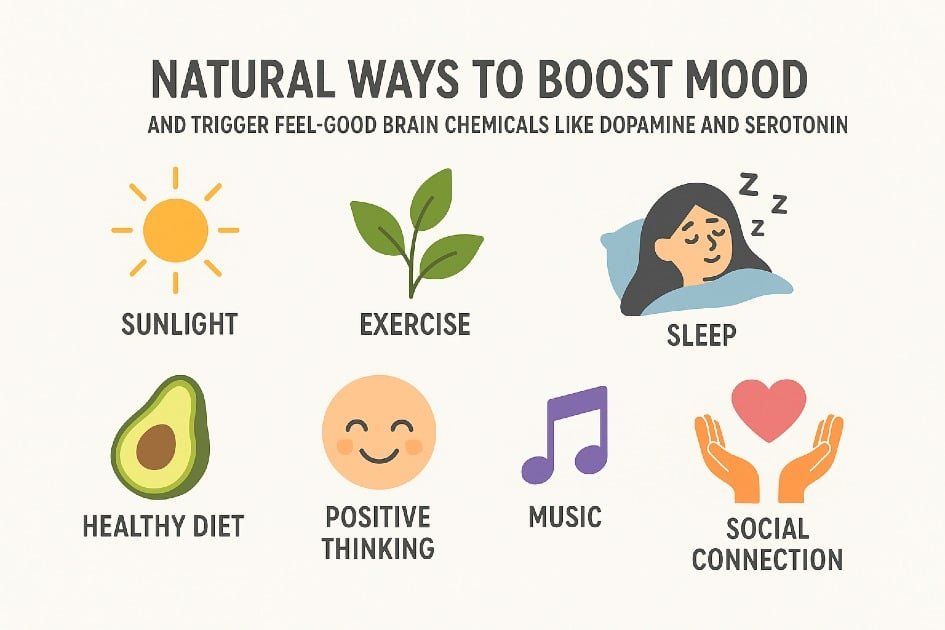
Triggers feel-good brain chemicals naturally
Acupuncture is an effective way to alleviate stress by boosting the body’s natural chemicals like endorphins, serotonin, and dopamine, promoting healing, improving mood, and stabilizing energy levels.
Gentle pressure and movement techniques
Why it matters:
These techniques alleviate stress responses, enhance the body’s electrical signaling, improve circulation for the distribution of feel-good chemicals, and facilitate a mental shift from overwhelm to clarity, often delivering quick results within minutes.
How to do it:
- Press the soft spot between your thumb and index finger for 20 to 30 seconds to relieve tension at home.
- Try slow neck rolls to calm your nervous system and feel safe.
- Breathe slowly and deeply. Inhale for four seconds and exhale for six to ease tension fast.
- Gently massage sore muscles with the handheld massager for quick relief.
- Try a quick stretch routine to boost circulation and recreate the refreshing effect of acupuncture.
I used to sit for long hours, and stress piled up on my shoulders like a weight. When I started doing daily acupressure, I felt lighter, clearer, and more balanced.
Mind-body rituals that keep chemicals flowing
Why it matters:
Rituals prevent the brain from reverting to stress patterns by boosting serotonin, which enhances mood and sleep. They promote brain flexibility, clarity, and steadiness, and complement acupuncture by maintaining a relaxed mind between sessions.
How to do it:
- Notice daily joys by writing one good thing each day. This boosts your brain’s good signals.
- Step outside for 10 minutes. A short walk in daylight lifts your mood and calms your mind like acupuncture.
- Try guided meditation on sites like Mindful.org to refresh your mind and ease stress.
- Try uplifting aromatherapy with lavender or orange oils and pair it with acupuncture to relax deeply.
- Pause for a quiet moment. Sixty seconds of stillness can calm your nerves and refresh your mind.
I began taking a few quiet minutes each morning after my acupuncturist recommended it, which helped lower my anxiety. I felt clearer and calmer before my day even started.

Supports health that stays with you
Acupuncture is often sought for immediate pain relief, yet its long-term benefits extend beyond that, as it enhances the body’s ability to manage stress and tension. While pain medications provide temporary relief, acupuncture fosters stability, resilience, and overall harmony, enabling the body to heal rather than merely react.
Strengthening your body’s natural repair system
Why it matters:
Unlike painkillers, which only alleviate discomfort, acupuncture enhances the body’s regenerative processes. Its effects accumulate over time, leading to improved stability, reduced flare-ups, enhanced mobility, promotes faster recovery, long-term strength in tissues, and greater calmness in stress.
How to do it:
- Stick with regular acupuncture visits instead of just one session because steady care supports deeper, long-lasting relief.
- Support every session with water and key minerals. A magnesium supplement can help your muscles recover faster and feel stronger.
- Add light movement like a short walk or simple stretching after acupuncture. It helps your body spread fresh blood flow and boosts your results.
- Review trusted nutrition guides to cut inflammation and feel better.
- Check your symptoms each week to spot slight changes that show your healing is moving forward.
Creating a wellness routine that reinforces healing
Why it matters:
A routine enhances the effectiveness of acupuncture by reinforcing supportive habits that prevent the body from reverting to old patterns. This long-term consistency helps maintain a balanced nervous system, empowering individuals to take control of their health rather than relying on emergency solutions.
How to do it:
- Pair every acupuncture visit with a simple calming habit such as slow breathing or a warm compress to deepen your relaxation and support better healing.
- Use helpful tools like an ergonomic posture pillow to ease tension between visits.
- Take small microbreaks during the day to stop stress from building up and making your pain worse.
- Add leafy greens and fresh ginger to your meals to calm inflammation naturally.
I tried acupuncture for my shoulder pain, and I felt relief right away. After going regularly for a month, I noticed more changes. I slept better, felt calmer, and managed pain more easily.

Fewer side effects and lower health risks
Acupuncture is increasingly sought after as it aids healing without the negative side effects associated with conventional pain medications, such as stomach issues and drowsiness. It provides a gentle, safe, and natural alternative, appealing to adults seeking sustainable pain relief.
Why gentler healing matters for everyday life
Why it matters:
Painkillers may cause stomach irritation, sleep disruption, or liver strain over prolonged use, particularly for those who take them daily. In contrast, acupuncture supports the body’s natural healing processes, allowing for better focus on recovery rather than managing side effects, increasing motivation for improvement.
How to do it:
- Use a free consultation to review the medicines you take and get safe guidance.
- Ask your provider if acupuncture can fit into your daily care plan.
- Write down how you feel after each session in your phone’s notes app to see what helps you most.
- Support your progress with simple daily habits like gentle stretching and staying hydrated.
When my back felt tight, I used pain pills. They helped but made me slow and tired. When I tried acupuncture, the relief felt clean and natural.
How reducing medication load supports long-term health
Why it matters:
Long-term medication use can disrupt digestion, focus, and emotional well-being. Acupuncture promotes balance, potentially preventing future health issues, and alleviating the burden on the body can enhance energy and clarity.
How to do it:
- Always check with your doctor first before you change how you take your medicine.
- Start with weekly acupuncture sessions and move to every two weeks as your pain gets better.
- Try pairing sessions with light movement like walking or easy stretches.
- Breathe mindfully before sleep to boost acupuncture’s calming effects.
- Use tools like a posture corrector to support your body and ease strain.
I slowly cut back my medication with my doctor’s guidance while using acupuncture to support me. It made each day steadier and the transition easier. Acupuncture kept the process balanced and manageable, so reducing medicine did not feel scary.
Supports your treatments and medicine plan
Acupuncture complements modern treatments by enhancing existing care routines without conflict. Many individuals experience faster pain relief, increased energy, and reduced stress when integrating acupuncture with their other therapies.
How acupuncture helps your medicine work better
Why it matters:
Acupuncture can complement medication by reducing the need for higher doses, thus protecting vital organs. This combined approach offers dual support, allowing for symptom management through medication while enabling the body to repair itself with acupuncture, providing relief without dependency on a single solution.
How to do it:
- Try one acupuncture session each week to let your body adjust naturally.
- Monitor your body daily and record pain, sleep, and mood changes.
- Track your progress and talk to your healthcare provider. Updating your plan improves results.
- Try a pain-relief patch to boost your daily routine.
How acupuncture and massage work better together
Why it matters:
Physical therapy enhances strength, while acupuncture alleviates tension and inflammation. Combined, they accelerate recovery, improve mobility, and reduce flare-ups, decreasing reliance on painkillers. This approach empowers individuals by addressing the underlying issues in their healing process.
How to do it:
- Book your massage or physical therapy on a separate day from acupuncture to keep your body balanced and steady.
- Stay hydrated by drinking water before and after each session to flush out toxins naturally.
- Roll with a foam roller, stretch with a band, or support your posture to make home workouts easier and safer.
- Begin with easy goals like moving more, sleeping better, or easing headaches, and change them as your body improves.
- Notice every small win. Tiny improvements show your therapies are helping.
I try acupuncture and find it fits well with my other treatments. After a few sessions, my muscles relax, stress drops, and my medicines work better. It helps my body heal naturally and supports a safe, lasting approach to health.
Recap: Holistic Healing Gives Lasting Relief
Acupuncture offers a holistic alternative to pain management by addressing root causes rather than merely symptom relief.
It harmonizes the body’s healing mechanisms, reduces inflammation, and recalibrates the nervous system, resulting in enhanced resilience and overall wellness.
Holistic healing addresses the whole person—body, mind, and lifestyle—leading to longer-lasting and more genuine relief, as noted by Harvard Health.
Acupuncture, free from synthetic compounds, emphasizes intentional needle placements that boost energy and restore balance.
Embracing this practice can lead to significant reductions in discomfort and improvements in vitality, offering a sustainable path to freedom from pain.
Frequently Asked Questions
Is acupuncture safe for chronic pain?
Acupuncture is a minimally invasive therapy that activates the body’s natural pain relief mechanisms while avoiding the side effects associated with long-term painkiller use.
It modulates the nervous system and inflammatory responses, providing sustained relief for patients with chronic conditions such as arthritis, migraines, and fibromyalgia.
How many acupuncture sessions do I really need?
Sessions for pain relief vary: 1-2 for acute pain, and 6-12 for chronic pain. A licensed acupuncturist can develop a tailored treatment plan to enhance healing.
Does acupuncture hurt?
Acupuncture is perceived as a mild tingling or gentle pressure with minimal discomfort due to the use of ultrafine needles. Many patients also find the sessions to be relaxing and akin to a meditative experience.
Can acupuncture replace my pain medication?
Acupuncture effectively reduces reliance on painkillers, particularly aiding inflammation, endorphin release, and circulation improvement.
Patients often decrease medication under medical supervision while integrating acupuncture into their pain management strategies.
Can you safely use acupuncture along with massage or physical therapy?
Acupuncture enhances outcomes when combined with modalities like massage therapy, chiropractic care, or physical therapy, promoting quicker recovery and better mobility by addressing root causes of discomfort rather than merely alleviating symptoms.
How quickly will I notice results from acupuncture?
Many patients experience immediate subtle relief, like reduced muscle tension and improved flexibility.
For persistent issues, cumulative results over several sessions lead to long-term benefits that surpass those of painkillers, allowing the body to “relearn” natural pain regulation.
Are there any side effects of acupuncture?
Acupuncture is a low-risk procedure with rare serious side effects when performed by a licensed practitioner.
While mild bruising or soreness may occur at needle sites, its safety profile is significantly better than that of conventional painkillers, which have gastrointestinal, cardiovascular, or dependency risks.
Who should avoid acupuncture?
Acupuncture is safe for most adults and older children, but those with bleeding disorders, pacemakers, or severe skin infections should consult a healthcare provider.
Pregnant women should seek treatment only from practitioners experienced in prenatal care.
Does acupuncture help with mental well-being as well as physical pain?
Acupuncture positively affects the nervous system by lowering stress hormones, increasing serotonin, and enhancing sleep quality.
Patients often experience reduced physical pain, improved mental clarity, and a better mood.
Is acupuncture covered by insurance?
Insurance coverage for acupuncture varies by provider and plan, but many policies now acknowledge its benefits for chronic pain, migraines, and musculoskeletal issues.
It is advisable to consult with your provider and obtain documentation from a licensed acupuncturist to support your claims.